
These 10 herbs thrive in dry soil. Learn how I grow rosemary, thyme, oregano, and more with low water and high flavor.
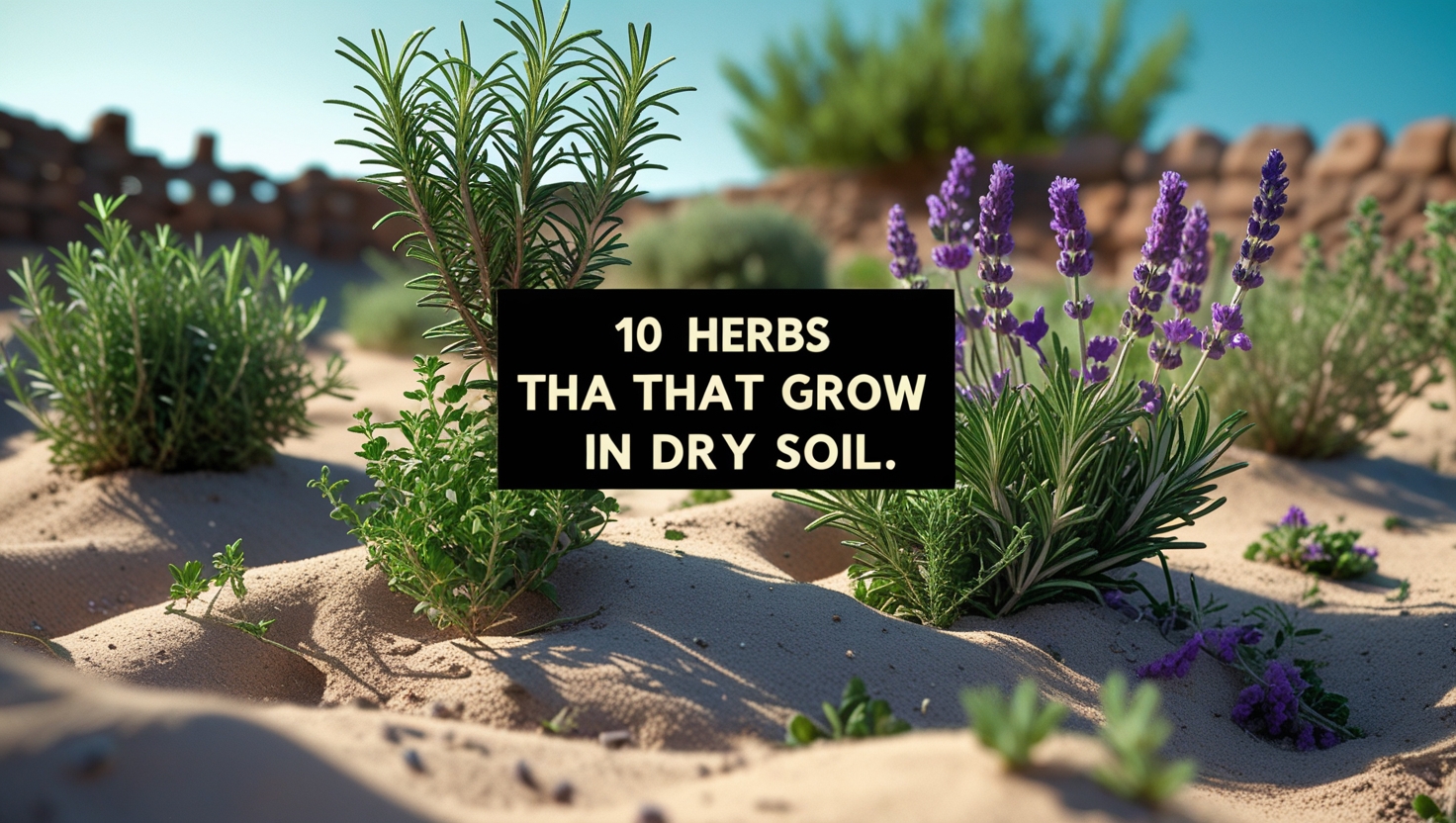
I am Ashley Scott, and I’ve gardened for over 10 years. One of the biggest lessons I’ve learned is that not every plant needs rich, moist soil. Some herbs grow better in dry soil. They are tough, flavorful, and thrive where others struggle. If your garden has sandy or well-drained soil, these herbs are great choices.
Why Choose Herbs for Dry Soil
Dry soil often frustrates new gardeners. It drains quickly and doesn’t hold nutrients well. But many herbs evolved in rocky, sunny, Mediterranean-like climates. They don’t just tolerate dry soil; they prefer it.
When I plant these herbs, I water less, and they still thrive. They also add strong flavors to my kitchen.
1. Rosemary
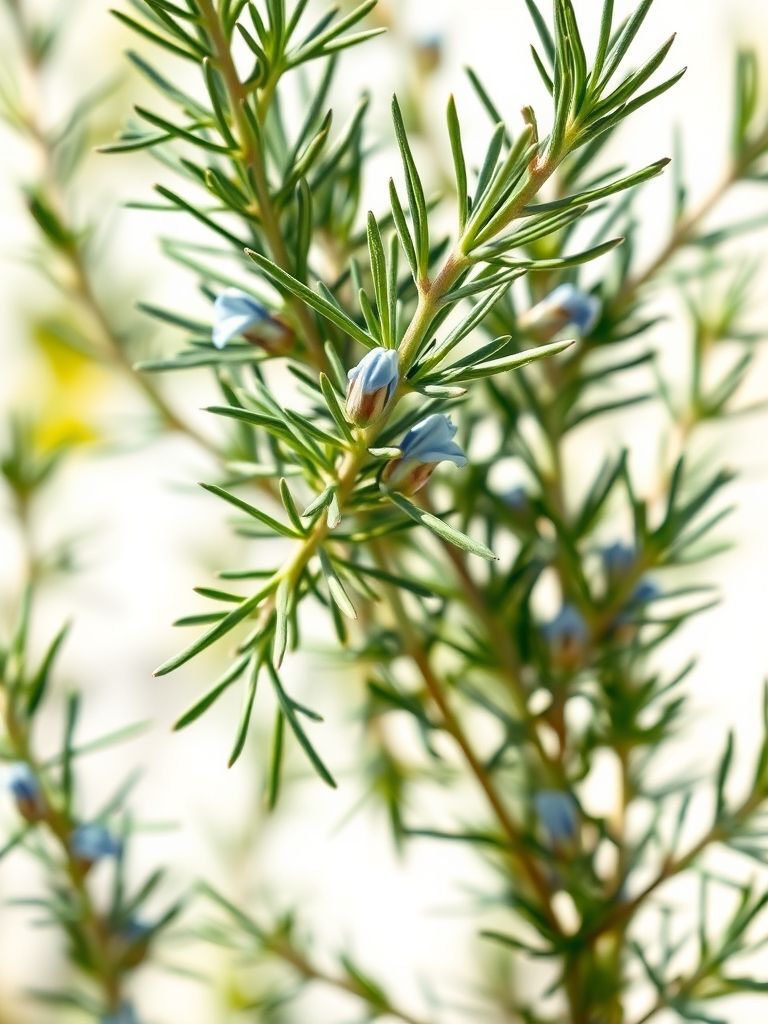
Rosemary is one of the toughest herbs I grow. It thrives in sandy soil and full sun. I use it for roasted potatoes and chicken.
The University of California Master Gardeners notes that rosemary does best in dry, well-drained soil.
2. Thyme
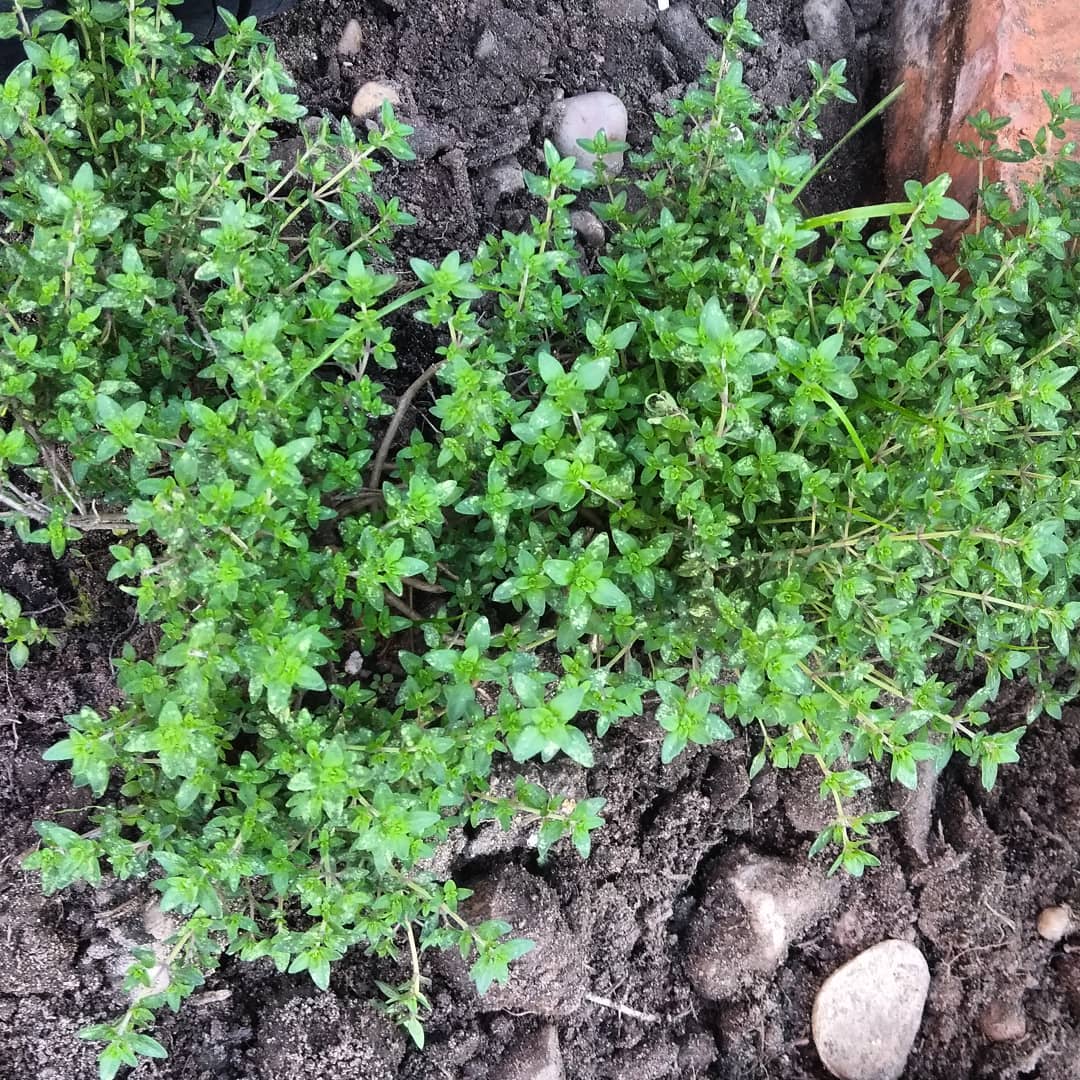
Thyme grows low and spreads well in dry soil. It makes a good border herb. I use it for soups and stews.
It’s a great choice for rainy season terrace gardens because excess water drains away quickly.
3. Oregano
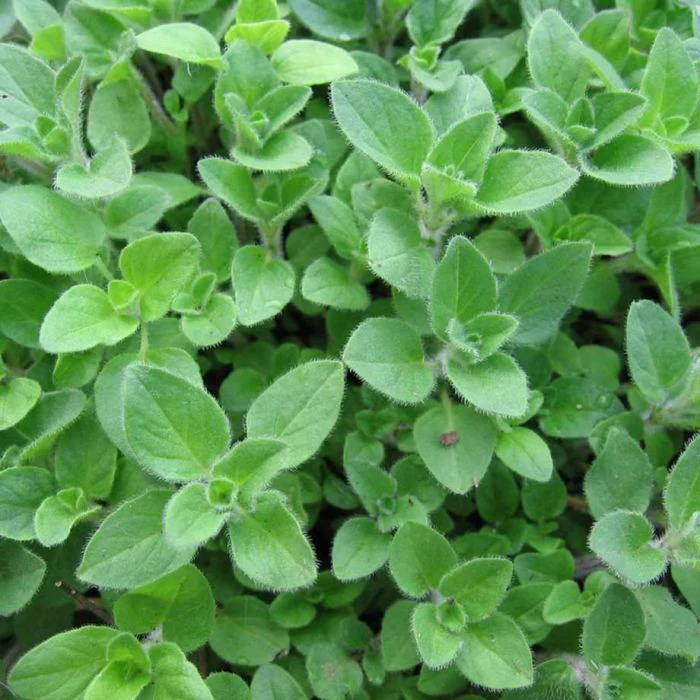
Oregano is drought-tolerant and full of flavor. I grow it in a pot by my patio. It handles dry spells with ease.
For more soil prep advice, check my article on Rainy Season Gardening Techniques.
4. Sage
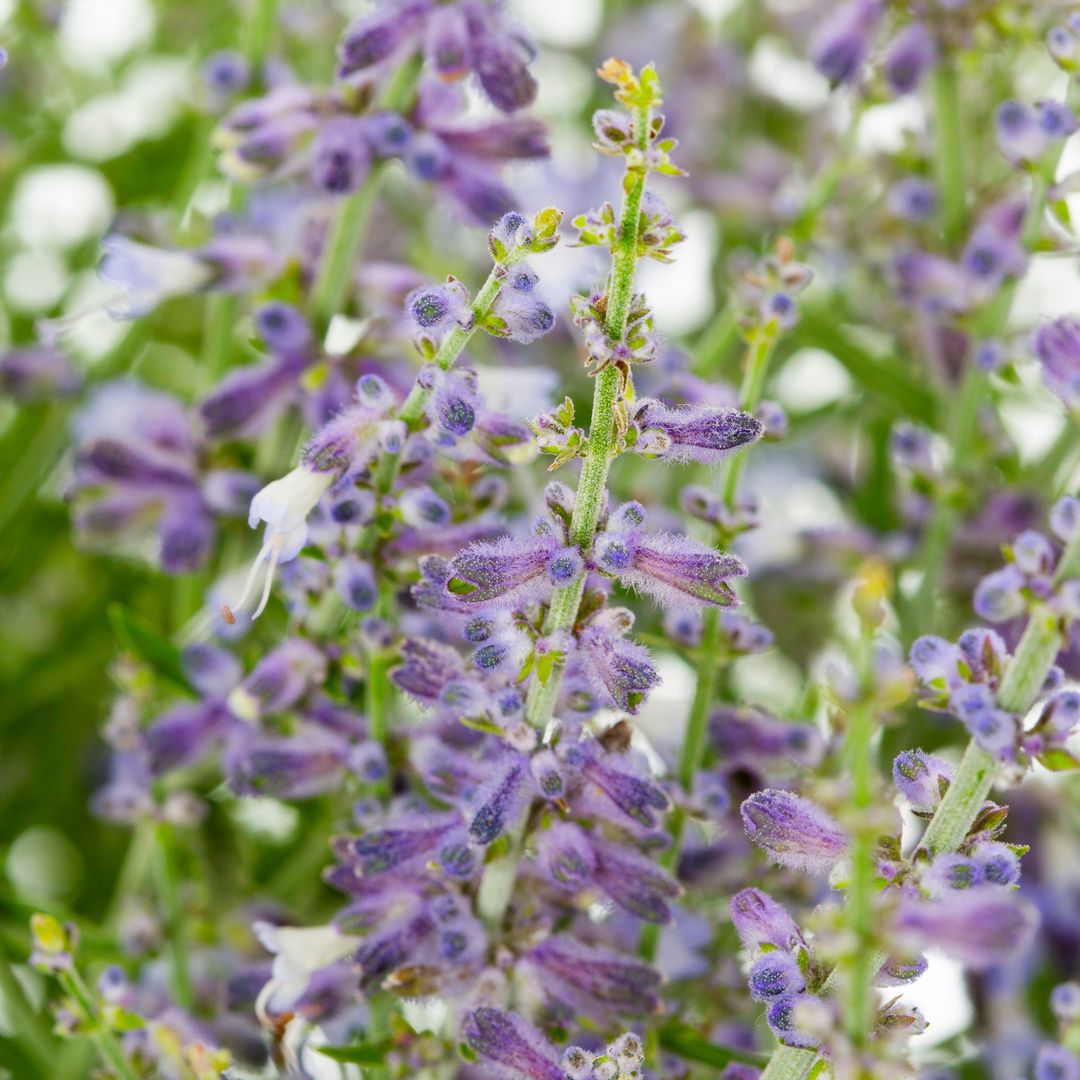
Sage prefers dry soil and sunny spots. I use the leaves for stuffing and teas. Once established, it needs little care.
The Missouri Botanical Garden confirms sage grows best in sandy, dry soils.
5. Lavender
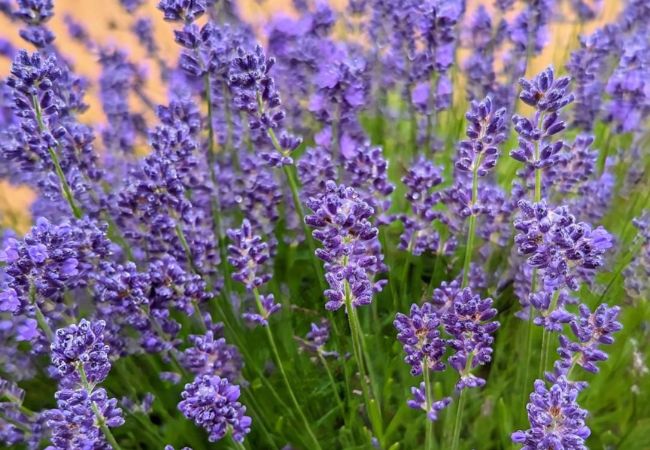
Lavender is both fragrant and hardy. It loves dry, sandy soil and lots of sun. I grow it for its calming scent and to attract pollinators.
6. Marjoram
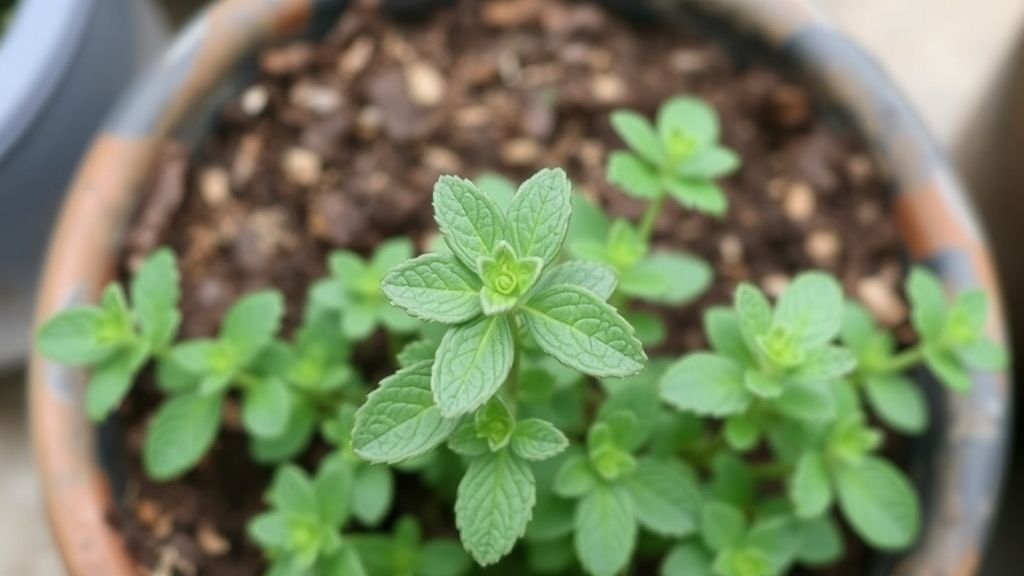
Marjoram looks like oregano but is sweeter in flavor. It thrives in dry soil and warm weather. I often dry it for spice mixes.
7. Chives
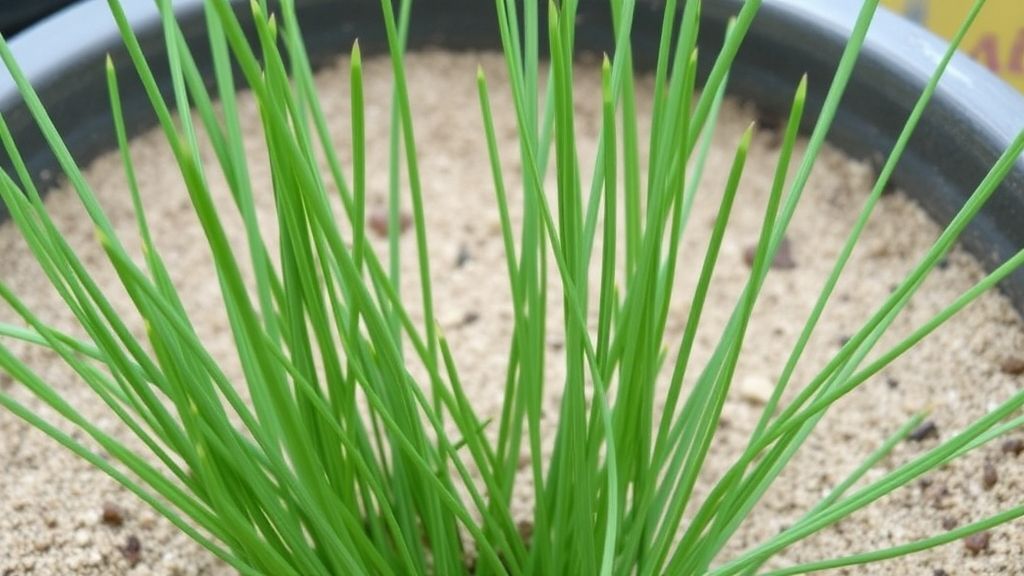
Chives tolerate drier soil better than most leafy herbs. They add mild onion flavor to salads and eggs. I grow them in pots to control spread.
8. Fennel
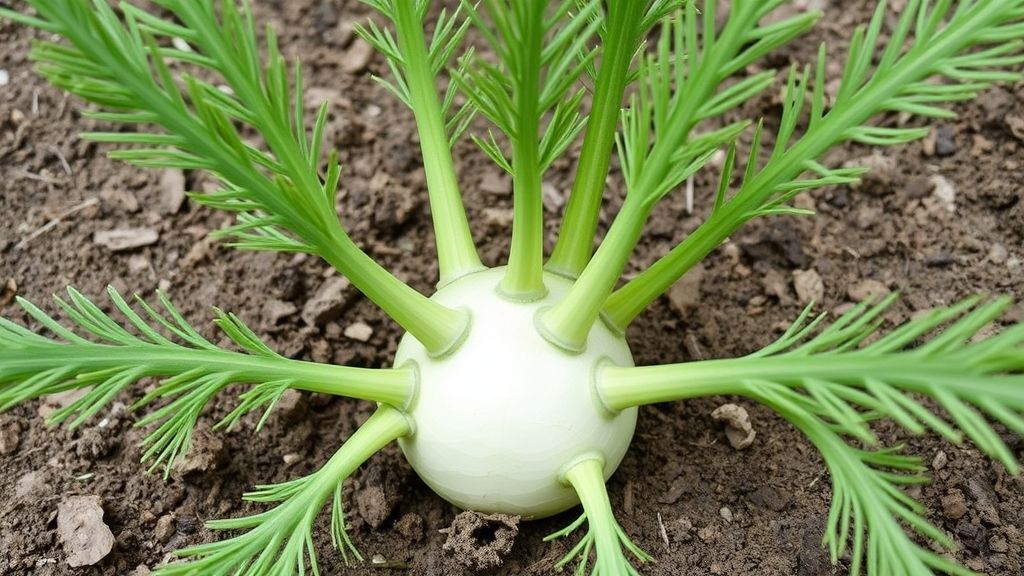
Fennel handles dry soil once established. I grow it for its seeds and bulbs. It attracts swallowtail butterflies to my garden.
The Royal Horticultural Society lists fennel as a low-water plant for dry gardens.
9. Tarragon
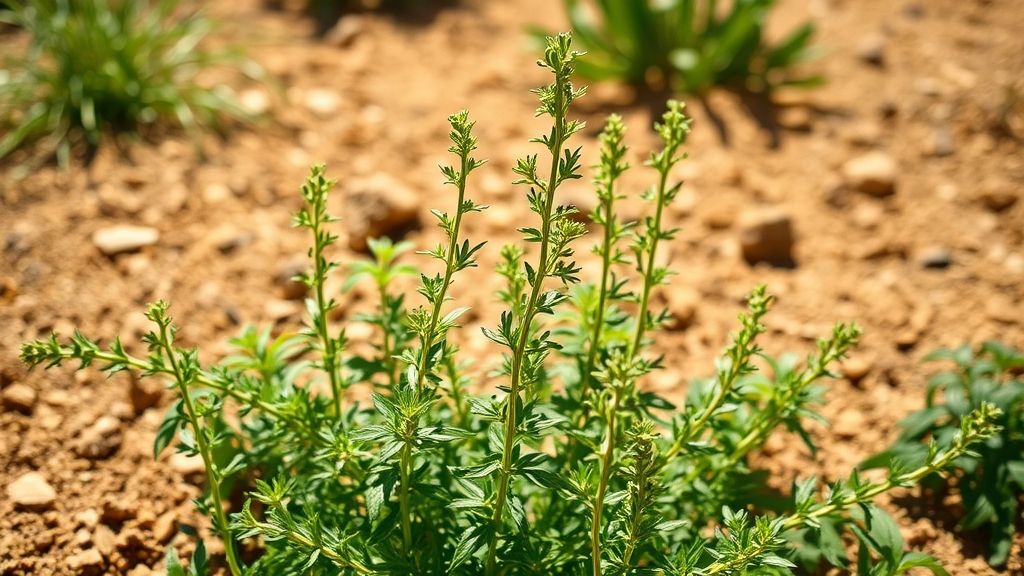
French tarragon loves well-drained soil. It adds a slight anise flavor to fish and chicken. I only water mine when the soil feels very dry.
10. Dill
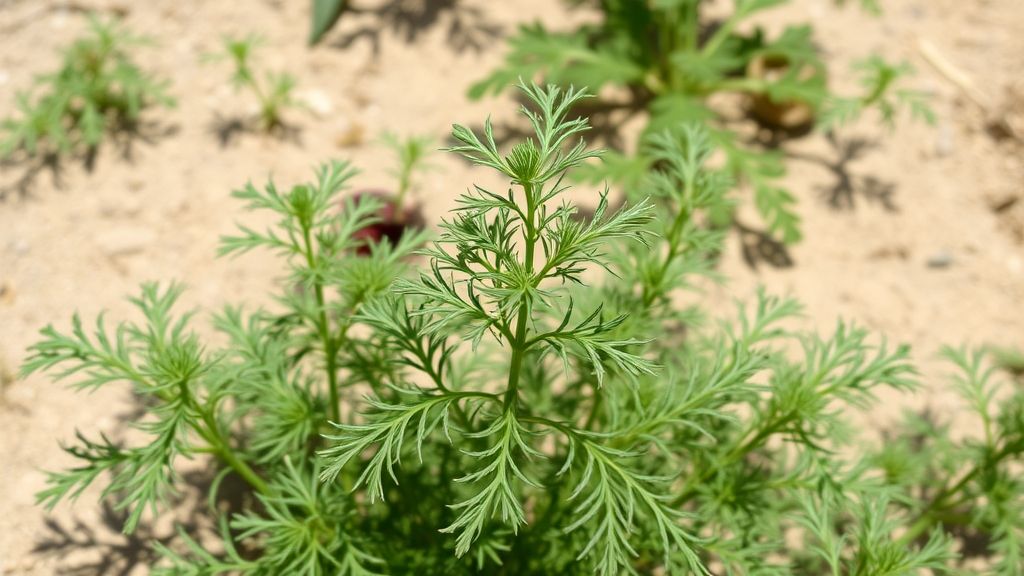
Dill tolerates dry soil but needs sun. I grow it for pickling cucumbers. Its feathery leaves also look beautiful in pots.
My Tip for Growing Herbs in Dry Soil
Dry soil herbs thrive when you don’t overwater. I also add a little compost once a year to give them nutrients. Most of these herbs grow well in containers too, as long as you use a sandy, fast-draining potting mix.
Common Questions About Herbs in Dry Soil
Q1: Which herbs tolerate drought the best? Rosemary, thyme, oregano, sage, and lavender are the most drought-tolerant herbs.
Q2: Do I need to water dry soil herbs? Yes, but only when the top few inches of soil are dry. Most of these herbs prefer less frequent watering.
Q3: Can I grow these herbs in pots? Yes. Use a sandy mix with good drainage. Terracotta pots work well.
Q4: Do herbs in dry soil need fertilizer? Not much. Add compost once or twice a year for best growth.