
Discover 15 beautiful Russian flowers with their names and cultural meanings. Get expert growing tips from a gardener with 10 years of experience.

After ten years of gardening, I have found that Russian flowers offer some of the most resilient and stunning choices for any garden. These plants survive harsh winters and bloom with vibrant beauty, bringing unique colors and rich history to your landscape. This guide introduces you to 15 stunning Russian flowers, their cultural meanings, and practical growing tips to help you succeed.
Russia’s vast landscape creates a home for an incredible variety of flowering plants. Many adapt well to gardens in the United States. When you grow Russian flowers, you add more than just color. You connect with centuries of cultural traditions and symbolism. These plants are generally tough, cold-hardy, and require less maintenance once established. They are excellent choices for both new and experienced gardeners.
15 Beautiful Russian Flowers to Grow
1. Chamomile
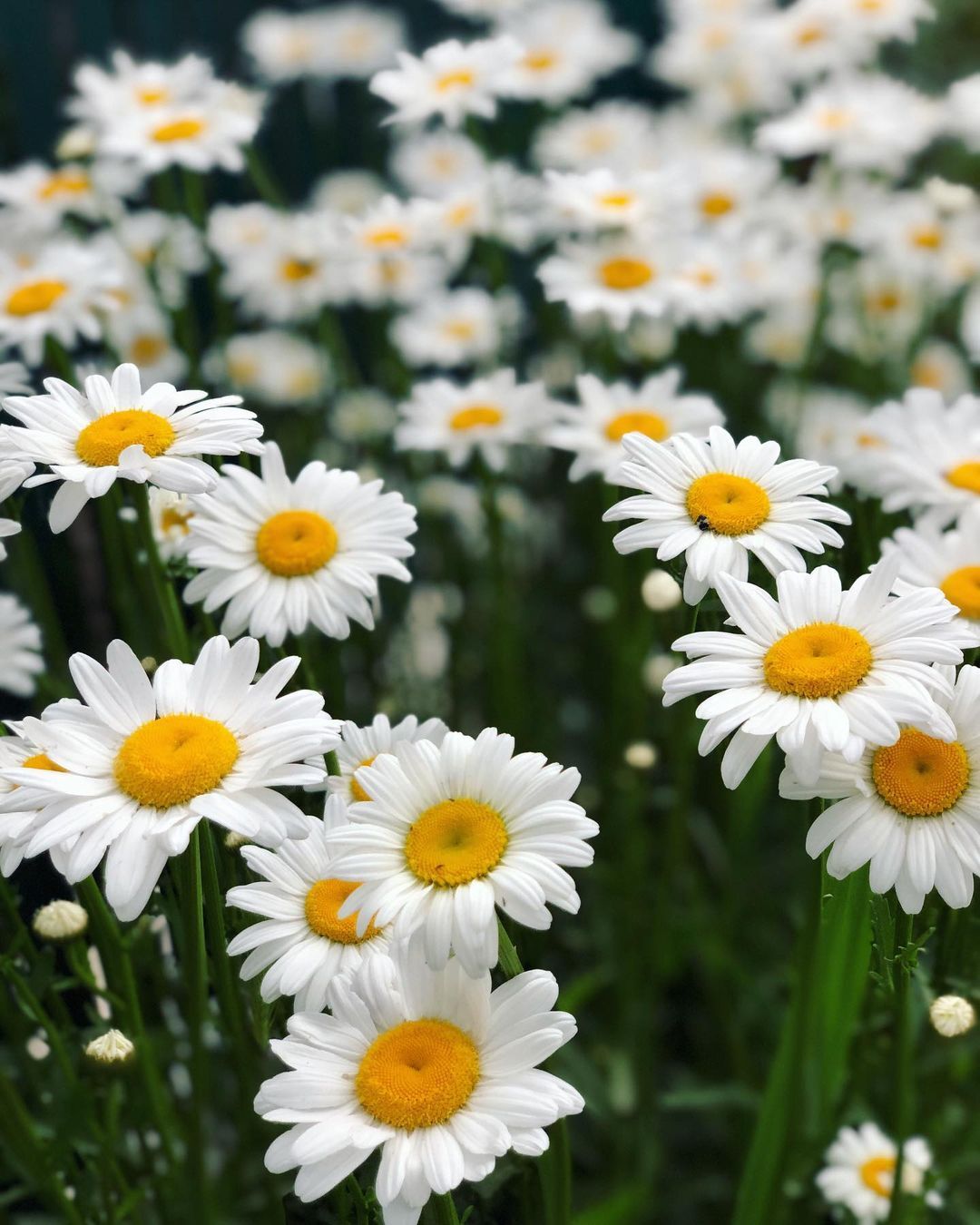
Chamomile (Matricaria chamomilla) is Russia’s national flower. It symbolizes peace and fulfilled dreams. This delicate white flower with a yellow center is famous for its use in herbal tea. I often grow chamomile along garden paths for its gentle fragrance. It thrives in full sun and well-drained soil. Plant seeds directly in your garden after the last frost. Chamomile self-seeds readily, so you will enjoy new plants each year. For a complete walkthrough on growing chamomile from seed, visit your guide at Chamomile Seeds.
2. Peony
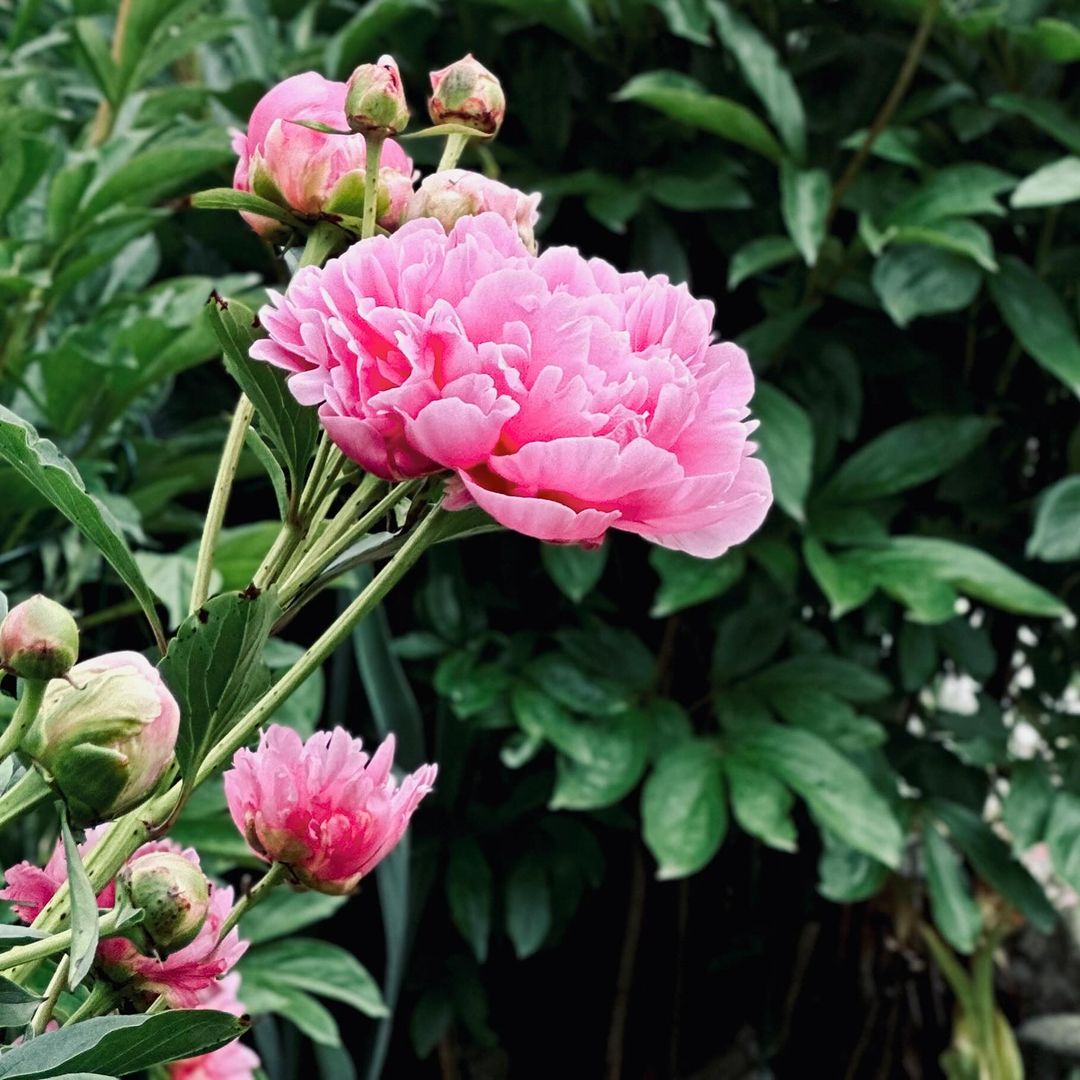
Peonies (Paeonia) represent honor and good fortune in Russian culture. Their large, lush blooms make a dramatic statement in late spring gardens. I recommend planting them in a spot with morning sun and afternoon shade. The soil should be rich and well-draining. Peonies are long-lived perennials that can thrive for decades with minimal care. Support heavy blooms with circular peony rings to prevent stems from bending. For step-by-step help on planting peonies in the USA, send readers to your guide at Peony Planting Guide for Beginners in the USA.
3. Carnation
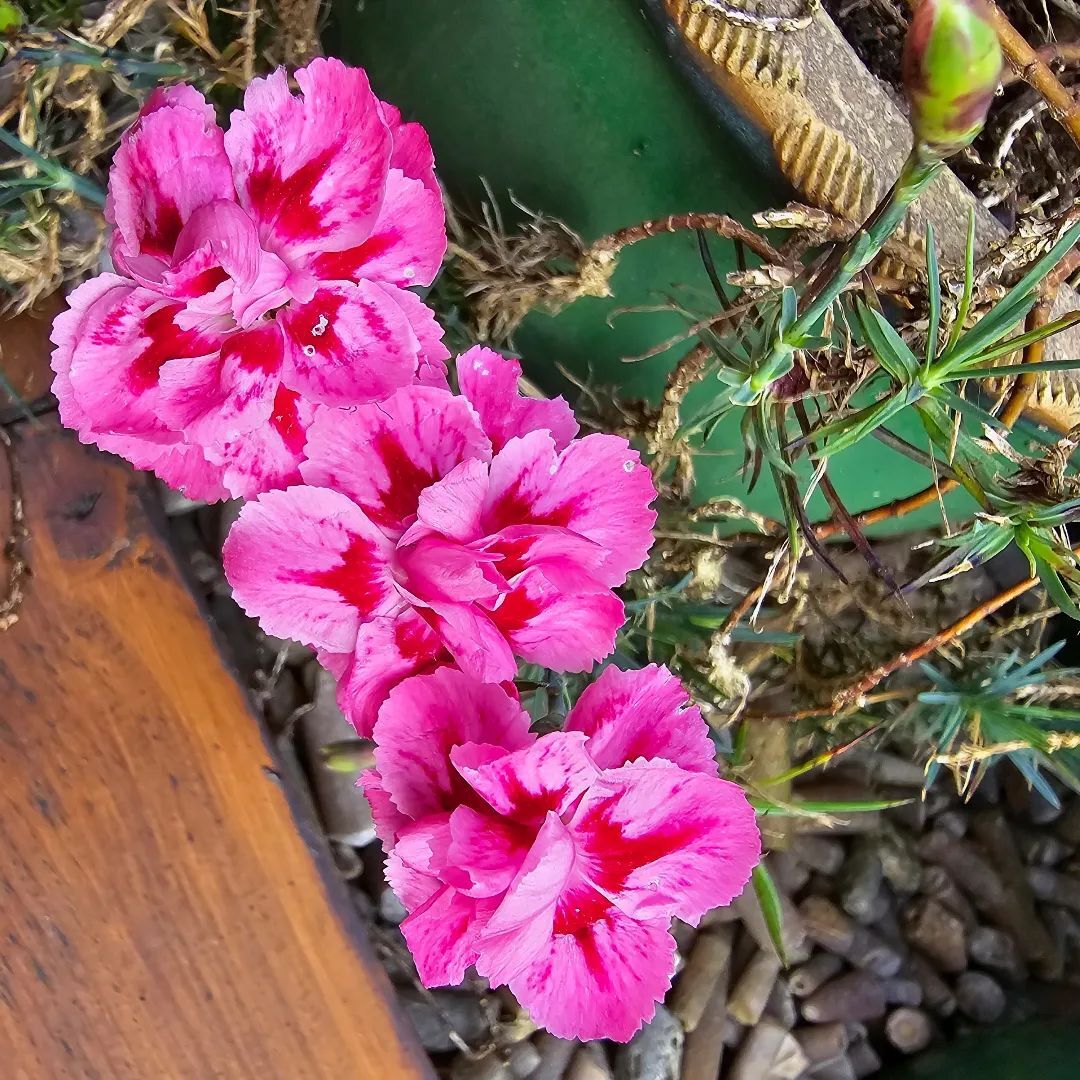
Carnations (Dianthus caryophyllus) symbolize patriotism and inspiration in Russia. You often see them in memorial bouquets and celebrations. These flowers offer a spicy fragrance and long-lasting blooms. I find they perform best in neutral to slightly alkaline soil. Deadhead spent flowers regularly to encourage continuous blooming throughout the summer.
4. Tulip
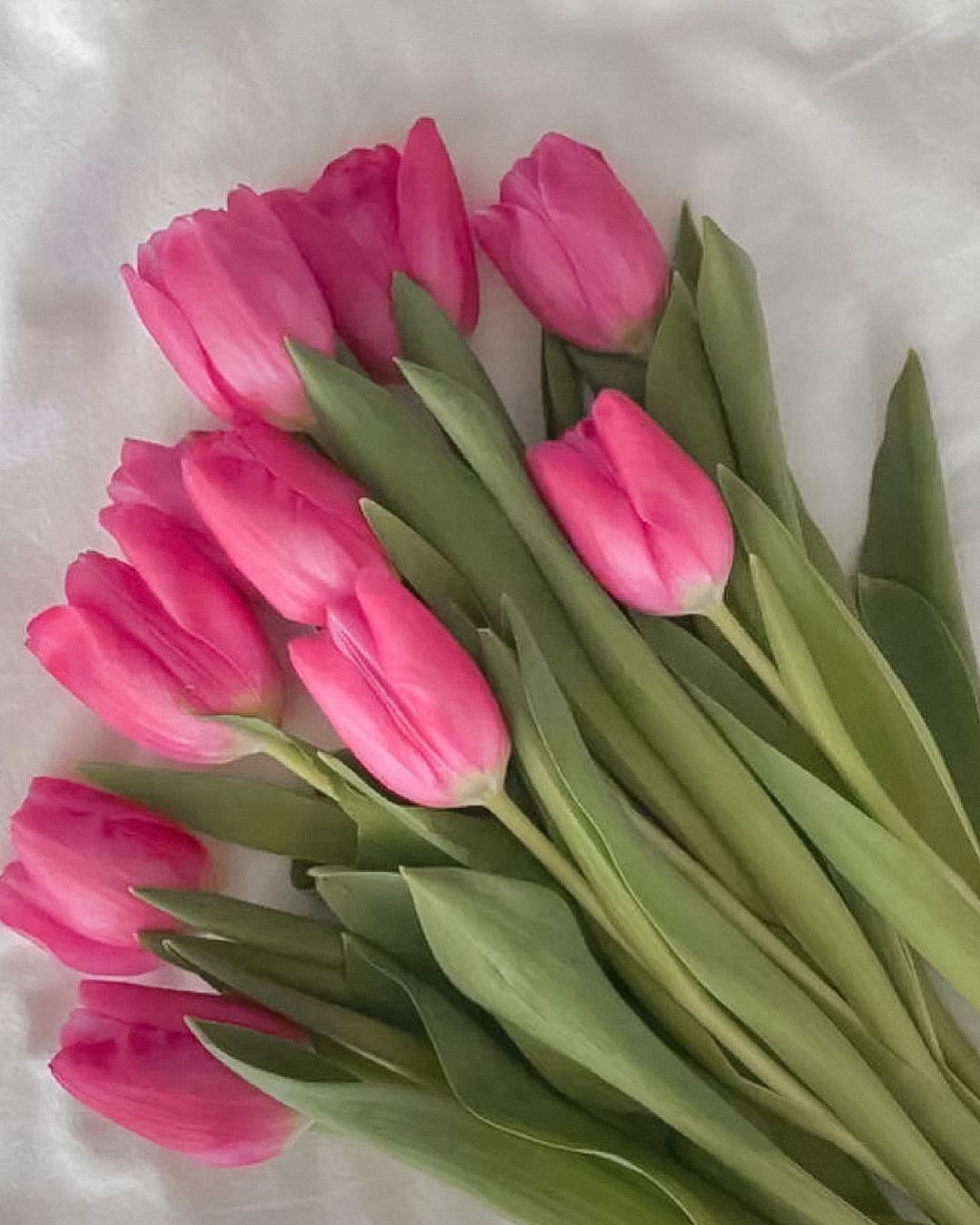
Tulips (Tulipa) represent affection and elegance. While many associate tulips with Holland, they have grown wild in Russia for centuries. Plant tulip bulbs in autumn, about 6-8 inches deep. They need a period of winter cold to bloom properly. After flowering, let the foliage die back naturally before removing it. This allows the bulb to store energy for next year’s bloom.
5. Lilac
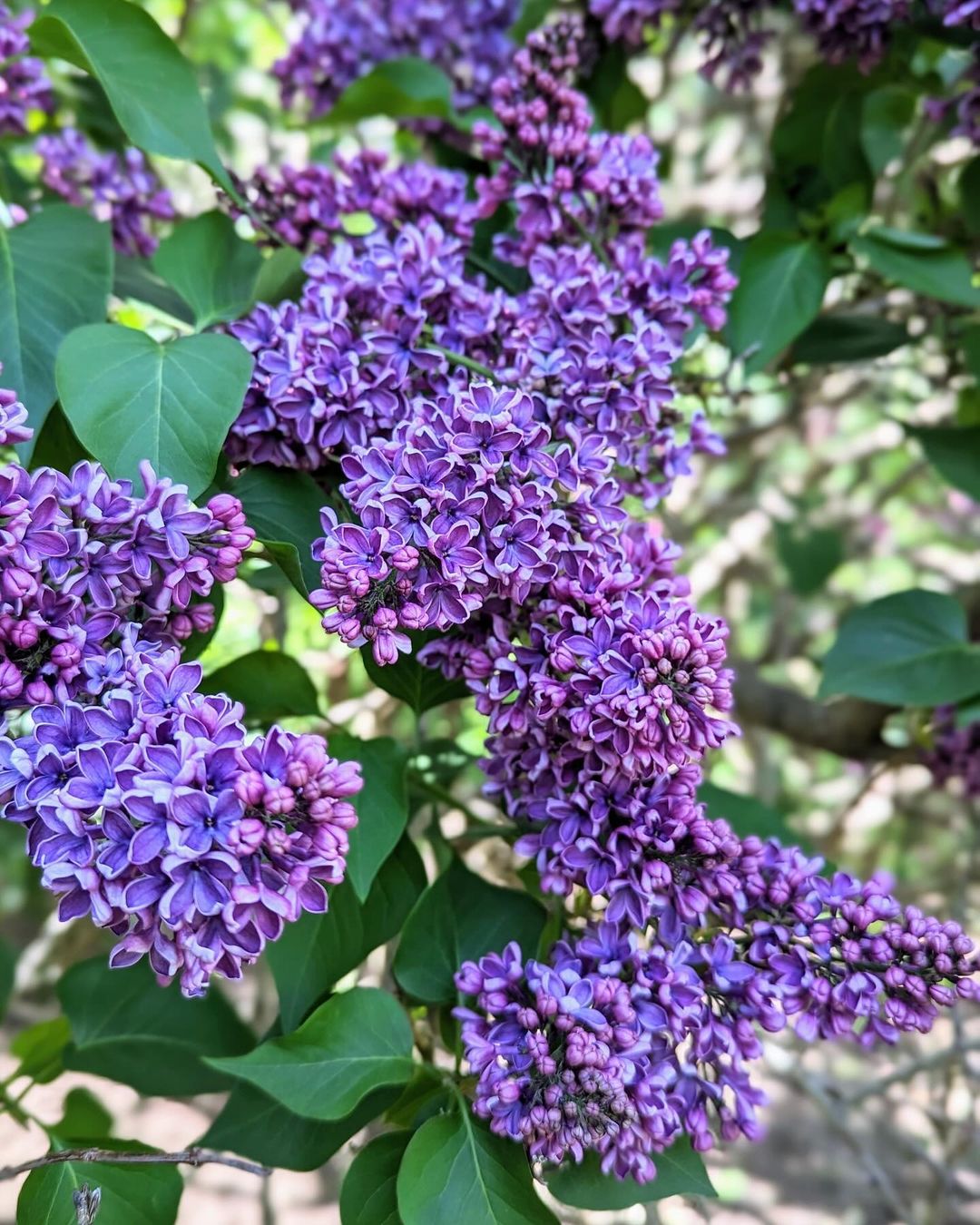
Lilacs (Syringa) symbolize purity and trust in Russian tradition. Their fragrant clusters perfume the air each spring. I have several lilac shrubs bordering my property line. They need full sun and good air circulation to prevent powdery mildew. Prune lilacs immediately after flowering to maintain their shape and encourage blooms for the following year.
6. Poppy
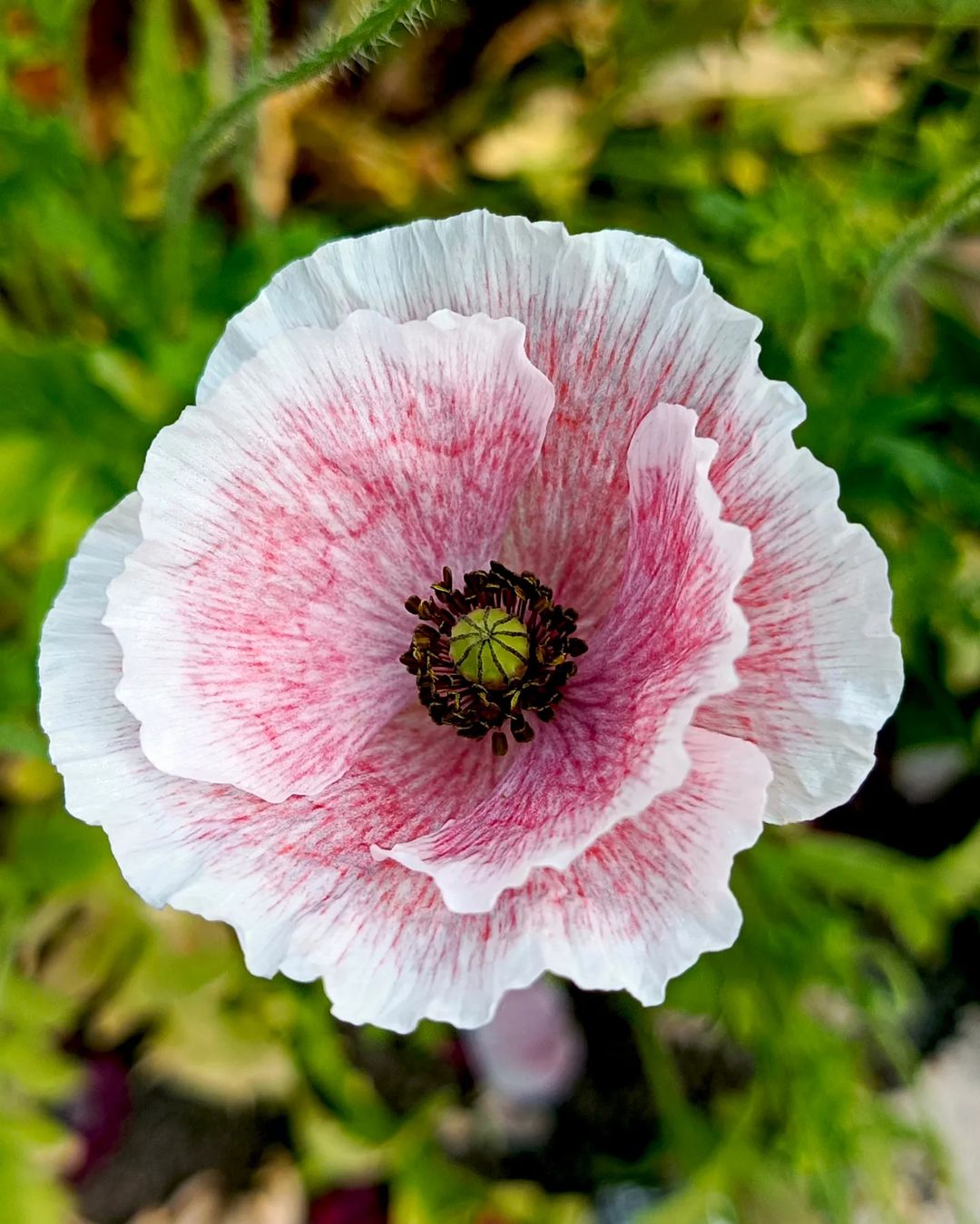
Poppies (Papaver) represent remembrance and happiness. Their bright red petals create stunning visual impact. I grow poppies from seed each year, scattering them in empty garden spots. They need well-draining soil and plenty of sunlight. Poppies do not transplant well, so sow them directly where you want them to grow.
7. Russian Sage
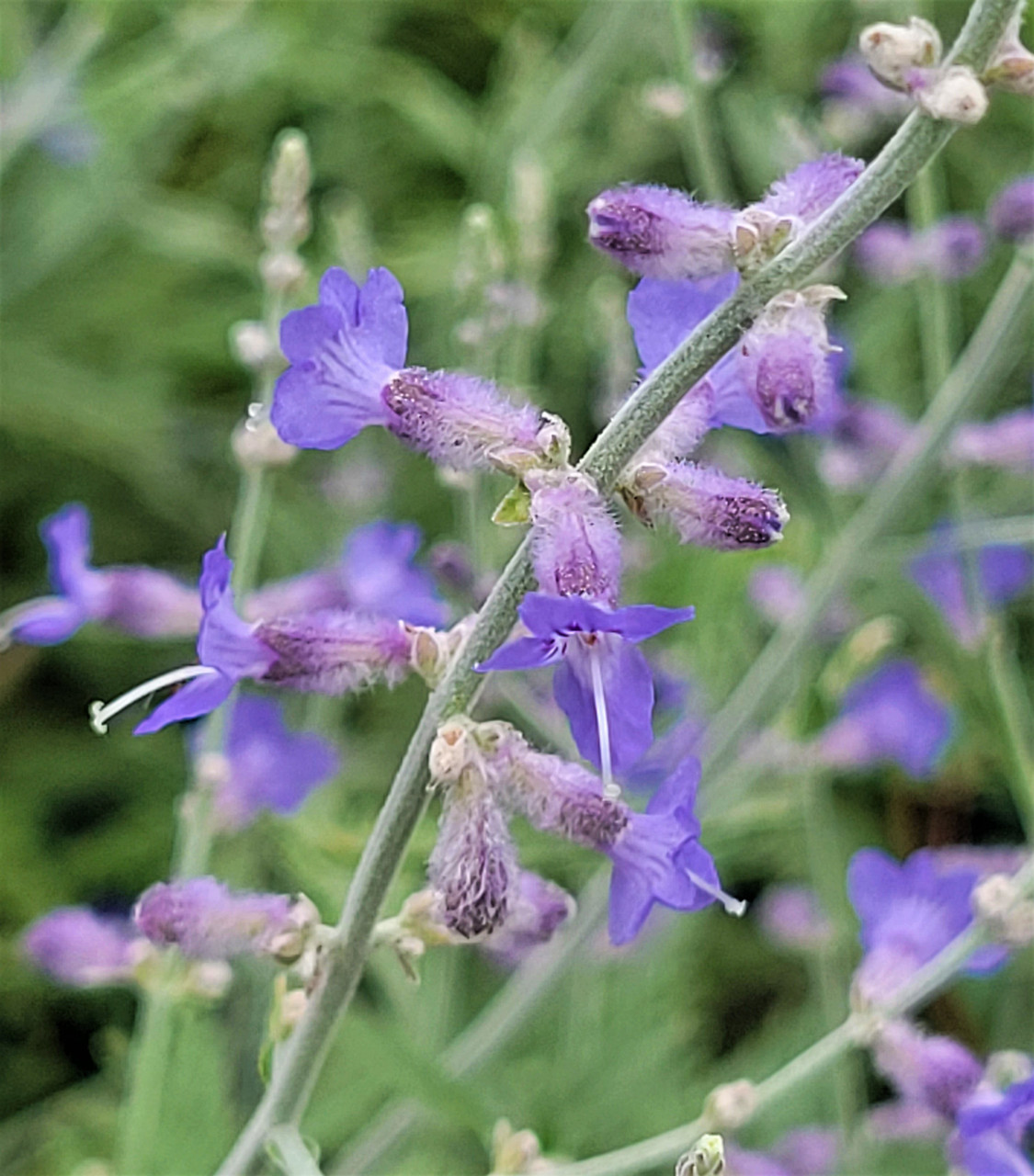
Russian sage (Perovskia atriplicifolia) symbolizes strength and success. This hardy perennial produces airy purple spikes from mid-summer to fall. It is extremely drought-tolerant once established. I use Russian sage as a backdrop for shorter perennials. Cut it back to about 6 inches in early spring before new growth appears.
8. Lily
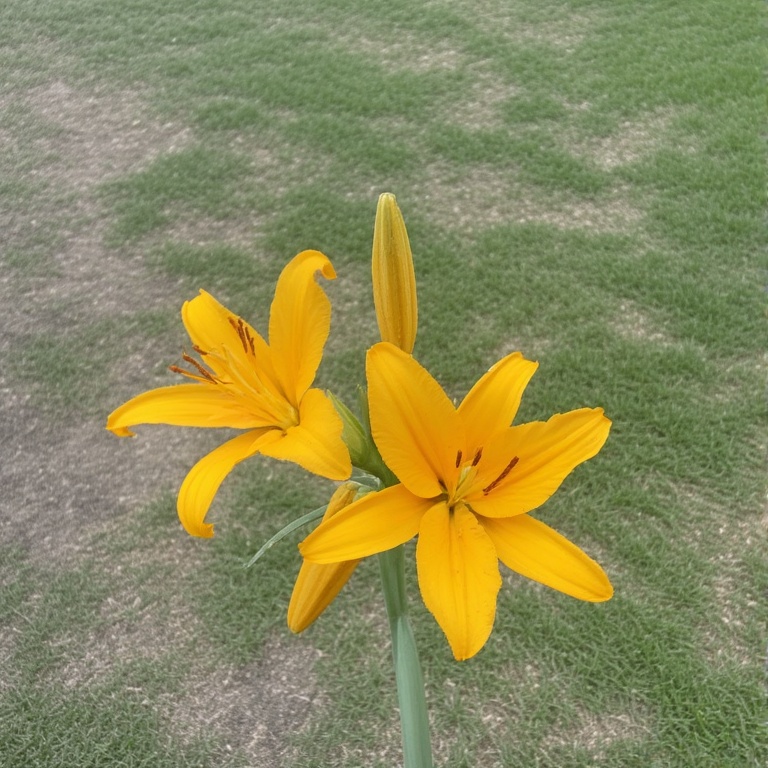
Lilies (Lilium) represent purity and mourning in Russian culture. Their trumpet-shaped flowers add elegance to any garden. Plant lily bulbs in spring or fall, setting them three times deeper than the bulb’s height. They prefer cool roots, so mulch around the base to keep soil temperatures consistent.
9. Lily of the Valley
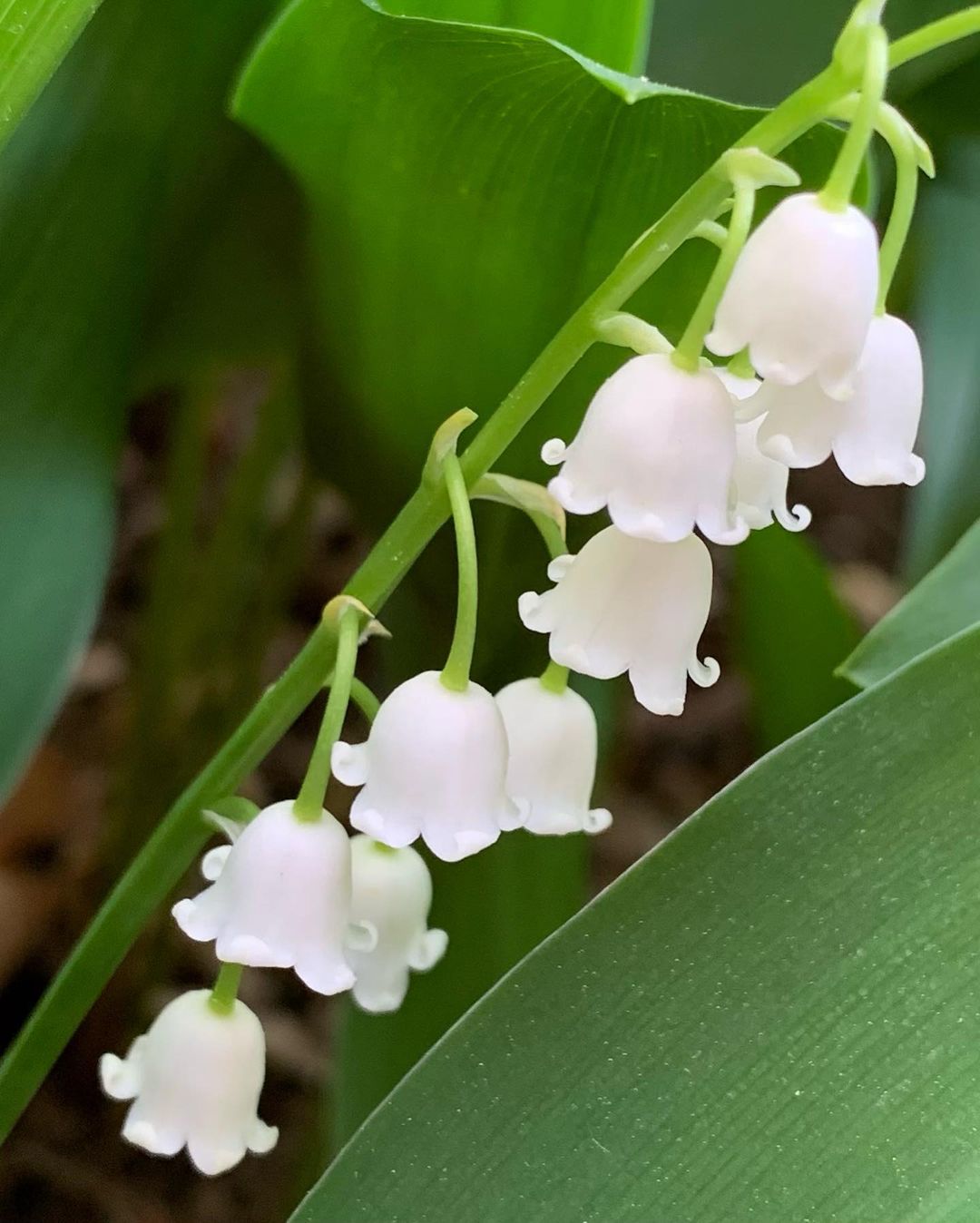
Lily of the Valley (Convallaria majalis) symbolizes luck and happiness. These delicate bell-shaped flowers thrive in shady areas where other plants struggle. I have established a patch beneath my oak trees where they spread steadily each year. They make excellent ground cover in shaded gardens.
10. Crocus
 Colchicum (Autumn “Crocus”)
Crocus (Crocus sativus) represents rebirth and devotion. These are among the first flowers to bloom as winter ends. Plant crocus bulbs in fall about 3-4 inches deep. Squirrels sometimes dig up the bulbs, so cover new plantings with wire mesh for protection until the ground freezes.
11. Azalea
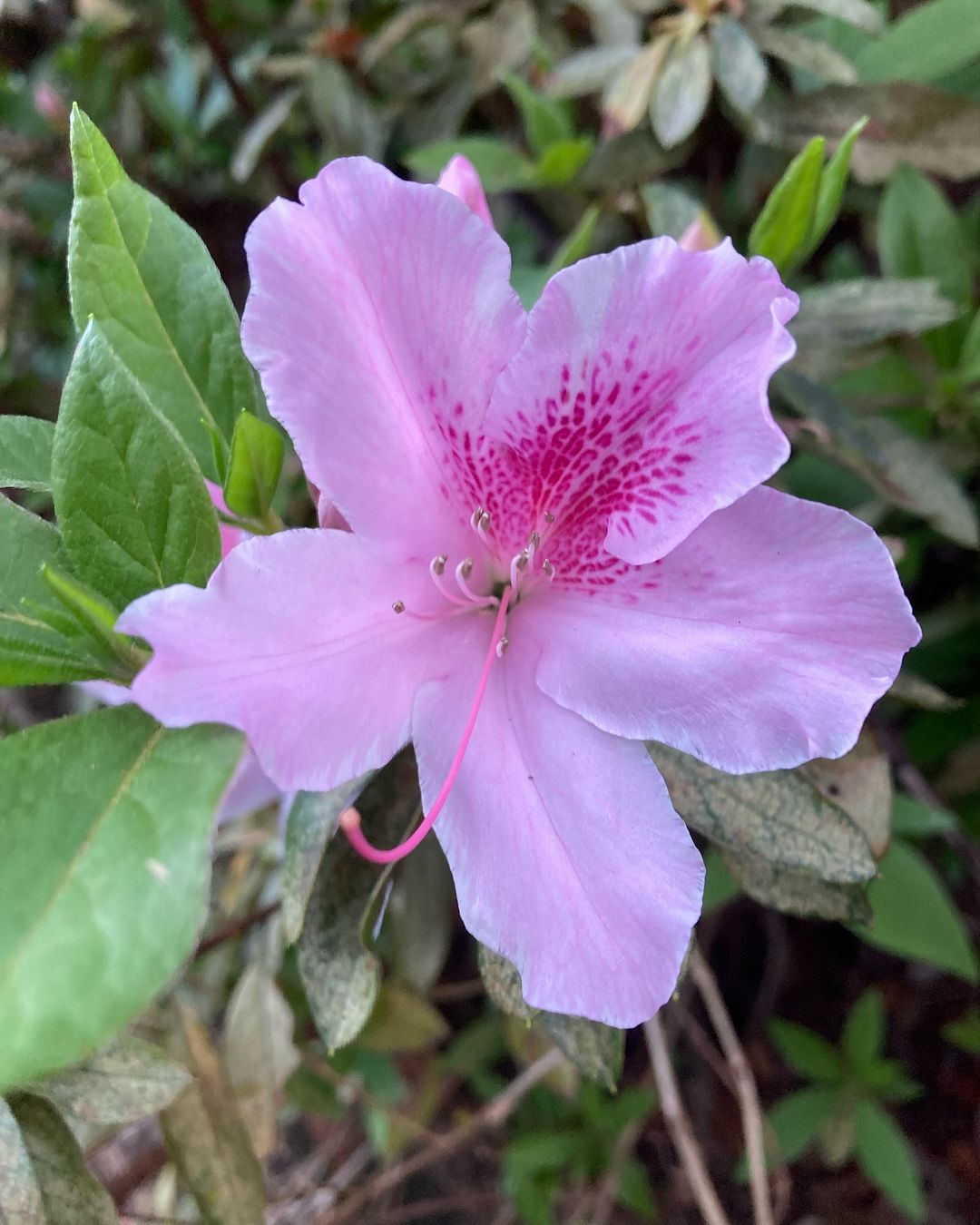
Azaleas (Rhododendron spp.) symbolize temperance and thoughtfulness. These flowering shrubs produce spectacular spring displays. They require acidic soil to thrive. I test my soil pH regularly and add sulfur if needed to maintain acidity. Azaleas have shallow roots, so mulch around them to conserve moisture.
12. Arnica
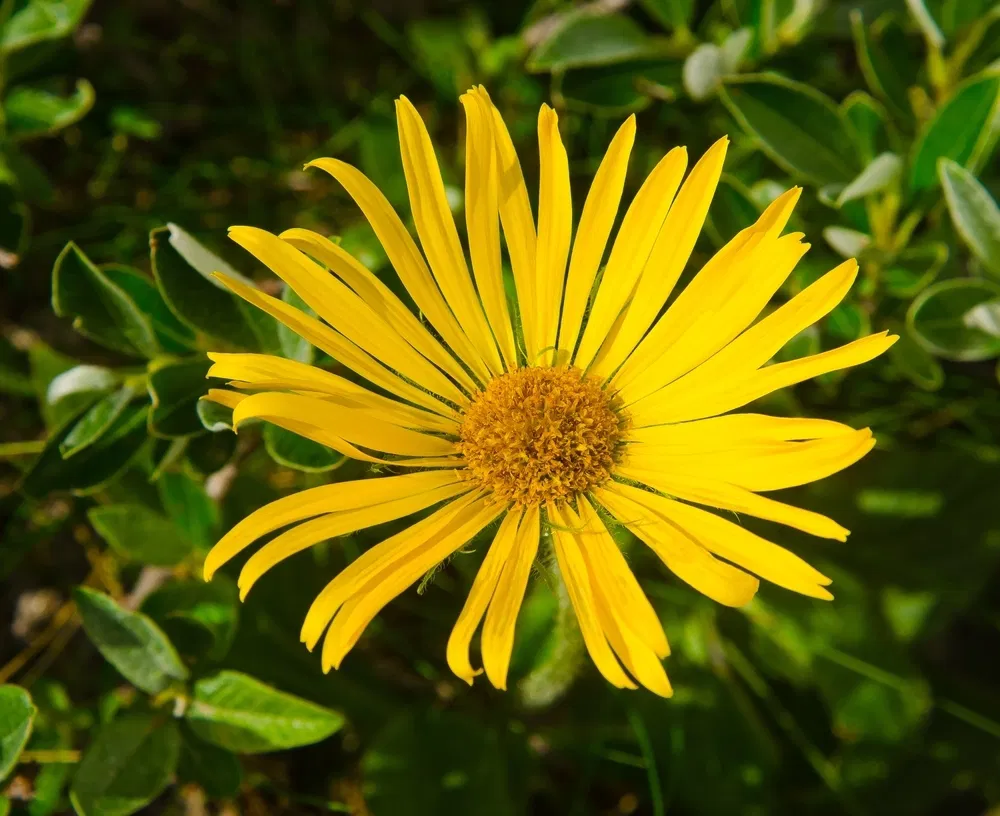
Arnica (Arnica montana) represents protection and strength. This medicinal herb produces cheerful yellow flowers. I grow arnica in my herb garden for its traditional uses. It prefers poor, sandy soil and full sun. Arnica spreads slowly by rhizomes, forming attractive clumps over time.
13. Daisy
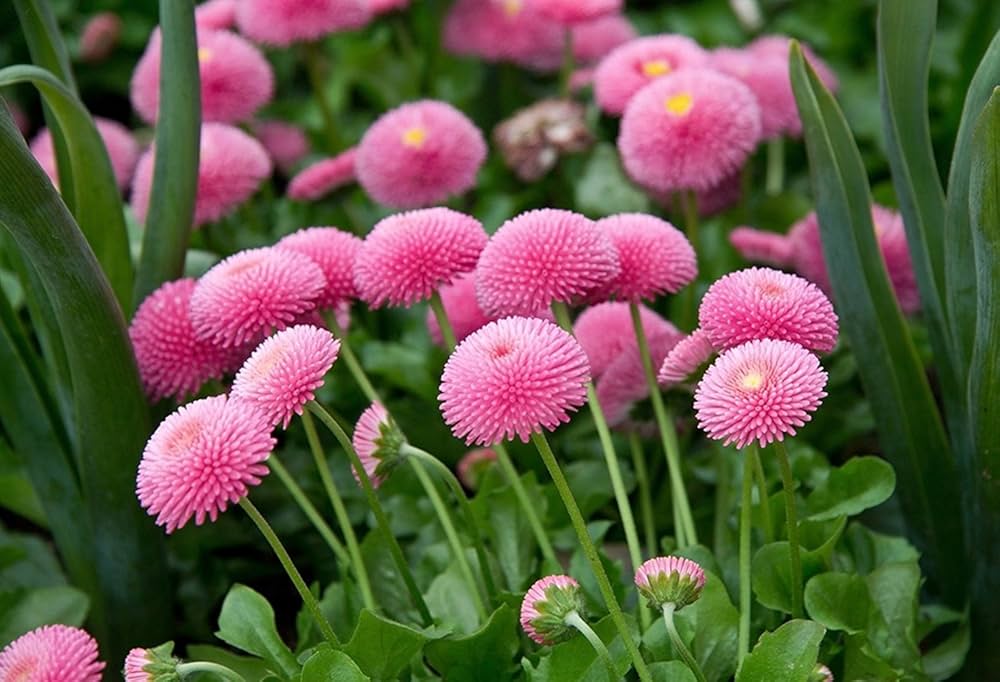
Daisies (Bellis perennis) symbolize honesty and friendship. These cheerful flowers bloom continuously with minimal care. I deadhead them weekly to encourage more flowers. Daisies divide easily in early spring or fall, making them perfect for sharing with gardening friends.
14. Chrysanthemum
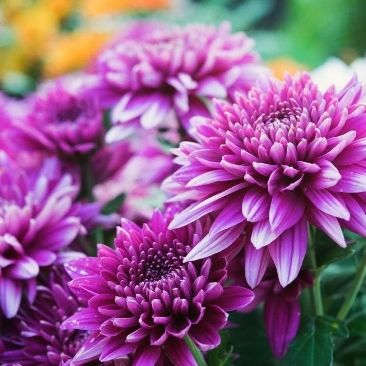
Chrysanthemums (Chrysanthemum spp.) represent honor and loyalty in Russia. These fall-blooming plants provide color when most flowers have faded. Pinch back the stems in early summer to encourage bushier growth and more flowers. I divide my chrysanthemums every two to three years to maintain their vigor. Chrysanthemums : November’s Birth Flower.
15. Fernleaf Peony
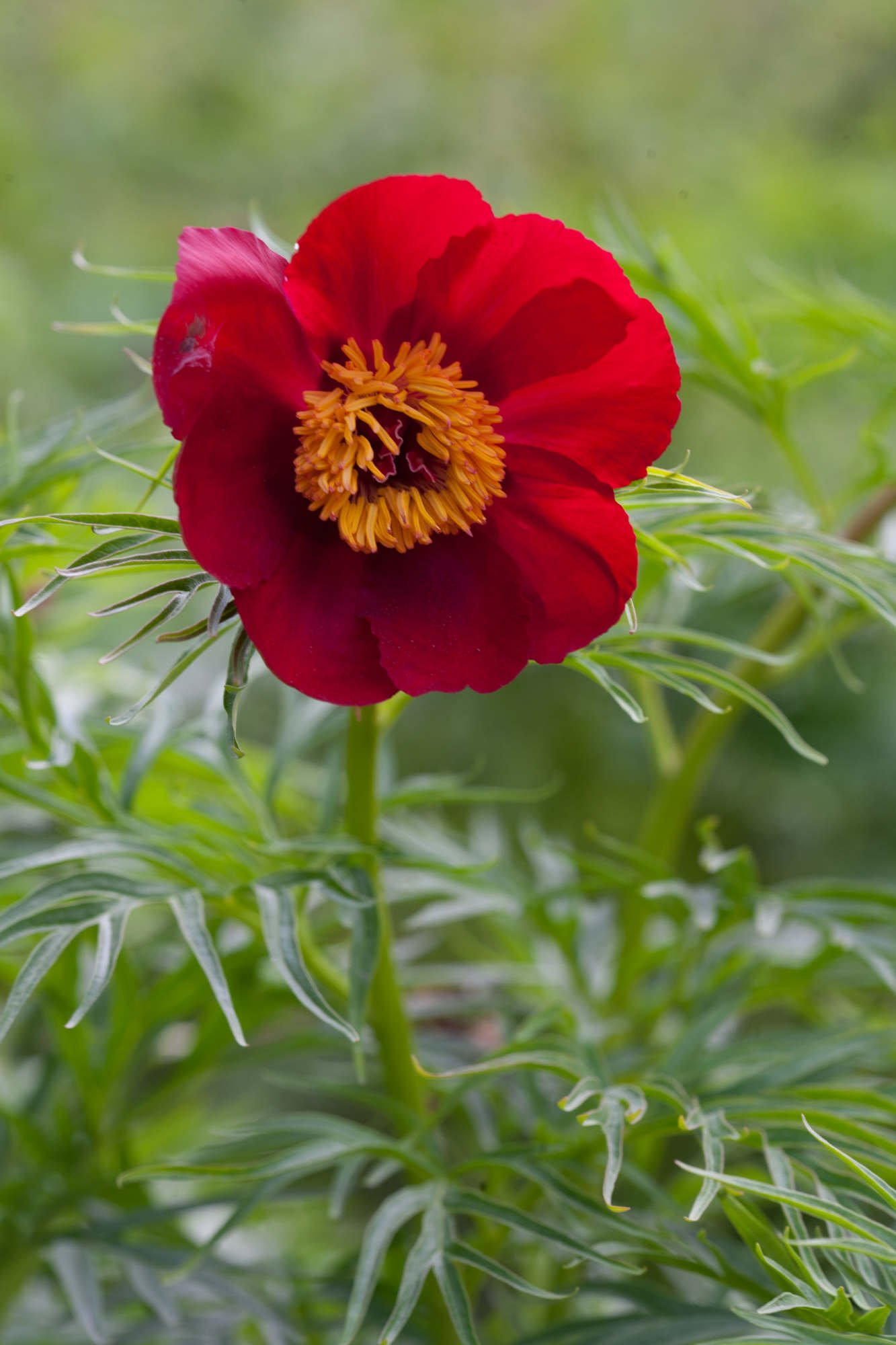
Fernleaf Peony (Paeonia tenuifolia) symbolizes rarity and endurance. This unusual peony variety features delicate fern-like foliage and deep red flowers. It is endangered in its native habitat, making it a special addition to gardens. I grow mine in raised beds with excellent drainage to prevent root rot.
Cultural Significance of Russian Flowers
In Russian culture, flowers communicate unspoken messages. Understanding these meanings helps you appreciate these blooms beyond their visual beauty.
Chamomile holds the honored position as Russia’s national flower. It symbolizes purity and is deeply woven into Russian folklore, songs, and literature. People commonly use it in tea to improve sleep quality.
Color symbolism is very important. While yellow tulips can signify sadness, purple tulips represent elegance. Similarly, red carnations carry deep political and memorial significance, often used to honor fallen soldiers.
Gifting flowers follows specific rules. Russians always give bouquets with an odd number of stems for happy occasions. Even numbers are reserved for somber events like funerals. This is a crucial detail to remember if you ever present flowers to a Russian friend.
How to Grow Russian Flowers: Practical Tips
Based on my gardening experience, Russian flowers perform best when you replicate their native growing conditions. Most are adapted to cold winters and well-drained soil.
Understand Your Climate and Zones
Most Russian flowers thrive in USDA zones 3 through 8, tolerating cold temperatures well. Check your hardiness zone before selecting plants. If you live in a warmer zone (9+), choose heat-tolerant varieties like Russian sage or carnations, and provide afternoon shade.
Soil Preparation and Planting
Well-draining soil is crucial for most Russian flowers. Heavy clay soil should be amended with compost or sand to improve drainage.
Peonies need rich, well-draining soil and should be planted with their “eyes” (buds) no more than 2 inches below the surface. Azaleas require acidic soil, so add peat moss during planting to lower the pH. Chamomile plants should be spaced 8 inches apart for optimal flowering.
Watering and Maintenance
Most established Russian flowers are drought-tolerant. Water deeply but infrequently to encourage strong root development.
Russian sage is extremely drought-tolerant once established and needs minimal watering. Poppies benefit from deadheading (removing spent blooms) to redirect nutrients and promote new growth. Tulips need a period of winter dormancy with cold temperatures to bloom successfully the following year.
Russian Flower Garden Design Ideas
Creating a themed garden with Russian flowers adds cultural richness to your landscape. Here are a few design concepts you can try.
The Cottage Garden Mix
Combine chamomile, daisies, and lilacs for a traditional cottage garden feel. This informal style features dense plantings and a mix of colors and textures. Add some ornamental grasses for movement and structure.
The Symbolic Border
Design a flower border based on cultural meanings. Plant peonies for honor and good fortune near your entrance, chrysanthemums for loyalty along pathways, and lilies of the valley for luck in shaded areas.
Low-Maintenance Drought Garden
Russian sage, arnica, and fernleaf peonies create a beautiful, water-wise garden. These tough plants thrive in full sun and poor soil, making them perfect for challenging, dry areas of your landscape.
Frequently Asked Questions
What is the most popular flower in Russia?
Chamomile is Russia’s national flower and holds deep cultural significance. It appears frequently in folklore, songs, and traditional medicine.
Can I grow Russian flowers in containers?
Yes, many Russian flowers adapt well to container gardening. Autumn crocus, chamomile, and smaller lilac varieties can thrive in pots with proper drainage and care.
Are there any rare Russian flowers I should know about?
The fernleaf peony, with its fine foliage and dark red blooms, is considered endangered in its native habitat. The Lady’s Slipper Orchid is another rare and protected species in Russia.
Final Thoughts
Russian flowers bring exceptional beauty, rich history, and remarkable resilience to gardens. By understanding their meanings and growing needs, you can successfully incorporate these stunning plants into your own landscape. They offer a unique way to connect with global gardening traditions while enjoying dependable blooms season after season.
Have you grown any Russian flowers in your garden? I would love to hear about your experiences. For more gardening insights, explore my other plant guides on USAGardenHub.com.