
As a gardening enthusiast with 10 years of experience, I share the best plants for allergies and asthma that naturally purify air and ease symptoms. Discover indoor plants that help with allergies like the snake plant for allergies and more to create a sneeze-free space.
Hey there, fellow gardeners and allergy sufferers! I’m Ashley Scott, and I’ve been digging in the dirt for over 10 years now. Running my site at USA Garden Hub, I’ve helped countless folks in the USA turn their yards and homes into green havens. But let me tell you, allergies used to be my biggest enemy in the garden. I remember sneezing my way through spring cleanups, eyes watering like crazy from pollen. That’s when I dove deep into researching plants that help reduce allergies. Turns out, the right greenery can actually fight back against those pesky symptoms. In this article, I’ll share my top picks, backed by real experiences and solid info. We’ll cover how these plants work their magic, care tips, and even some warnings about the worst indoor plants for allergies. Let’s get started – and hopefully, you’ll breathe a little easier by the end.
Why Plants Matter for Allergy Relief
You might think plants and allergies don’t mix, but hear me out. Many of us deal with stuffy noses, itchy eyes, or even asthma flares from dust, pollen, and indoor pollutants. The good news? Certain plants that help reduce allergies act like natural air filters. They pull in toxins like formaldehyde and benzene – stuff that can worsen your symptoms – and release clean oxygen. Plus, they trap dust and dander on their leaves, keeping the air fresher.
From my own trials, adding these to my home cut down my allergy meds big time. Studies show houseplants can improve indoor air quality, which is huge for folks with allergies and asthma. For instance, NASA’s famous clean air study highlighted how plants scrub the air. And if you’re hunting for a natural antihistamine for itching or sinus relief, some plants have compounds that calm inflammation naturally.
But not all plants are friends. Avoid high-pollen ones like ferns or palms that shed a lot – they can make things worse. Stick to low-pollen, air-purifying champs, and you’ll see the difference. If you’re new to this, check out my guide on indoor plants for low-light spaces for easy starters.
How Do These Plants Fight Allergies?
Before we jump into my list, let’s chat about the science – in simple terms, I promise. Best plants for allergies and asthma often come from NASA’s list of air purifiers. They remove volatile organic compounds (VOCs) that irritate airways. Some, like those with broad leaves, catch allergens before they float around. Others have natural antihistamine properties from their extracts, helping with herbs for allergies and sinus issues.
In my experience, placing a few in bedrooms or living rooms made nights less stuffy. One time, during a bad pollen season, my snake plant seemed to soak up the irritants – I woke up without that usual congestion. Experts agree: Low-allergen plants can reduce symptoms by improving humidity and filtering air. For outdoor spots, choose insect-pollinated varieties to cut wind-blown pollen.
If you’re dealing with itching or sinus woes, look into plant-based remedies like stinging nettle tea – it’s a powerhouse natural antihistamine. But always chat with a doc first.
My Top 6 Plants That Help Reduce Allergies
After years of testing in my own garden and home, here are my favorites. I picked these for their ease, effectiveness, and low maintenance. Each one has helped me or my readers battle allergies. I’ll include benefits, care tips, and a personal story for each.
1. Snake Plant: The Ultimate Bedroom Buddy
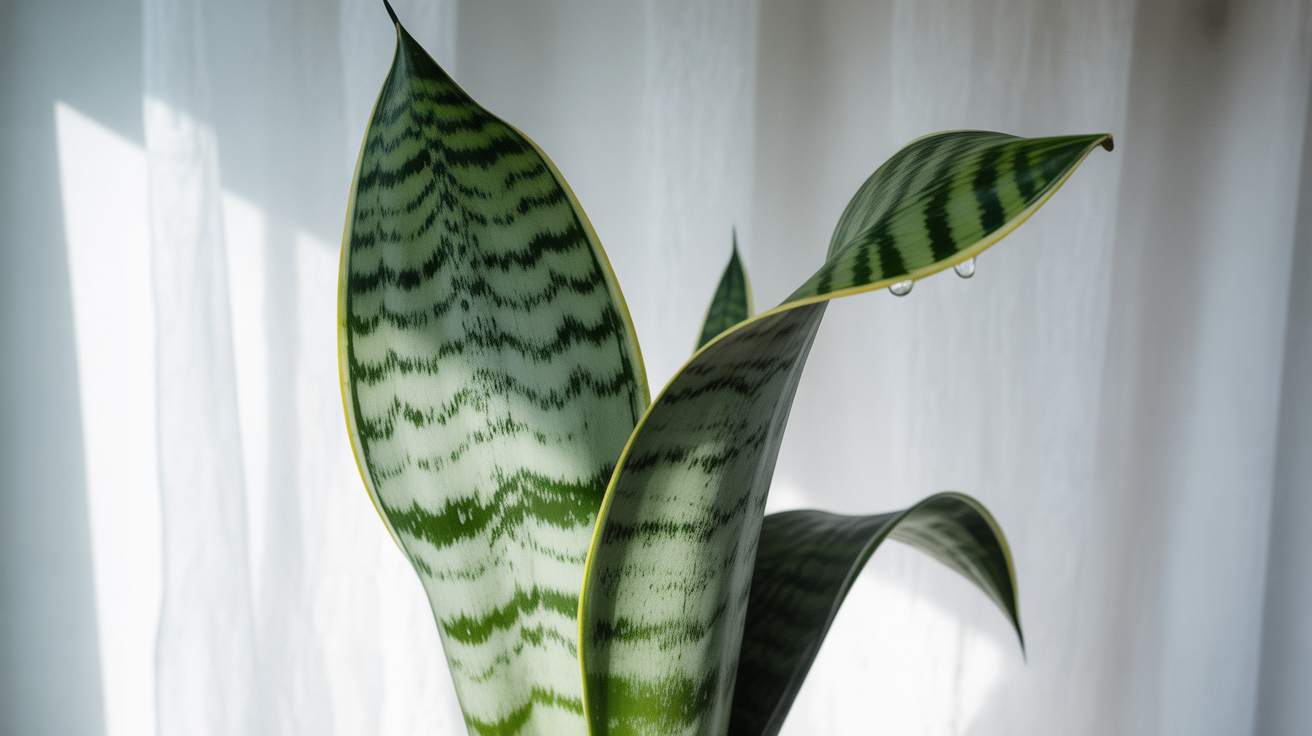
The snake plant for allergies is my go-to recommendation. Also called mother-in-law’s tongue, it releases oxygen at night, which is perfect for better sleep without stuffiness. It filters out toxins like benzene and traps dust on its tall, sword-like leaves – no pollen issues here.
Benefits for Allergies: Great for indoor plants that help with allergies as it purifies air and reduces asthma triggers. Wipe the leaves weekly to keep it working hard.
Care Tips: Thrives in low light, water every 2-3 weeks. It’s tough – survives neglect like a champ.
I put one in my bedroom during a rough allergy flare-up. Within days, my sinus headaches eased. If you’re starting out, pair it with tips from my natural air quality boosters article.
For more on air-purifying plants, see this University of Georgia study.
2. Spider Plant: The Hanging Hero
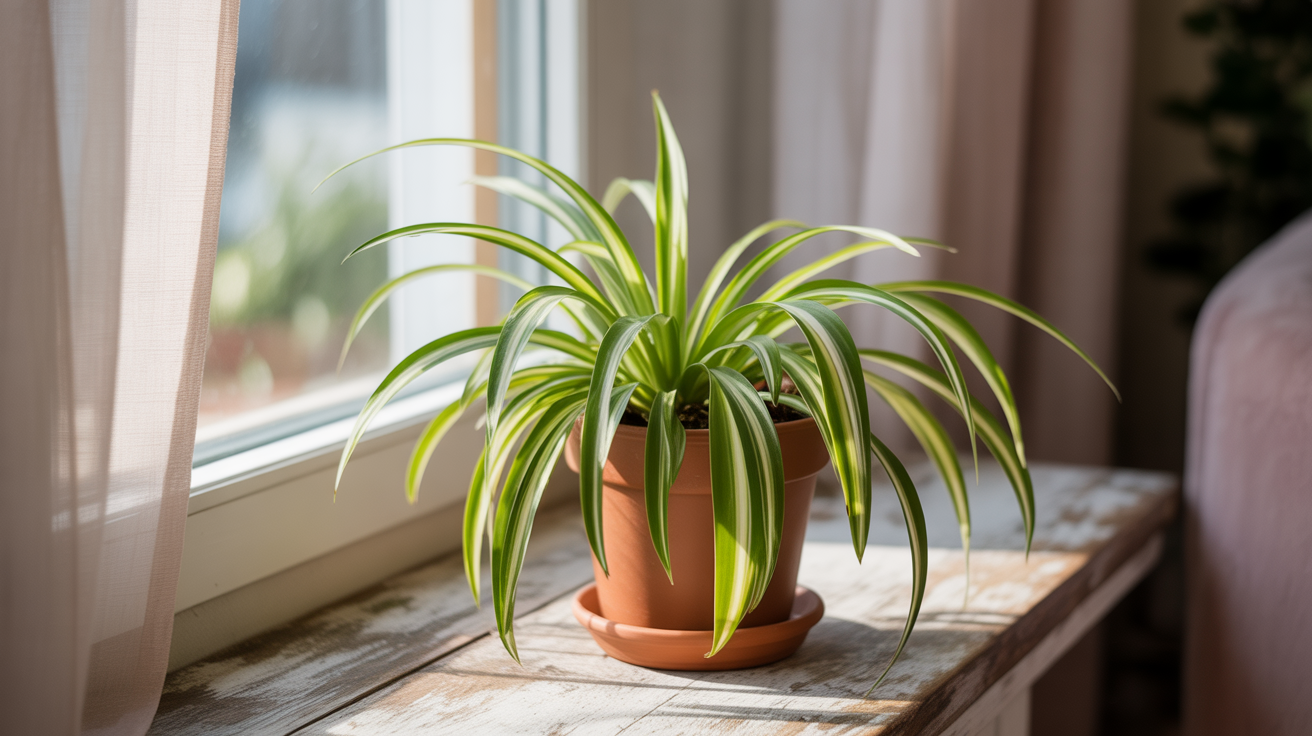
Spider plants are fun with their cascading “babies” – and they’re allergy warriors. They remove formaldehyde and xylene from the air, common irritants in homes. Low pollen, and their leaves snag airborne particles.
Benefits for Allergies: Ideal as best plants for allergies and asthma because they humidify dry air, soothing itchy throats and sinuses.
Care Tips: Bright indirect light, water when soil dries. Propagate the offsets for free plants!
Hanging one in my kitchen helped during cooking fumes that used to trigger my allergies. It’s like a natural filter. Readers love it for offices too.
Check out Mayo Clinic’s tips on reducing indoor allergens for more context.
3. Peace Lily: The Elegant Air Cleaner
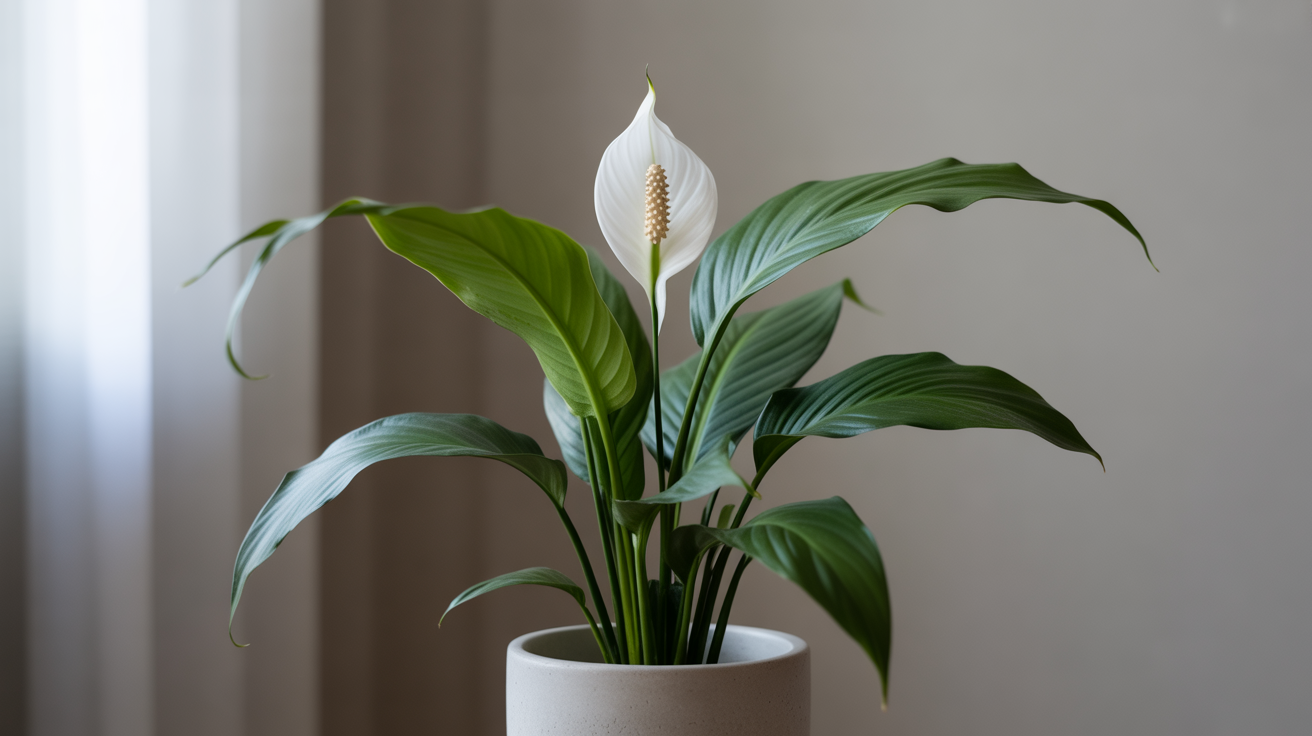
Peace lilies are pretty with white blooms, but don’t worry – their pollen is minimal and doesn’t spread much. They excel at removing mold spores and VOCs, which can worsen allergies and sinus problems.
Benefits for Allergies: As one of the best outdoor plants for allergies and asthma (in shaded spots), it boosts humidity to ease dry-air irritation. Great for itching relief by keeping air moist.
Care Tips: Medium light, keep soil moist but not soggy. Droops when thirsty – easy signal!
I added one to my bathroom, where mold was an issue. It cut my sneezing fits in half. Just be careful if you have pets – it’s toxic to them.
For herbal angles, explore UF/IFAS on medicinal plants.
4. Bamboo Palm: The Tropical Filter
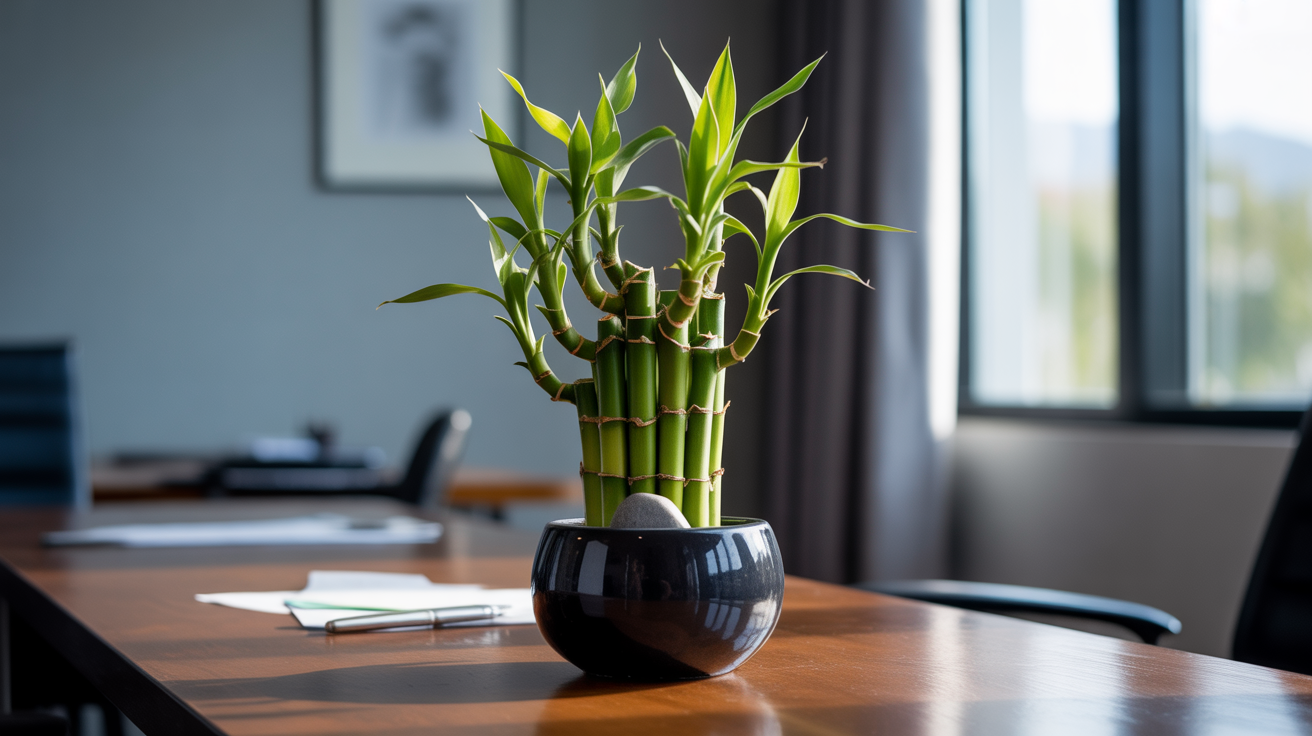
Bamboo palms add a vacation vibe while filtering ammonia and other toxins. They’re pet-friendly and produce no airborne pollen, making them safe for allergy homes.
Benefits for Allergies: Humidifies air, reducing itching from dryness. Perfect for natural antihistamine effects through better moisture levels.
Care Tips: Bright indirect light, water regularly. Mist leaves for extra humidity.
In my living room, it helped during winter when heaters dried everything out. My asthma improved noticeably. If you’re outdoorsy, try my gardening for allergy relief guide.
WebMD has great info on best vs. worst plants.
5. Chinese Evergreen: The Low-Maintenance Gem
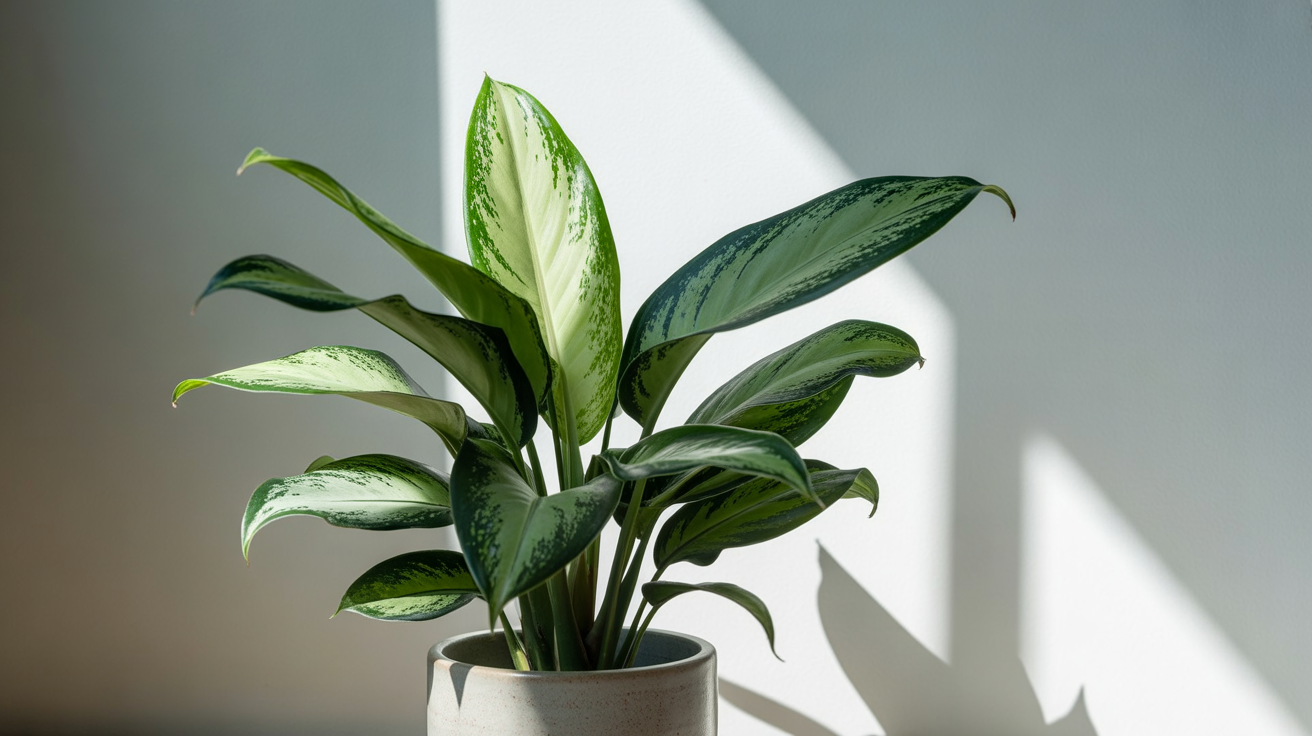
With colorful leaves, Chinese evergreens trap dust and purify air without fuss. They’re slow growers, so less mess from shedding.
Benefits for Allergies: Filters pollutants linked to sinus issues. Low pollen makes it a top indoor plant that helps with allergies.
Care Tips: Any light level, water sparingly. Forgiving for beginners.
I gifted one to a friend with bad allergies – she said it transformed her office. For me, it sits in a dim corner, quietly doing its job.
Harvard discusses tree pollen, but indoor plants like this avoid those woes.
6. Pothos: The Trailing Wonder
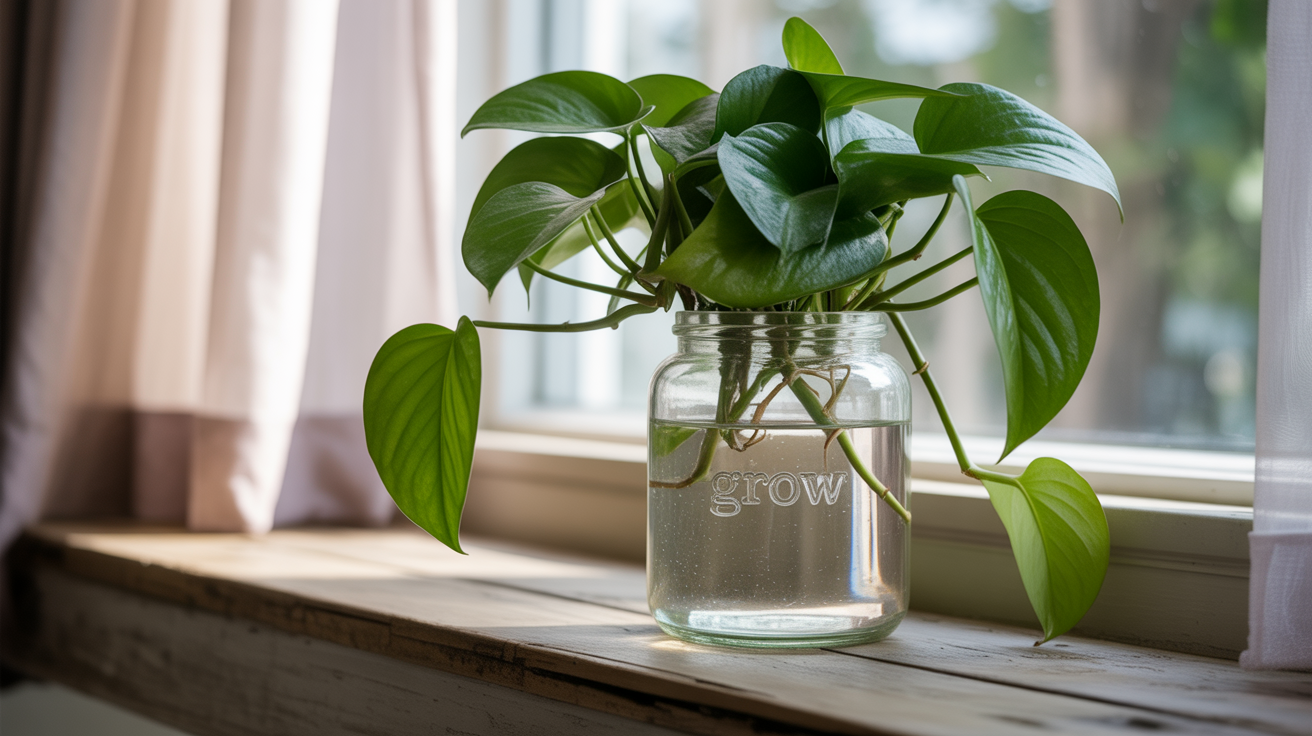
Pothos, or devil’s ivy, is nearly indestructible. It removes toxins and thrives in hanging baskets, keeping allergens grounded.
Benefits for Allergies: Great for best plants for allergies and asthma as it cleans air fast. No flowers mean no pollen.
Care Tips: Low to bright light, water when dry. Snip vines to encourage growth.
Trailing from my bookshelf, it helped during a dusty renovation. My eyes stopped itching so much. Easy to share cuttings with neighbors.
For natural remedies, Medical News Today covers antihistamine plants.
Indoor vs. Outdoor: Tailoring Plants to Your Space
Indoors, focus on indoor plants that help with allergies like the ones above – they handle low light and purify confined air. Outdoors, opt for best outdoor plants for allergies and asthma such as succulents or cacti, which produce little pollen. In my USA backyard, I mix them for year-round relief.
Avoid worst indoor plants for allergies like ferns (mold magnets) or ficus (latex allergens). Instead, combine plants for max effect – a snake plant with a pothos duo works wonders.
Boosting Relief with Natural Antihistamines
Some plants double as herbs for allergies and sinus. Stinging nettle, for example, is the strongest natural antihistamine I’ve tried – brew it into tea for itching relief. Quercetin-rich onions or butterbur also help, but grow them carefully.
In my garden, I harvest nettle for homemade remedies. It’s empowering to fight allergies with what you grow.
Wrapping Up: Start Your Allergy-Free Garden Today
There you have it – my top 6 plants that help reduce allergies, straight from 10 years of hands-on experience. Whether it’s the trusty snake plant or a graceful peace lily, these can make a real difference. Remember, combine them with good habits like regular dusting and ventilation for best results.
If allergies hit hard, see a doctor – plants are helpers, not cures. Ready to green up? Head to USA Garden Hub for more tips. What’s your favorite allergy-fighting plant? Drop a comment below – I’d love to hear!