
Discover 6 powerful predatory garden insects that devour pests naturally! Learn how to attract ladybugs, lacewings & more for a healthy, chemical-free garden. Expert tips from Ashley Scott.
Hey there, fellow plant lovers! Ashley Scott here from USA Garden Hub. After a decade of digging in the dirt, battling aphid invasions, and wrestling with tomato hornworms, I’ve learned one powerful truth: the best pest control often wears six legs and a tiny set of mandibles. Forget harsh sprays that harm more than help. Nature has its own elite squad of predatory garden insects ready to work for you, feeding on the bugs that destroy your plants. Let me introduce you to my top six garden heroes.
Why Release Predatory Bugs? It’s Smarter Than Spraying!
Think about it. Those chemicals that are used to get rid of insects that eat plants and crops? They’re called pesticides, and they’re blunt instruments. Sure, they might zap that aphid colony today, but they also wipe out the ladybug larvae that would have eaten them tomorrow and next week. They harm bees, butterflies, soil life, and even us. Pest eating by beneficial bugs is targeted, continuous, and free! It’s about building a balanced ecosystem, not waging chemical warfare. I learned this the hard way early on – killing the good guys just meant the bad guys bounced back faster and stronger. No thanks!
Here’s Your A-Team: 6 Predatory Powerhouses
These aren’t just bugs; they’re your partners in growing a healthy, vibrant garden. I’ve watched each of these in action in my own plots:
1. Ladybugs (Lady Beetles): The Aphid Assassins
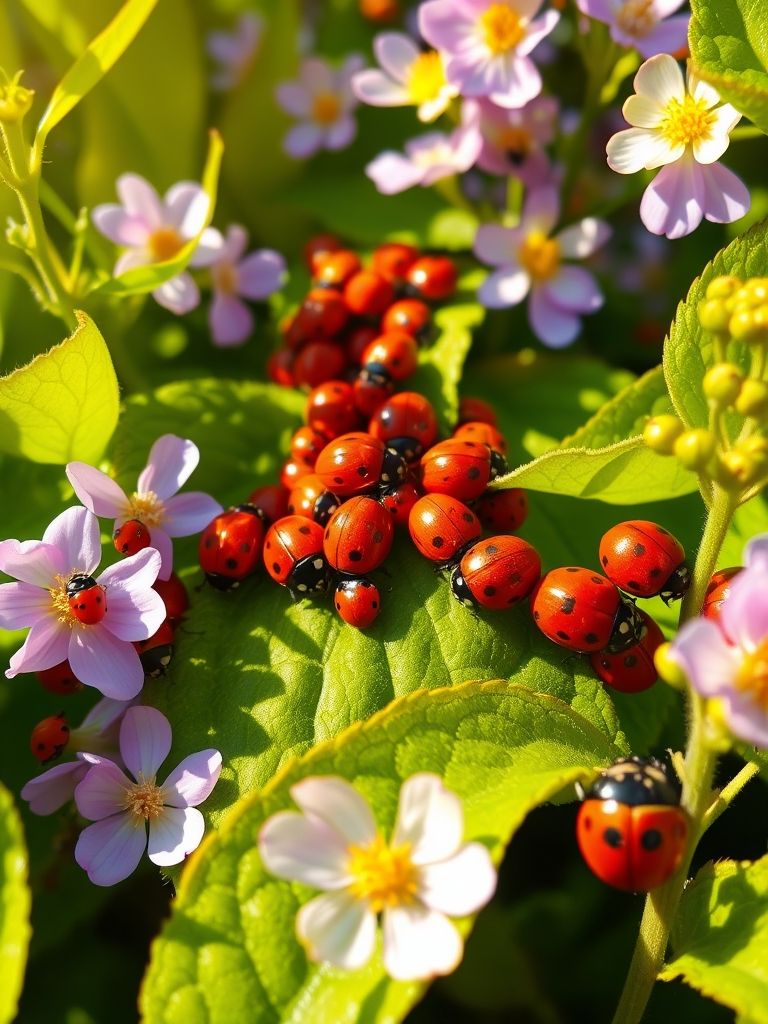
What They Eat: Primarily aphids (their absolute favorite!), but also scale, mites, mealybugs, and small insect eggs. A single ladybug larva can eat 400+ aphids before pupating!
Why I Love Them: They’re iconic for a reason! Both the charming adults and the fierce, alligator-like larvae are voracious. I remember one year my roses were absolutely coated in aphids. I released a batch of ladybugs near dusk, and within days, the infestation was gone. Pure magic.
Attract Them: Plant dill, fennel, yarrow, calendula, and cosmos. Avoid broad-spectrum sprays! Learn more about creating beneficial insect habitats in my guide on attracting pollinators naturally.
2. Green Lacewings: The “Aphid Lions” (Don’t Let the Name Fool You!)
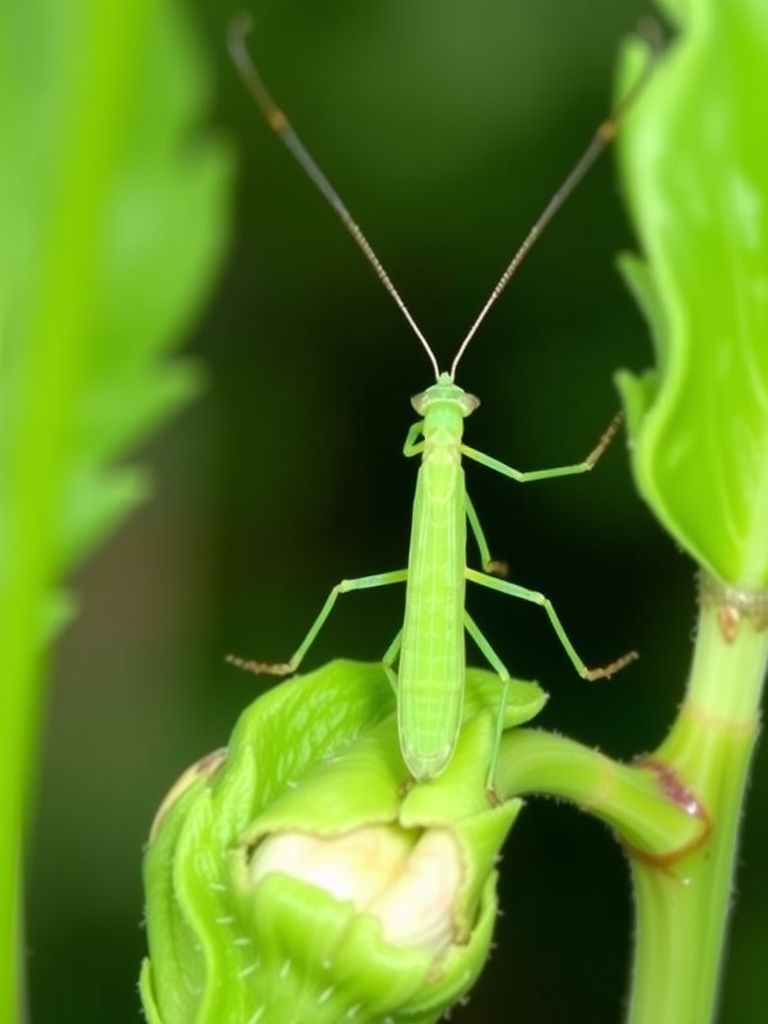
What They Eat: Aphids (majorly!), thrips, spider mites, mealybugs, whiteflies, small caterpillars, even insect eggs. The larvae are the real predators – incredibly efficient.
Why I Love Them: These delicate-looking adults lay eggs on hair-like stalks. But the larvae? They’re tiny terrors! I call them the vacuum cleaners of the bug world. They move constantly, tapping leaves with their jaws, sucking the life out of any soft-bodied pest they find. Super effective for greenhouse pests too.
Attract Them: Provide pollen and nectar sources like sweet alyssum, dill, angelica, and coreopsis. They love tall grasses for shelter.
3. Minute Pirate Bugs: The Tiny But Mighty Thrips Terminators
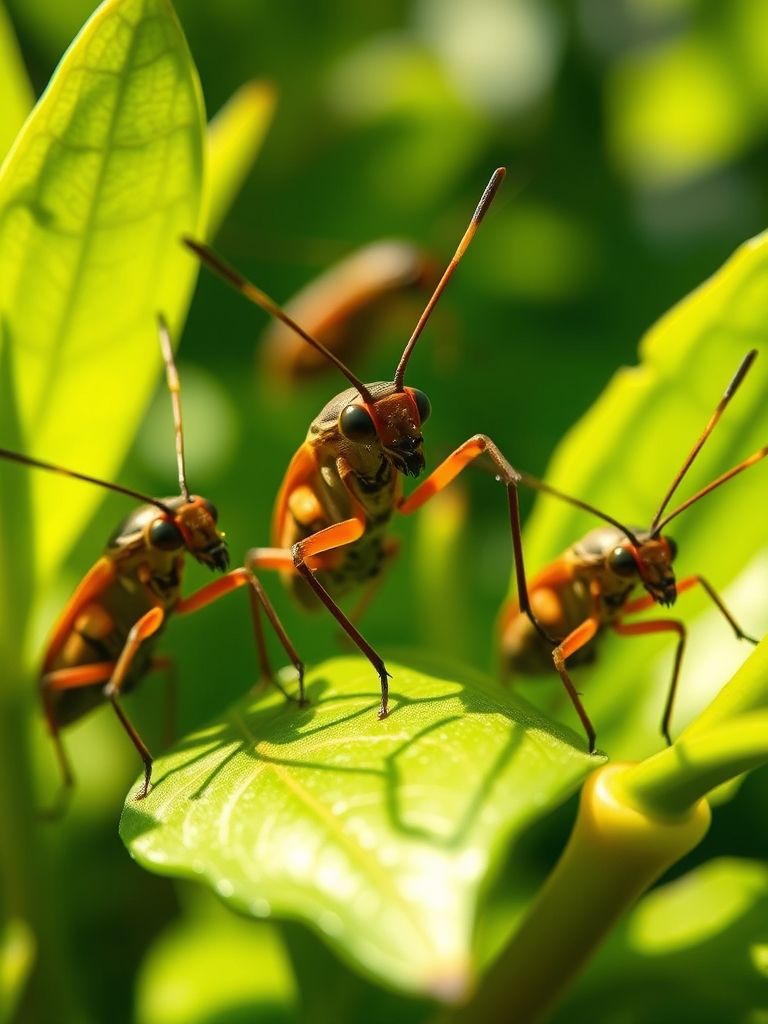
What They Eat: Thrips (their specialty!), spider mites, aphids, small caterpillars, insect eggs, even other small pests. They pierce their prey and suck out the insides.
Why I Love Them: Don’t let their size (about 1/8 inch!) fool you. These little black-and-white bugs are aggressive hunters, constantly on the prowl. They’ve been absolute lifesavers for my peppers and onions when thrips try to move in. They work fast.
Attract Them: Plant diverse flowering plants, especially those with small blooms like caraway, cosmos, marigolds, and daisies. They need consistent pollen sources.
4. Ground Beetles: The Nighttime Ninjas
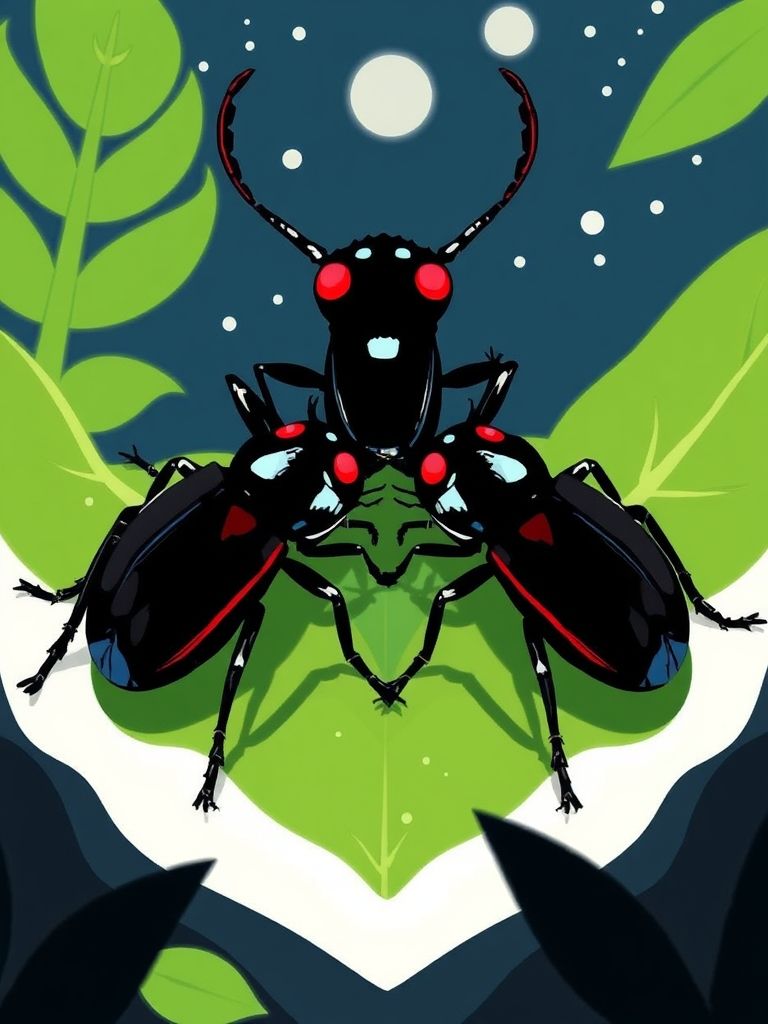
What They Eat: Slugs, snails, cutworms, root maggots, Colorado potato beetle larvae, cabbage maggot pupae, and other soil-dwelling pests. Some also eat weed seeds!
Why I Love Them: These sleek, often dark-colored beetles (ranging from small to surprisingly large) patrol the soil surface at night. I rarely see them, but I know they’re working because I find fewer chewed seedlings and slug trails. They’re essential for below-ground defense.
Attract Them: Provide permanent ground cover (like clover paths or perennial beds), mulch (gives them hiding spots), rocks, or boards for shelter during the day. Avoid tilling excessively. Check out the University of Minnesota Extension’s great info on beneficial insects in the home garden.
5. Hoverflies (Syrphid Flies): The Pollinator Predators
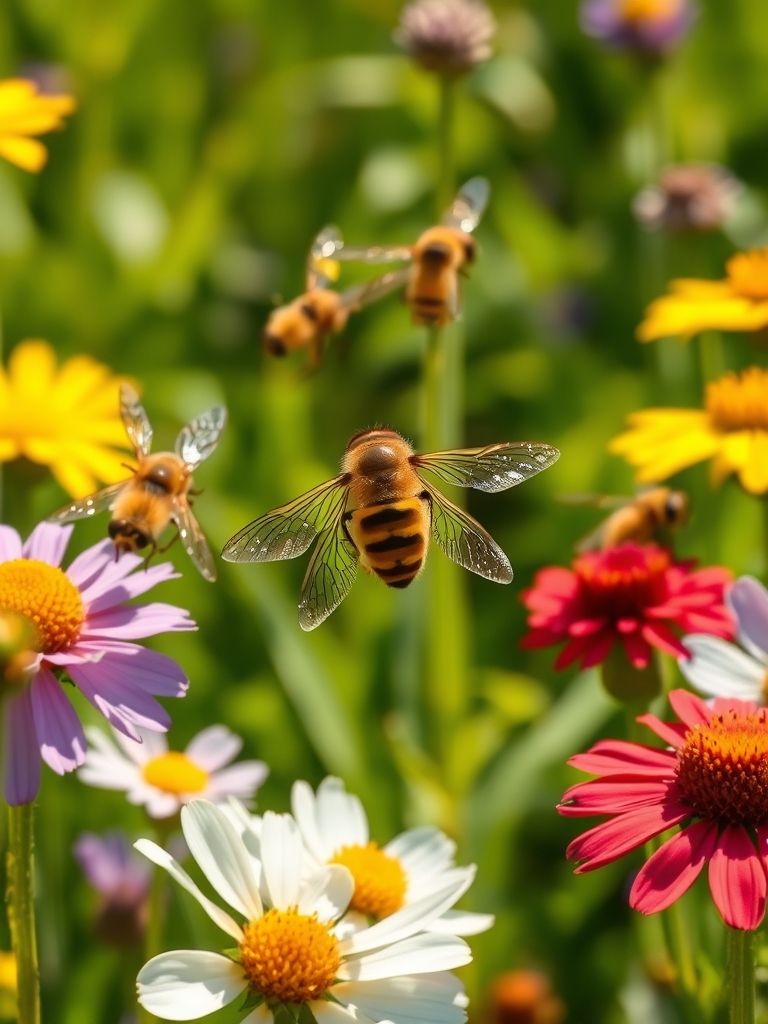
What They Eat: Aphids (primarily!), thrips, small caterpillars. The larvae are the predators; the adults are important pollinators.
Why I Love Them: Two benefits in one! The adults look like small bees or wasps but hover magically over flowers. Their legless, slug-like larvae methodically patrol leaves, consuming dozens of aphids daily. They’re a major reason I see fewer aphid explosions on my lettuce now.
Attract Them: Plant LOTS of flowers with open blooms: alyssum, dill, parsley, buckwheat, coreopsis, daisies, and especially yellow flowers. They need constant nectar sources. The Xerces Society has fantastic resources on plants for beneficial insects.
6. Praying Mantises: The Patient Ambush Predators
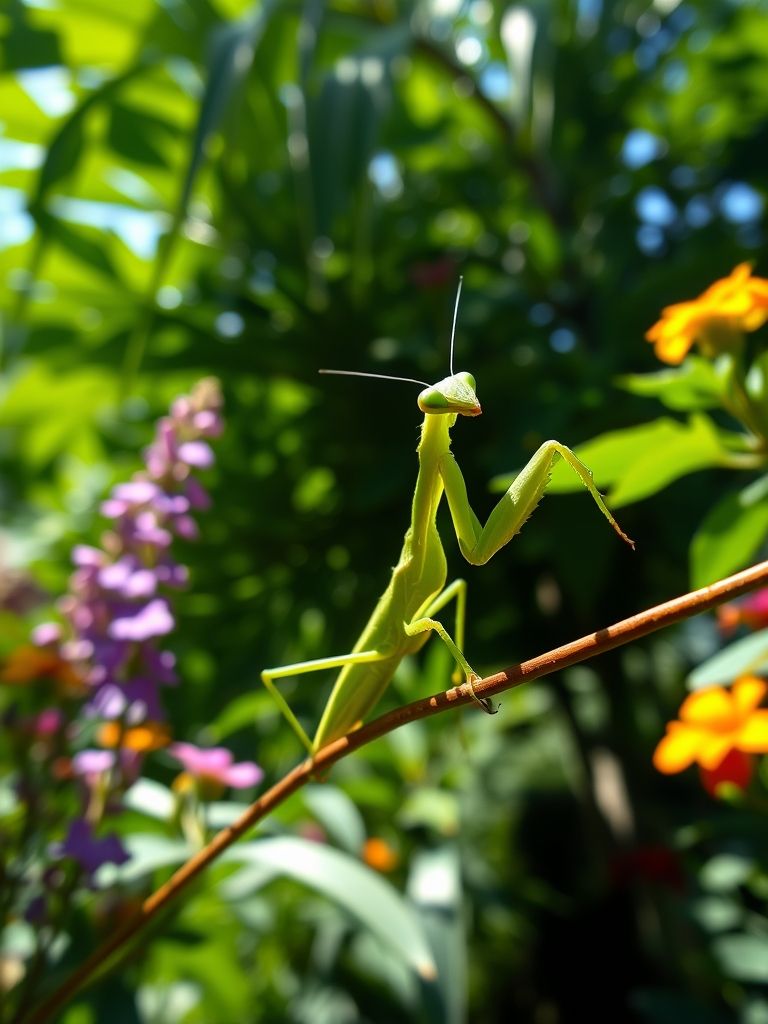
What They Eat: A wide range: moths, flies, crickets, grasshoppers, beetles, caterpillars, and sometimes other beneficials (like bees or smaller predators). They are generalists.
Why I Love Them: They’re fascinating to watch! Their stealth and speed are incredible. While they don’t target specific pests like aphids as intensely as ladybugs, they are fantastic for taking down larger pests like cabbage worms, grasshoppers, and cucumber beetles that can do major damage fast. Finding their unique egg cases (oothecae) in late fall is always a treat.
Attract Them: Provide tall grasses, shrubs, and sturdy perennials for them to hunt from. Avoid pesticides. Be aware they might eat some beneficials, but their overall impact on pest populations is positive. Learn more about their life cycle on the Missouri Botanical Garden’s site.
How to Roll Out the Welcome Mat for Pest-Eating Predators

Attracting these beneficials isn’t rocket science; it’s about creating a welcoming habitat. Here’s what works in my garden:
- Plant a Diverse Buffet: Include a wide variety of flowering plants that bloom throughout the season. Focus on plants with small, open flowers (umbels like dill, flat clusters like yarrow, daisy shapes) that provide easy access to pollen and nectar – the fuel adults need. Think cosmos, alyssum, sunflowers, borage, mint (contained!), dill, fennel, marigolds, zinnias.
- Provide Shelter & Water: Leave some areas slightly “messy.” Piles of leaves, rocks, logs, or even undisturbed perennial clumps offer crucial overwintering sites and hiding spots. A shallow dish with pebbles and water gives them a safe drink.
- Ditch the Broad-Spectrum Pesticides: This is non-negotiable. Insecticides, even some organic ones like pyrethrin or neem oil if applied broadly, will kill your beneficials too. Spot-treat only when absolutely necessary. Explore gentler alternatives like my guide on Plantain Tincture Mastery for soothing plant irritations naturally.
- Tolerate a Few Pests: It sounds counterintuitive, but if there’s no food (pests), your predatory bugs won’t stick around! A low level of aphids is like ringing the dinner bell for ladybugs and lacewings.
- Consider Purchasing Beneficials (Carefully): You can buy ladybugs, lacewings, etc. But: Source responsibly (look for reputable suppliers like Arbico Organics), release them correctly (usually at dusk, near an infestation, with water available), and understand they might fly away if conditions aren’t ideal. Habitat building is always the best long-term strategy. The University of California IPM program has excellent advice on using biological control.
Beyond Bugs: Plants That Help Too
While not true insect-eating plants like Venus flytraps (which are fascinating but not practical garden pest control!), some plants do repel pests or attract beneficials exceptionally well. Think marigolds (nematodes), nasturtiums (trap crop for aphids), basil (repels flies/mosquitoes), and alliums (repel many pests). For specific challenges like garden plants that animals will not eat in India, the solutions would be different (often involving physical barriers or locally adapted repellent plants), but the principle of supporting beneficial insects remains universal! Michigan State University Extension explores companion planting concepts.
The Takeaway: Work With Nature, Not Against It
Building a garden teeming with predatory bugs that eat garden pests is the most rewarding, effective, and sustainable pest control strategy I know. It takes a little patience and a shift in perspective – from seeing every bug as an enemy to understanding the complex web of life in your soil and plants. By providing food, shelter, and safety, you recruit a powerful, self-sustaining army that works 24/7 to protect your precious plants. Give these six incredible predators a home, step back from the spray bottle, and watch your garden thrive in a whole new way. Got success stories with beneficial bugs? I’d love to hear them over at USA Garden Hub!