
Discover the 7 key signs aphids are eating your plants, including olive tree flowers, and learn how to stop them. Expert tips from Ashley Scott, a 10-year gardening veteran, to keep your garden thriving.
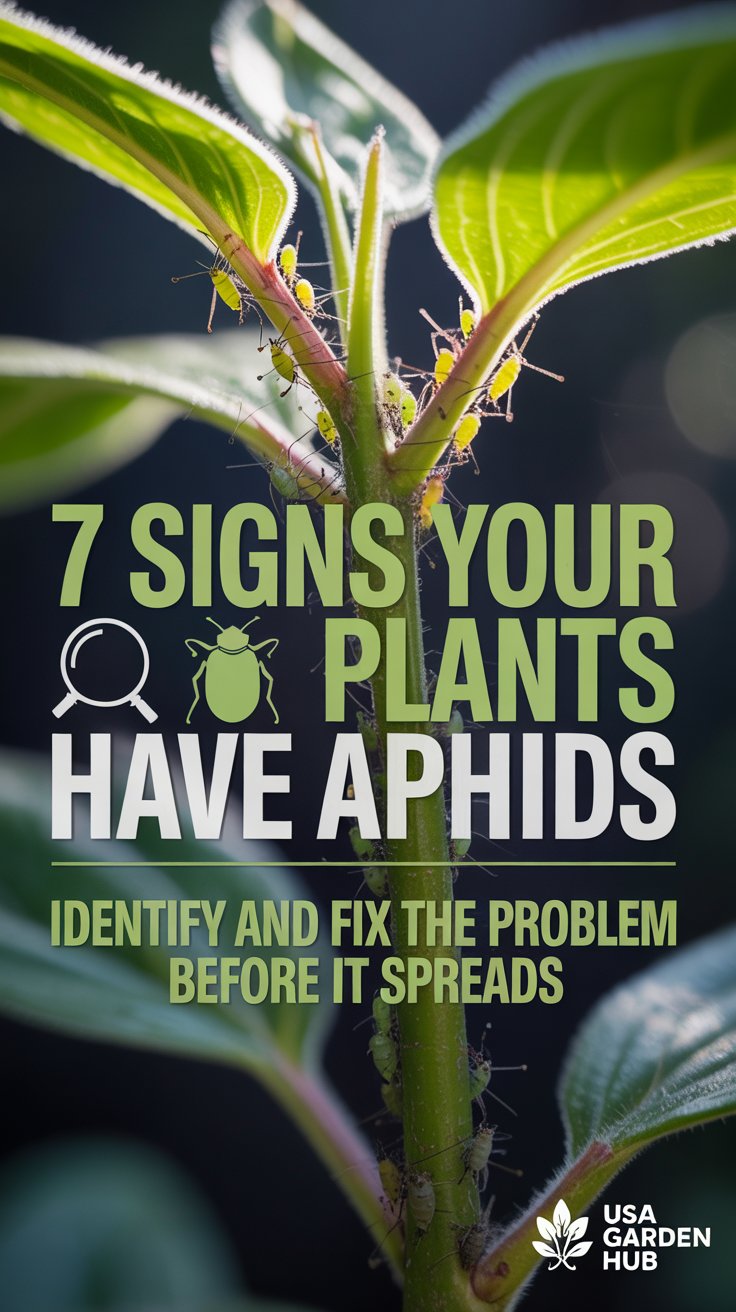
Hi, I’m Ashley Scott, and after a decade of gardening, I’ve had my fair share of battles with pests—aphids being one of the sneakiest culprits! These tiny sap-suckers can wreak havoc on your plants, including olive trees with their delicate olive tree flowers. If you’re wondering whether aphids are munching on your garden, I’m here to share seven telltale signs to watch for, based on my own experiences and years of tending plants. This guide is packed with practical tips to help you spot aphids early and keep your garden thriving, Let’s dive in!
What Are Aphids, and Why Should You Care?
Before we get to the signs, let’s talk about aphids. These small, pear-shaped insects (usually green, but they can be black, white, or even pink) love to feed on plant sap. They’re especially fond of tender new growth, like olive tree flowers or young shoots. Left unchecked, aphids can weaken plants, spread viruses, and even attract other pests like ants. I’ve seen them turn a healthy plant into a droopy mess in no time, so catching them early is key.
Here are the seven signs your plants might be under attack by aphids, along with tips to confirm and tackle the problem.
1. Curling or Distorted Leaves
One of the first signs I notice when aphids invade is leaves that look curled, puckered, or just plain wonky. Aphids suck sap from the undersides of leaves, causing them to curl inward or twist. I once found my olive tree’s new leaves looking like crumpled paper—sure enough, flipping them over revealed clusters of tiny green aphids.
What to Check: Look at the newest growth on your plants, especially on olive trees. If the leaves are curling or misshapen, gently turn them over to spot the culprits.
2. Sticky Residue (Honeydew) on Leaves
Aphids leave behind a sticky, sugary substance called honeydew as they feed. I’ve walked under my olive trees and felt a tacky coating on leaves or even on the ground below. This stuff is a dead giveaway! Honeydew can also lead to sooty mold, a black fungus that grows on the residue, making your plants look dirty.
What to Check: Run your fingers over leaves or stems. If they feel sticky, it’s likely aphid honeydew. For more on plant pests, check out my guide on pest control at USA Garden Hub.
3. Stunted Growth or Wilting
If your plants seem to be growing slower than usual or their stems look droopy, aphids might be to blame. By draining sap, they rob plants of nutrients needed for growth. I’ve seen this with young olive trees—shoots that should’ve been reaching for the sky just stalled out.
What to Check: Compare your plant’s growth to what’s normal for its type. For example, if your olive tree’s olive tree seeds sprouted but the seedlings aren’t thriving, inspect for aphids.
4. Ants Crawling on Your Plants
This one surprised me the first time I saw it! Ants and aphids have a sneaky partnership. Ants love the sweet honeydew aphids produce, so they’ll “farm” aphids, protecting them from predators. If you see ants marching up and down your plant stems, it’s a big clue aphids are nearby.
What to Check: Follow the ant trails—they’ll often lead you straight to aphid colonies, especially on tender areas like olive tree flowers.
5. Tiny Insects Clustered on Stems or Leaves
Sometimes, the easiest way to spot aphids is to see them with your own eyes. They’re tiny—about 1/8 inch long—and often cluster on stems, buds, or the undersides of leaves. I remember inspecting my olive tree one spring and spotting what looked like green specks moving on the flower buds. Yup, aphids!
What to Check: Use a magnifying glass if you’re not sure. Aphids are small but visible, especially in groups. Focus on new growth or flowering areas.
6. Yellowing or Dropping Leaves
Aphids can cause leaves to turn yellow or drop prematurely as the plant struggles to cope with sap loss. I had a young olive tree that started shedding leaves way before fall, and it turned out aphids were sapping its strength.
What to Check: If your plant’s leaves are yellowing or falling despite proper care, check for aphids. For more on keeping olive trees healthy, see my olive tree care guide.
7. Deformed Flowers or Buds
If you’re growing plants with blooms, like olive tree flowers, aphids can cause serious damage. They love feeding on soft flower buds, which can lead to deformed or underdeveloped flowers that never fully open. I’ve lost a few blooms this way, and it’s heartbreaking to see those delicate white flowers fail to shine.
What to Check: Inspect flower buds closely. If they look shriveled or don’t open properly, aphids might be the culprits.
What to Do If You Spot Aphids
Finding aphids on your plants isn’t the end of the world—trust me, I’ve been there! Here are a few steps I take to manage them:
- Blast Them Off: Use a strong spray of water from a hose to knock aphids off. I do this early in the morning so the leaves dry quickly.
- Natural Predators: Encourage ladybugs or lacewings, which love eating aphids. I’ve released ladybugs in my garden with great success.
- Neem Oil: A diluted neem oil spray works wonders. I apply it in the evening to avoid harming beneficial insects. Check out this University of California guide for more on aphid control.
- Soap Spray: Mix a teaspoon of dish soap with a quart of water and spray affected areas. It’s simple and effective, but test on a small area first.
For more detailed pest management strategies, this Cornell University resource is a fantastic read.
Preventing Aphids in Your Garden
Prevention is always better than a cure. Here’s what I do to keep aphids at bay:
- Healthy Plants: Strong plants resist pests better. Ensure proper watering, sunlight, and soil for your olive trees or other plants.
- Companion Planting: Plants like marigolds or garlic can repel aphids. I plant marigolds near my olive trees for extra protection.
- Regular Checks: I inspect my plants weekly, especially during spring when olive tree flowers are blooming. Catching aphids early makes all the difference.
For more on companion planting, this Texas A&M guide is a great resource.
A Personal Story: My Aphid Battle
Last spring, I noticed my olive tree’s olive tree flowers weren’t opening as they should. The buds looked shriveled, and I spotted that telltale sticky residue. After flipping over a few leaves, I found clusters of aphids having a feast. I grabbed my hose, blasted them off, and followed up with neem oil for a week. Within a couple of weeks, my tree was back to its vibrant self, and I even got a decent olive crop that year. It taught me to stay vigilant, especially during flowering season!
Conclusion
Aphids might be tiny, but they can cause big problems for your plants, from curling leaves to damaged olive tree flowers. By watching for these seven signs—curling leaves, sticky honeydew, stunted growth, ants, visible insects, yellowing leaves, and deformed buds—you can catch them early and take action. With a little care and some natural solutions, you can keep your garden, including those precious olive trees, healthy and thriving.
For more gardening tips, explore this Purdue University pest guide or this NC State Extension resource. And if you’re curious about growing olive trees from seed, check out my guide on growing olive trees at USA Garden Hub.
Happy gardening, and keep those aphids at bay!