
Discover 8 blooming plants that attract bees, perfect for boosting pollination of olive tree flowers. Ashley Scott shares tips from 10 years of gardening experience to create a bee-friendly garden.
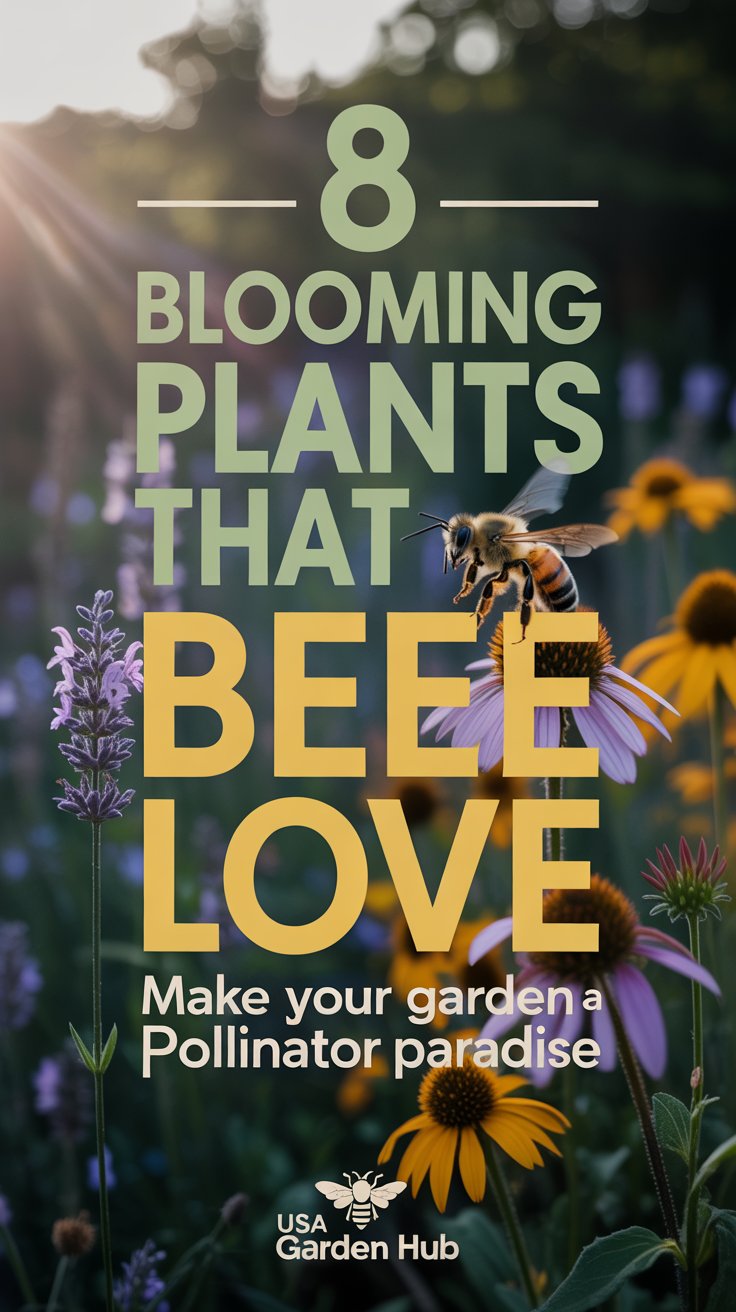
Hey there, I’m Ashley Scott, and after 10 years of gardening, I’ve learned that inviting bees into your garden is like rolling out the welcome mat for nature’s best pollinators. Bees are crucial for plants like olive tree flowers, which rely on them to produce those tasty olives we love. In my garden, I’ve seen how the right blooming plants can turn your yard into a bee paradise, boosting pollination and supporting local ecosystems. These plants are perfect for your garden, whether you’re growing olive tree seeds or just want to help bees thrive. Let’s get buzzing!
Why Plant Bee-Friendly Flowers?
Bees are vital for pollinating many plants, including olive trees, which need those busy pollinators to set fruit. By planting bee-friendly flowers, you’re not only helping your garden flourish but also supporting declining bee populations. I’ve watched my olive trees produce better harvests when bees are buzzing around, and it’s rewarding to know I’m helping the environment. Plus, these plants add color and life to your garden! For more on creating a pollinator-friendly space, check out my guide on sustainable gardening at USA Garden Hub.
8 Blooming Plants Bees Can’t Resist
Here are eight blooming plants that bees love, based on what’s worked in my garden. These are easy to grow in the USA, attract bees like magnets, and are safe for your garden’s ecosystem. Each includes tips for planting and care, with a focus on keeping your olive tree flowers and other plants thriving alongside them.
1. Lavender (Lavandula angustifolia)
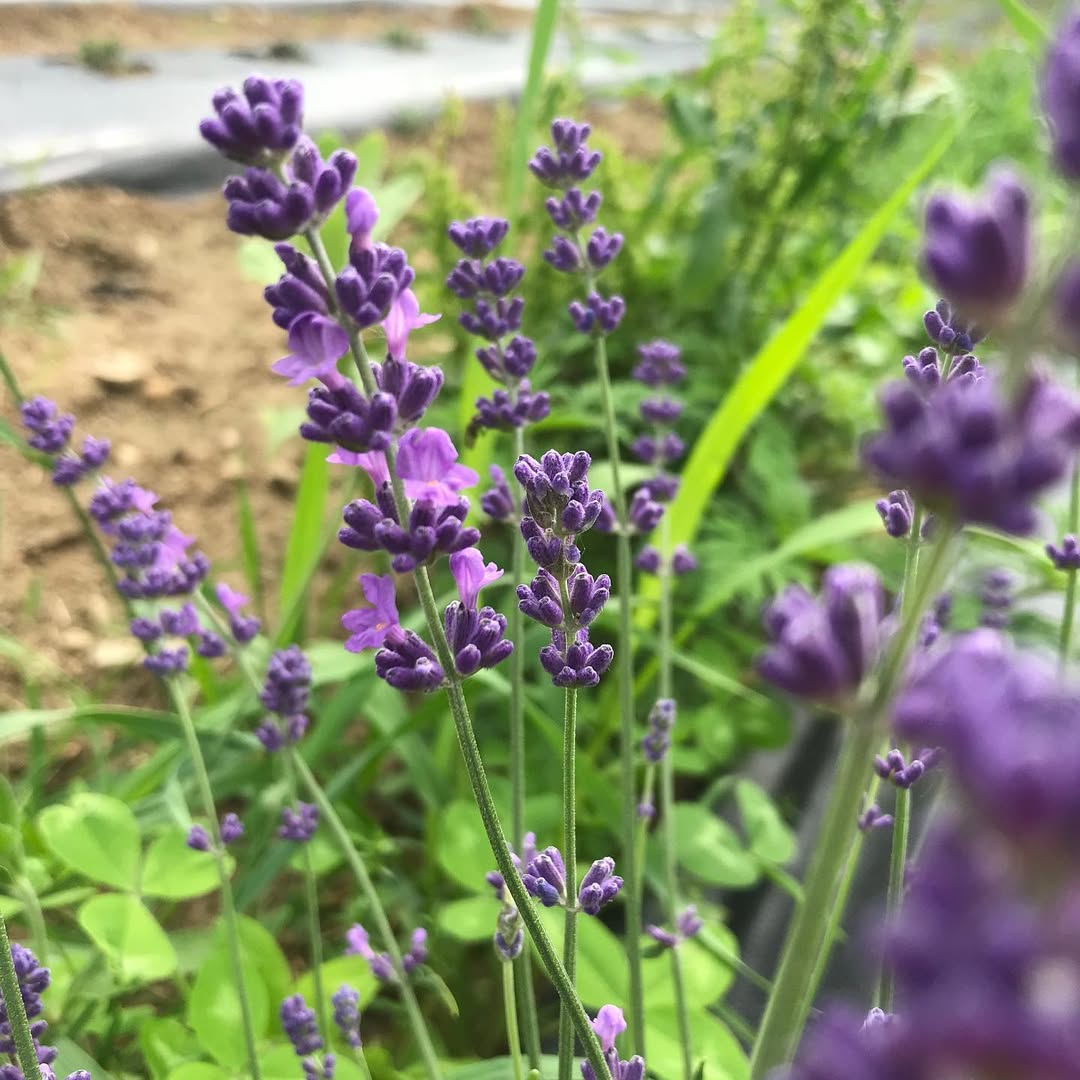
Lavender’s purple spikes and sweet fragrance are a bee magnet. I planted a row near my olive trees, and the bees go wild for it every summer.
- Why Bees Love It: Rich in nectar and pollen, with a long blooming season (June to August).
- How to Grow: Plant in full sun with well-draining soil. Water sparingly once established.
- Tip: Trim after flowering to encourage more blooms. I use lavender clippings to make DIY sachets!
Resource: Learn more about lavender care from this University of California guide.
Learn More - Best Lavender Varieties for Cold USDA Zones
2. Sunflowers (Helianthus annuus)
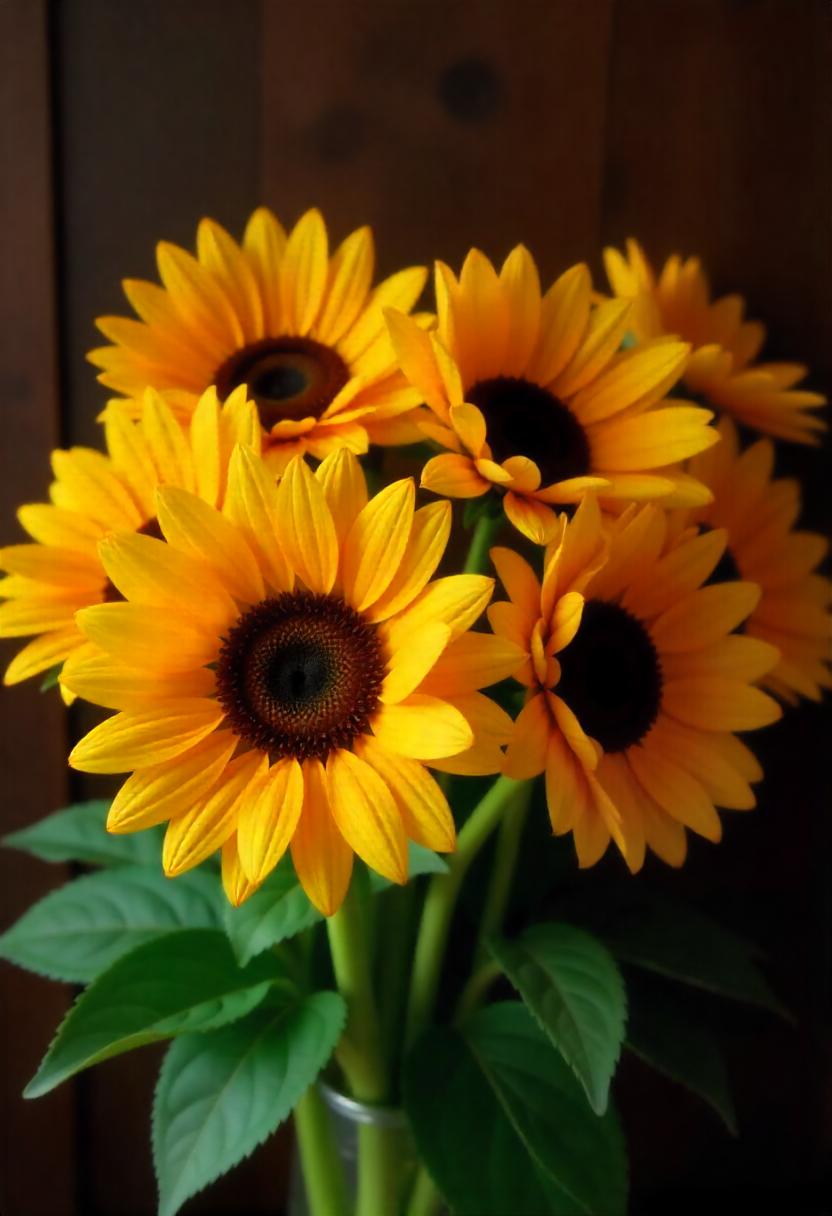
Sunflowers are like a neon sign for bees, with their huge, pollen-packed centers. I’ve seen bees swarm my sunflowers while ignoring nearby weeds.
- Why Bees Love It: Large flower heads offer abundant nectar and pollen from summer to fall.
- How to Grow: Sow seeds directly in full sun after the last frost. They tolerate poor soil but love water.
- Tip: Plant near your olive tree seeds to attract bees for early pollination.
Resource: Check out this Cornell University guide for sunflower tips.
Learn more - 10 Flowers That Look Like Sunflowers
3. Bee Balm (Monarda didyma)
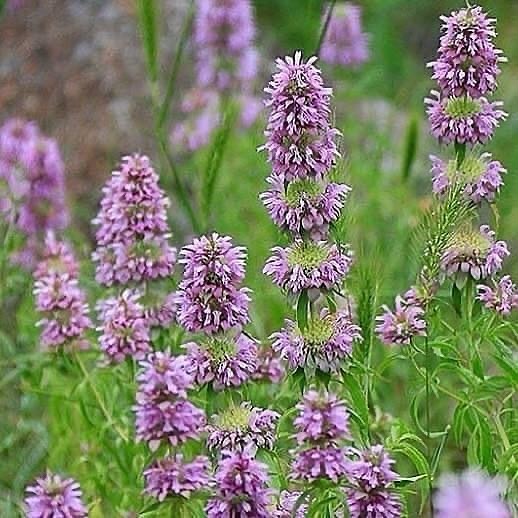
True to its name, bee balm’s vibrant red or purple blooms are a bee favorite. I added it to my garden, and it’s now a buzzing hotspot.
- Why Bees Love It: Tubular flowers are perfect for bees’ long tongues, blooming from July to September.
- How to Grow: Plant in full sun or partial shade with moist, well-draining soil.
- Tip: Deadhead spent flowers to extend blooming time.
Resource: See this Purdue University resource for bee balm care.
Learn more - Monarda Citriodora (Lemon Bee Balm): A Gardener’s Guide to Growing and Using This Fragrant Herb
4. Borage (Borago officinalis)
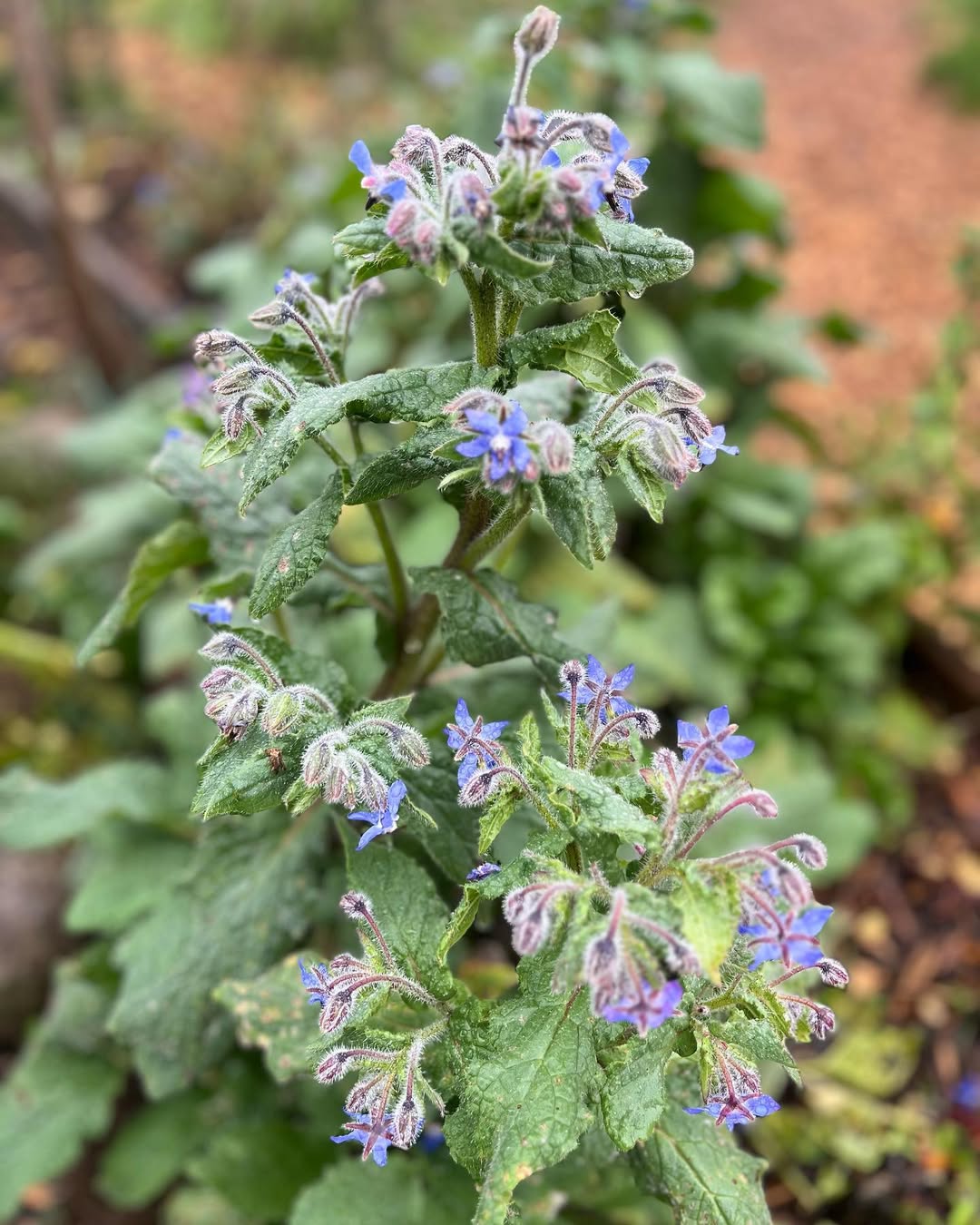
Borage’s star-shaped blue flowers are a bee buffet. I grow it near my olive trees, and it’s always covered in pollinators.
- Why Bees Love It: High nectar content, with flowers that refill quickly, blooming from June to frost.
- How to Grow: Sow seeds in full sun or partial shade. It’s drought-tolerant and self-seeds easily.
- Tip: The edible flowers make a fun addition to salads!
Resource: This Texas A&M guide has great borage tips.
5. Cosmos (Cosmos bipinnatus)
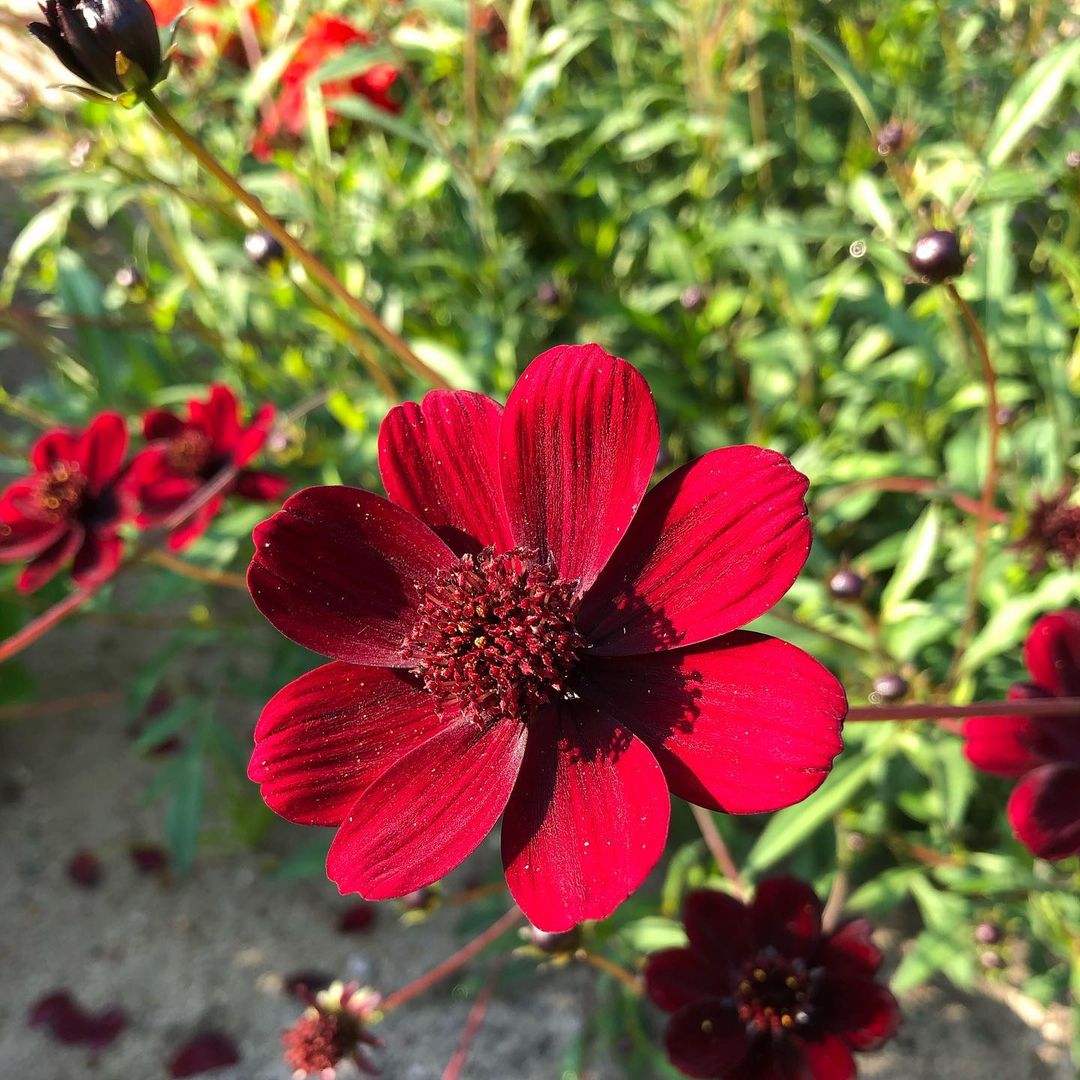
Cosmos are cheerful, easy-to-grow flowers that bees flock to. Their daisy-like blooms add charm to my garden beds.
- Why Bees Love It: Open flowers make nectar and pollen easy to access, blooming from summer to fall.
- How to Grow: Plant in full sun with average soil. They’re low-maintenance and drought-tolerant.
- Tip: Mix pink, white, and purple varieties for a colorful bee buffet.
Resource: Learn more from this NC State Extension guide.
6. Purple Coneflower (Echinacea purpurea)
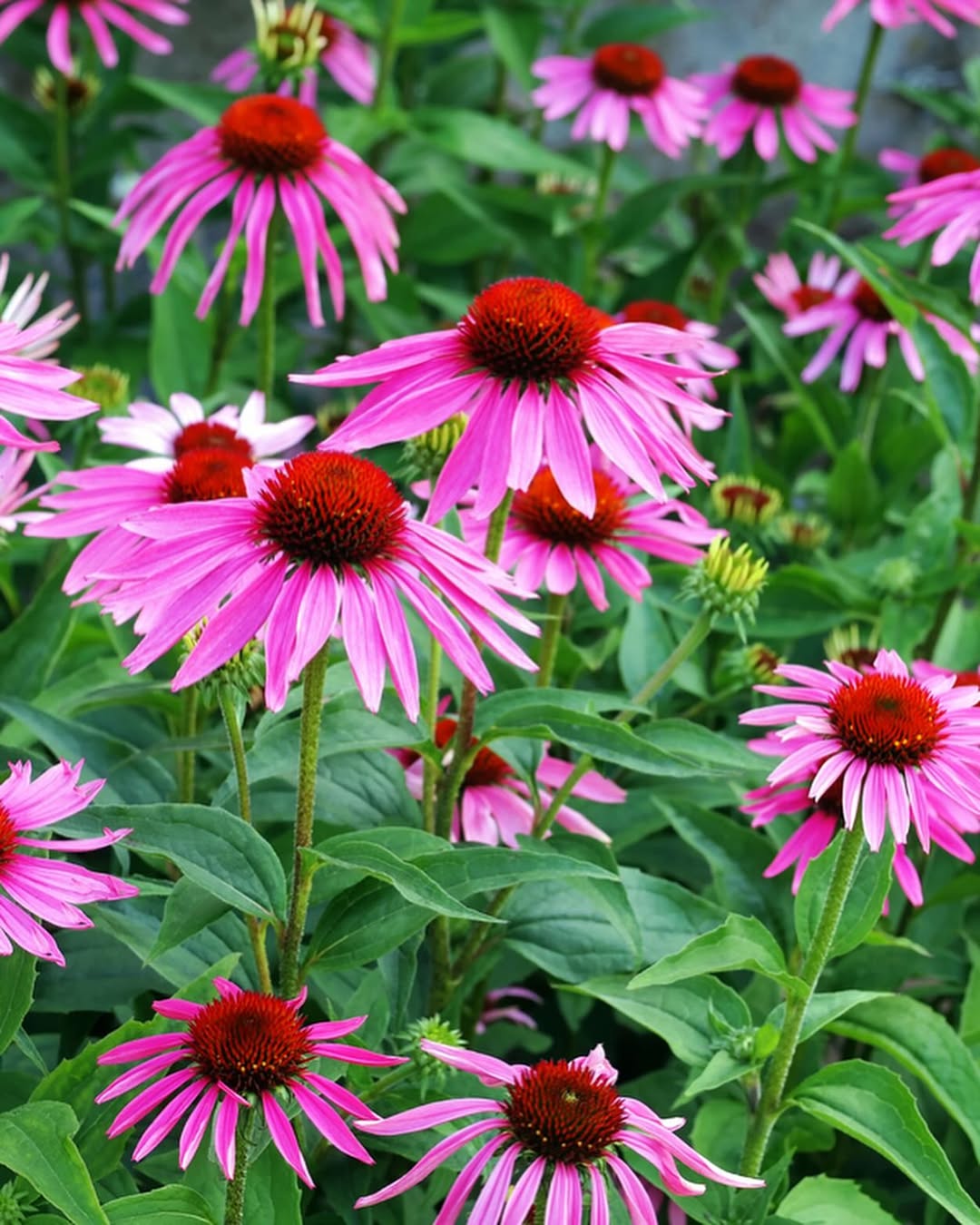
Coneflowers are sturdy perennials that bees can’t resist. I’ve watched them crawl over these blooms for hours.
- Why Bees Love It: Large, flat flower heads provide a landing pad for bees, blooming from June to August.
- How to Grow: Plant in full sun with well-draining soil. They’re drought-tolerant once established.
- Tip: Leave seed heads in fall for birds and winter interest.
Resource: Check out this University of California resource for coneflower tips.
Learn more - Echinacea Fiery Meadow Mama Coneflower: Expert Growing Guide 2025
7. Zinnias (Zinnia elegans)
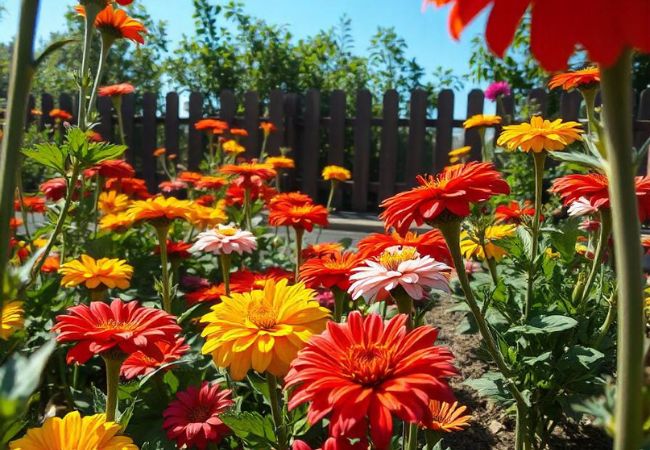
Zinnias are a riot of color and a bee favorite in my garden. Their bright blooms are like a beacon for pollinators.
- Why Bees Love It: Nectar-rich flowers bloom from summer to frost, attracting multiple bee species.
- How to Grow: Sow seeds in full sun after the last frost. They thrive in rich, well-draining soil.
- Tip: Deadhead regularly to keep the blooms coming.
Resource: This Cornell University guide covers zinnia care.
8. Salvia (Salvia officinalis)
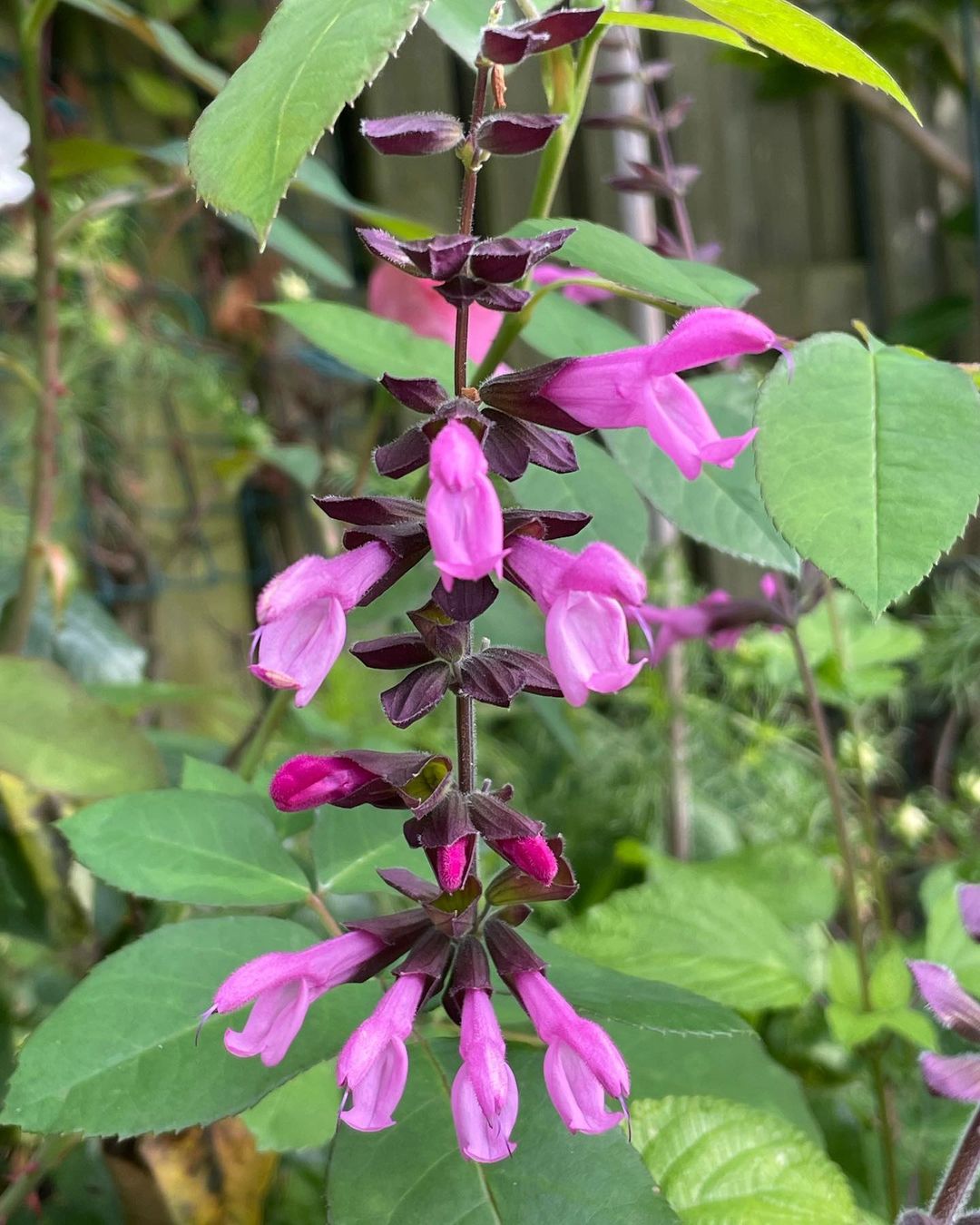
Salvia’s spiky blooms are a bee hotspot. I grow it near my olive trees to boost pollination for olive tree flowers.
- Why Bees Love It: Tubular flowers are perfect for bees, blooming from late spring to early fall.
- How to Grow: Plant in full sun with well-draining soil. Prune after flowering to maintain shape.
- Tip: The leaves are great for cooking, too!
Resource: See this Purdue University guide for salvia tips.
Learn more - Salvia ‘Amistad’ (Friendship Sage): Your Ultimate Growing Guide
Tips for Creating a Bee-Friendly Garden
To make your garden a bee haven, try these tips from my experience:
- Plant in Clusters: Group flowers together to make it easier for bees to find them.
- Avoid Pesticides: Use natural pest control, like my DIY bug sprays, to keep bees safe.
- Provide Water: Set up a shallow dish with pebbles and water for bees to drink.
- Diversify Bloom Times: Choose plants that bloom at different times to keep bees fed all season.
For more on attracting pollinators, this Texas A&M resource is a must-read.
A Personal Story: My Bee-Friendly Garden
A few years ago, I noticed my olive trees weren’t producing as many olives as usual. I realized there weren’t enough bees visiting the olive tree flowers. So, I planted a patch of lavender and borage nearby, and the next summer, my garden was buzzing with activity. The olive yield doubled, and I felt like I’d cracked the code to a thriving garden! It’s amazing what a few bee-friendly plants can do.
For more on how to grow an olive tree from seed, check out my olive tree guide at USA Garden Hub.
Conclusion
These eight blooming plants—lavender, sunflowers, bee balm, borage, cosmos, coneflowers, zinnias, and salvia—are bee magnets that’ll make your garden a pollinator paradise. They’re easy to grow, beautiful, and perfect for boosting pollination for plants like olive tree flowers. By adding these to your garden, you’re helping bees and ensuring better harvests. For more gardening inspiration, explore this NC State Extension guide or this University of California resource. Happy planting, and here’s to a buzzing, thriving garden!