
Discover 9 delicious & easy edible houseplants you can grow indoors! Get Ashley Scott’s expert tips (10 yrs experience) on light, water, care & harvesting for basil, greens, herbs & more. Start your indoor edible garden today!
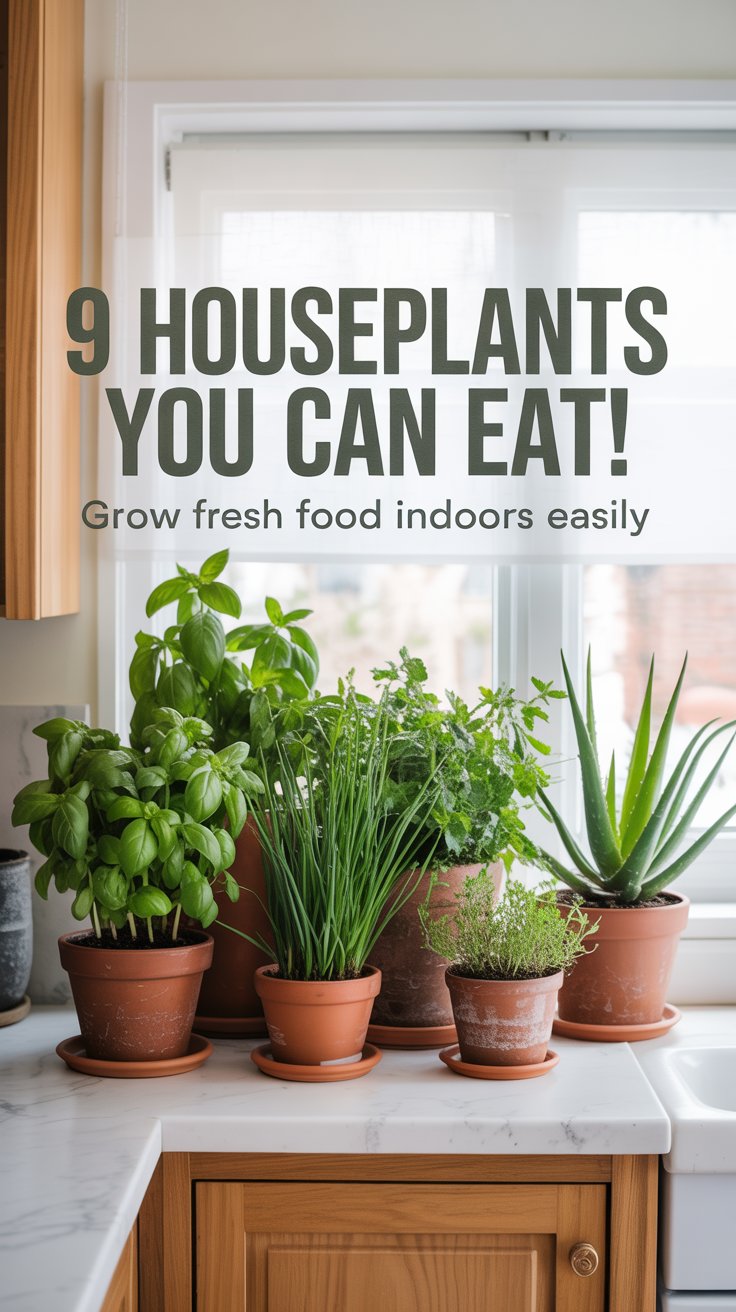
Hey there, plant pals! I’m Ashley Scott from USA Garden Hub, and after a decade of digging in the dirt (and potting soil!), I’m still amazed by what you can grow right inside your home. Forget just pretty leaves – let’s talk about houseplants you can eat! That’s right, fresh, flavorful ingredients for your kitchen, grown on your windowsill. No more wondering “can you eat houseplants?” – the answer is a delicious YES for these specific edible houseplants.
Growing your own food indoors is incredibly rewarding. It’s fresher than store-bought, saves money, adds beauty, and connects you to your meals in a whole new way. Plus, many of these edible indoor plants are surprisingly easy, even for beginners or those in apartments. Let’s dive into my top 9 picks!
1. The Flavor Powerhouse: Basil (Ocimum basilicum)
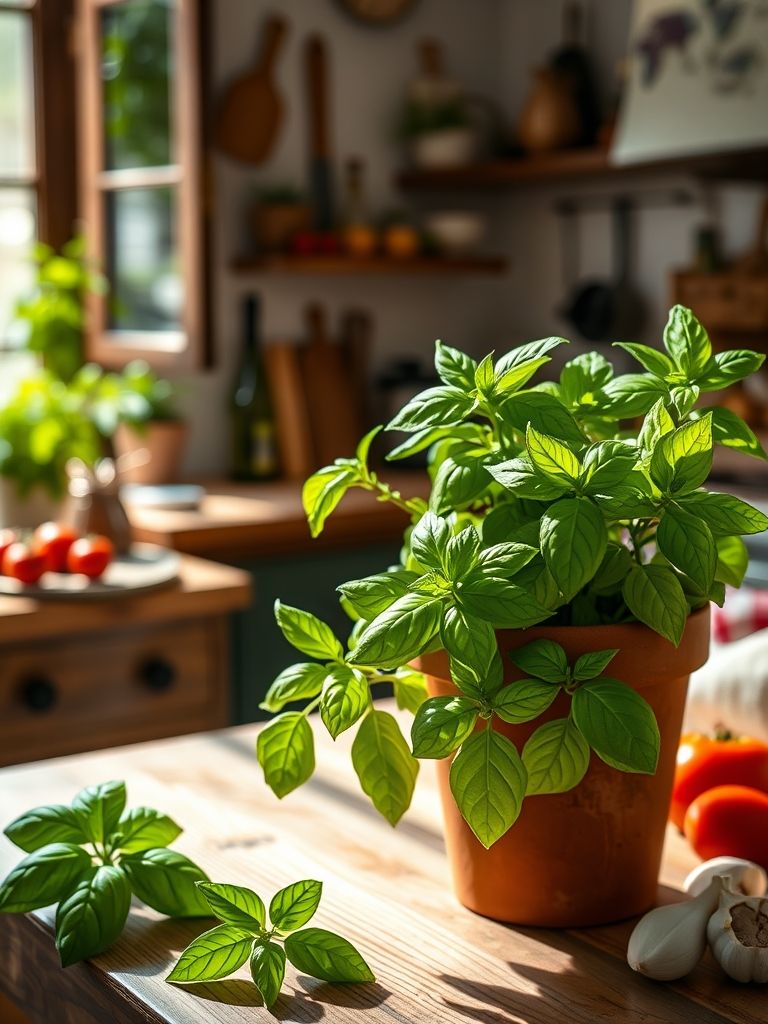
- Why I Love It: The aroma alone is worth it! Nothing beats fresh basil on pizza, in pasta, or blended into pesto. It’s a superstar among edible houseplants.
- Tasty Parts: Leaves (pinch off flower buds to keep it producing).
- Care: Basil craves light! Give it your sunniest south or west-facing window (at least 6 hours direct sun). Keep soil consistently moist but not soggy. Rotate the pot for even growth. Learn more about growing herbs indoors successfully on my site.
- My Tip: Start from seed or buy a small plant. Harvest leaves regularly from the top down to encourage bushiness. Genovese is classic, but try Thai or Lemon basil for fun twists!
Read more: Purple Sweet Basil : A Flavorful and Colorful Herb Guide
2. The Speedy Sprinter: Microgreens (Various Veggies & Herbs)
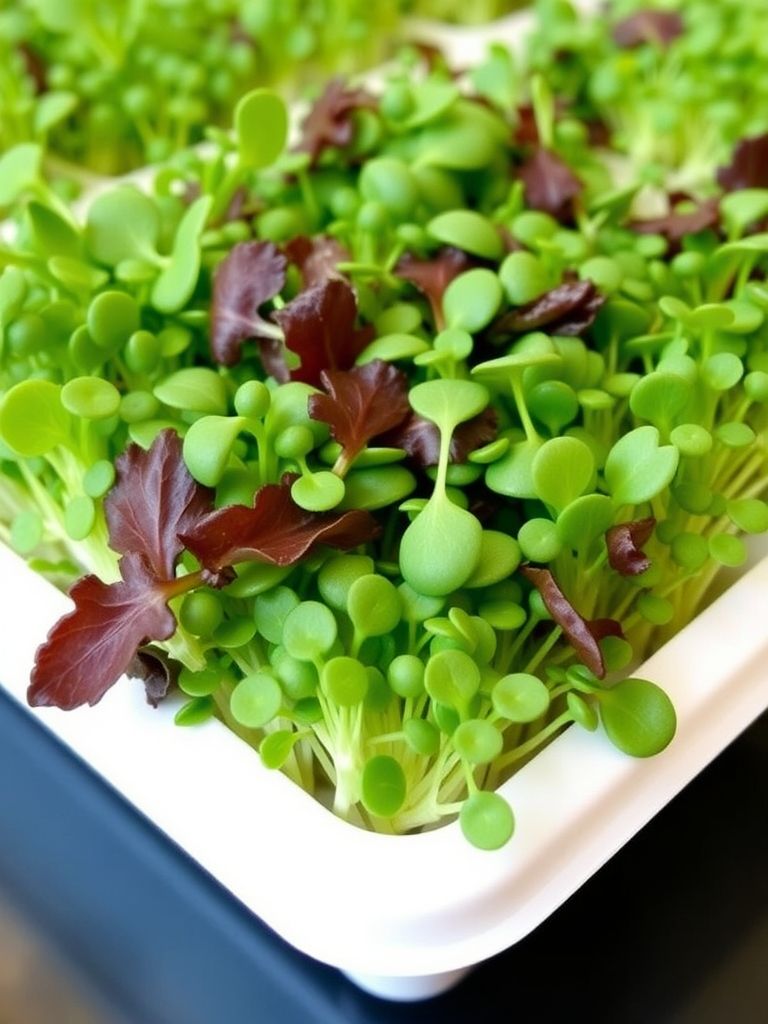
- Why I Love It: From seed to salad in just 1-3 weeks! Packed with nutrients, microgreens are perfect for impatient gardeners and small spaces – ideal edible indoor plants for apartments.
- Tasty Parts: Seedlings harvested just after the first true leaves appear.
- Care: Super simple! Sprinkle seeds densely on moist potting soil in a shallow tray. Cover lightly, keep moist (a spray bottle helps). They need bright indirect light (a sunny windowsill works). Harvest with scissors when ready. No need to feed houseplants at this stage!
- My Tip: Try radish, broccoli, pea shoots, sunflower, or arugula microgreens. They add incredible crunch and flavor to sandwiches, soups, and eggs. Re-sow every week or two for a continuous harvest.
3. The Zesty Wonder: Mint (Mentha spp.)
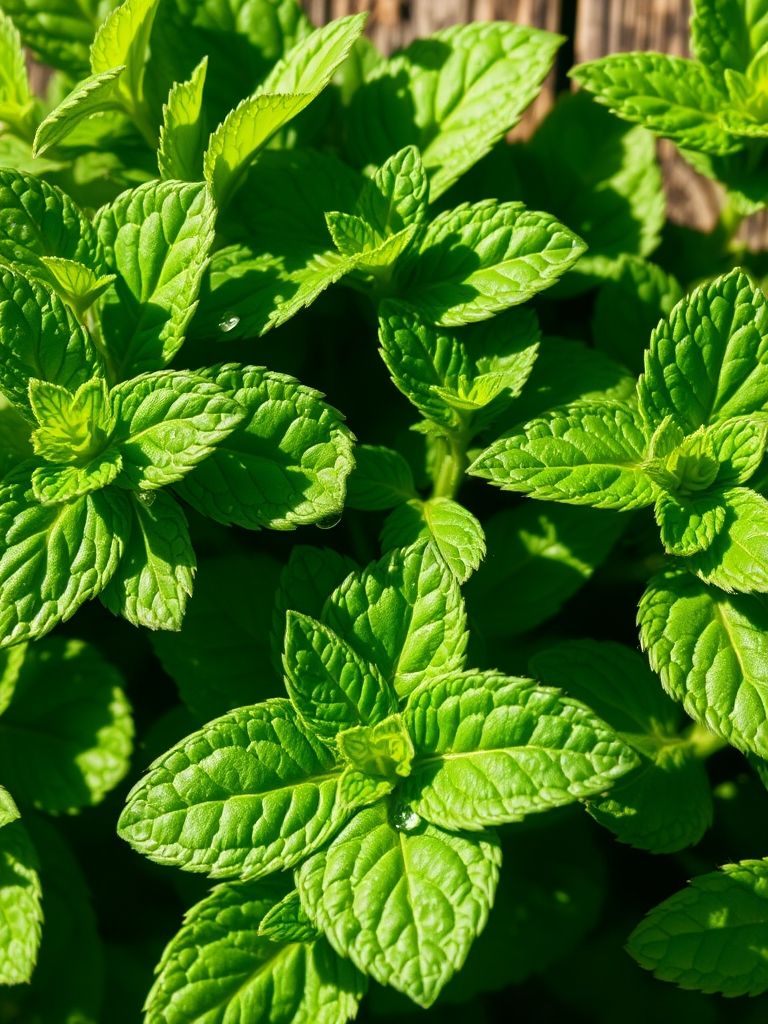
- Why I Love It: Refreshing! Perfect for teas, cocktails, desserts, and savory dishes. Peppermint, spearmint, chocolate mint… the varieties are endless. It’s one of those houseplants you can’t kill easily (sometimes too vigorous!).
- Tasty Parts: Leaves.
- Care: Grows well in bright indirect light but tolerates some lower light. Prefers consistently moist soil. Crucial: Plant it in its own pot! Mint spreads aggressively via runners and will take over any shared container. Pinch tips to keep bushy.
- My Tip: Perfect for beginners. Use fresh leaves or dry them for later. Try muddling some in lemonade – instant summer vibes!
Read more : Hummingbird Mint Plant: Your Complete Guide to Growing Agastache
4. The Salad Staple: Lettuce & Leafy Greens (Lactuca sativa & others)
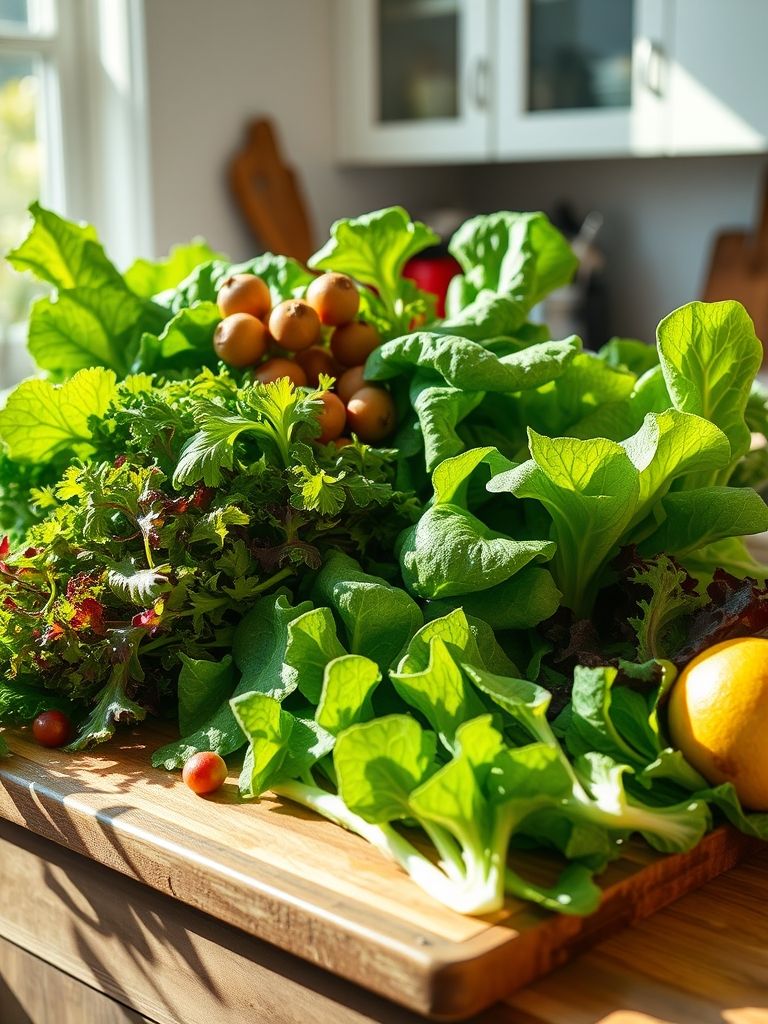
- Why I Love It: Imagine snipping fresh, crisp leaves for your salad year-round! Loose-leaf varieties like Oakleaf, Buttercrunch, and Romaine are best indoors. Spinach, Swiss Chard, and Kale also work well as edible houseplants.
- Tasty Parts: Leaves (harvest outer leaves, let the center keep growing).
- Care: Needs bright light – a south or west window is best. Keep soil consistently moist. Good air circulation helps prevent disease. You can start from seed or buy nursery starts.
- My Tip: “Cut-and-come-again” harvesting is key for continuous greens. Feed lightly with a diluted organic fertilizer every few weeks once established (how to feed houseplants naturally? Try compost tea or fish emulsion!). Discover more about growing salad greens indoors.
5. The Tiny Tree: Dwarf Citrus (Citrus spp. - Calamondin, Meyer Lemon, etc.)
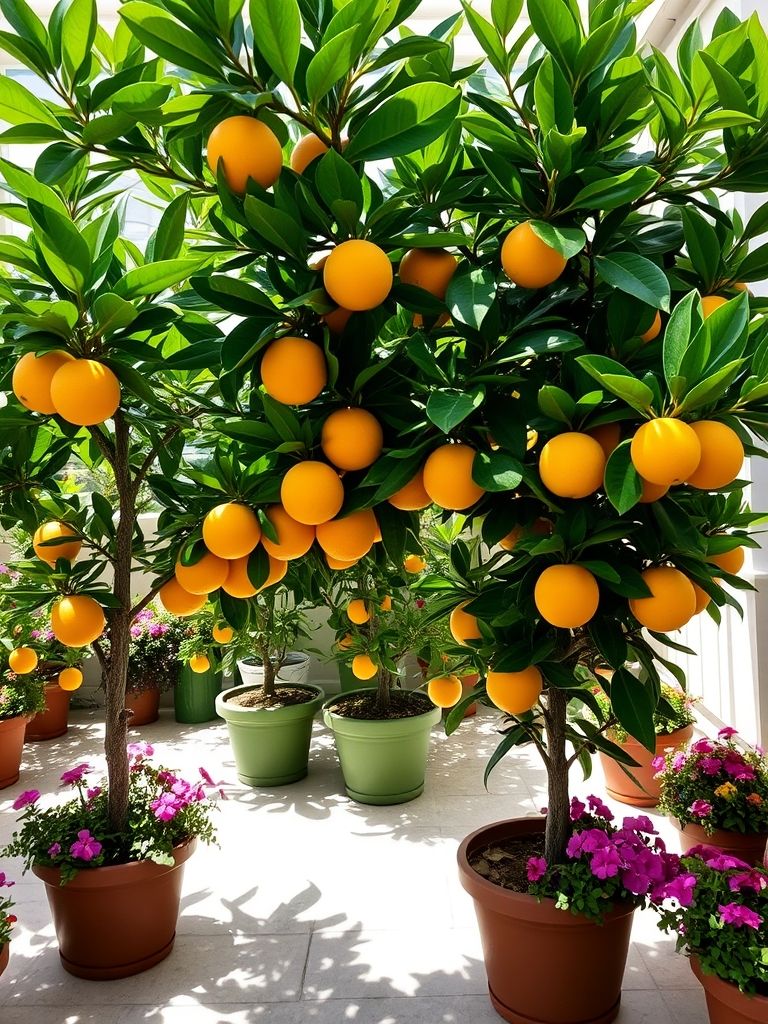
- Why I Love It: Nothing beats the fragrance of citrus blossoms and the thrill of harvesting your own tiny oranges or lemons indoors! They make fantastic indoor edible trees.
- Tasty Parts: Fruit (peel and flesh), fragrant blossoms (for teas/garnishes).
- Care: Needs a LOT of bright, direct sunlight (south-facing is ideal). Prefers consistent moisture but excellent drainage. Needs higher humidity (a pebble tray helps). Feed regularly during the growing season with a citrus-specific fertilizer (do i need to feed my houseplants? Absolutely, especially fruiting ones!). Be patient – fruit takes time.
- My Tip: Dwarf varieties like Calamondin orange or Improved Meyer lemon are best suited for indoor life. They need patience but are incredibly rewarding.
6. The Fragrant Favorite: Rosemary (Salvia rosmarinus)
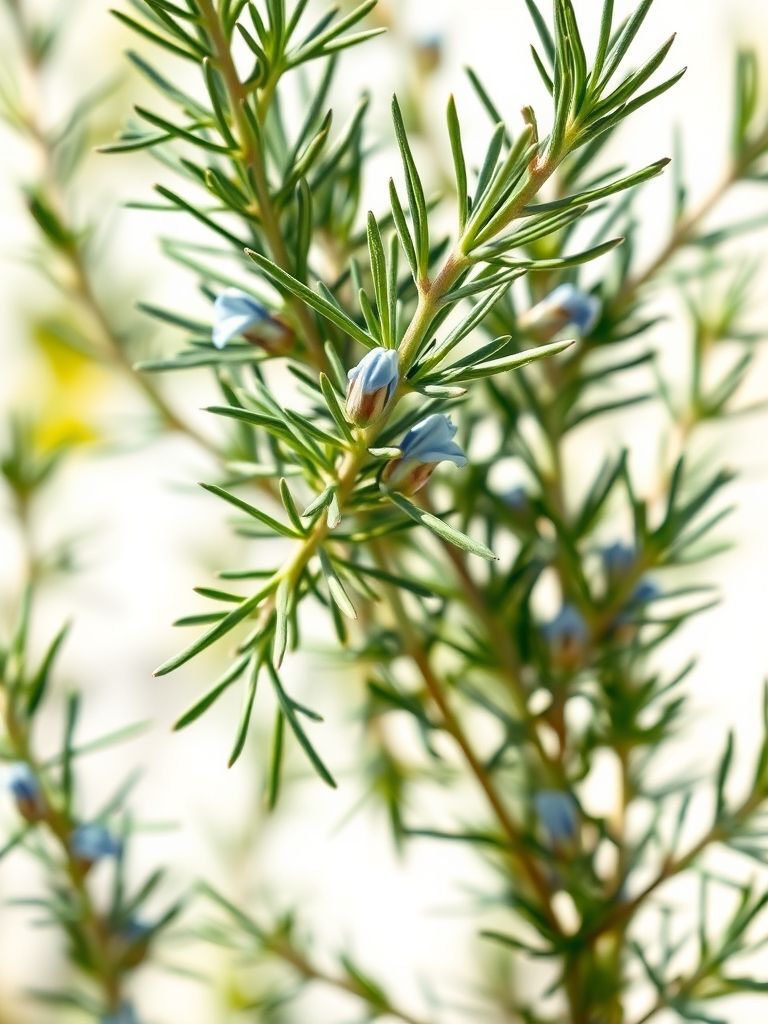
- Why I Love It: That piney aroma! Essential for roasted potatoes, meats, and focaccia. A beautiful, sculptural edible houseplant.
- Tasty Parts: Leaves and tender stems.
- Care: Needs full sun (south or west window). Prefers to dry out slightly between waterings – hates soggy roots. Good drainage is non-negotiable. Prefers cooler indoor temps if possible.
- My Tip: Can be tricky indoors long-term due to light and humidity needs, but worth a try! It often grows better outdoors in summer but makes a lovely temporary outdoor houseplant you can eat before bringing it back in. Snip sprigs as needed.
Read more Trailing Rosemary : A Comprehensive Guide to Growing This Aromatic Herb
7. The Versatile Vine: Nasturtium (Tropaeolum majus)
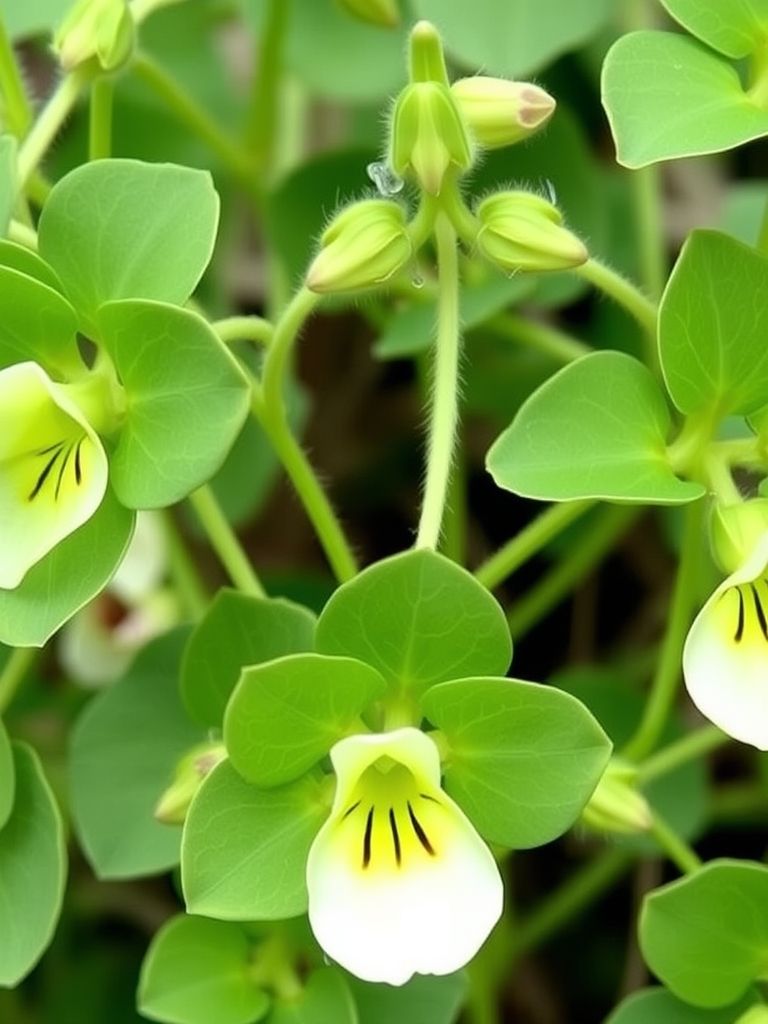
- Why I Love It: Bright, cheerful flowers and unique, peppery leaves! Both are edible, adding a spicy kick to salads and sandwiches. The flowers make stunning garnishes. Often found as houseplants you can find outside, but they thrive indoors too.
- Tasty Parts: Leaves, flowers, and even the seed pods (pickled like capers!).
- Care: Enjoys bright light (south or west window). Prefers slightly drier conditions – let the soil dry a bit between waterings. Can trail or climb with support.
- My Tip: Super easy from seed! The more you pick the flowers and leaves, the more it produces. Adds a real pop of color and flavor.
8. The Hardy Herb: Chives (Allium schoenoprasum)
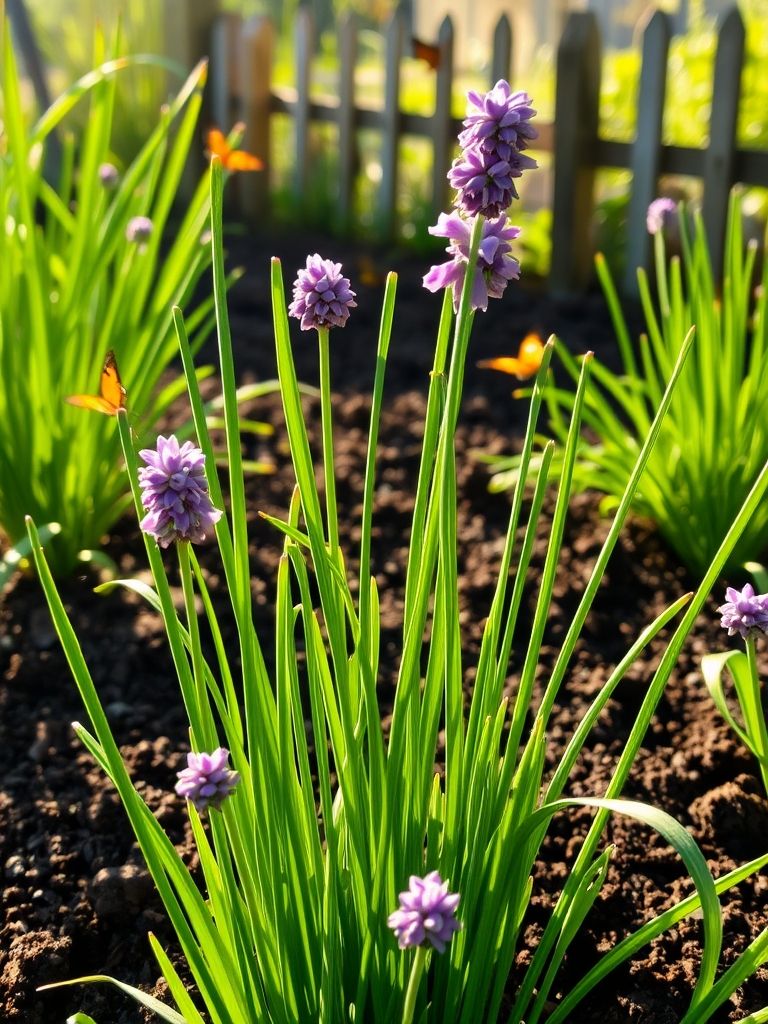
- Why I Love It: Mild onion flavor perfect for baked potatoes, eggs, soups, and dips. One of the easiest and most reliable edible indoor plants. The pretty purple flowers are edible too!
- Tasty Parts: Leaves and flowers.
- Care: Very adaptable. Grows well in bright indirect to direct light. Keep soil moderately moist. Extremely forgiving. Cut leaves down to about 2 inches when harvesting; they regrow quickly.
- My Tip: Start from seed, division, or buy a pot. Snip with scissors whenever you need a flavor boost. It just keeps coming back!
9. The Shade Tolerant Champ: Lemon Balm (Melissa officinalis)
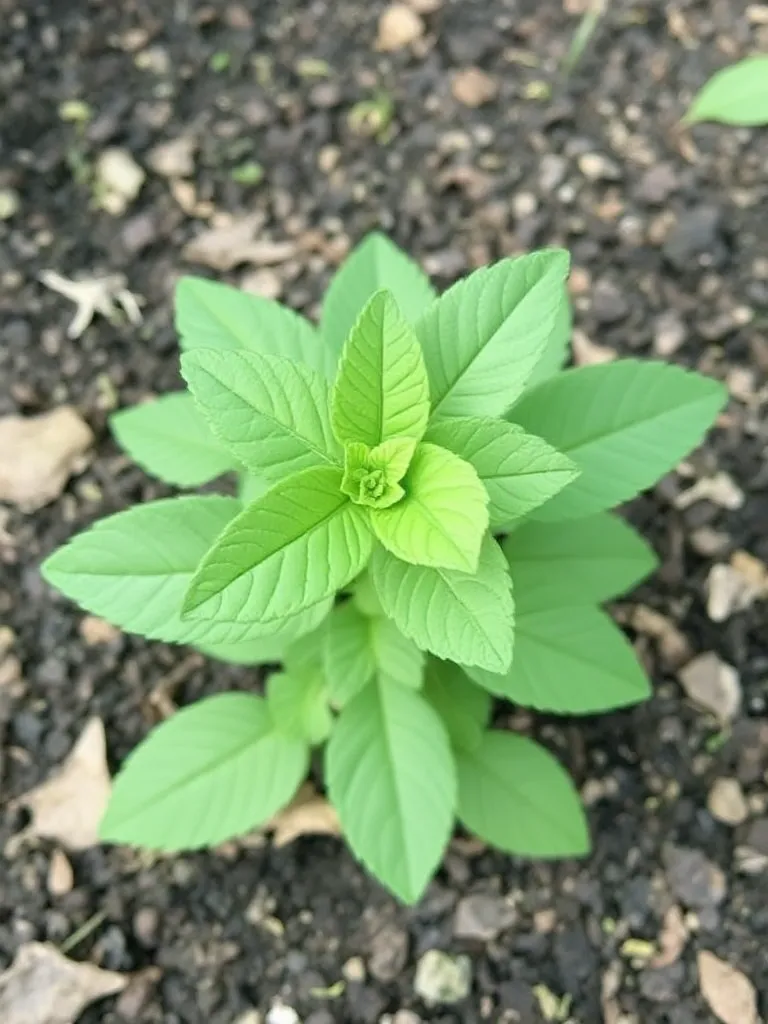
- Why I Love It: Bright, lemony-mint flavor perfect for teas (calming!), desserts, and fruit salads. Surprisingly tolerant of lower light, making it a contender for edible houseplants low light situations (though brighter is still better!).
- Tasty Parts: Leaves.
- Care: Prefers bright indirect light but will tolerate some shade. Keep soil consistently moist. Like mint, it can spread, so best in its own pot. Pinch back to prevent flowering and encourage bushiness.
- My Tip: Dry the leaves for a constant supply of lemon-flavored tea. Rub a leaf between your fingers for instant aromatherapy!
Keeping Your Edible Oasis Thriving: Simple Care Tips
- Light is Queen: Most edible houseplants need significant light. South or West-facing windows are goldmines. East windows work for some (like greens, mint, lemon balm). Supplement with grow lights if natural light is low, especially in winter. The University of Minnesota Extension has a fantastic guide on indoor plant lighting needs.
- Water Wisely: Overwatering is the #1 killer! Always check soil moisture with your finger before watering. Most prefer the top inch to dry out slightly. Ensure pots have drainage holes. Consistency is key – don’t let them wilt, but don’t let them sit in water.
- Feed for Flavor: Do i need to feed my houseplants? Yes, especially edible ones you’re harvesting from! They use up nutrients. How to feed houseplants naturally? Use diluted organic fertilizers like fish emulsion, seaweed extract, or compost tea every 2-4 weeks during the active growing season (spring/summer). Ease off in fall/winter. The Oregon State University Extension Service offers great advice on fertilizing.
- Potting Matters: Use a high-quality, well-draining potting mix. Avoid dense garden soil. Repot when roots fill the container (you see roots circling or coming out the bottom). Terra cotta pots help soil dry out faster than plastic.
- Humidity Help: Many herbs and greens appreciate higher humidity, especially in dry winter homes. Group plants together, use pebble trays filled with water under pots (don’t let the pot sit in water), or run a humidifier nearby. The Royal Horticultural Society (RHS) has tips on increasing humidity.
- Pest Patrol: Keep an eye out for common pests like aphids or spider mites. Inspect leaves regularly. Wash plants gently in the sink or shower. Use insecticidal soap or neem oil for organic control if needed. Prevention (good airflow, not overcrowding) is best! The University of California Statewide IPM Program is an authoritative resource for pest management.
Why Grow Edible Houseplants?
Beyond the sheer joy and flavor, there are so many benefits:
- Ultimate Freshness: Harvest seconds before eating – peak flavor and nutrition!
- Cost Savings: Reduce those grocery bills for herbs and greens.
- Year-Round Harvest: No more waiting for summer!
- Decorative & Functional: Beautiful greenery that feeds you.
- Educational & Fun: Great for kids to learn where food comes from.
- Air Purifying Bonus: Many plants help clean indoor air.
Ready to Start Your Indoor Edible Garden?
Don’t be intimidated! Choose one or two plants that excite you and match your light conditions. Start small with a pot of basil or some microgreens. The sense of accomplishment when you snip your first homegrown herb for dinner is unbeatable.
Got questions? Pop over to USA Garden Hub for more tips, tricks, and inspiration on growing food anywhere! I’d love to hear which edible houseplants you’re excited to try – share your journey in the comments below!
Happy (and delicious) growing! Ashley 🌱