

Discover Ashley Scott’s 10 essential fall garden tasks to prep for winter. Protect plants, enrich soil, and plan for a vibrant spring garden!
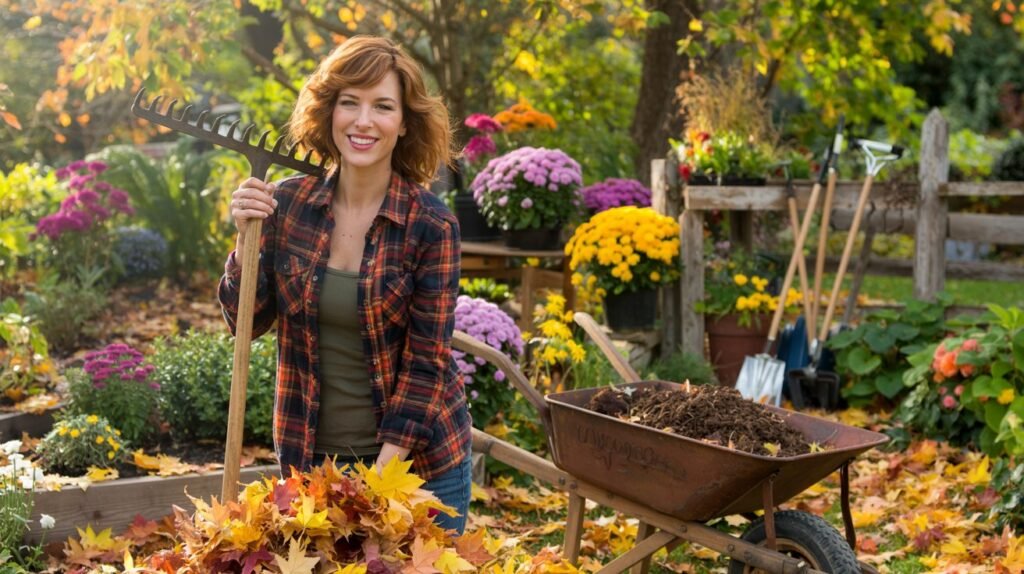
Hey there, garden friends! I’m Ashley Scott, and after more than a decade of tending my backyard in California, I’ve learned that fall is the perfect time to wrap up the growing season and get ready for winter. It’s like tucking your garden into bed for a cozy nap! With cooler temps and shorter days, fall gardening gives you a chance to clean up, protect your plants, and set the stage for a killer spring. Today, I’m sharing my 10 essential fall garden tasks to prepare for winter, packed with my own stories, tips, and tricks to keep your garden thriving. Whether you’re in a chilly northern state or a milder southern one, these steps will help US gardeners like us get it right. Let’s dig in!
Why Fall Gardening Matters
I used to think fall was just for raking leaves and sipping pumpkin spice lattes, but it’s so much more. It’s the time to clean up garden beds, protect perennial plants, and plan for next year. A few years back, I skipped some of these tasks, and my spring garden was a mess—weeds everywhere, sad soil. Lesson learned! These fall garden tasks save time and heartache later. Plus, they’re a great excuse to enjoy crisp air and colorful leaves. For more seasonal prep, check out our seasonal gardening guide on USA Garden Hub.
1. Clean Up Garden Beds Like a Pro

Fall cleanup is my first step. After a long summer, my garden’s usually littered with spent plants and debris. I remember one year leaving tomato vines in place—big mistake. They attracted pests by spring.
Here’s what to do:
- Pull out dead annuals like marigolds or zucchini.
- Clear fallen leaves and debris to prevent mold.
- Compost healthy plant material; toss diseased stuff.
My tip: Use a rake for leaves, but get in there with gloves for stubborn bits. See our composting basics for turning scraps into gold.
Resource: The University of Minnesota Extension has great cleanup advice.
2. Amend Your Soil for Spring Success
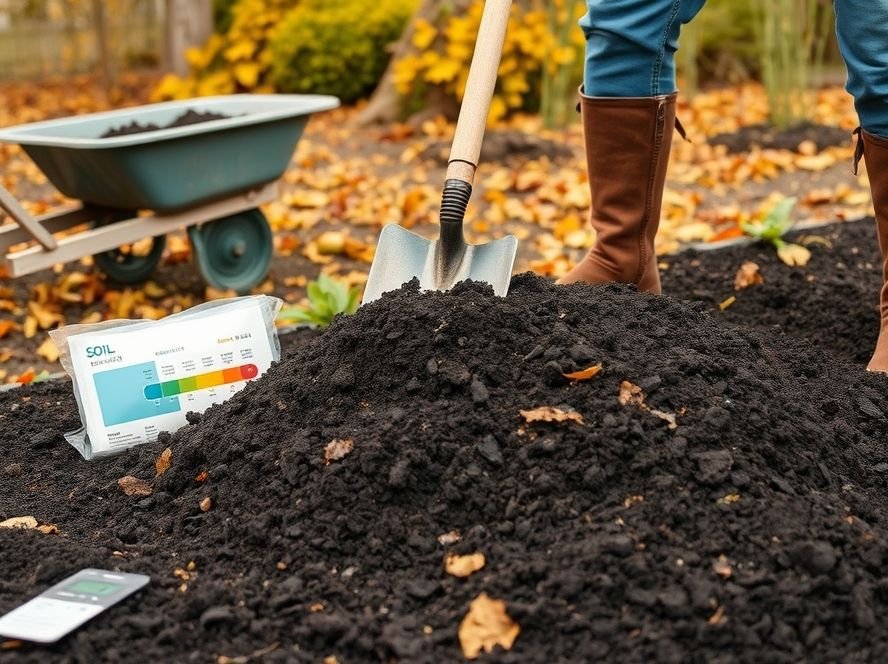
Fall’s the best time to give your soil some love. I learned this after a season of lackluster veggies—my soil was tired! Testing and amending now sets you up for a lush spring.
Steps:
- Test soil pH with a kit (aim for 6.0–7.0 for most plants).
- Add compost or aged manure to boost nutrients.
- Mix in organic matter to improve drainage.
Personal hack: I spread compost in late fall and let winter rains work it in. Check our soil health guide for more.
3. Plant Bulbs for a Spring Show

Nothing beats the thrill of seeing tulips or daffodils pop up in spring. I plant bulbs every fall, and it’s like sending a gift to future me. One year, I planted late, and half didn’t bloom—timing matters!
How-to:
- Choose bulbs like tulips, daffodils, or hyacinths.
- Plant 6–8 inches deep in well-drained soil.
- Water lightly and mulch for insulation.
My advice: Mark planting spots so you don’t dig them up later! Our bulb planting tips has details.
Link: The Old Farmer’s Almanac covers bulb planting depths.
4. Protect Perennial Plants from Frost

Perennial plants like roses or lavender need extra care to survive winter. I lost a gorgeous peony one year because I didn’t mulch properly—heartbreaking!
Protect them:
- Cut back dead foliage but leave sturdy stems.
- Add 2–4 inches of mulch (straw or bark) around bases.
- Wrap delicate shrubs in burlap in cold zones.
From experience: Check your USDA zone (I’m in 9b) to know how much protection you need. Our perennial care guide is a lifesaver.
5. Prune Shrubs and Trees (Carefully!)
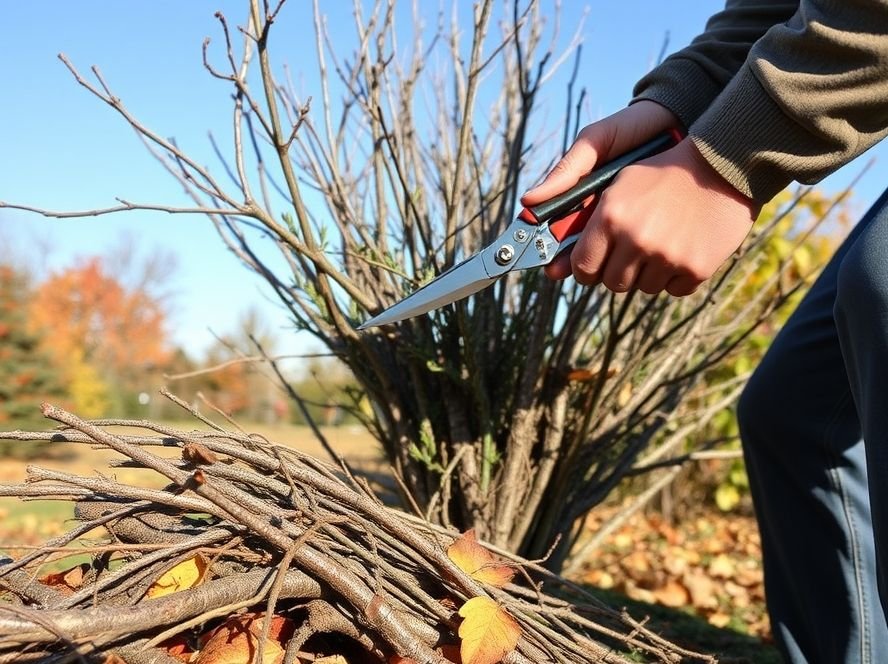
Pruning in fall keeps your garden tidy, but don’t go wild. I once over-pruned a rose bush in October, and it struggled come spring.
Prune smart:
- Trim dead or damaged branches on trees and shrubs.
- Avoid heavy pruning on spring bloomers like lilacs.
- Clean tools to prevent disease spread.
My trick: I prune lightly and save big cuts for late winter. Learn more in our pruning basics.
Resource: Purdue Extension on fall pruning dos and don’ts.
6. Harvest and Store Root Vegetables

If you’ve got root vegetables like carrots or beets, fall’s the time to pull them. I left carrots in the ground too long one winter, and frost turned them mushy.
Steps:
- Harvest before the first hard frost.
- Store in a cool, dark place (35–40°F is ideal).
- Keep in sand or sawdust to maintain moisture.
My story: I store beets in my garage, and they last months. See our root vegetable growing basics for storage tips.
7. Plant Cover Crops for Soil Health

Cover crops like clover or rye grass are my secret weapon for healthy soil. I started using them after noticing my garden beds were eroding in winter rains.
Why and how:
- Sow cover crops in empty beds to prevent erosion.
- They add nutrients when tilled in spring.
- Water lightly until established.
Personal note: Clover worked wonders in my veggie patch. Our cover crop guide explains options.
Link: USDA NRCS on cover crops.
8. Clean and Store Garden Tools
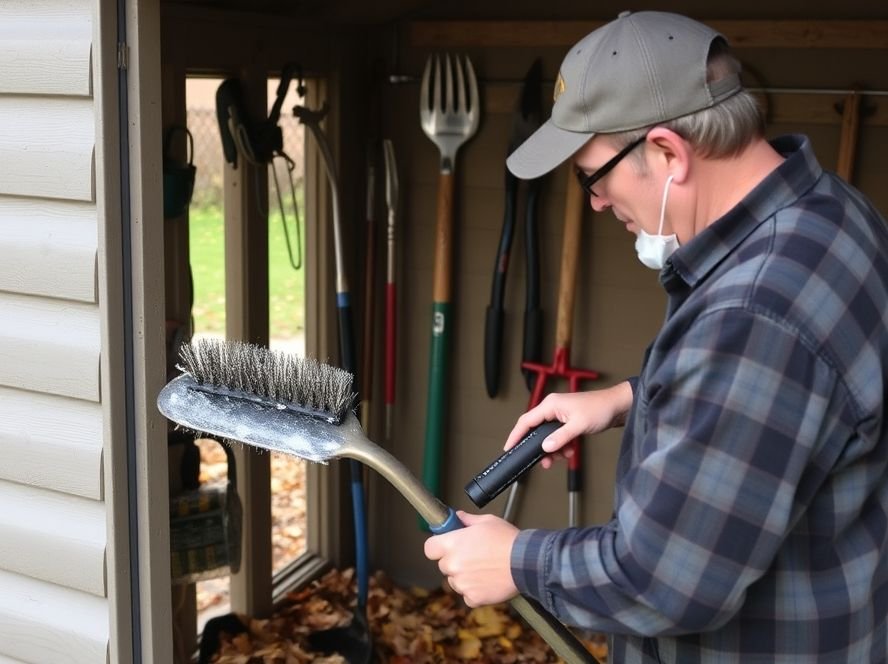
I learned the hard way that rusty tools are no fun. One fall, I left my shovel outside, and it was a mess by spring. Cleaning now saves headaches.
Do this:
- Scrub tools with a wire brush and soapy water.
- Sharpen blades on pruners and shovels.
- Store in a dry shed or garage.
My tip: Rub linseed oil on wooden handles to keep them smooth. Our garden tool maintenance has more.
9. Mulch Garden Beds for Winter Protection
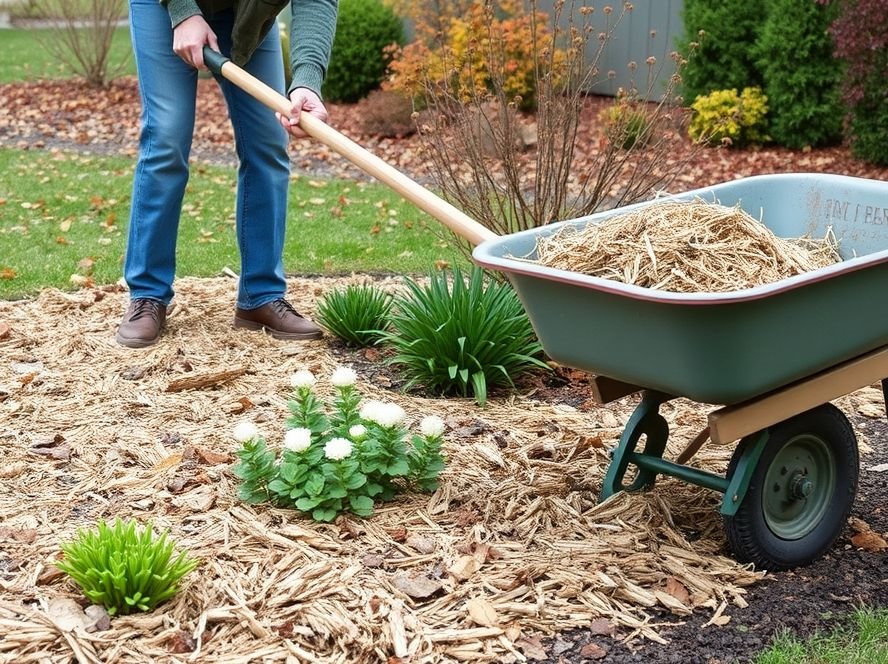
Mulch is like a blanket for your garden beds. I skipped mulching one year, and my soil froze solid, hurting my perennials.
How to mulch:
- Apply 2–4 inches of straw, leaves, or bark.
- Keep mulch away from plant stems to avoid rot.
- Replenish as needed through winter.
From my yard: Pine straw’s my go-to—it’s cheap and looks tidy. Check our mulching guide for choices.
Resource: Cornell University on mulching benefits.
10. Plan for Spring (Yes, Now!)

Fall’s when I dream about next year’s garden. After a chaotic season of random planting, I started sketching layouts in fall, and it’s a game-changer.
Plan ahead:
- Sketch your garden layout for spring crops.
- Order seeds early for cool-season veggies like peas.
- Rotate crops to avoid soil depletion.
My hack: I use a notebook to jot ideas while sipping coffee. Our garden planning tips will spark inspiration.
Common Fall Gardening Mistakes to Skip
I’ve flubbed plenty in my fall gardening over the years. Here’s what to avoid:
- Leaving debris: It invites pests and diseases.
- Over-pruning: Weakens plants before winter.
- Ignoring soil: Test and amend now for spring wins.
For more pitfalls, our common gardening mistakes page is a must-read.
Extra help: Epic Gardening’s fall prep guide is packed with ideas.
Wrap-Up: Get Your Garden Winter-Ready
There you have it—my 10 essential fall garden tasks to prepare for winter, straight from my years of digging, planting, and learning. These steps will keep your garden happy through the cold and ready to shine in spring. Got a favorite fall task or a story to share? Drop it in the comments! For more gardening goodness, swing by our full gardening blog or sustainable gardening resources on USA Garden Hub. Here’s to a cozy fall and a blooming spring, friends!


2 Comments on “10 Essential Fall Garden Tasks to Prepare for Winter”