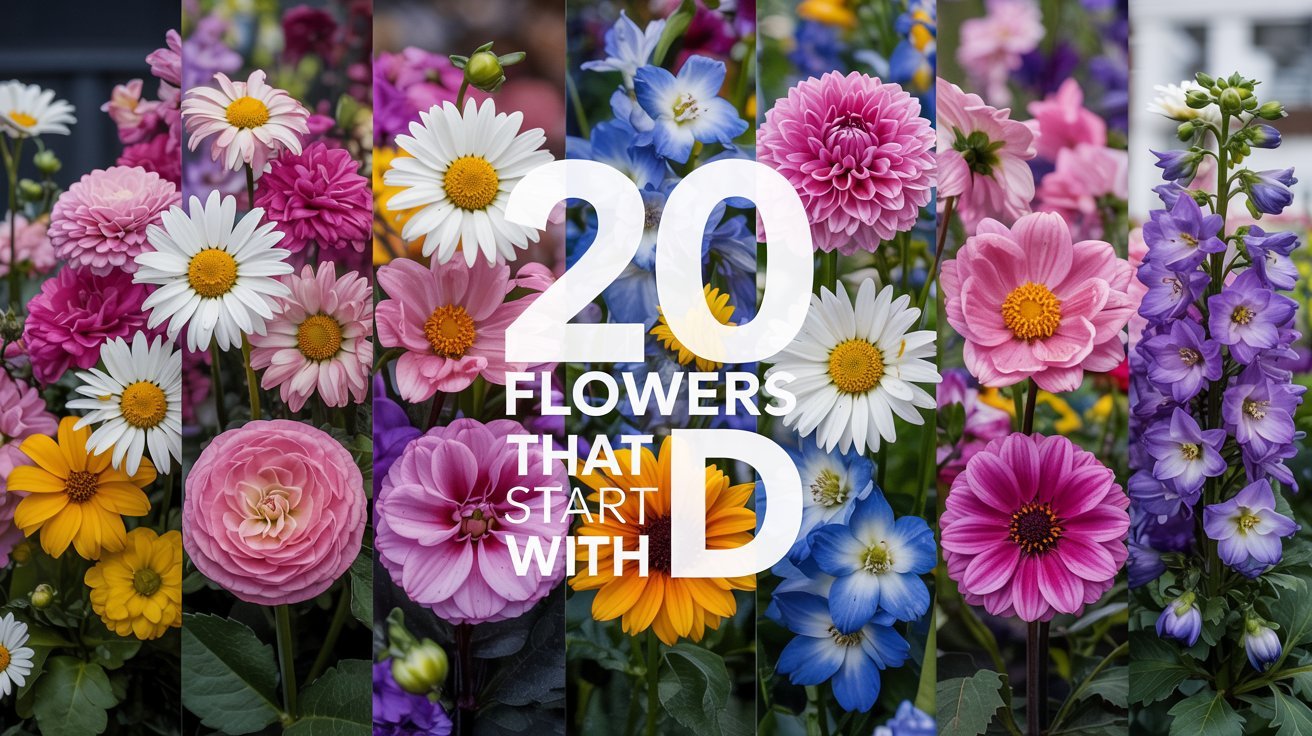
Ashley Scott shares 20 flowers that start with D—dahlia, daffodil, daylily, more—for a vibrant garden. Easy tips for US gardeners!
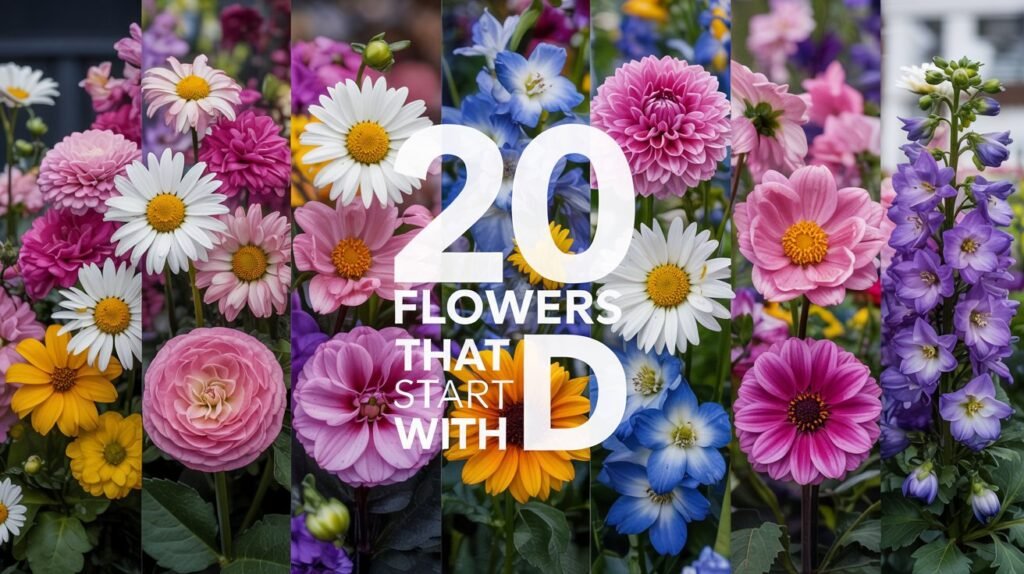
Hey garden friends! I’m Ashley Scott, and after more than ten years of growing plants in my California backyard, I’ve come to love flowers that bring vibrant colors and easy care to my garden beds. Today, I’m sharing 20 flowers that start with D, perfect for US gardeners in zones 3-10 who want to create a stunning display. From bold dahlias to delicate dicentras, these blooms offer diverse looks, bloom times, and benefits like attracting pollinators or thriving in tough conditions. I’ve had my share of wins (and a few soggy flops!), so I’ll share practical tips, personal stories, and specific advice to help you grow these beauties. Let’s make your garden shine!
Why Grow Flowers That Start with D?
These flowers add structure, color, and wildlife to your garden beds. They work in various styles—cottage, modern, or wildflower—and pair well with perennial plants or compost-enriched soil. I planted dahlias on a whim once, and they bloomed for 12 weeks straight, stealing the show. Whether you’re in a chilly Midwest plot or a sunny Southern one, these flowers offer long blooms, low maintenance, or pest resistance. For general flower tips, check our flower gardening guide on USA Garden Hub.
1. Dahlia
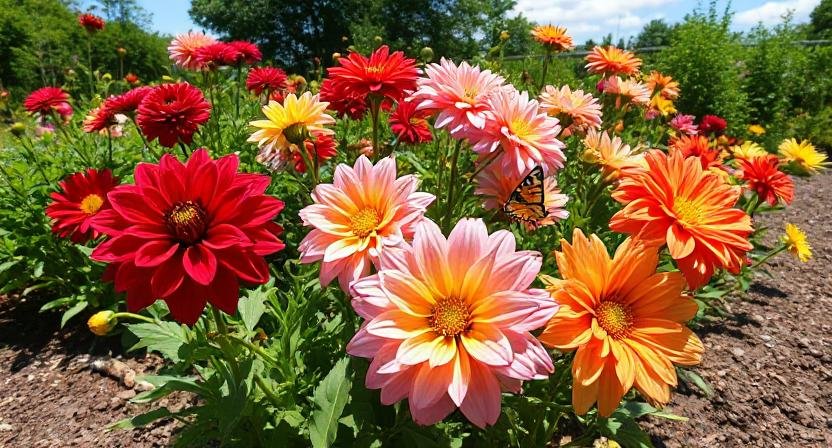
Dahlias bring bold, dinner-plate-sized blooms from July to frost. My ‘Café au Lait’ was a hit at 8 inches wide.
- Grow It: Plant tubers in spring, 6 inches deep, in full sun with compost-rich soil (pH 6.5-7.0). Space 12-18 inches apart.
- Care: Water 1 inch weekly; stake 3-5 foot varieties. Store tubers indoors in zones 3-7 after fall frost.
- Tip: Pinch tops at 12 inches for bushier plants. Doubled my blooms!
- Zones: 8-10; 3-7 with storage.
Resource: The Old Farmer’s Almanac on dahlia care.
2. Daffodil
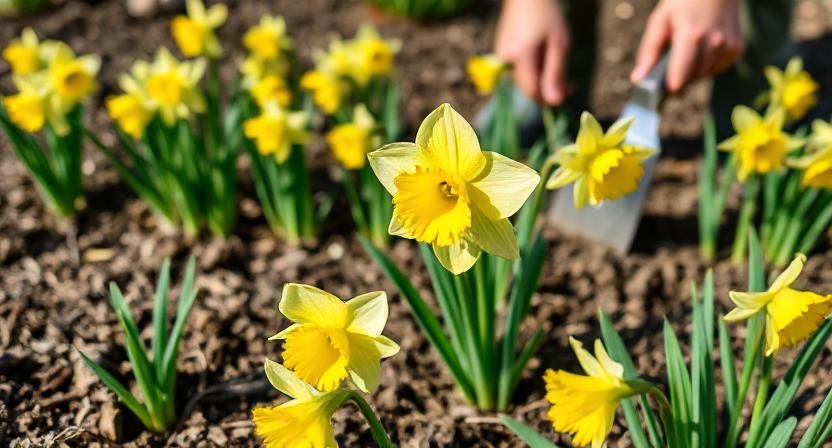
Daffodils bloom in spring with cheerful trumpets. My ‘Tête-à-Tête’ bloomed for 3 weeks despite partial shade.
- Grow It: Plant bulbs in fall, 6 inches deep, in full or partial sun with well-drained soil. Space 4-6 inches.
- Care: Water 0.5 inch weekly in spring; let foliage die back naturally.
- Tip: Plant 10-15 bulbs for a bold display. My front yard pops!
- Zones: 3-8.
Resource: Cornell University on bulbs.
3. Daylily
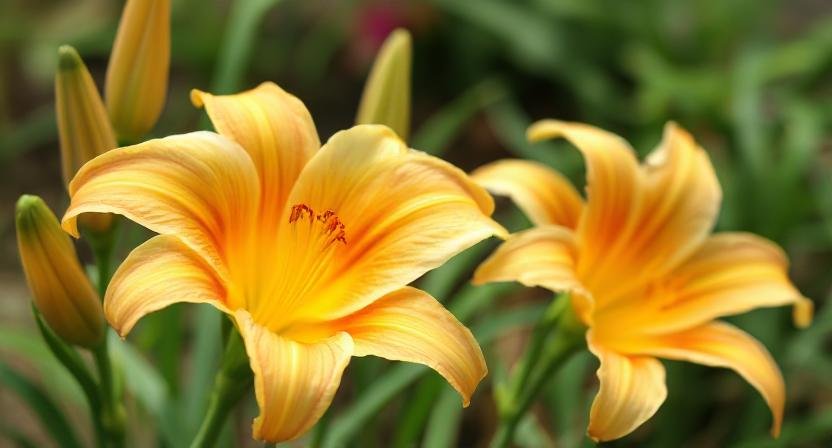
Daylily bloom daily from June to September. My ‘Stella d’Oro’ gave me 2 months of color.
- Grow It: Plant roots in spring or fall, 12 inches apart, in full sun or light shade with compost soil (pH 6.0-6.5).
- Care: Water 1 inch weekly; divide every 3-5 years.
- Tip: Choose rebloomers like ‘Happy Returns’ for longer shows.
- Zones: 3-9.
Resource: University of Minnesota on daylilies.
4. Delphinium
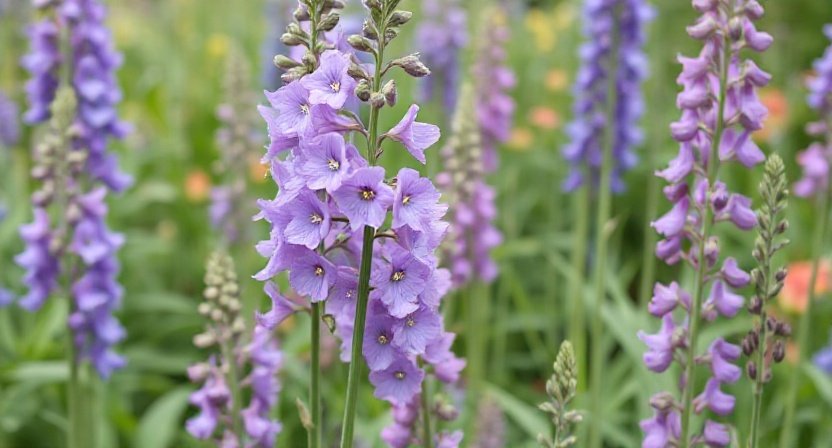
Delphiniums add tall, dramatic spires. My ‘Pacific Giant’ flopped without stakes—now I stake early.
- Grow It: Plant in spring, 2 feet apart, in full sun with rich soil (pH 6.5-7.5).
- Care: Water 1-2 inches weekly; stake 3-6 foot stems. Cut back for rebloom.
- Tip: Pair with low growers like salvia to hide bases.
- Zones: 3-7.
Resource: Purdue Extension on delphiniums.
5. Dianthus
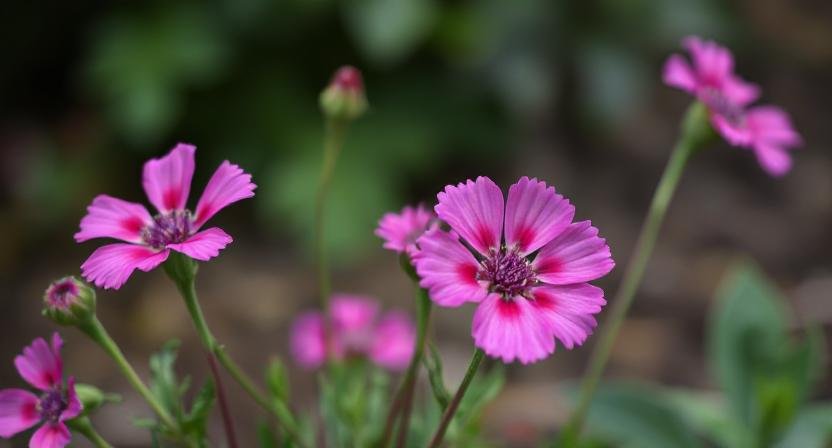
Dianthus (pinks) offer spicy-scented blooms for 6-8 weeks. My ‘Firewitch’ edged a path perfectly.
- Grow It: Plant in spring, 6-12 inches apart, in full sun with well-drained soil (pH 6.0-7.0).
- Care: Water 1 inch weekly; shear after blooming for rebloom.
- Tip: Great for containers. My patio pots glow!
- Zones: 3-9.
Resource: Epic Gardening on dianthus.
6. Daisy
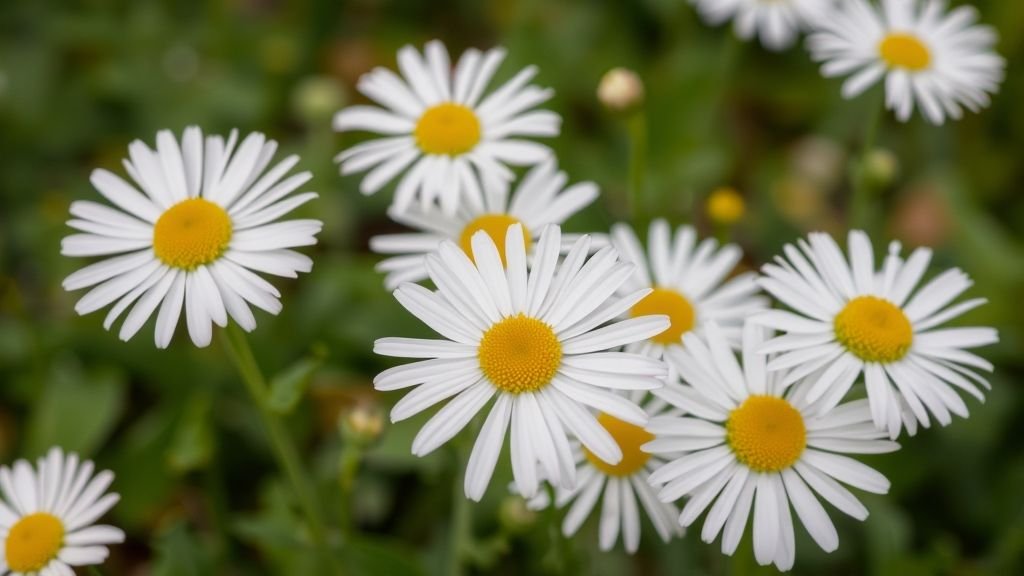
Daisies bring classic charm from June to August. My Shasta daisies attracted butterflies galore.
- Grow It: Plant in spring, 12 inches apart, in full sun with average soil.
- Care: Water 1 inch weekly; deadhead for more blooms.
- Tip: Plant in groups for a bold look.
- Zones: 4-8.
7. Digitalis (Foxglove)
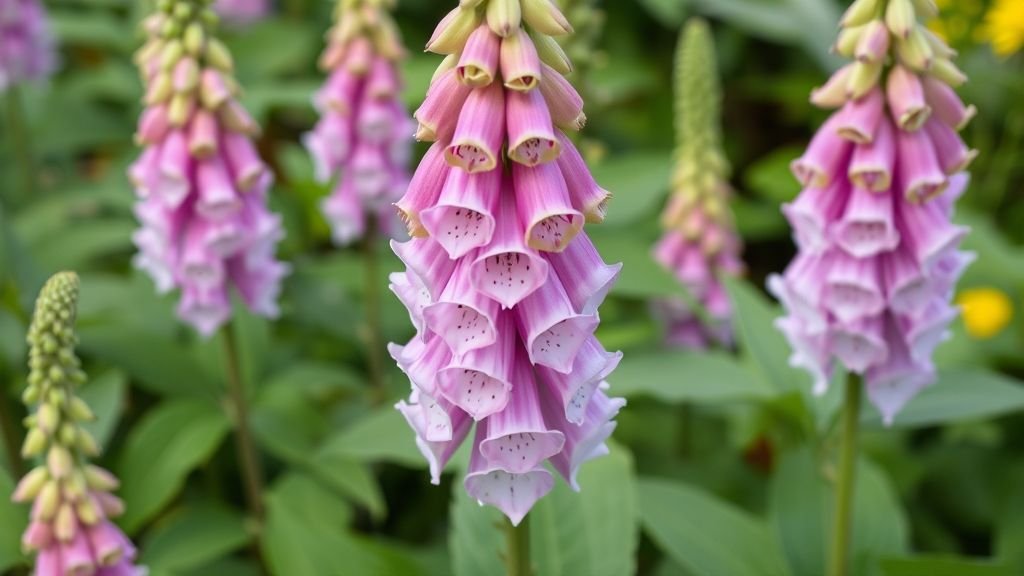
Foxgloves bloom in June as biennials but self-seed. My ‘Foxy’ added height to a shady corner.
- Grow It: Sow seeds in summer, 18 inches apart, in partial shade with rich soil.
- Care: Water 1 inch weekly; let seed heads form for regrowth.
- Tip: Toxic, so keep away from kids and pets.
- Zones: 4-8.
8. Datura
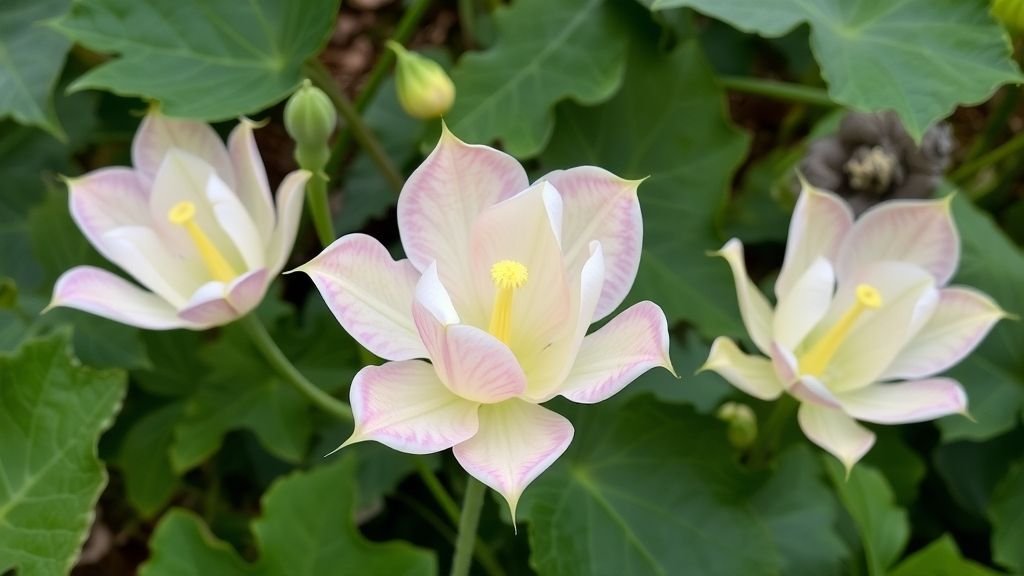
Datura’s night-blooming trumpets are striking. I grew ‘Jimsonweed’ but learned it’s toxic—handle with care.
- Grow It: Plant in spring, 2 feet apart, in full sun with well-drained soil.
- Care: Water 1 inch weekly; prune lightly.
- Tip: Great for evening gardens.
- Zones: 9-11; annual elsewhere.
9. Delosperma (Ice Plant)
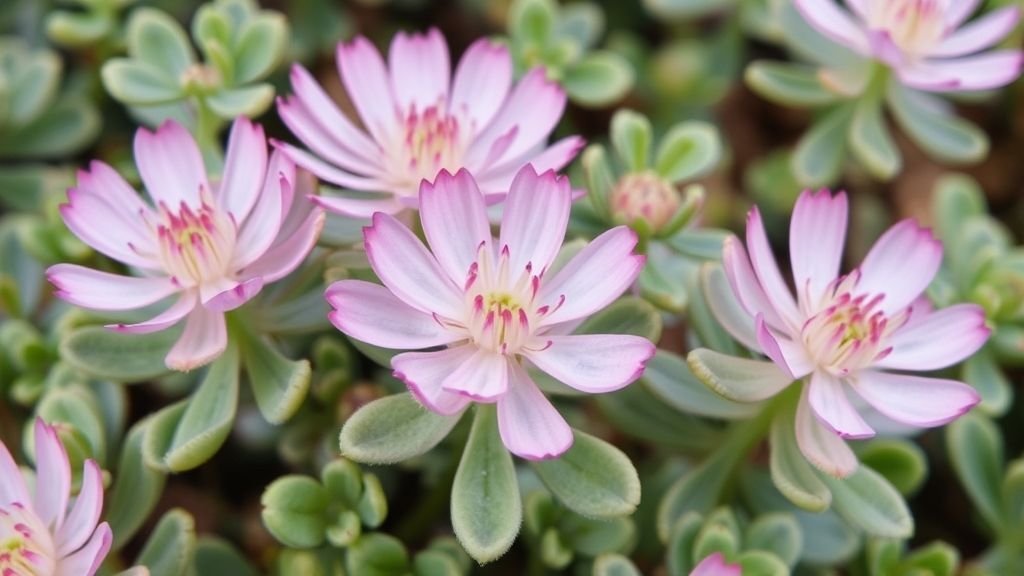
Ice plants are drought-tolerant ground covers. My ‘Fire Spinner’ bloomed all summer.
- Grow It: Plant in spring, 12 inches apart, in full sun with sandy soil.
- Care: Water sparingly, 0.5 inch weekly.
- Tip: Perfect for rock gardens.
- Zones: 5-9.
10. Dicentra (Bleeding Heart)
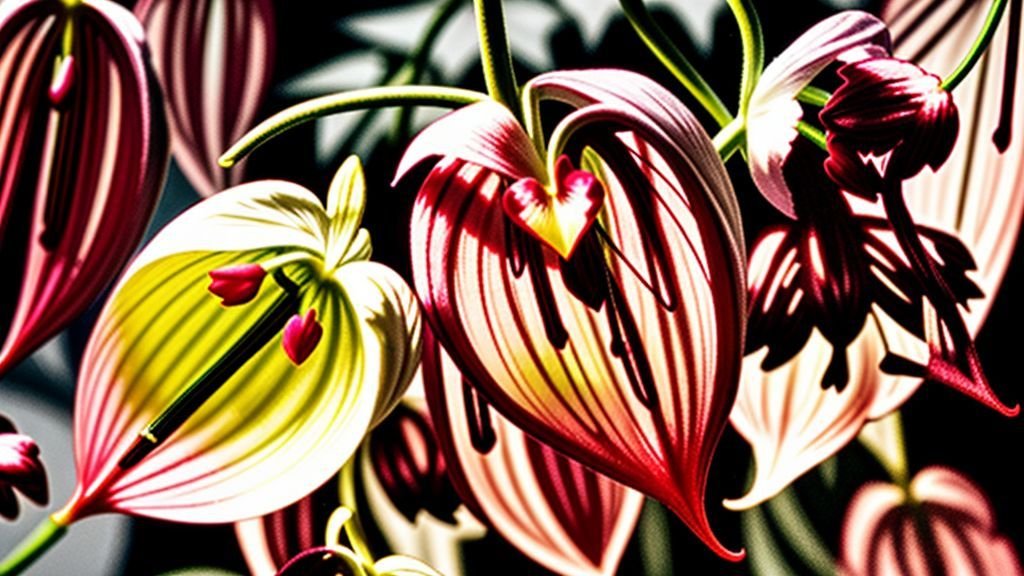
Dicentra’s heart-shaped blooms shine in spring. My ‘Spectabilis’ lasted 4 weeks.
- Grow It: Plant in fall, 12 inches apart, in partial shade with rich soil.
- Care: Water 1 inch weekly; add mulch.
- Tip: Pair with ferns for shade beds.
- Zones: 3-9.
11. Dodecatheon (Shooting Star)
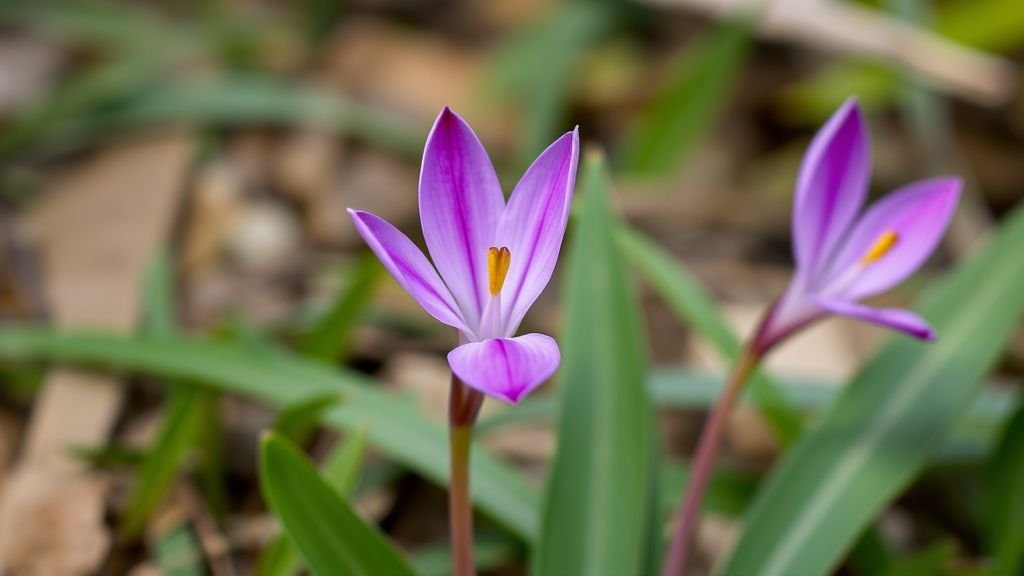
Shooting stars are native wildflowers for spring. My ‘Primula’ drew bees.
- Grow It: Plant in fall, 10 inches apart, in partial shade with moist soil.
- Care: Water 1 inch weekly in spring.
- Tip: Great for naturalizing.
- Zones: 4-8.
12. Dracocephalum (Dragonhead)
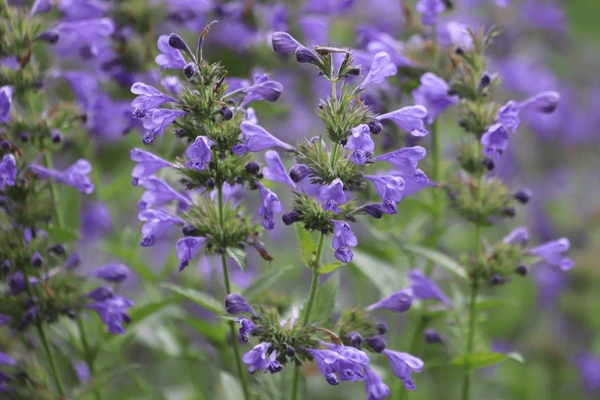
Dragonhead attracts bees in summer. My ‘Fuji Blue’ added pops of color.
- Grow It: Plant in spring, 12 inches apart, in full sun with average soil.
- Care: Water 1 inch weekly; deadhead.
- Tip: Use in borders for pollinators.
- Zones: 3-7.
13. Doronicum (Leopard’s Bane)
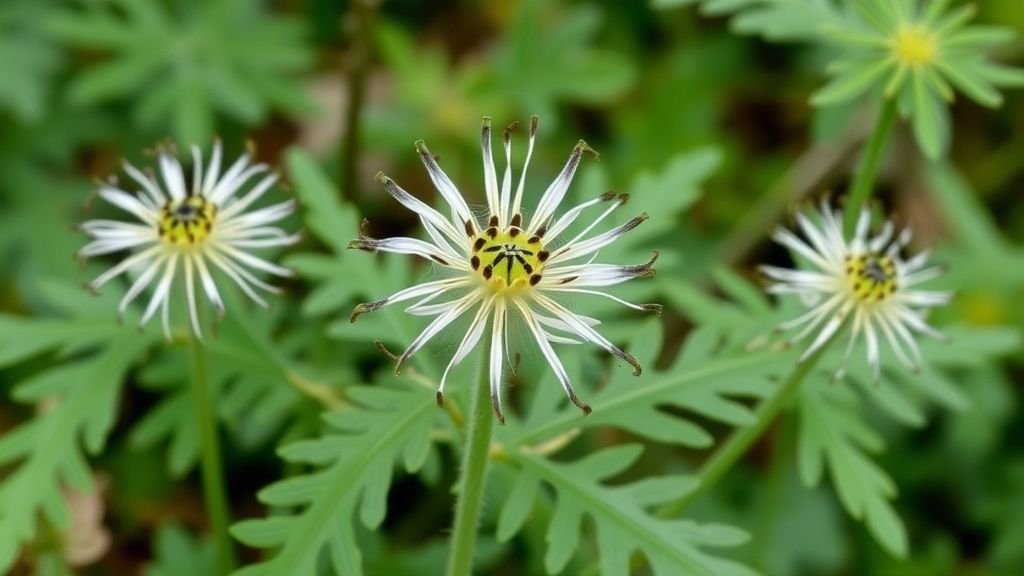
Doronicum blooms early in spring. My ‘Little Leo’ was a cheerful surprise.
- Grow It: Plant in fall, 12 inches apart, in partial sun with rich soil.
- Care: Water 1 inch weekly; divide every 3 years.
- Tip: Pair with tulips for spring color.
- Zones: 4-8.
14. Dierama (Angel’s Fishing Rod)
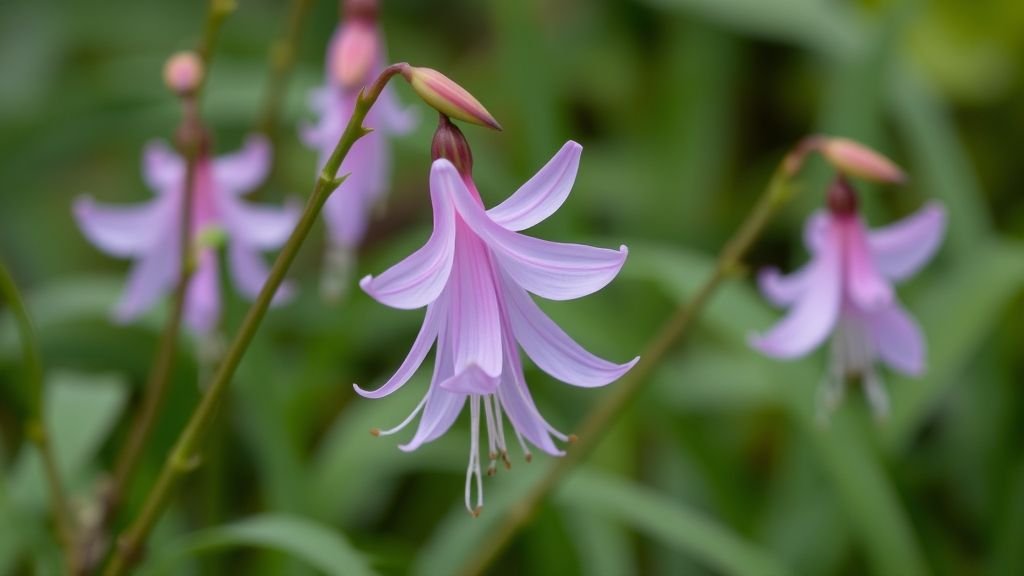
Dierama’s graceful bells sway in summer. My ‘Slieve Donard’ added elegance.
- Grow It: Plant in spring, 18 inches apart, in full sun with well-drained soil.
- Care: Water 1 inch weekly; protect from wind.
- Tip: Use in mixed borders.
- Zones: 7-9.
15. Dimorphotheca (African Daisy)
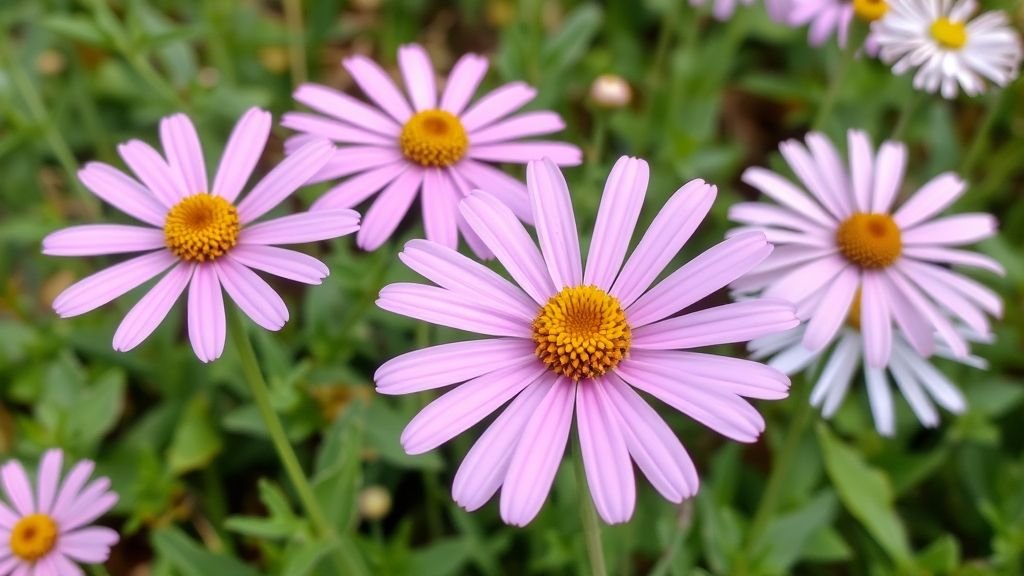
African daisies bloom summer-long. My ‘Osteospermum’ thrived in heat.
- Grow It: Plant in spring, 12 inches apart, in full sun with sandy soil.
- Care: Water 0.5 inch weekly; deadhead.
- Tip: Great for dry gardens.
- Zones: 9-11; annual elsewhere.
16. Dipsacus (Teasel)
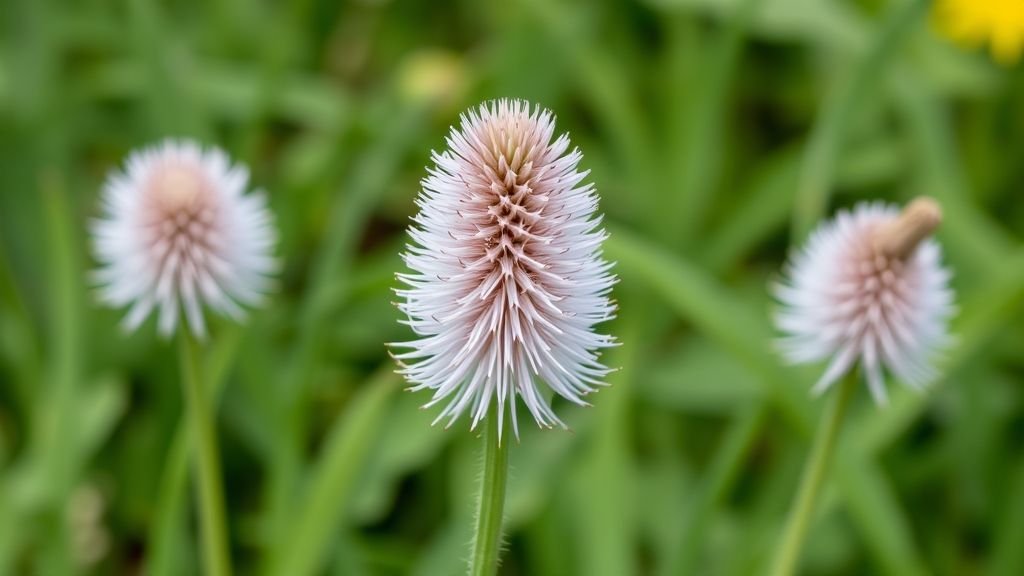
Teasel’s spiky heads attract birds. My ‘Sylvestris’ added texture.
- Grow It: Sow seeds in spring, 2 feet apart, in full sun with average soil.
- Care: Water 1 inch weekly; biennial.
- Tip: Use for wildlife gardens.
- Zones: 4-8.
17. Dryas
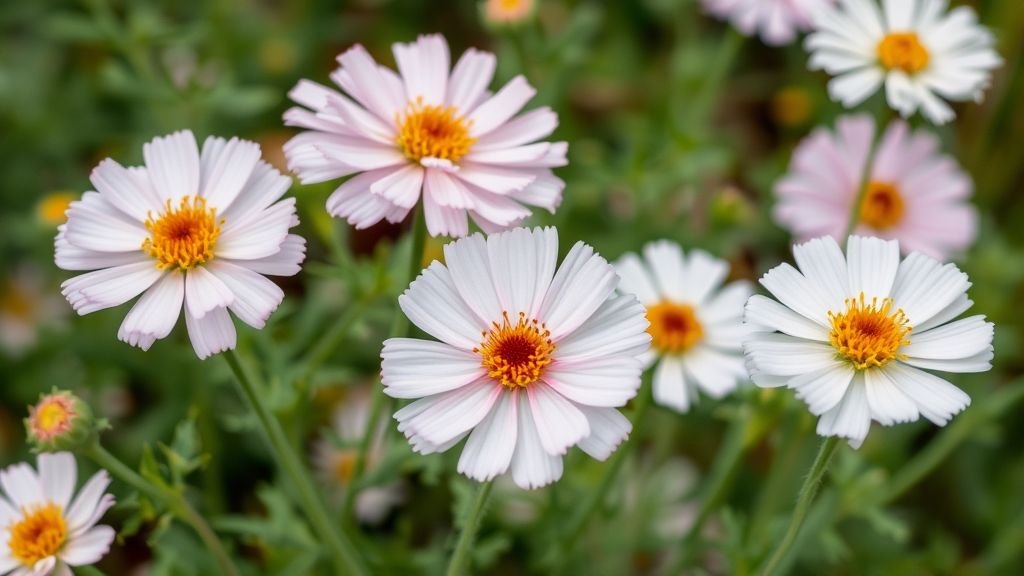
Dryas is a low-growing ground cover. My ‘Octopetala’ worked in rocky spots.
- Grow It: Plant in spring, 12 inches apart, in full sun with well-drained soil.
- Care: Water sparingly; add gravel mulch.
- Tip: Ideal for rock gardens.
- Zones: 3-6.
18. Dactylorhiza (Marsh Orchid)
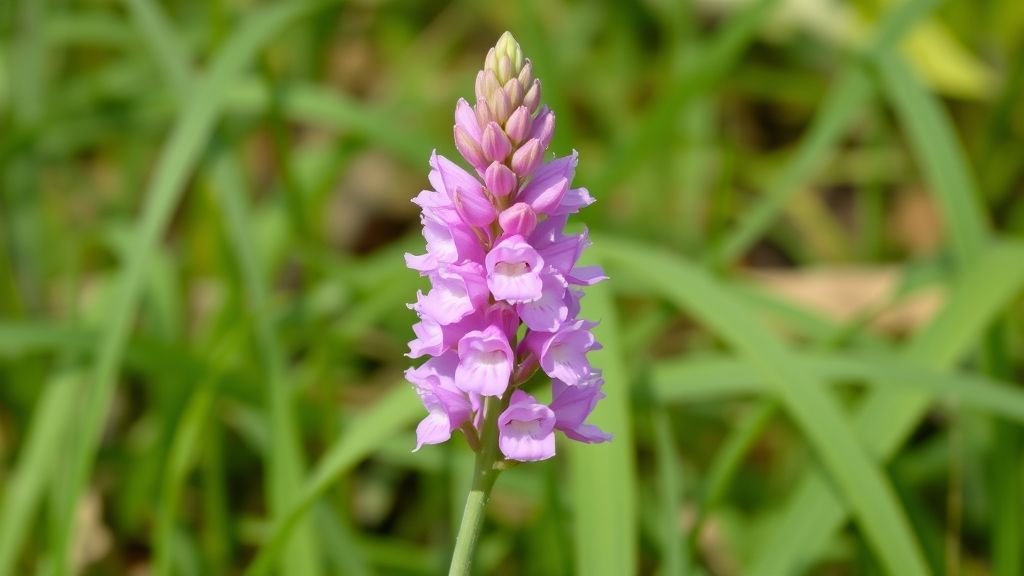
Marsh orchids bloom in summer. My ‘Fuchsii’ loved damp spots.
- Grow It: Plant in spring, 12 inches apart, in partial shade with wet soil.
- Care: Water 1 inch weekly; keep soil moist.
- Tip: Use in bog gardens.
- Zones: 5-8.
19. Deschampsia (Tufted Hair Grass)
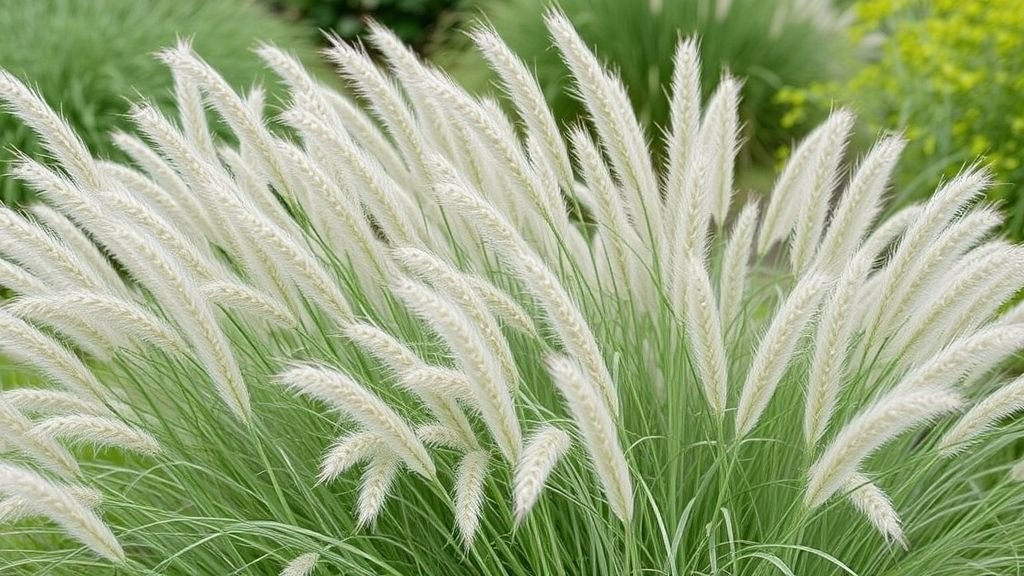
Deschampsia adds soft texture. My ‘Goldtau’ swayed beautifully.
- Grow It: Plant in spring, 18 inches apart, in full or partial sun with average soil.
- Care: Water 1 inch weekly; trim in spring.
- Tip: Use for airy borders.
- Zones: 4-9.
20. Dendranthema (Hardy Mum)
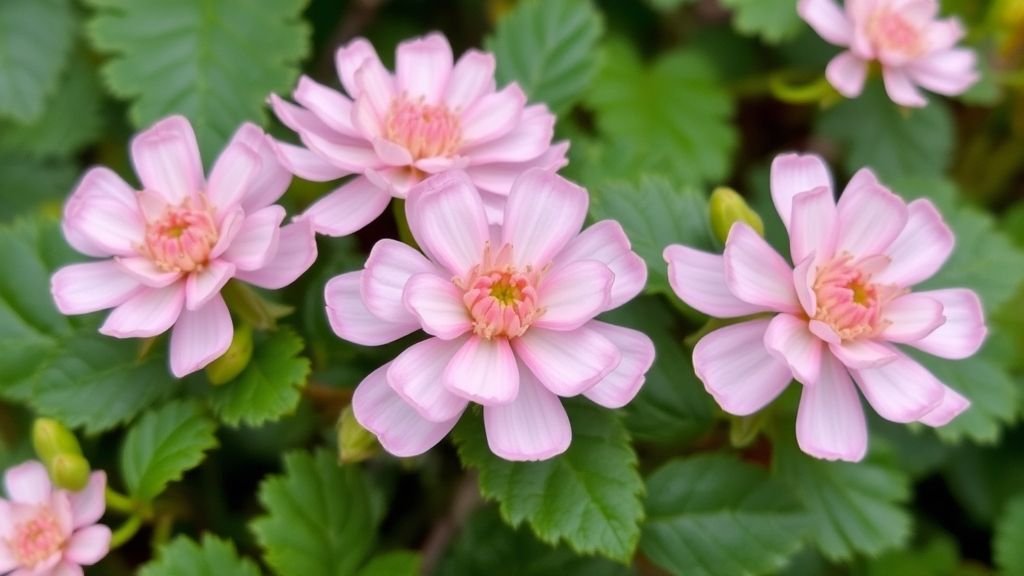
Hardy mums bloom in fall. My ‘Sheffield Pink’ lasted 6 weeks.
- Grow It: Plant in spring, 18 inches apart, in full sun with rich soil.
- Care: Water 1 inch weekly; pinch tips until July for bushiness.
- Tip: Great for fall color.
- Zones: 5-9.
Mistakes to Avoid
I’ve made these mistakes; don’t you:
- Overwatering datura or dicentra; soggy soil rots roots.
- Not staking delphiniums; they fall in wind.
- Skipping compost; weak soil cuts blooms.
Check our common gardening mistakes for more.
Make Your Garden Pop with These D-Flowers
These 20 flowers that start with D bring color, texture, and pollinators to your garden beds. From dahlias’ summer show to hardy mums’ fall glow, plant in well-drained soil, add compost, and follow my tips for success. Which flower are you growing first? Share in the comments; I’d love to hear! For more ideas, visit our full gardening blog or sustainable gardening tips on USA Garden Hub. Happy planting; let your garden shine!