Learn simple ways to keep squirrels out of potted plants with barriers, repellents, and more from Ashley Scott, a 10-year gardening pro. Perfect for USA gardeners!

Hey there, gardeners! I’m Ashley Scott, and with 10 years of digging in the dirt across the USA, I’ve battled my fair share of furry foes like squirrels raiding my potted plants. Those little critters love to dig up bulbs, munch on roots, or just make a mess while burying nuts. But don’t worry I’ve got proven tips to keep them at bay without harming them or your plants. These methods come from reliable sources and my own trial-and-error. Let’s break it down step by step for easy, humane solutions.
1. Use Physical Barriers to Block Digging

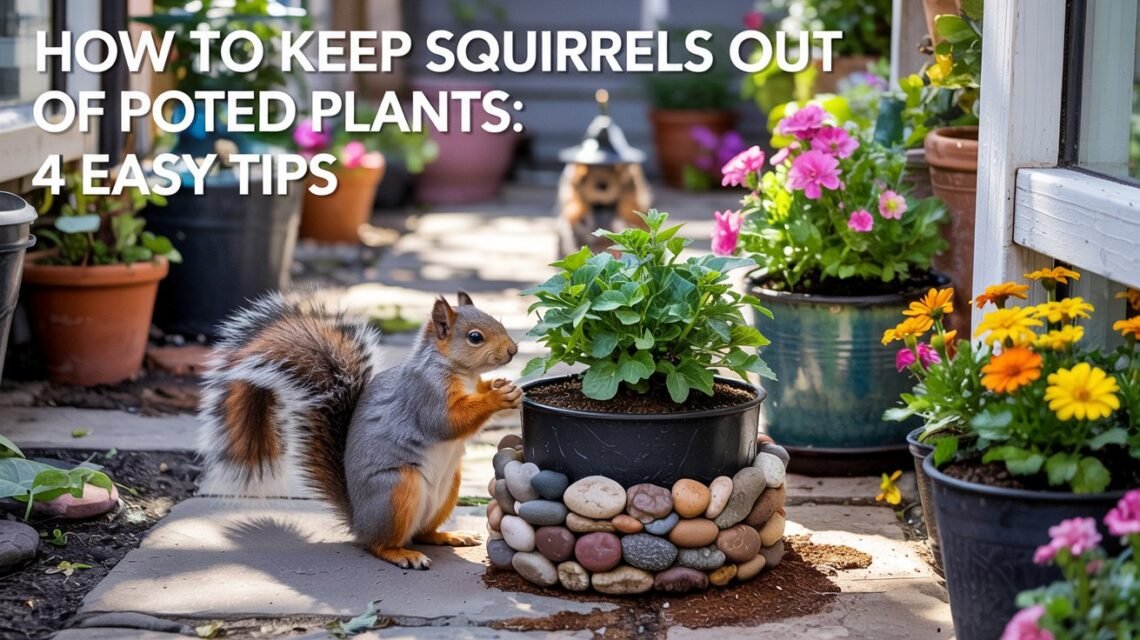
Squirrels dig for fun or food, so covering the soil is a simple first line of defense. In my garden, I’ve found this works wonders for pots on patios or balconies.
- Add rocks or gravel: Layer smooth river rocks or decorative stones on top of the soil around your plants. This makes it hard for squirrels to dig without disturbing the setup. I’ve used this for my potted herbs, and it’s held up through multiple seasons just water as usual.
- Mulch it up: A thick layer of mulch (like pine bark or wood chips) deters digging and keeps soil moist. It’s healthier for plants too bonus!
- Wire mesh or screens: Cut chicken wire or hardware cloth to fit over the soil, securing it with stakes or clips. Poke holes for plant stems. This is great for bulbs like tulips that squirrels love to unearth.
2. Apply Natural Repellents

Squirrels have sensitive noses, so scents they hate can send them scampering. These are pet-safe and easy to DIY from kitchen staples.
- Spicy sprinkles: Dust cayenne pepper, red pepper flakes, or black pepper on the soil. Reapply after rain or watering it irritates their paws and noses without harming plants.
- Coffee grounds: Scatter used coffee grounds around the pot. The smell repels squirrels (and it’s a natural fertilizer!). I mix mine in after my morning brew it’s worked like a charm on my flower pots.
- Peppermint or garlic spray: Mix peppermint oil or crushed garlic with water in a spray bottle and mist the soil and plants. Squirrels detest these strong aromas.
Pro tip: Rotate repellents every few weeks so squirrels don’t get used to them.
3. Make Your Yard Less Inviting

Prevention is key remove attractions to keep squirrels from targeting your pots in the first place.
- Limit food sources: Clean up fallen nuts, fruits, or birdseed around your pots. If you have bird feeders, switch to squirrel-proof ones or use unsavory seed mixes (like those with hot peppers).
- Plant squirrel-repelling companions: Surround pots with plants like daffodils, onions, or garlic that squirrels avoid. Or mix in marigolds they’re pretty and pest-deterring, tying into my love for bee-friendly blooms (check my post on 8 Blooming Plants That Bees Love).
- Decoys and scares: Place fake snakes or owls near pots to spook them. Motion-activated sprinklers or ultrasonic devices can add an extra layer I’ve used a cheap solar one with good results.
4. Other Tricks and Long-Term Solutions
If the basics aren’t enough, try these:
- Pot placement: Elevate pots on stands or group them in hard-to-reach spots. Squirrels prefer easy access.
- Bone meal alternative: If you use bone meal fertilizer (which attracts them), switch to a plant-based option.
- Feed them elsewhere: Set up a squirrel feeder far from your pots with nuts or corn to distract them. It’s a win-win for peaceful coexistence.
In my experience, combining barriers with repellents is most effective start simple and layer as needed. These methods are humane and won’t harm wildlife or your garden ecosystem. If squirrels are a big issue, consider native grasses or low-maintenance setups (like my tips in 10 Best Types of Ornamental Grass That Are Native) to make your space less appealing.
Got more garden woes? Head to USA Garden Hub for ideas like affordable patio makeovers or air-purifying plants. Happy planting!