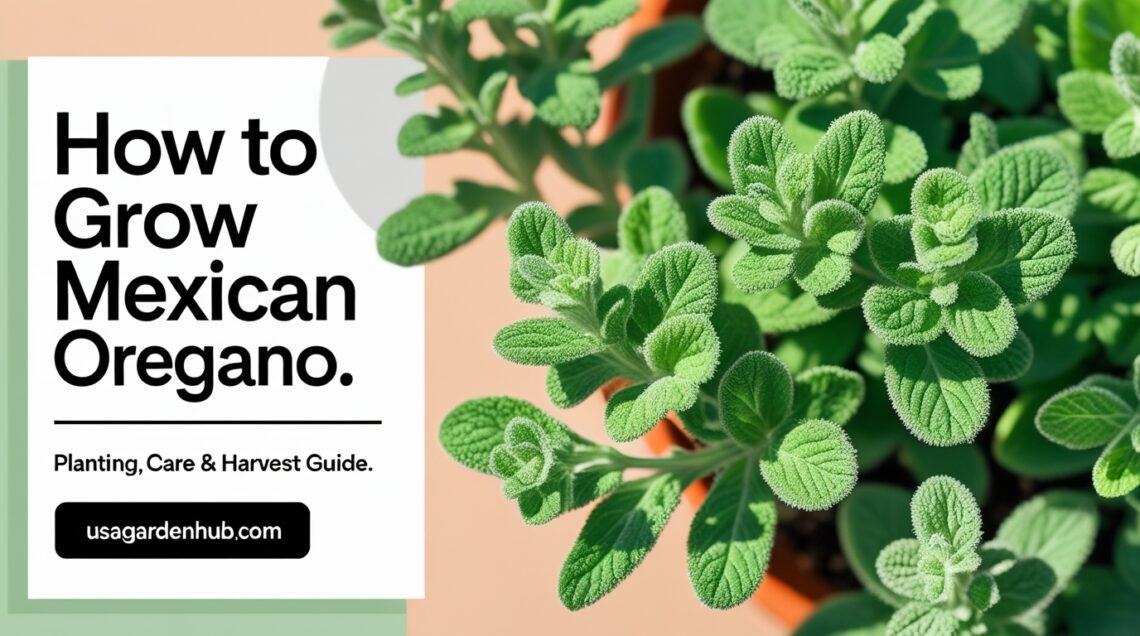
Learn how to grow Mexican oregano in your garden or containers. This easy guide covers planting from cuttings, care tips, and how to harvest this flavorful, drought-tolerant herb.
I’ll never forget the first time I grew Mexican oregano. I was used to the common Mediterranean variety, but one taste of this plant’s brighter, more citrusy flavor convinced me to make it a garden staple. After years of growing it, I can tell you it’s one of the easiest and most rewarding herbs in my garden.
Mexican oregano (Lippia graveolens) is not a true oregano but is part of the verbena family. It’s a hardy, drought-tolerant shrub native to the southwestern U.S., Mexico, and Central America. Its leaves pack a robust, earthy flavor with hints of citrus and mint, perfect for salsas, chili, and meat rubs.
Why You Should Grow Mexican Oregano
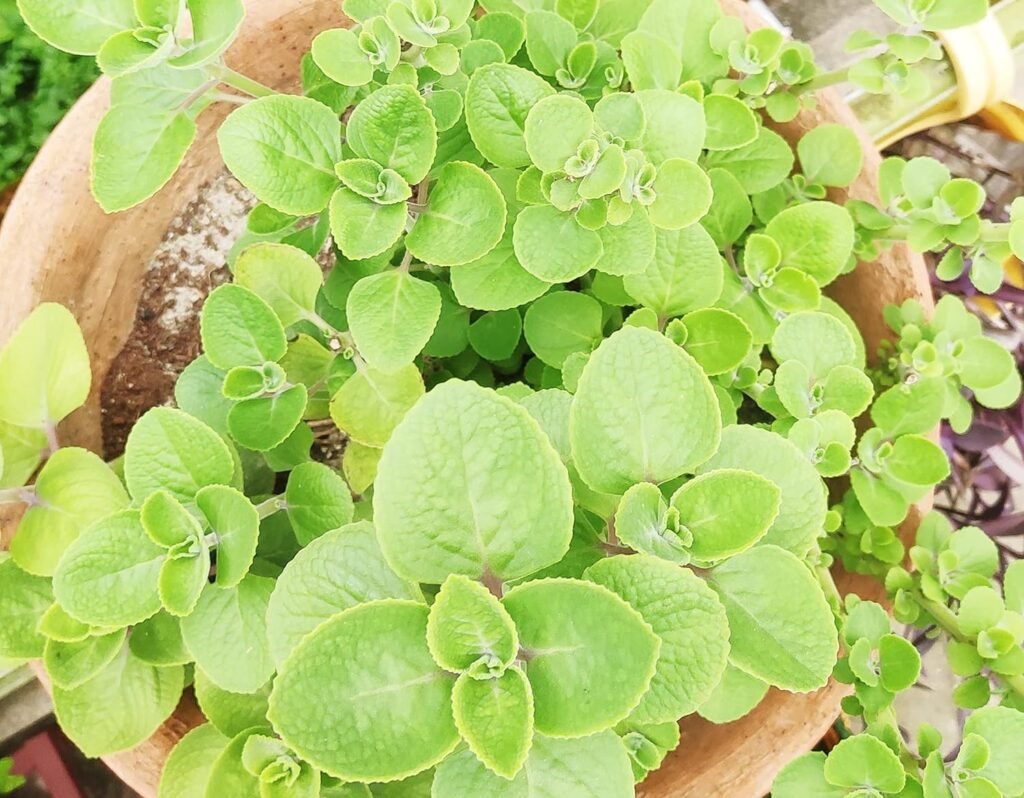
You should grow this herb for three key reasons. First, its flavor is essential for authentic Mexican and Tex-Mex dishes. Second, it’s incredibly tough and thrives in hot, dry conditions where other herbs might struggle. Third, it produces delicate white flowers that attract bees and butterflies, making it a beautiful and beneficial addition to your garden.
How to Plant Mexican Oregano
You have a couple of reliable options for starting your plant. I find that starting from a cutting is often the easiest.
Starting from a Cutting
This is my preferred method because it’s simple and clones a plant you know has good flavor.
- Take a Cutting: In the spring or early summer, use clean shears to snip a 4-6 inch piece from the tip of a healthy, non-flowering stem.
- Prepare the Cutting: Remove the leaves from the bottom half of the stem.
- Root the Cutting: You can place the stem in a glass of water on a windowsill, changing the water every few days. Once roots are an inch long, pot it up. Alternatively, dip the end in rooting hormone and plant it directly in a small pot filled with a well-draining potting mix. Keep the soil lightly moist until new growth appears.
Planting a Nursery Plant
This is the fastest way to get a harvest.
- Timing: Plant after all danger of frost has passed and the soil is warm.
- Location: Choose a spot with full sun. It needs at least 6-8 hours of direct sun daily.
- Soil: The most critical factor is well-draining soil. It thrives in sandy or rocky soil and is perfectly suited for xeriscaping. If you have heavy clay, amend it with gravel or sand, or simply grow it in a container.
Caring for Your Mexican Oregano Plant
This is a low-maintenance plant that thrives on a little neglect.
- Watering: Once established, Mexican oregano is very drought-tolerant. Water deeply but infrequently, allowing the soil to dry out completely between waterings. Overwatering is the quickest way to harm this plant.
- Fertilizing: Go easy. A light application of a balanced, organic fertilizer in the spring is plenty. Too much fertilizer will produce lots of leaves with less flavor.
- Pruning: Regular harvesting will keep the plant bushy and full. If it becomes woody, you can prune it back by about one-third in the spring to encourage fresh new growth.
- Pests and Diseases: I’ve rarely had issues. Good drainage and air circulation prevent most root rot and fungal problems. It is generally pest-resistant.
Overwintering in Cold Climates
If you live north of USDA Zone 8, you will need to protect your plant in winter. The easiest solution is to grow it in a container that you can bring indoors before the first frost. Place it in a sunny window and water very sparingly through the winter months. The Arizona Cooperative Extension notes its sensitivity to frost and recommends protection in cooler regions.
Harvesting and Using Your Oregano
You can begin harvesting once the plant is well-established, about 6-8 inches tall. Simply snip off the tips of the stems, which encourages branching. The flavor is most potent just before the plant flowers.
Use the leaves fresh, or dry them by hanging small bunches upside down in a warm, airy place. The dried leaves hold their flavor well and are perfect for grinding into rubs and spice blends.
For more guides on growing your own kitchen ingredients, explore our articles on container gardening and starting an herb garden.