
Learn how to care for Martha Washington geraniums (Regal geraniums). This easy guide covers their unique needs for light, temperature, and water to keep them blooming beautifully.
I remember the first time I saw a Martha Washington geranium. Its blooms were so large and vividly patterned, they looked like they belonged in a tropical greenhouse. I brought one home, only to watch it struggle in the summer heat. That’s when I learned these aren’t your average geraniums. They have specific needs, but once you understand them, you’ll be rewarded with the most spectacular flowers.
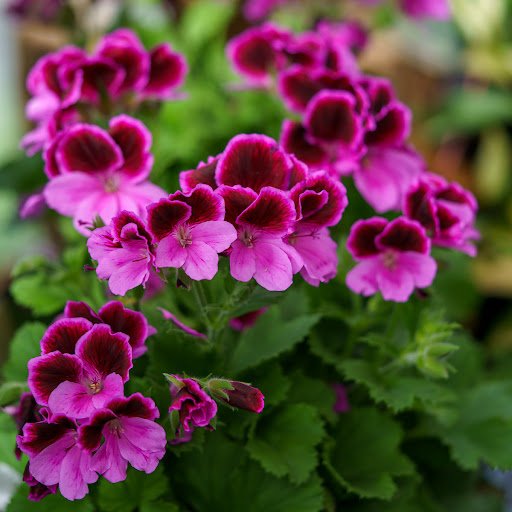
Martha Washington geraniums, also known as Regal or Pansy geraniums, are prized for their large, ornate blooms that often feature stunning blotches and veining in contrasting colors. They are a bit more finicky than common zonal geraniums, but their beauty is well worth the extra effort.
What Makes Martha Washington Geraniums Different?
You can think of Martha Washington geraniums as the divas of the geranium world. They thrive in cool weather and are typically at their best in spring and early fall. Unlike other geraniums that love blazing summer sun, they often stop blooming and go dormant when temperatures rise consistently above 70°F (21°C). Their primary goal is to put on a breathtaking spring show.
Essential Care Requirements
To keep your plant healthy and flowering, you need to get a few key things right.
Light and Temperature
This is the most critical factor for success. These plants need bright, indirect light for at least six hours a day. A spot with morning sun and afternoon shade is perfect. They cannot handle intense, direct afternoon heat.
They are cool-weather lovers. Ideal daytime temperatures are between 65-70°F (18-21°C), with cooler nights around 50-60°F (10-16°C). This temperature drop is what triggers them to set buds. If you are growing them indoors, keep them away from heating vents. For more on managing plants in containers, see our guide on container gardening.
Watering and Feeding
Water your geranium when the top inch of soil feels dry to the touch. Water thoroughly until it runs out the drainage hole, but never let the plant sit in a saucer of water. Soggy soil quickly leads to root rot.
Feed your plant every two to four weeks during its active growing season (spring and fall) with a water-soluble fertilizer. Use a “bloom booster” formula that is higher in phosphorus (the middle number) than nitrogen to encourage flowers over leaves.
Soil and Potting
Well-draining soil is non-negotiable. A standard, good-quality potting mix works well. Ensure your pot has adequate drainage holes. You generally do not need to repart every year; these plants do well when slightly pot-bound.
A Quick Care Reference
| Care Aspect | Requirement |
|---|---|
| Light | Bright, indirect light. Avoid hot afternoon sun. |
| Temperature | Cool (65-70°F days; 50-60°F nights). |
| Watering | When top inch of soil is dry. Avoid overwatering. |
| Soil | Well-draining potting mix. |
| Fertilizing | Every 2-4 weeks with a bloom-booster fertilizer during growth periods. |
Pruning and Deadheading for More Blooms
To encourage a bushier plant and more flowers, pinch back the stem tips early in the season. This is a simple trick I use on many of my flowering plants.
Regularly remove spent flower heads, a process called deadheading. This prevents the plant from putting energy into seed production and directs it back toward creating new blooms. Simply snap the old flower stalk off at its base.
Common Problems and Solutions Martha Washington Geranium
Even with the best care, you might encounter an issue. Here’s how to handle them.
- Yellowing Leaves: This is almost always a sign of overwatering. Check your watering habits and make sure the pot drains well.
- No Flowers: The usual culprit is insufficient light or temperatures that are too warm. Move the plant to a brighter, cooler location. Too much nitrogen fertilizer can also prevent blooming.
- Leggy Growth: If the plant becomes tall and spindly, it needs more light. Prune it back to encourage bushier growth and find it a sunnier spot.
- Pests: Watch for whiteflies, aphids, and spider mites. You can often control these by spraying the leaves with a strong stream of water or using an insecticidal soap. The University of Vermont Department of Plant and Soil Science is a good resource for understanding plant health issues.
How to Overwinter Your Plant
Since Martha Washingtons are perennial, you can keep them from year to year. As winter approaches, you have two main options, which I detail in my guide on overwintering plants.
- As a Dormant Plant: Before the first frost, prune the plant back by about half and place it in a cool, dark place like a basement. Water it very sparingly, just enough to keep the soil from completely drying out. Bring it back into the light in early spring.
- As a Houseplant: Bring the pot indoors and place it in your sunniest window. Treat it as a houseplant through the winter, and it should be ready to go back outside once cool spring weather returns.
For more information on the different types of geraniums, the Royal Horticultural Society offers a detailed genus guide.
Final Thoughts
Caring for a Martha Washington geranium is a rewarding challenge. The key is to remember its love for cool weather and its aversion to wet feet. If you can provide it with bright but gentle light and consistent moisture without sogginess, you will be amazed by its floral performance. It’s a stunning plant that makes all the extra care completely worthwhile.
If you’re looking for other show-stopping flowers to add to your collection, consider exploring our articles on flower gardening for more inspiration. Have you tried growing Martha Washington geraniums before? Share your tips in the comments below


