
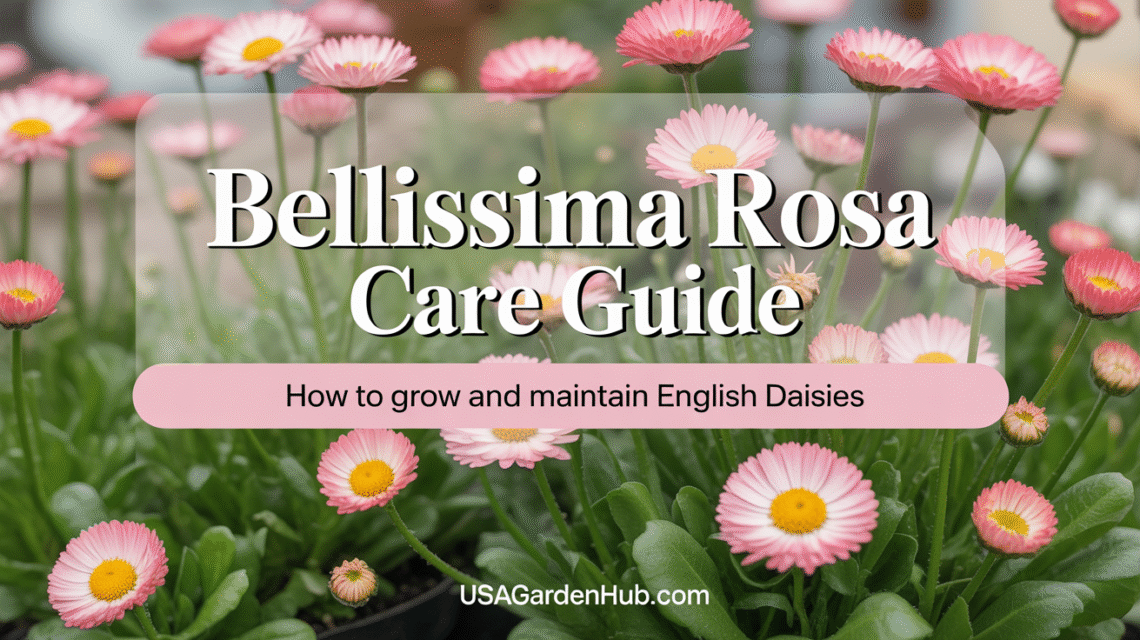
Learn how to plant, prune, and care for Bellissima Rosa (Bellis perennis). This guide covers everything from soil needs to deadheading for continuous blooms.
I first fell in love with Bellissima Rosa when I saw its perfect, pom-pom flowers brightening a neighbor’s spring garden. These cheerful daisies, a cultivated form of the common English Daisy (Bellis perennis), offer a spectacular show of color when many other plants are just waking up. With their tightly packed, double blooms in shades of pink, red, and white, they look like something from a storybook.
Bellissima Rosa is a cool-season perennial, though many gardeners grow it as an annual or biennial. It’s prized for its low-growing, mounding habit and its prolific flowering in the spring and fall.
Why You Should Grow Bellissima Rosa
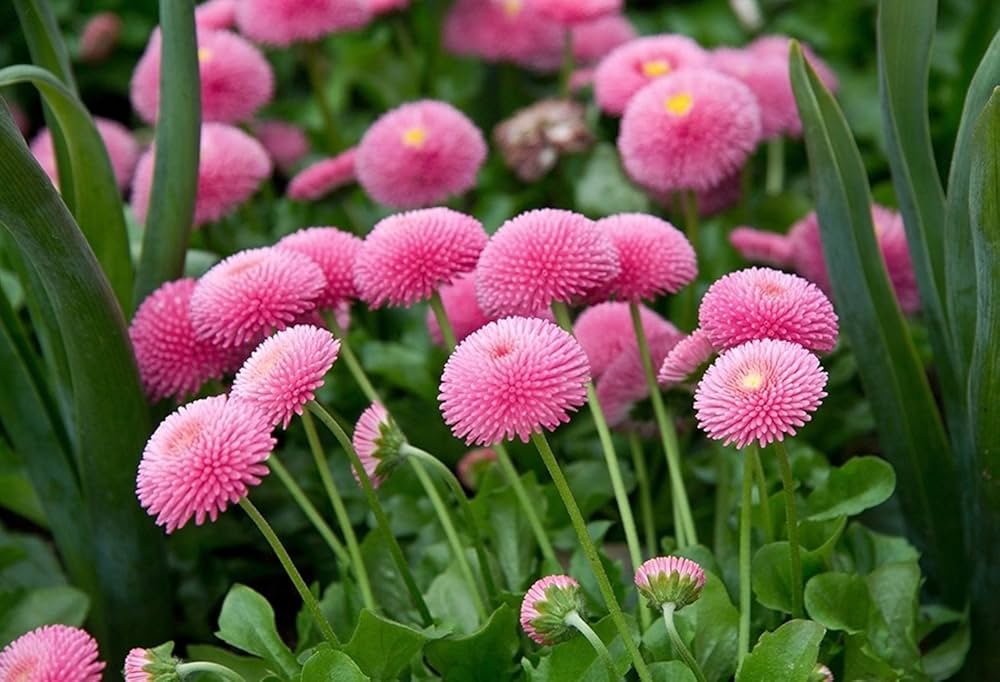
You should grow Bellissima Rosa for a burst of early-season color. It’s one of the first plants to flower in spring, often when nights are still chilly. It’s also incredibly versatile, working perfectly in containers, border edges, and as a seasonal ground cover. The more you pick the flowers for small bouquets, the more the plant will produce.
Bellissima Rosa at a Glance
| Feature | Description |
|---|---|
| Common Name | Bellissima Rosa, English Daisy, Double Daisy |
| Botanical Name | Bellis perennis |
| Plant Type | Short-lived perennial, often grown as a biennial |
| Mature Size | 6-8 inches tall, 6-9 inch spread |
| Sun Exposure | Full sun to partial shade |
| Soil Type | Moist, well-draining, fertile soil |
| Bloom Time | Spring to early summer; may rebloom in fall |
| Flower Color | Pink, rose, red, white |
| Hardiness Zones | USDA 4-8 |
How to Plant Bellissima Rosa
Getting your daisies off to a good start is simple with the right conditions.
Choosing a Location
Select a spot that receives full sun to partial shade. In cooler climates, full sun encourages the best bloom. In warmer regions, afternoon shade will help protect the plants from heat and prolong the flowering period. They are perfect for the front of a border or nestled into container gardens.
Soil Preparation
Bellissima Rosa thrives in rich, well-draining soil that stays evenly moist. Before planting, work several inches of compost or well-rotted manure into the top 6-8 inches of your garden bed. This improves both fertility and drainage.
Planting Steps
- Timing: Plant nursery-bought transplants in early spring or early fall.
- Spacing: Space plants 6 to 9 inches apart to allow for their mounding spread.
- Planting: Dig a hole as deep and wide as the root ball. Place the plant in the hole, ensuring the top of the root ball is level with the soil surface. Backfill with soil, firm gently, and water thoroughly.
Caring for Your Bellissima Rosa Plants
Consistent care will keep your plants healthy and blooming their best.
- Watering: Keep the soil consistently moist but not soggy. Water at the base of the plant to avoid wetting the foliage, which can lead to disease. During hot, dry spells, you may need to water every other day.
- Fertilizing: Feed your plants at planting time with a balanced, slow-release fertilizer mixed into the soil. For a continued boost, you can apply a liquid fertilizer every 4-6 weeks during the growing season.
- Deadheading and Pruning: This is the most important task for a long-lasting display. Regularly remove spent flower heads by pinching the stem off at the base. This prevents the plant from going to seed and encourages it to produce more blooms. After the main spring flush, you can shear the entire plant back by about one-third to encourage a tidier form and potential fall rebloom.
Common Problems and Solutions
Even the hardiest plants can face issues. Here’s how to handle them.
- Slugs and Snails: These are the most common pests. They chew irregular holes in the leaves and flowers. Handpick them at night or use pet-safe slug bait.
- Aphids: Small, soft-bodied insects that cluster on new growth. Spray them off with a strong stream of water from a hose or treat with insecticidal soap.
- Powdery Mildew: This appears as a white, powdery coating on leaves, usually in humid conditions with poor air circulation. Ensure proper spacing and water at the base of the plant. For more on managing this, see our guide on garden pest and disease control.
- Heat Stress: As temperatures soar in summer, Bellissima Rosa will often stop blooming and may die back, especially if grown as an annual. Providing afternoon shade can help extend its season.
Seasonal Maintenance Calendar
- Spring: Plant transplants. Begin regular watering and fertilizing. Deadhead spent flowers weekly.
- Early Summer: Shear plants back after the main bloom cycle fades. Continue to water during dry periods.
- Fall: Plants may rebloom as temperatures cool. This is also a good time to divide established clumps or plant new ones.
- Winter: In zones 4-8, plants are generally hardy. A light layer of mulch can help protect the roots from freeze-thaw cycles.
Final Thoughts
Bellissima Rosa is a charming, low-maintenance plant that provides a powerful punch of color exactly when we need it most—after a long winter. By giving it rich soil, consistent moisture, and a little time spent deadheading, you’ll be rewarded with a spectacular display that feels both nostalgic and vibrant.
For more ideas on what to plant for a stunning spring garden, explore our articles on flower gardening. Do you have a favorite variety of English Daisy? Let me know in the comments!


