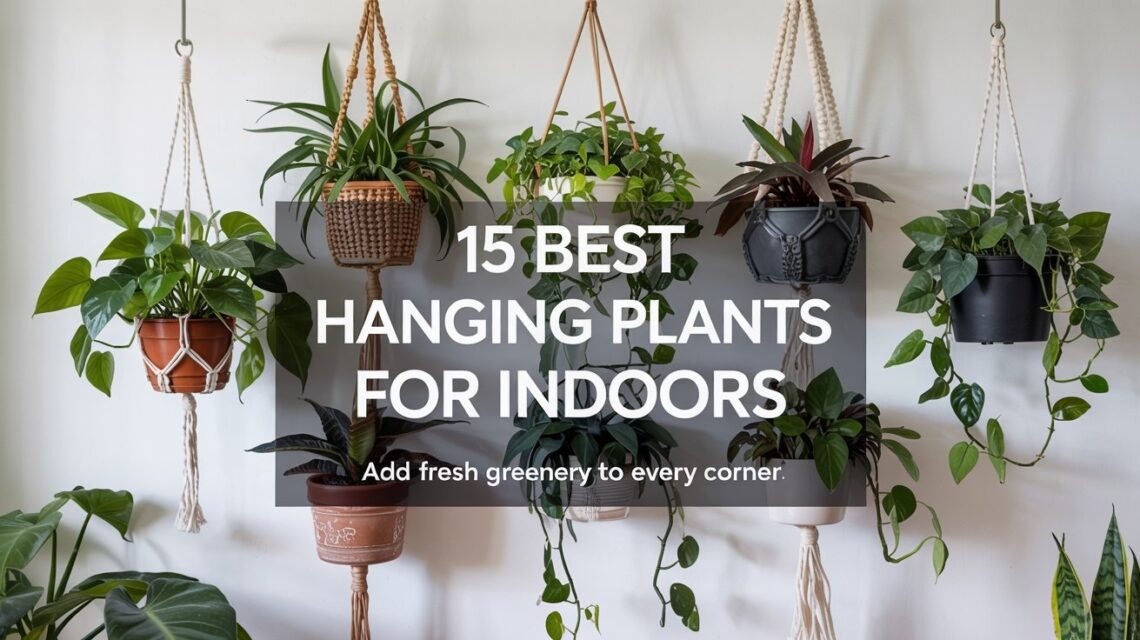
Discover the best indoor hanging plants. This guide covers 15 easy care varieties like pothos and spider plants for your home.

Hanging plants add life to your home. They use vertical space well. They work in rooms with limited floor space. Many hanging plants need little care. They thrive with basic attention.
You should grow hanging plants for three reasons. They improve your air quality. They make your space feel calm. They add natural beauty to any room.
15 Best Indoor Hanging Plants
Here are 15 reliable hanging plants for your home.
1. Pothos

Pothos grows well in low light. Its vines reach 10 feet long. Water when soil feels dry. It removes toxins from air. The University of Florida IFAS Extension recommends it for beginners. This plant is toxic to pets.
2. Spider Plant
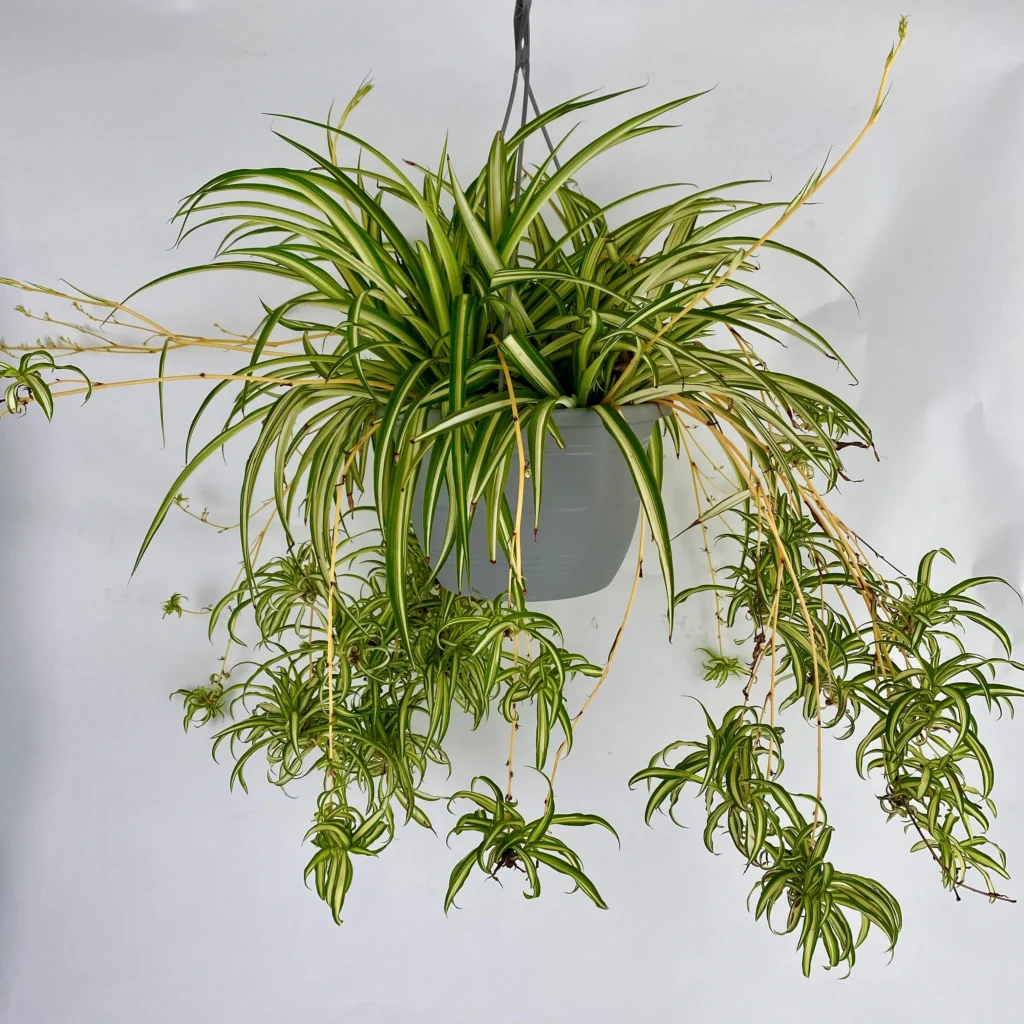
Spider plants adapt to various conditions. They produce baby plants called pups. They prefer bright, indirect light. Water when soil dries out. These are safe for pets. For more easy plants, see our beginner houseplants guide.
3. String of Pearls

This succulent has bead-like leaves. It needs bright light and little water. Let soil dry between waterings. It grows 2-3 feet long. It is toxic to pets.
4. Philodendron
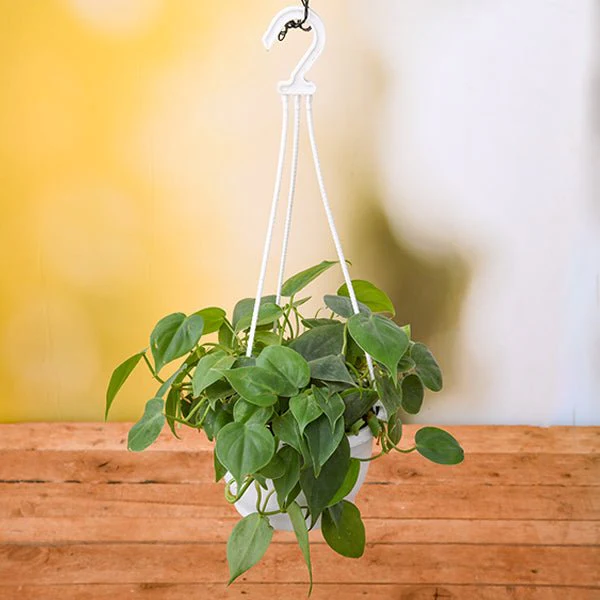
Heartleaf philodendron grows fast. It handles low light well. Water when top soil dries. It trails 5-10 feet long. This plant is toxic to pets.
5. English Ivy
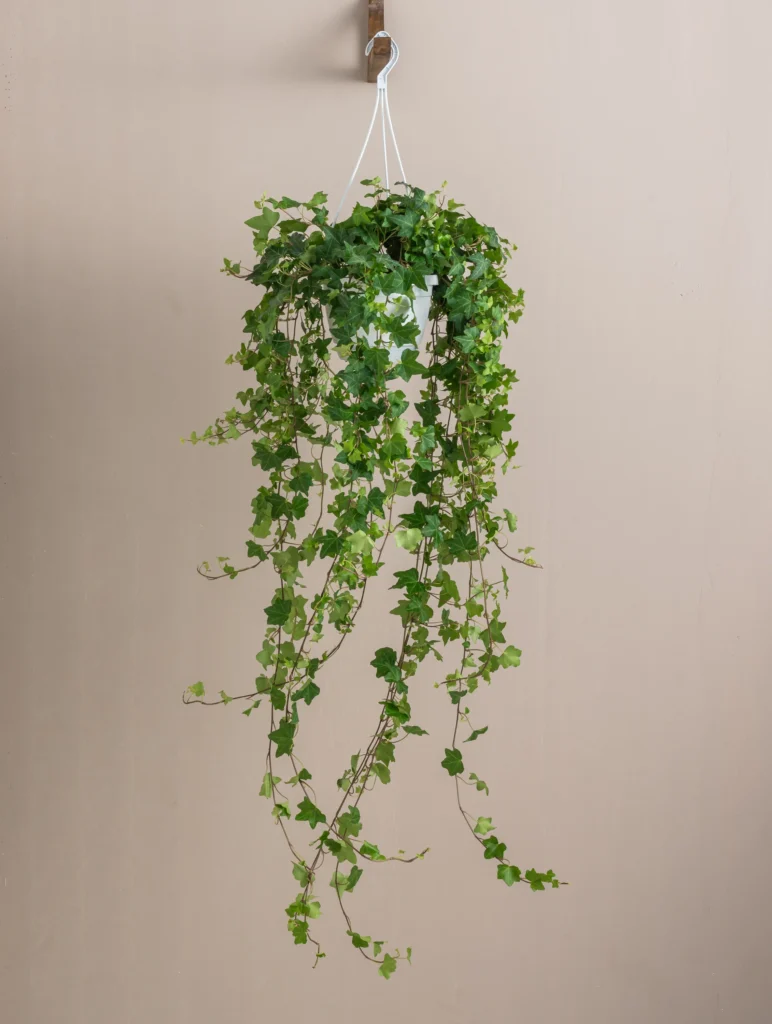
Ivy prefers cool rooms. It likes consistent moisture. It grows well in hanging baskets. It can trail 6-9 feet. The Missouri Botanical Garden notes its versatility. It is toxic to pets.
6. Burro’s Tail

This succulent has plump leaves. It needs bright sunlight. Water only when soil is dry. It grows 2-4 feet long. It is safe for pets.
7. String of Hearts

This plant has delicate heart leaves. It prefers bright, indirect light. Water when leaves feel soft. It trails 3-5 feet long. It is safe for pets.
8. Boston Fern
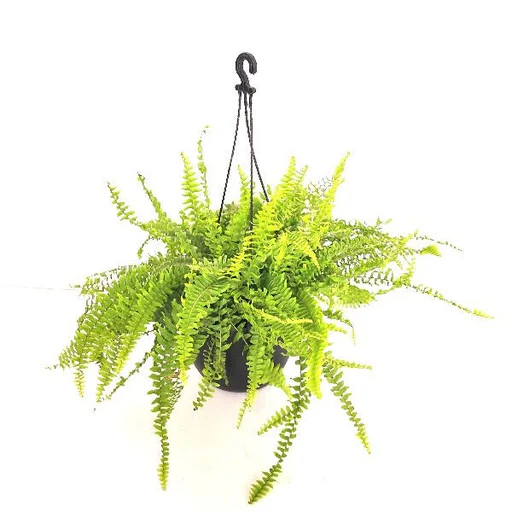
Ferns need humidity and moisture. They prefer bathroom conditions. Mist leaves twice weekly. They grow 2-3 feet wide. The University of Wisconsin-Madison Extension recommends high humidity. They are safe for pets.
9. Arrowhead Plant

This plant starts bushy then vines. It likes medium light. Water when soil surface dries. It trails 3-6 feet long. It is toxic to pets.
10. Christmas Cactus

This cactus blooms in winter. It prefers bright, indirect light. Water when soil feels dry. It trails 1-2 feet long. It is safe for pets.
11. Lipstick Plant

This plant has red tube flowers. It needs bright, indirect light. Keep soil lightly moist. It trails 2-3 feet long. It is safe for pets.
12. Rat Tail Cactus
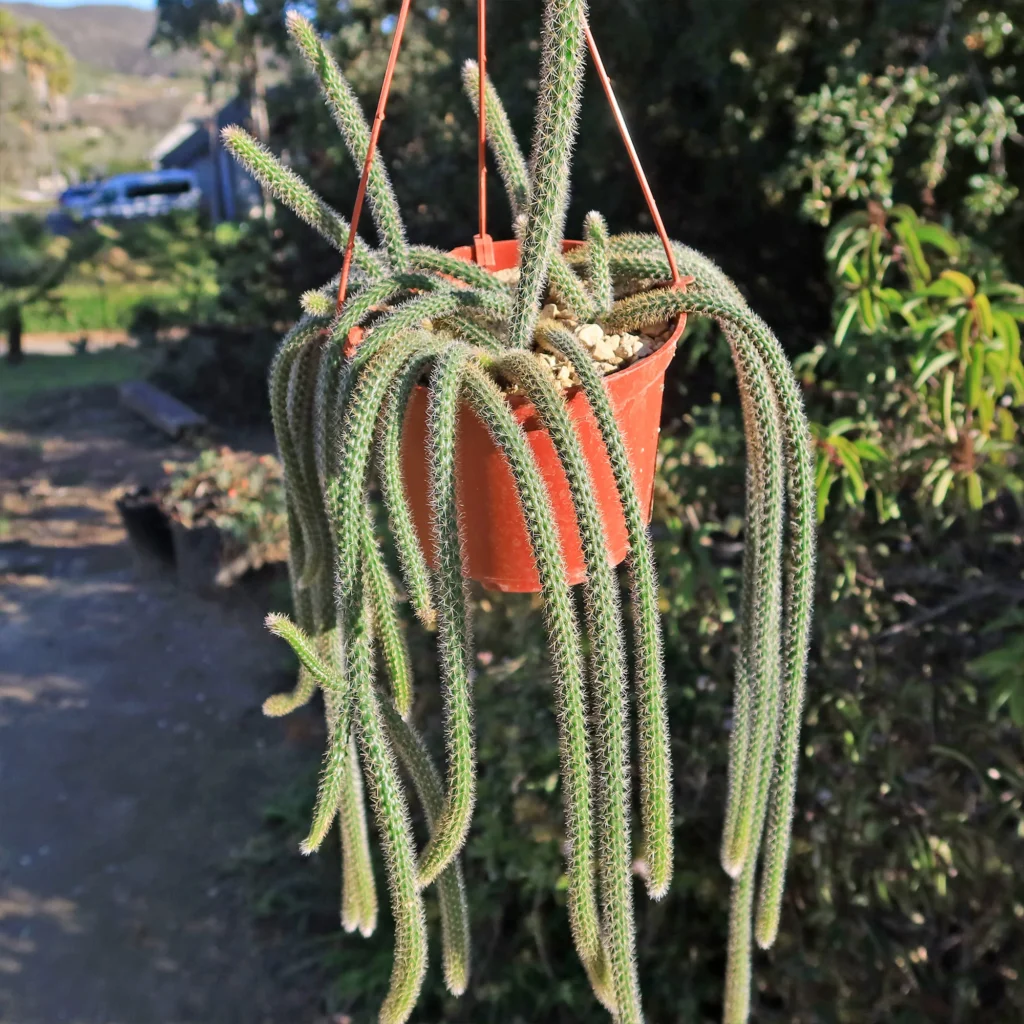
This cactus has long tail stems. It needs direct sunlight. Water every 2-3 weeks. It grows 3-6 feet long. It is safe for pets.
13. Hoya

Hoya has waxy leaves and flowers. It prefers bright light. Let soil dry between waterings. It trails 2-4 feet long. It is safe for pets.
14. Swedish Ivy

This plant grows quickly. It likes medium light. Water when soil feels dry. It trails 2-3 feet long. It is safe for pets.
15. Air Plants

Air plants need no soil. They prefer bright, indirect light. Soak in water weekly. They grow 2-8 inches tall. The University of Kentucky Extension explains their unique care. They are safe for pets.
Quick Care Guide
| Plant | Light Needs | Water Needs | Pet Safe |
|---|---|---|---|
| Pothos | Low to medium | When dry | No |
| Spider Plant | Bright, indirect | When dry | Yes |
| String of Pearls | Bright light | When dry | No |
| Philodendron | Low to medium | When dry | No |
| Boston Fern | Medium, indirect | Keep moist | Yes |
5 Essential Care Tips
- Check light conditions first. Match plants to your home’s light.
- Feel the soil before watering. Most plants need dry soil between waterings.
- Use pots with drainage holes. This prevents root rot. Learn more in our container gardening guide.
- Fertilize monthly in spring and summer. Use half strength houseplant food.
- Rotate plants weekly. This ensures even growth.
For pet safety information, check the ASPCA toxic plants database. Always verify if a plant is safe for your animals.
Common Problems and Solutions
Yellow leaves mean overwatering. Reduce your watering schedule.
Brown tips mean low humidity. Mist leaves or use a pebble tray.
Few leaves mean need for more light. Move plant to brighter location.
Pests like spider mites appear. Wipe leaves with insecticidal soap. The UMass Amherst Extension offers control methods.
Slow growth means need for fertilizer. Feed during growing season.
Final Recommendation
Start with pothos or spider plant. They forgive care mistakes. They adapt to different home conditions. They grow quickly for fast results.
Hanging plants make your home feel fresh. They clean your air. They bring nature inside. Choose plants that work with your light and schedule.
You can create a green space easily. Begin with one plant. Add more as you gain confidence. Your home will transform with living beauty. For more indoor gardening ideas, visit our indoor plants section.
Share your hanging plant success with us. Post pictures of your plant display. Tell us which plants grow best in your home.