Discover how to set up a fall compost pile as a beginner with this hands-on guide. Ashley Scott shares 10 years of tips, from materials to maintenance, for better garden soil. Perfect for DIY gardeners.
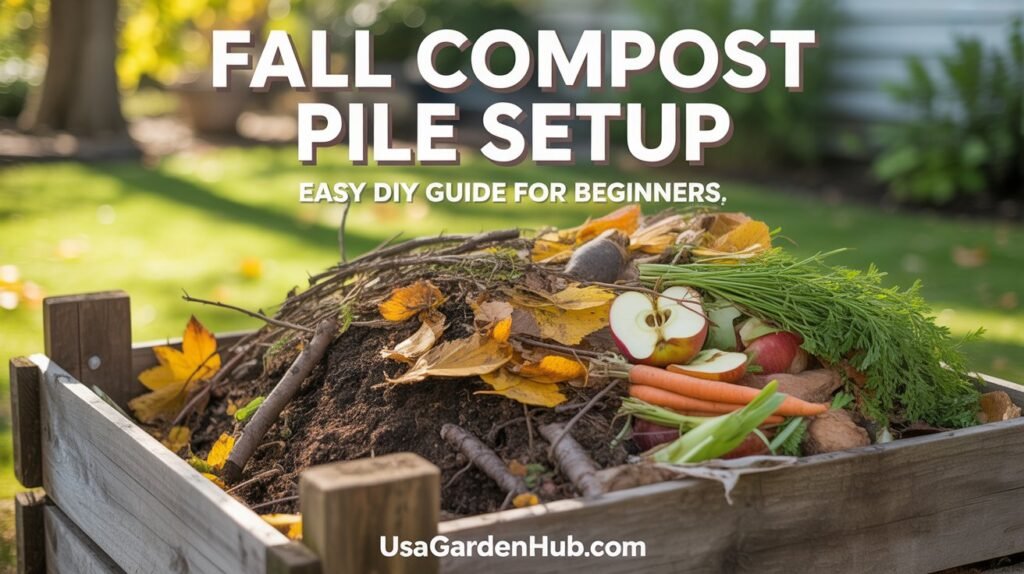
Hey there. I’m Ashley Scott, and I’ve spent the last 10 years turning my small backyard in Seattle into a thriving garden. Last fall, I decided to start my first compost pile after years of just tossing leaves into the trash. I raked up piles of maple leaves from my yard, mixed them with kitchen scraps, and watched it all turn into black gold by spring. That simple setup saved me money on store-bought soil amendments and cut my waste by half. If you’re a beginner eyeing that pile of autumn leaves, this guide is for you. We’ll cover everything from picking materials to keeping things humming through winter. Let’s get your fall compost pile setup for beginners going right now.
Why Fall Is the Perfect Time for a Compost Pile
Fall brings a goldmine of free materials for composting. Leaves blanket the ground, spent garden plants dry out, and your kitchen fills with veggie peels from harvest season. I always start my piles in October because the cooler air slows decomposition just enough to let you build without constant tending.
Composting recycles nutrients back into your soil. It improves drainage, feeds beneficial microbes, and can boost plant growth by up to 20 percent, based on studies from university extensions. In fall, your pile captures carbon-rich “browns” like leaves, which balance the nitrogen from summer greens. This timing means you’ll have ready compost for spring planting.
Plus, it keeps your yard tidy. I used to dread leaf cleanup, but now I view it as free fertilizer. Starting now preps your garden for next year without extra work. Check out my fall gardening guide for more seasonal ideas.
Materials for Your Fall Compost Pile Setup
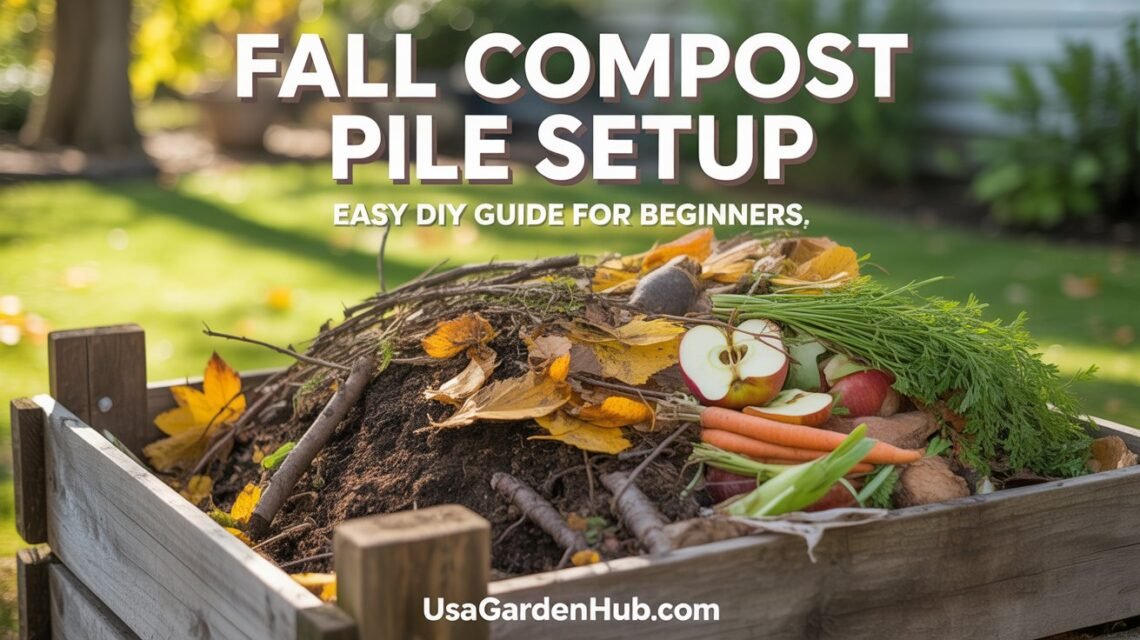
You need two main types: browns for carbon and greens for nitrogen. Aim for a 3:1 ratio—three parts browns to one part greens. This mix heats up the pile to break down materials fast.
Here’s what to gather:
- Browns (Carbon-Rich): Fallen leaves (chop them with a mower for quicker breakdown), dry straw, shredded newspaper, cardboard pieces, pine needles. Last fall, I filled half my pile with oak leaves from the neighbor’s yard—they’re abundant and decompose well.
- Greens (Nitrogen-Rich): Fresh grass clippings (pesticide-free), kitchen scraps like apple cores and potato peels, coffee grounds, crushed eggshells. Add spent flowers or veggie stalks from your garden.
Sprinkle in a handful of garden soil or finished compost to introduce microbes. I keep a bucket of coffee grounds from my morning brew handy they add nitrogen without smell.
What to skip: Meat, dairy, oily foods, or pet waste. These attract pests and slow the process. Diseased plants go in the trash to avoid spreading issues. For more on beginner gardening tips, see how I avoid common pitfalls.
A standard backyard pile uses about 200 pounds of leaves per cubic foot, turning waste into usable compost in 3-6 months.
Pick the Best Spot for Your Compost Pile
Location matters for success. Choose a flat, well-drained area with partial shade. Full sun speeds things up, but too much dries it out. I set mine near my garden fence, 10 feet from the house to keep smells away.
Build on bare soil or grass. This lets worms and microbes move in easily. If you worry about critters, use a bin more on that soon.
Size it right: 3 feet wide, 3 feet long, and 3 feet tall. Smaller piles don’t heat properly; bigger ones get hard to turn. My first pile was just 2 feet across and took twice as long to finish.
For urban yards, tuck it behind a shed. In wet climates like mine, elevate on pallets to prevent sogginess. Learn about DIY garden projects like simple bins on my site.
Step-by-Step Fall Compost Pile Setup for Beginners
Ready to build? Follow these steps for a solid start. This DIY method takes about an hour.
- Prep Your Base: Clear a 3×3-foot spot. Lay down 4-6 inches of coarse twigs or branches. This creates air pockets for drainage. I use pruned tomato stakes from summer.
- Add the First Layer of Browns: Spread 8-10 inches of shredded leaves or straw. Wet it lightly, like a wrung-out sponge. This base absorbs moisture.
- Layer in Greens: Add 4-6 inches of nitrogen-rich stuff, like veggie scraps or grass. Chop large pieces small for faster breakdown.
- Mix and Repeat: Alternate layers until you hit 3 feet high. Total: about 2-3 cubic feet of material. Stir with a pitchfork to blend. Add a shovelful of soil on top.
- Water It In: Moisten the whole pile. It should feel damp, not dripping. Cover with a tarp if rain’s heavy.
That’s your basic open pile. For a fall compost pile setup for beginners DIY, try a wire bin: Bend chicken wire into a 3-foot circle, secure with stakes. It costs under $20 and keeps things contained. I built one last year and love how easy it is to access.
Watch this quick YouTube video on fall compost pile setup for beginners for visuals search for channels like Epic Gardening.
Pro tip: Shred leaves first. A mulching mower cuts decomposition time by 50 percent. For detailed layering, see the Bonnie Plants guide.
DIY Twists for Your Fall Compost Pile
Keep it simple if you’re crafty. Use three pallets leaned together for walls free from stores often. Or stack cinder blocks in a square; add wire mesh for sides.
For tumblers, buy a basic plastic one for $30. Load it half-full, spin weekly. I tried a homemade version with a barrel on a frame, but store-bought spins smoother.
Incorporate fall finds: Pile acorns or pinecones in a separate bag to dry, then crush and add. They boost carbon without matting.
These tweaks make your setup unique. Pair with my winter garden prep for year-round planning.
Keep Your Pile Going Through Winter
Maintenance is key, even in cold months. Turn the pile every 1-2 weeks with a fork. This adds oxygen and speeds breakdown. I do it on weekends; it takes 10 minutes.
Check moisture weekly. Add water if dry; fluff with more browns if soggy. In freezing temps, the center stays warm up to 140 degrees Fahrenheit for microbe action.
Troubleshoot smells: Earthy is good; ammonia means too many greens add leaves. Pests? Bury food scraps deeper.
By spring, sift out big chunks. My pile from last October yielded 50 gallons of compost. Insulate with straw bales if winters dip below 20 degrees.
For science-backed tips, read the University of Minnesota Extension on composting.
Mistakes Beginners Make and How to Dodge Them
I learned these the hard way. Here’s what to watch:
- Skipping the size rule: Tiny piles fizzle. Build to 3 feet minimum.
- Overloading greens: Leads to slime. Balance with leaves fall’s your friend.
- Ignoring turns: Stagnant piles rot slow. Schedule flips.
- Wet spots: Pickups waterlog. Use drainage layers.
- Forgetting microbes: No soil starter? Piles stall. Always add a scoop.
Avoid these, and you’ll succeed. Dive into compost benefits for motivation.
Turn Your Compost into Garden Magic
Once dark and crumbly like coffee grounds it’s ready. Mix into topsoil at 2-3 inches deep. I top-dressed my raised beds with it; tomatoes grew 15 percent bigger.
Use as mulch around perennials. It suppresses weeds and holds moisture. Screen through 1/2-inch hardware cloth for finer texture.
For leaf-specific advice, check Penn State Extension’s guide.
Quick Social Shares
- “Just set up my fall compost pile leaves, scraps, and done! Who’s joining? #GardenTips”
- “Beginner alert: 3:1 browns to greens for epic compost. Fall leaves FTW!”
- “DIY bin from pallets? Yes! Easy fall setup under $10.”
There you have it your fall compost pile, beginner-style. I started small, and now it’s a staple. Grab those leaves and dig in. Questions? Drop a comment below. Happy gardening!