Learn when and how to harvest green tomatoes before frost. Discover simple methods to ripen tomatoes indoors and store them for months. Expert tips from a gardener with 10 years of experience.

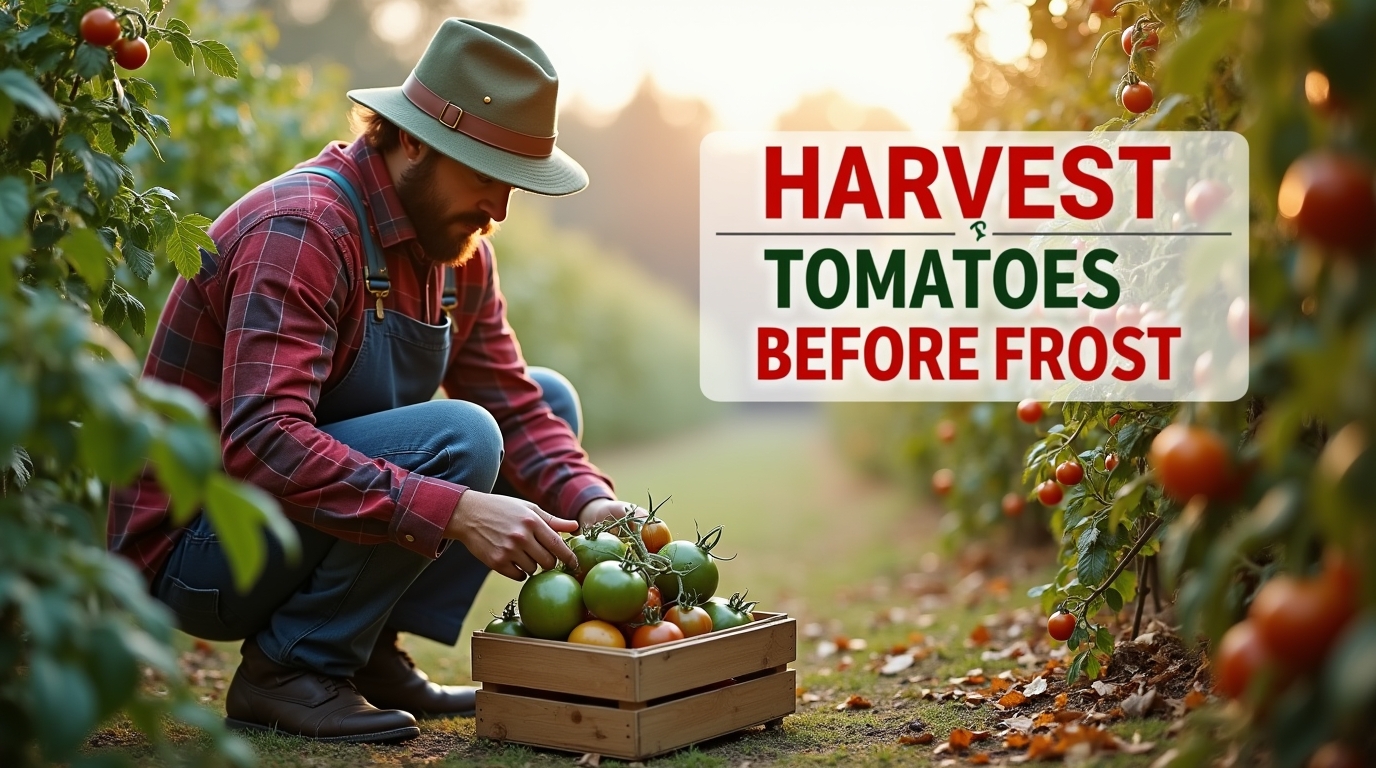
I still remember my first gardening panic a decade ago. I watched the weather forecast with dread as an early frost threatened to wipe out my entire tomato crop. Since that nerve-wracking season, I’ve perfected the art of harvesting late tomatoes before frost, turning potential losses into months of fresh eating.
If Jack Frost is knocking on your garden gate, don’t despair. Those green tomatoes don’t have to go to waste. With a few simple techniques, you can enjoy homegrown tomatoes well into winter. This guide will walk you through exactly which tomatoes to save, how to ripen them properly, and how to use even the most stubbornly green fruits.
Why You Should Save Green Tomatoes
Tomatoes are sensitive to freezing temperatures. When frost hits, plant cells rupture, leaving fruit mushy and unusable. The good news? You don’t have to lose your entire crop.
Tomatoes are “climacteric” fruits, meaning they continue to ripen after being picked. This natural process lets you extend your harvest by weeks or even months with proper storage techniques. I’ve enjoyed homegrown tomatoes as late as April from fruits harvested green in October.
Identifying Tomatoes Worth Saving
Not all green tomatoes will ripen successfully indoors. Look for these signs of good candidates:
- Mature green tomatoesย that have reached nearly full size and feel solid when gently squeezed
- Breaker stage tomatoesย showing the first hints of color, usually at the blossom end
- Unblemished fruitย free from cracks, spots, or insect damage
Immature tomatoes that are small, dark green, and hard won’t ripen properly but can be used for cooking. I typically compost anything smaller than a golf ball, as these rarely develop good flavor.
When to Harvest Before Frost
Timing is critical. Harvest too early, and you sacrifice flavor development. Harvest too late, and frost destroys everything.
Watch your local forecast closely.ย The ideal harvesting window is when overnight temperatures are predicted to drop below 40ยฐF (4ยฐC)ย . Never allow tomatoes to experience actual frost, as frozen fruit becomes mushy and won’t store properlyย .
For best results, harvest during the drier part of the day after morning dew has evaporated. This helps prevent mold development during storage.
How to Harvest Properly
Use clean, sharp pruning shears or scissors to cut tomatoes from the vine. Leave a small piece of stem attached to each fruit – this helps prevent rotting at the stem scar.
Handle tomatoes gently to avoid bruising, which can lead to soft spots and spoilage. Place them carefully in shallow baskets or boxes rather than deep buckets where they can crush each other.
For cherry and grape tomatoes, I save time by harvesting entire clusters still attached to their stems. These smaller varieties often continue to draw nutrients from the stem, potentially developing better flavor.
Sorting Your Harvest
Once indoors, sort your tomatoes into three categories:
- Ripe or nearly ripeย – Use these immediately
- Mature greensย – Ideal for indoor ripening
- Small, immature greensย – Best for recipes like fried green tomatoes or pickles
Never wash tomatoes before storage – moisture encourages mold. Simply wipe off any dirt with a dry cloth if necessary.
Best Methods for Ripening Green Tomatoes
The ripening process depends on temperature and ethylene gas exposure. Tomatoes naturally produce ethylene, which triggers ripening.
Slow Ripening for Extended Harvest
For a continuous supply, ripen tomatoes slowly in a cool, dark place like a basement or spare room. Ideal temperatures are between 55-70ยฐF (13-21ยฐC).
Lay tomatoes in single layers on cardboard or trays lined with newspaper -2. Ensure they’re not touching, and check them every few days for ripeness or spoilage.
I use old apple boxes with dividers – they’re perfect for keeping tomatoes separated and well-ventilated.
Faster Ripening Methods
Need ripe tomatoes sooner? These techniques speed up the process:
- Move tomatoes to a warmer areaย around 68-77ยฐF (20-25ยฐC)
- Place them in a paper bag or lidded cardboard boxย to concentrate ethylene gas
- Add a ripe banana or appleย to increase ethylene levels
Wrapping individual tomatoes in newspaper also works well, especially for larger varieties.
The “Hanging Plant” Method
Some gardeners cut entire plants at the base and hang them upside down in a garage or shed. While this method works, I find it messy as ripe tomatoes tend to drop off and splatter on the floor -2.
Optimal Storage Conditions
Where you store your tomatoes significantly affects how well they ripen:
- Temperature: 55-70ยฐF (13-21ยฐC) is ideal
- Light: Keep in darkness – sunlight can cause uneven ripening and softening
- Humidity: Moderate humidity around 50-70% helps prevent shriveling
- Air circulation: Good ventilation prevents mold – don’t stack tomatoes more than two layers deep
Never refrigerate unripe tomatoesย – temperatures below 50ยฐF (10ยฐC) permanently halt the ripening process and destroy flavor.
Troubleshooting Common Problems
Even with perfect care, some tomatoes may develop issues. Here’s how to handle them:
- Mold or rot: Remove affected tomatoes immediately to prevent spreading
- Soft spots: Use these tomatoes first, as they won’t store well
- Slow ripening: Move to a warmer location or add an ethylene source
- Shriveling: The environment may be too dry – try a slightly more humid location
Check your tomatoes every 2-3 days, removing any that show color or signs of spoilage. I make this part of my weekend routine from October through December.
Using Tomatoes That Won’t Ripen
Some stubborn green tomatoes simply refuse to turn red. Don’t discard them – they’re delicious in their own right.
Try these recipes for immature green tomatoes:
- Classic Southern fried green tomatoes
- Green tomato pickles or relish
- Green tomato mincemeat for pies
- Green tomato chutney
- Lactic-acid fermented green tomato pickles
I’ve found that even the hardest green tomatoes can be transformed into tasty dishes that make me appreciate the extended harvest.
Frequently Asked Questions
Can I ripen tomatoes that have been frosted?
No. Frost-damaged tomatoes turn mushy and cannot be saved. Always harvest before temperatures drop to freezing.
How long do indoor-ripened tomatoes last?
Properly stored, ripe tomatoes will keep in the refrigerator for about two weeks. For longer storage, consider canning, freezing, or drying your surplus.
Do tomatoes need light to ripen?
Contrary to popular belief, tomatoes ripen best in darkness. Light can actually cause uneven ripening and tough skins.
Can I speed up ripening to overnight?
While you can’t truly ripen tomatoes overnight, the fastest method involves placing mature green tomatoes in a warm spot (around 70ยฐF/21ยฐC) inside a paper bag with a ripe bananaย . Even then, ripening typically takes several days.
Final Recommendations
Harvesting late tomatoes before frost lets you maximize your garden’s productivity while reducing food waste. The key is understanding which tomatoes to save and providing the right conditions for slow, steady ripening.
Remember these critical points:
- Harvest before temperatures drop below 40ยฐF (4ยฐC)
- Select only mature, unblemished fruit
- Store in cool darkness with good air circulation
- Check regularly and remove ripening or spoiled tomatoes
With these techniques, you can enjoy the taste of summer long after your garden has been put to bed for winter. The satisfaction of making bruschetta with homegrown tomatoes in early spring is well worth the minimal effort required.
For more tomato growing tips, explore our guides on extending your tomato season and common tomato problems.