Get ready for winter with effective organic slug control methods. I share tips on using coffee grounds, barriers, and more to safeguard your vegetable garden from slugs.

Hi, I’m Ashley Scott. I have gardened for 10 years. I run USA Garden Hub. Slugs can damage your plants. They thrive in cool, moist conditions. Winter brings more rain in many parts of the USA. This makes slugs active longer. You need to control them now. In this article, I explain organic ways to handle slugs before winter. I draw from my experience and reliable sources.
Why Control Slugs Before Winter?
Slugs eat leaves, stems, and roots. They target young plants. In fall, they lay eggs. These eggs hatch in spring. If you act now, you reduce next year’s population. I lost half my lettuce crop one fall. Slugs hid under leaves. I learned to clean up early. Control before winter saves time later. It keeps your garden healthy.
Slugs prefer damp spots. Winter prep dries out these areas. You avoid chemicals. Organic methods support soil health. For more on organic pest control, check my guide.
Understanding Slugs in Your Garden
Slugs are mollusks. They have soft bodies. They move on a muscular foot. They leave slime trails. You spot them at night. They hide during the day under mulch or boards.
In the USA, common slugs include gray garden slugs. They grow up to 2 inches long. They eat up to 40 times their weight daily. One slug can lay 400 eggs a year. These facts come from university extensions.
Your vegetable garden draws them. Lettuce, cabbage, and strawberries suffer most. Before winter, check for eggs. They look like small white pearls in soil.
Best Organic Slug Control Methods
You have several options. Combine them for results. I use a mix in my garden.
Cultural Practices

Keep your garden clean. Remove debris like old leaves and wood. This takes away hiding spots. Weed often. Slugs like dense plants.
Use drip irrigation. It waters roots directly. Soil surface stays dry. Slugs avoid dry areas. I switched to drip lines five years ago. My slug issues dropped by half.
Plant resistant varieties. Choose rosemary or lavender. Slugs dislike their textures. In your vegetable garden, try nasturtiums as borders.
For winter, mulch lightly. Use dry materials like straw. Avoid thick layers that hold moisture.
Learn more in my winter gardening tips.
Barriers for Organic Slug Control

Barriers stop slugs physically. Spread diatomaceous earth around plants. It’s a powder from fossils. It scratches slug skin. Apply after rain. It lasts 1-2 weeks.
Use copper tape. Wrap it around pots or beds. Slugs get a shock from it. I taped my raised beds. It worked for months.
Rough mulches help too. Try crushed eggshells or cocoa shells. They deter slugs. One study shows eggshells reduce slug damage by 50%.
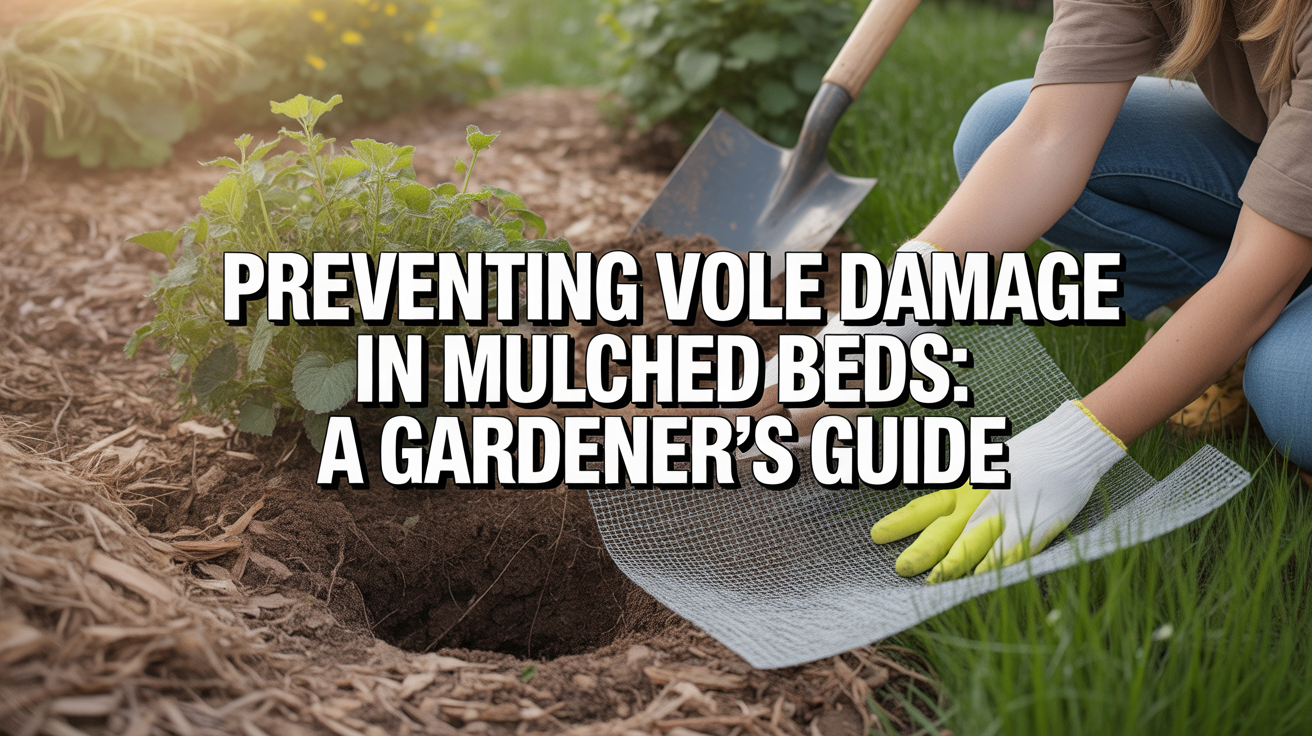
For vegetable gardens, sink screens into soil. Make a fence 4 inches high. Slugs can’t climb it.
Traps to Catch Slugs

Traps lure and kill slugs. Place boards on soil. Check mornings. Collect and dispose of slugs. I use old wood scraps. I catch 10-20 per trap weekly.
Beer traps work well. Fill shallow dishes with beer. Slugs drown in it. Use cheap beer. Empty daily. In fall, set more traps. Wet weather boosts activity.
Yeast mixtures attract them too. Mix water, sugar, flour, and yeast. Place in containers.
Organic Baits

Iron phosphate baits are safe. They contain iron. Slugs eat them and stop feeding. Brands like Sluggo are organic. Scatter thinly. One pound covers 1,000 square feet.
Apply in evening. Reapply after rain. It’s pet-friendly. I use it around my veggies.
Avoid metaldehyde. It’s not organic.
Biological Controls

Encourage predators. Birds, frogs, and beetles eat slugs. Plant flowers to attract them. Avoid pesticides.
Ducks or chickens help. Let them forage. My neighbor’s chickens cleared slugs in days.
Nematodes are tiny worms. They kill slugs. Apply to soil in fall. They work in cool temps.
For more on raised bed gardening, see how it aids control.
Organic Slug Control with Coffee Grounds
Coffee grounds repel slugs. They contain caffeine. It’s toxic to slugs. Spread used grounds around plants. Use 1-2 inches thick.
I collect from my kitchen. In my garden, it cut slug visits. Mix with soil for nutrients too.
Studies confirm it. One test showed 80% fewer slugs. Apply before winter. It decomposes slowly.
Dry grounds work best. Wet ones mold. Use in vegetable gardens. It’s free and easy.
Organic Slug Control in Vegetable Garden
Vegetables need protection. Slugs love tender greens. Rotate crops. It disrupts slug cycles.
Hand-pick at night. Use a flashlight. Drop in soapy water. I do this weekly. It reduces numbers fast.
Companion planting helps. Garlic repels slugs. Plant with carrots.
In fall, till soil lightly. Expose eggs to cold. Cover crops like clover deter them.
Check my vegetable garden planning for layouts.
Preparing Your Garden for Winter Slug Control
Before frost, clean beds. Remove dead plants. This stops overwintering.
Apply barriers now. Copper lasts through winter.
Set traps in sheltered spots. Slugs seek warmth.
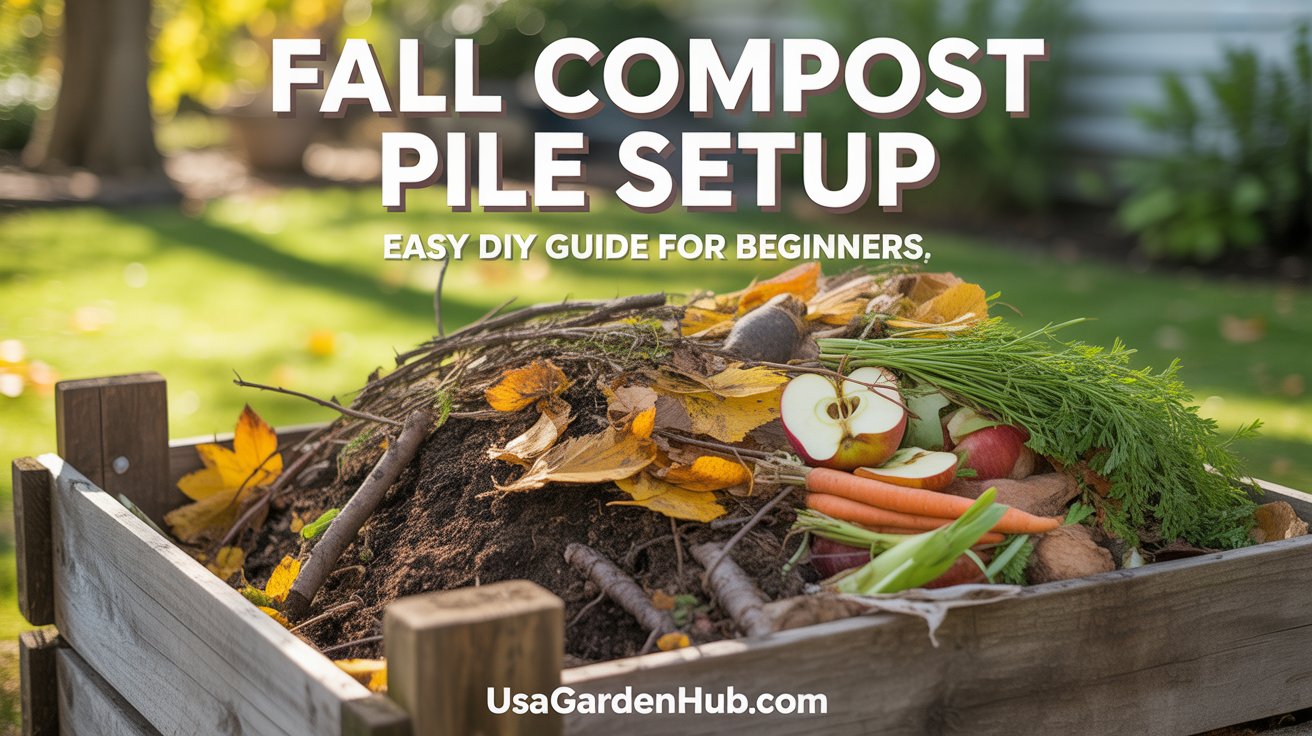
Boost soil health. Add compost. Healthy plants resist pests. My compost bin provides rich material. Learn how in composting guide.
Monitor weather. Rainy days mean more patrols.
Combine methods. In my experience, no single way works alone. Last year, I used barriers, traps, and grounds. My garden thrived.
For more resources:
- Oregon State University Extension on Slug Control
- University of California IPM on Snails and Slugs
- Utah State University on Controlling Slugs
- Ohio State University on Slugs in Landscapes
- Colorado State University on Slugs
Social Media Summaries
- Protect your garden: Use coffee grounds for organic slug control before winter.
- Try beer traps: Simple way to catch slugs in your vegetable garden.
- Barriers work: Copper tape keeps slugs out naturally.
- Clean up now: Remove debris to stop slugs overwintering.
- Combine methods: Get the best organic slug control results.
You can control slugs organically. Start today. Your garden will thank you. Share your tips in comments. Visit USA Garden Hub for more advice.