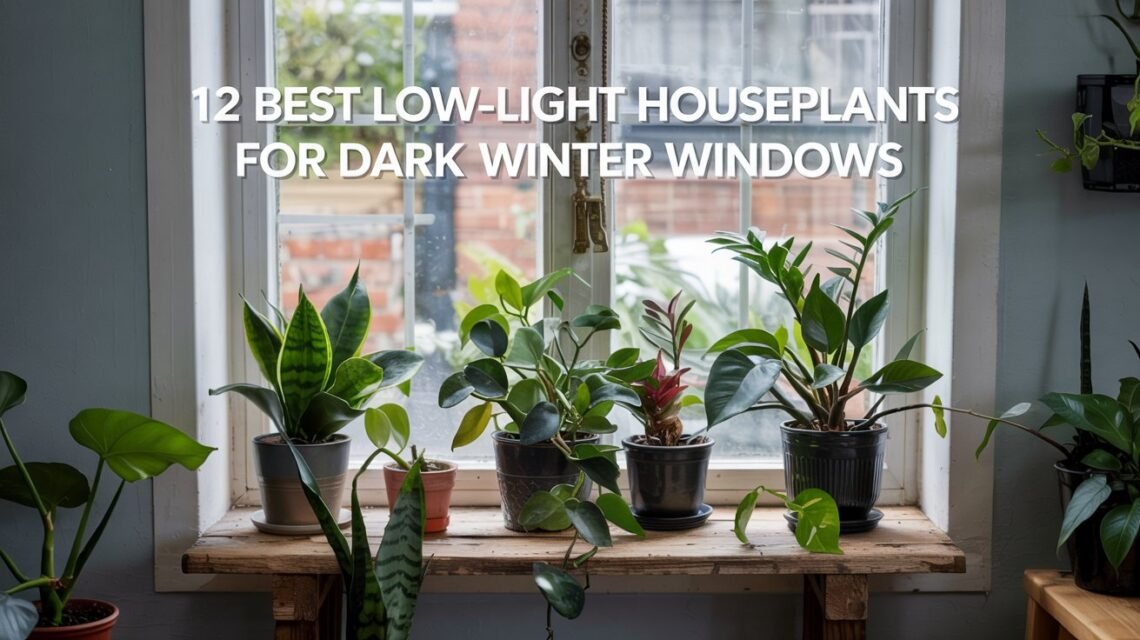
Discover the 12 most resilient low-light houseplants for dark winter windows. Get expert winter care tips for snake plants, ZZ plants, pothos & more from a 10-year gardening pro.
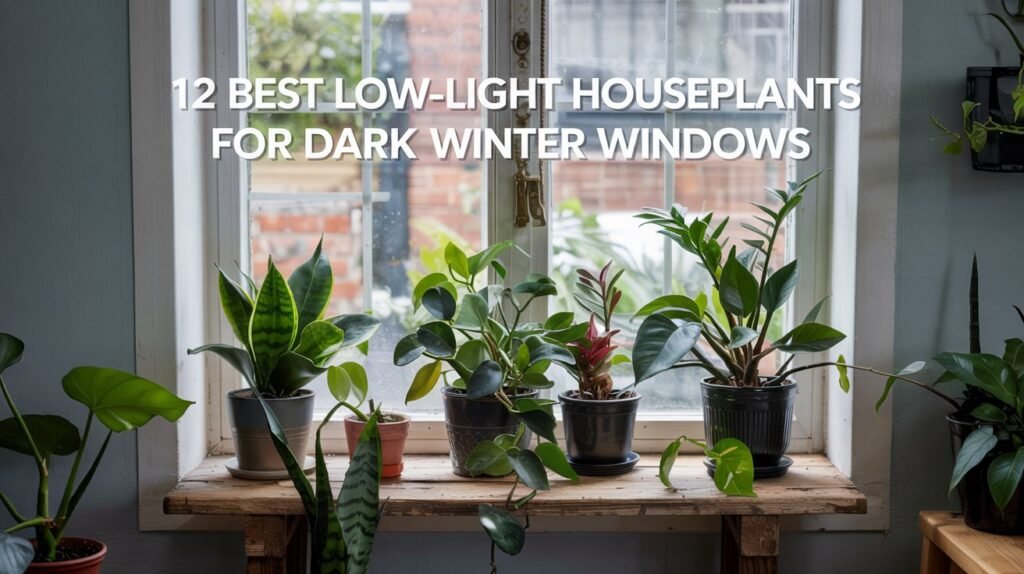
Winter gardening can feel like a challenge. The days are short, the light is weak, and our sunny windowsills become precious real estate. I know this struggle well from a decade of keeping my home green through Pennsylvania winters. But here’s the good news: many beautiful houseplants don’t just survive in these low-light conditions; they thrive.
This guide covers 12 of the best, most resilient houseplants for your winter windows. These are plants I’ve personally nurtured through many seasons. I’ve paired their profiles with practical winter care tips to ensure they don’t just endure the cold months, but add life and color to your home.
Why These Plants Work for Winter Windows
Winter light is fundamentally different. It’s less intense and shines for fewer hours each day. The plants on this list are champions of adaptation. Many naturally grow on dim forest floors, making them pre-adapted to our indoor winters. They grow more slowly during this time, which is a natural dormancy period, requiring less from you in terms of water and fertilizer.
Choosing the right plant is the most important step. Placing a sun-loving succulent on a north-facing winter windowsill is a recipe for disappointment. The right low-light plant, however, will maintain its vigor and beauty.
12 Low-Light Champions for Your Winter Windows
Based on expert recommendations and my own experience, these are the top performers. For a quick overview, the table below compares their key care needs.
| Plant Name | Key Feature | Ideal Winter Window | Watering (Winter) | Pet Safe? |
|---|---|---|---|---|
| Snake Plant | Architectural, ultra-tough | North, East | Very sparse (let soil dry completely) | No |
| ZZ Plant | Glossy, drought-tolerant | North, East | Infrequent (water monthly) | No |
| Cast Iron Plant | Nearly indestructible | North | Moderate, when top soil is dry | Yes |
| Pothos | Trailing, fast-growing | North, East | When top inch of soil is dry | No |
| Heartleaf Philodendron | Classic trailing vine | North, East | When top soil is dry | No |
| Peace Lily | Occasional white blooms | North, East | When soil is slightly dry, will droop when thirsty | No |
| Chinese Evergreen | Colorful, patterned leaves | North | When top soil is dry, avoid overwatering | No |
| Spider Plant | Arching leaves, produces “pups” | East, West (indirect) | When soil feels dry | Yes |
| Bird’s Nest Fern | Lush, wavy fronds | North, East | Keep soil consistently moist | Yes |
| Parlor Palm | Soft, feathery fronds | North, East | When top soil is dry, enjoys humidity | Yes |
| Prayer Plant | Leaves move daily | East, West (indirect) | Keep soil lightly moist | Yes |
| Lucky Bamboo | Grows in water or soil | Any (avoid direct sun) | Keep water fresh or soil moist | No |
The Unkillable Favorites
These plants are legendary for their resilience, perfect for beginners or anyone who tends to over-love with water.
1. Snake Plant (Sansevieria):
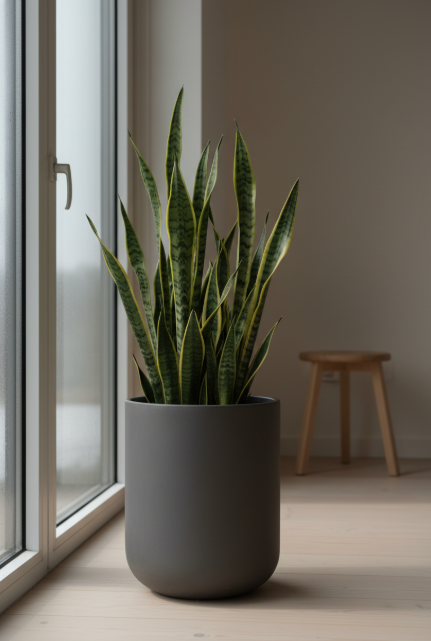
This is my top recommendation for a dark corner. Its upright, sword-like leaves add structure. In winter, it needs water perhaps once a month or less, only when the soil is completely dry. I have one in a north-facing hallway that hasn’t been watered in six weeks and looks perfect.
2. ZZ Plant (Zamioculcas zamiifolia):
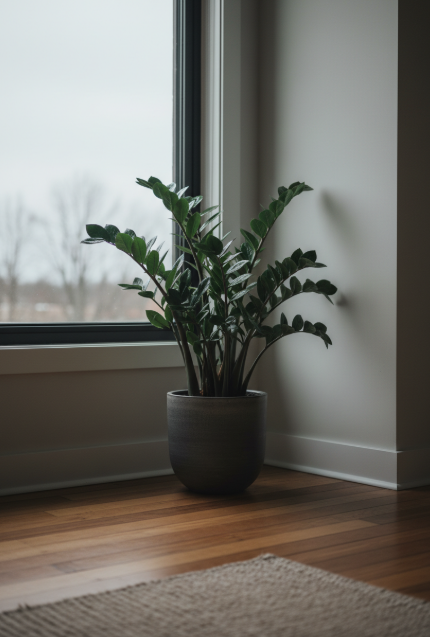
With its shiny, dark green leaves, the ZZ plant looks polished while being incredibly tough. It stores water in its potato-like rhizomes. A ‘Raven’ ZZ plant with black leaves is particularly striking and tolerates low light well. Water it only when the soil is bone-dry.
3. Cast Iron Plant (Aspidistra elatior):
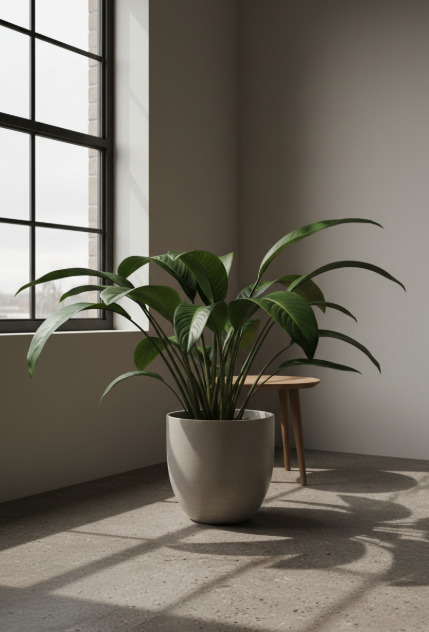
The name says it all. This plant handles low light, temperature swings, and forgetful watering. Its broad, deep green leaves are elegant. It’s also non-toxic, making it a safe choice for homes with pets.
Beautiful & Trailing
These plants add softness and movement, ideal for shelves or hanging planters near windows.
4. Pothos (Epipremnum aureum):
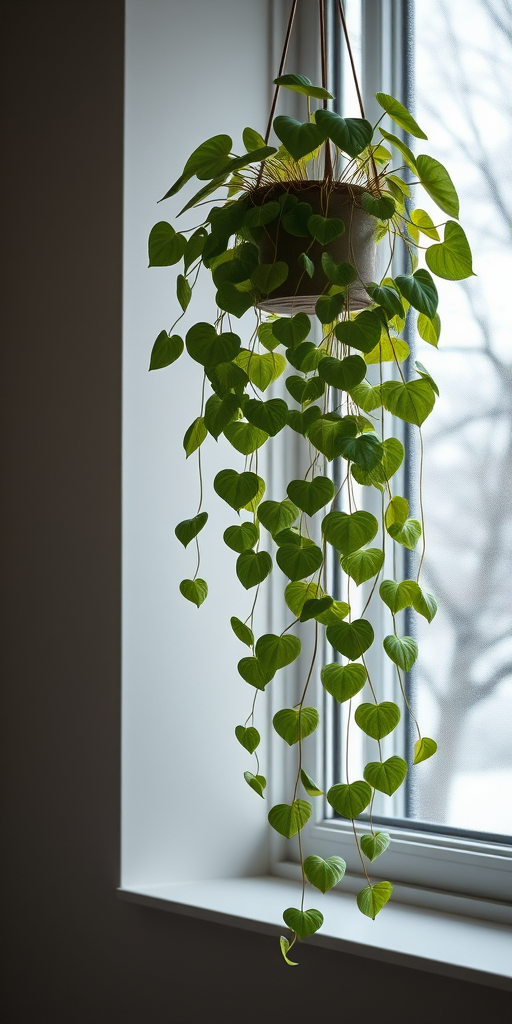
A golden pothos was my first houseplant. Its vines can trail for feet, brightening a space. It tolerates low light, though its golden variegation may fade. Let the top inch of soil dry out before watering. For more on managing vibrant vines, see our guide to easy-care hanging plants. Read more about How to Propagate Pothos: A Step-by-Step Guide for Beginners.
5. Heartleaf Philodendron:
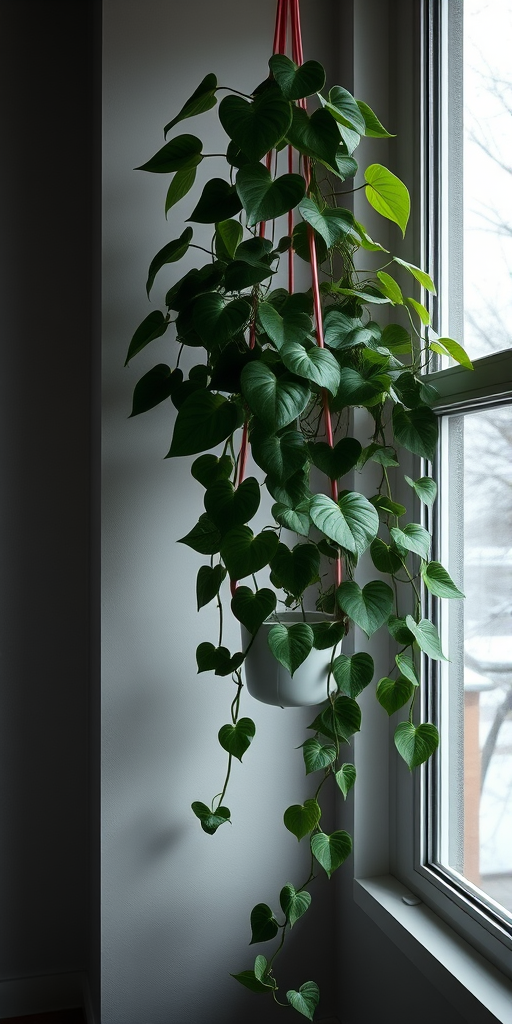
Similar to pothos but with softer, heart-shaped leaves. It’s a vigorous grower that can thrive several feet back from a north or east window. I have one trailing from a bookshelf in my east-facing living room; it’s lush even in January.
6. Arrowhead Plant (Syngonium podophyllum):
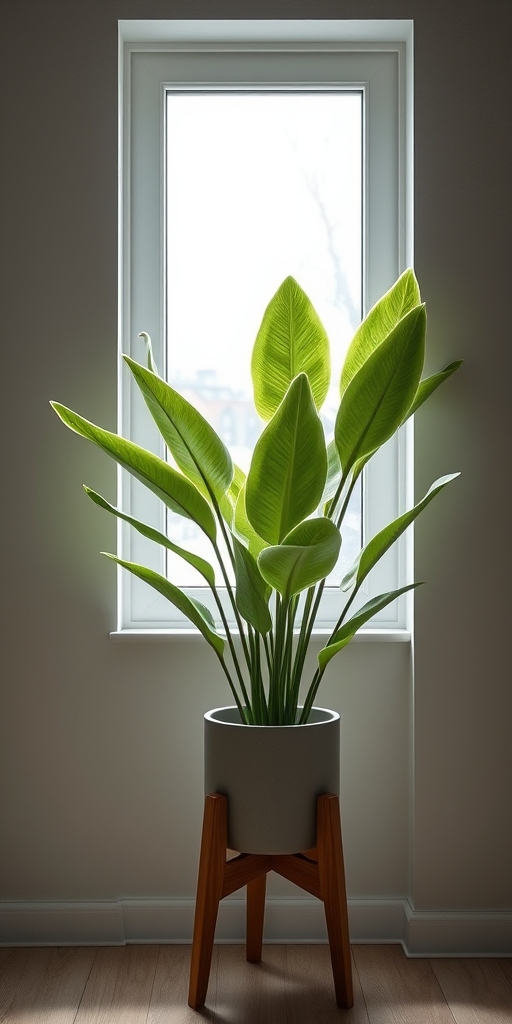
This plant starts bushy and develops a trailing habit as it matures. Its arrow-shaped leaves come in beautiful colors. It prefers consistent moisture and higher humidity, so a kitchen or bathroom windowsill is ideal.
10 Plants That Grow in the Dark: A Comprehensive Guide for Low-Light Gardening
For Color & Texture
These plants offer more than just green, with unique patterns, shapes, and even flowers.
7. Peace Lily (Spathiphyllum):

Known for its ability to bloom in low light, the peace lily produces elegant white spathes. It’s a dramatic communicator; its leaves droop noticeably when it needs water, then perk up within hours. This makes it very forgiving. More about 7 Types of Peace Lily and How to Care for Them.
8. Chinese Evergreen (Aglaonema):
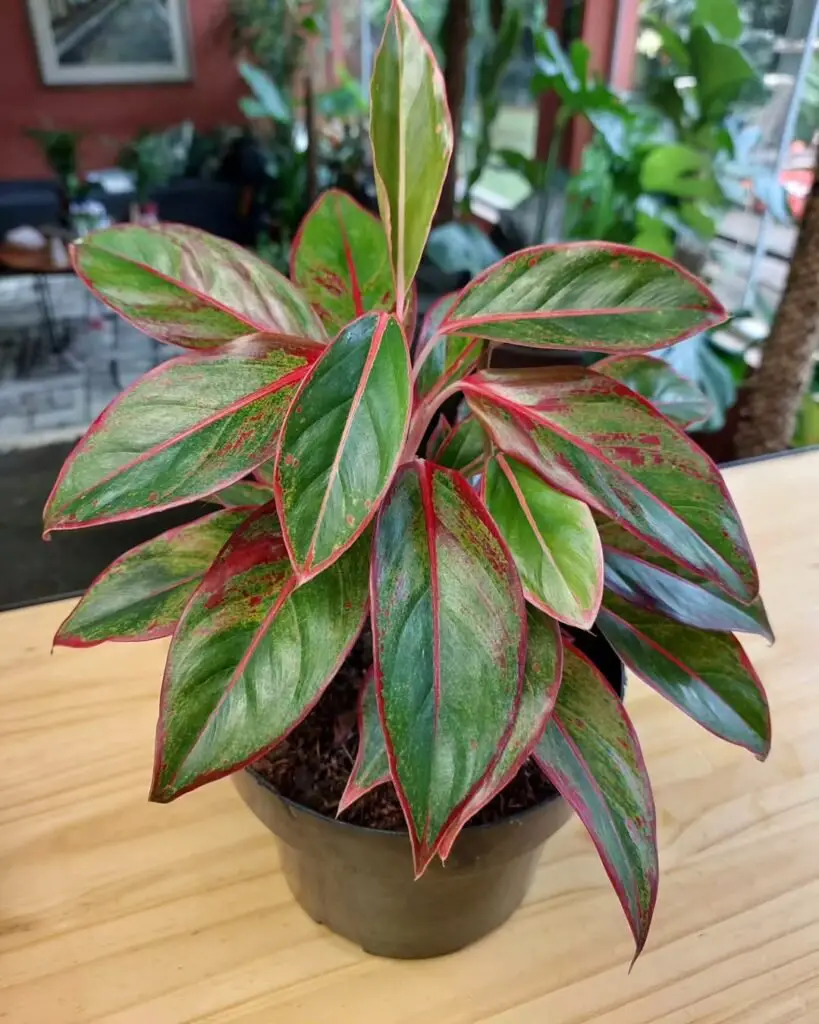
Available in stunning red, pink, and silver patterns. While brighter light enhances the colors, darker green varieties like ‘Silver Bay’ or ‘Emerald Beauty’ hold up very well in low light. Let the soil dry slightly between waterings. Peace Lily vs. Chinese Evergreen : Key Differences and Choosing the Right Plant
9. Bird’s Nest Fern (Asplenium nidus):
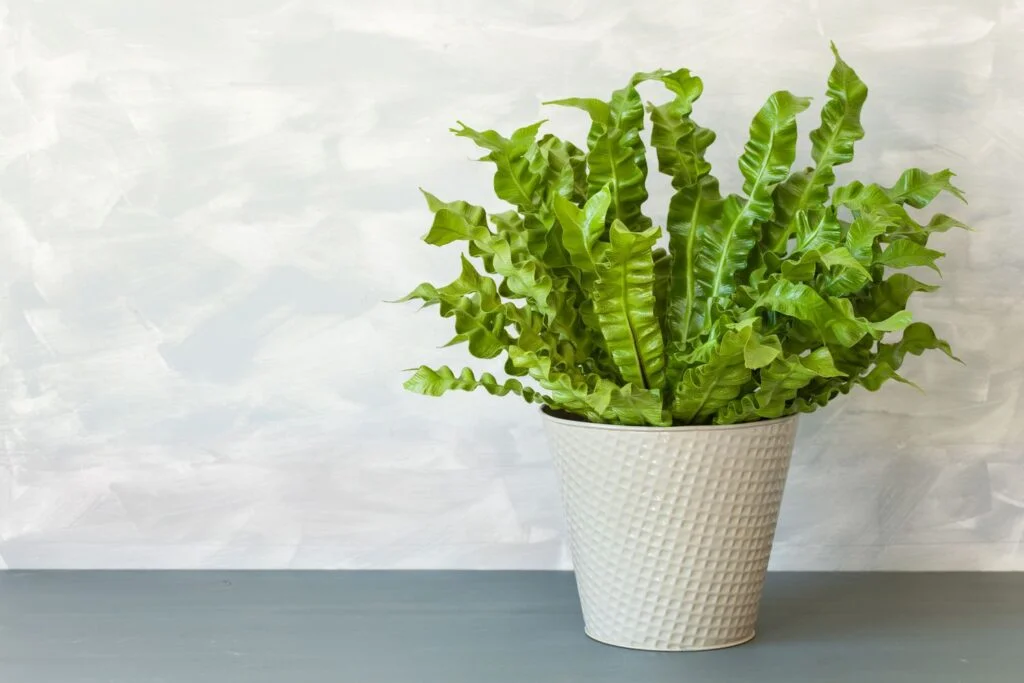
This fern offers a lush, tropical feel with its wavy, apple-green fronds. Unlike many ferns, it’s quite tolerant of lower humidity. Provide it with consistent moisture and shield it from any direct sun, which can scorch its leaves. For other humidity-loving options, explore our list of best bathroom plants.
Pet-Friendly Picks
For households with curious cats or dogs, these are excellent non-toxic choices.
10. Spider Plant (Chlorophytum comosum):
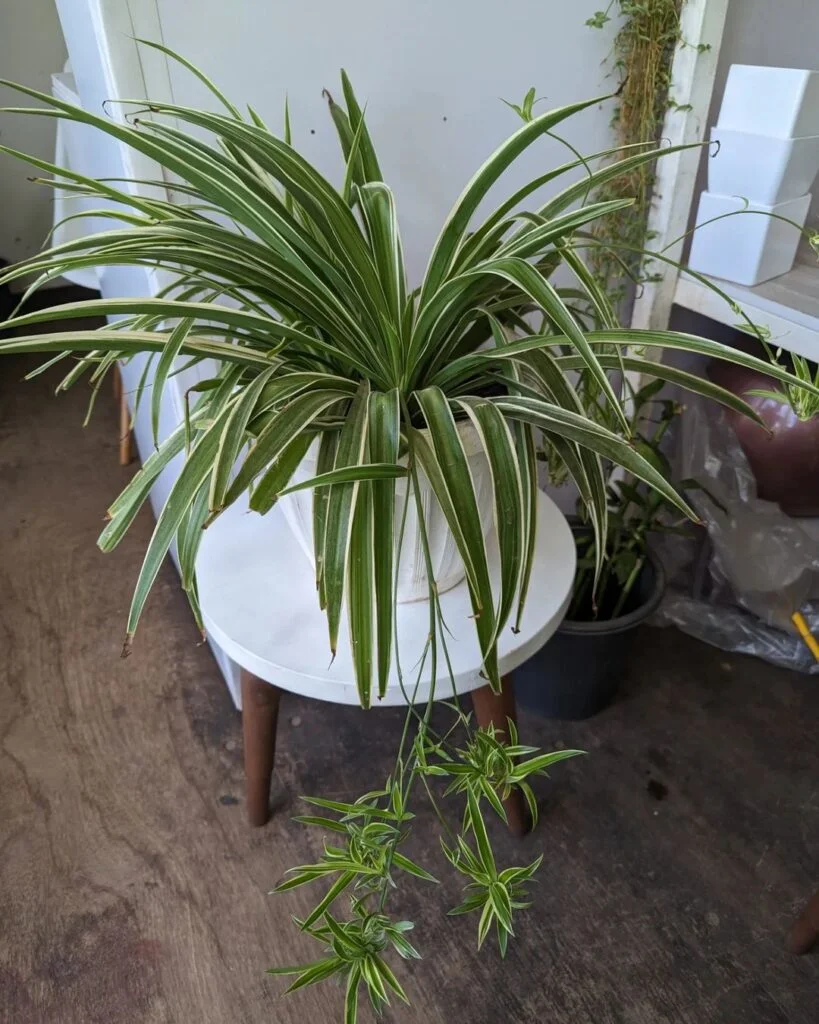
An cheerful, arching plant that produces baby “spiderettes.” It’s non-toxic to pets and adapts to various conditions. Solid green varieties handle the lowest light best.
11. Parlor Palm (Chamaedorea elegans):
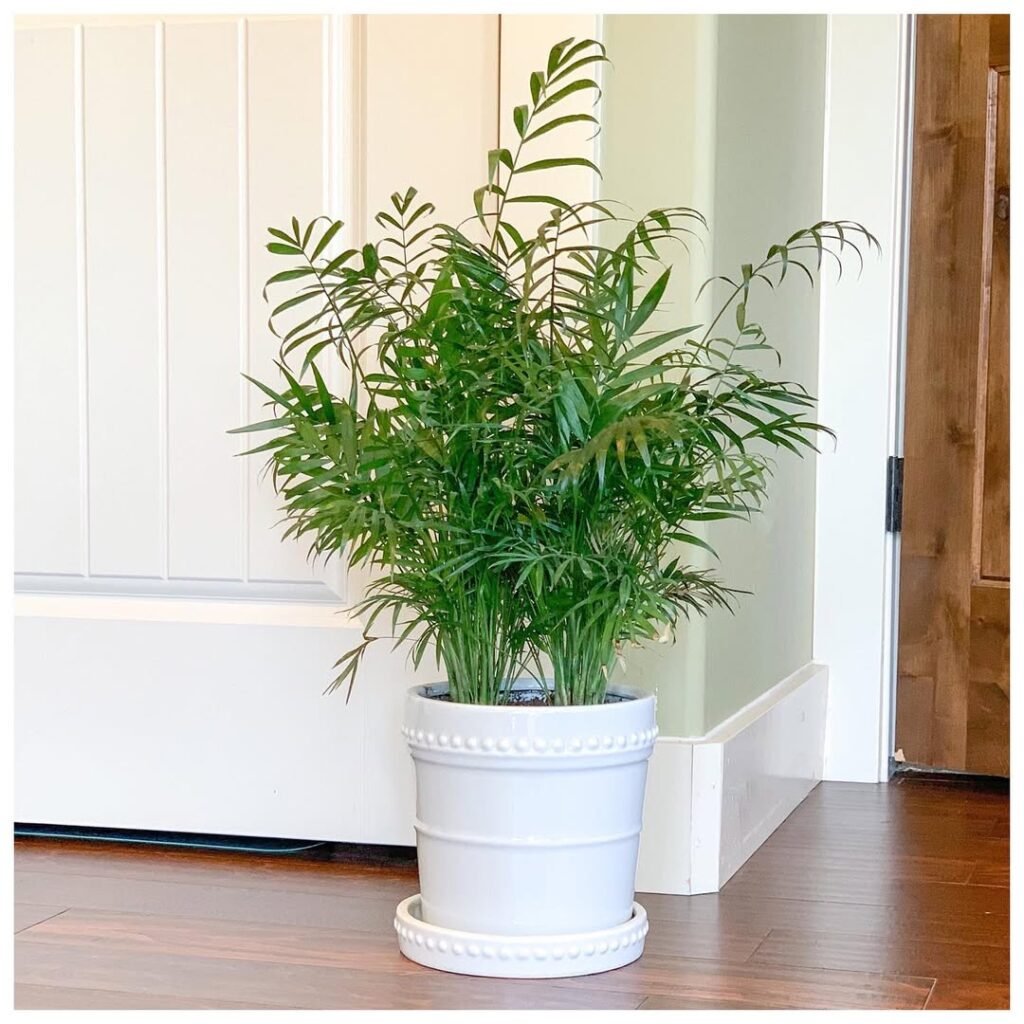
This palm brings a soft, feathery texture. It grows slowly and prefers to be away from direct sunlight. Keep the soil lightly moist and mist it occasionally to combat dry winter air.
12. Prayer Plant (Maranta leuconeura):
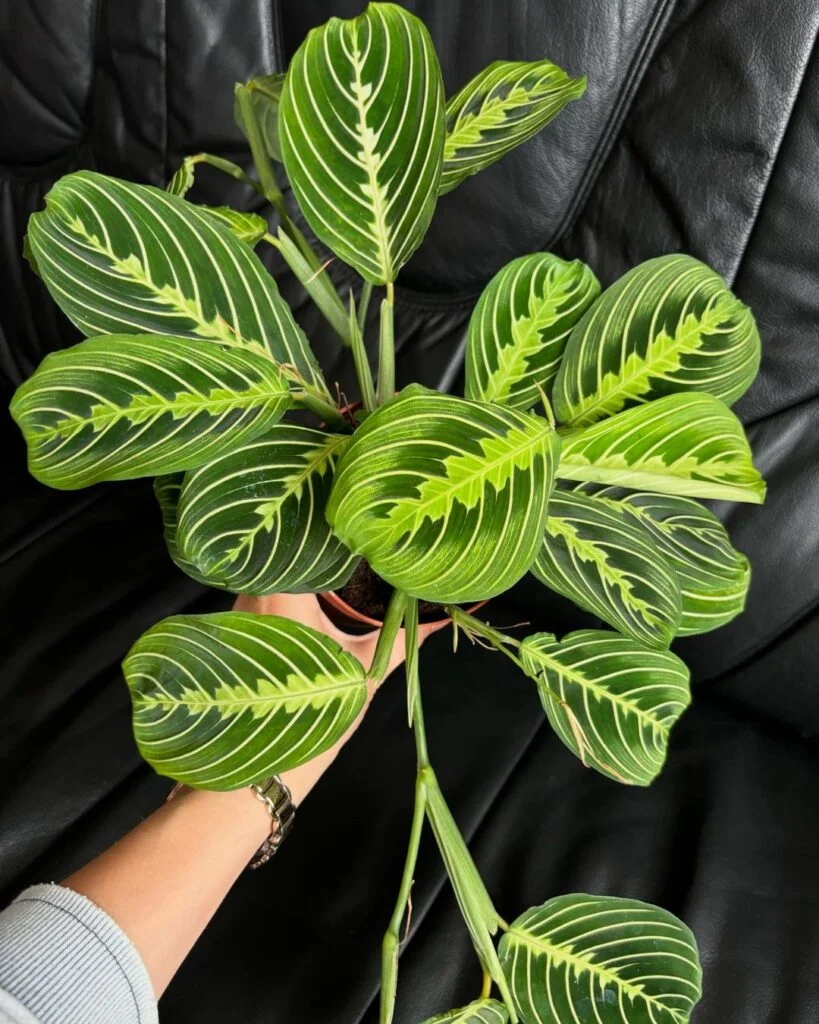
Its beautifully patterned leaves fold upward at night, like praying hands. It prefers consistent warmth, moisture, and higher humidity. A terrarium or humidified room is perfect.
Essential Winter Care Adjustments
Caring for plants in winter isn’t about doing more; it’s about doing less, but more thoughtfully.
Water Deeply, But Less Often:
This is the most critical rule. Plant growth slows or stops in low winter light, so they use very little water-5-9. Overwatering is the fastest way to kill a houseplant in winter. Always check the soil by sticking your finger in an inch or two. If it’s dry, water thoroughly. If it’s damp, wait. Plants like snake plants or ZZ plants may only need water once a month.
Stop Fertilizing:
Since plants aren’t actively growing, they don’t need fertilizer from late fall until early spring. Feeding them now can damage their roots.
Boost Humidity:
Winter heating creates very dry air. Group plants together, place pots on a pebble tray with water, or use a small humidifier. This is especially helpful for ferns and prayer plants.
Keep Them Warm and Draft-Free:
Move plants away from cold drafts from windows or doors, and away from direct blasts from heating vents. Sudden temperature drops can cause stress and leaf drop.
Let There Be (Any) Light:
If your space is exceptionally dark, consider a simple, energy-efficient LED grow light. A few hours of supplemental light can make a big difference for your plants’ health.
Troubleshooting Common Winter Problems
- Yellowing Leaves: This is almost always a sign of overwatering in winter. Check your soil moisture immediately and let the plant dry out more between waterings.
- Leggy, Stretched Growth: If the space between leaves increases, the plant is desperately reaching for more light. Move it closer to a window or provide a grow light.
- Dropping Leaves: Some leaf loss is normal. Significant drop can be from cold drafts, sudden temperature changes, or (less commonly in winter) extreme dryness.
- Pests: Dry air can invite spider mites. Wipe leaves with a damp cloth regularly and inspect the undersides. Increasing humidity helps prevent them.
Remember, the key to success is matching the plant to your specific winter conditions. Start with one or two of the toughest options, like a snake plant or ZZ plant. Observe how they do, and let that guide your next choice.
For more detailed guidance on creating the ideal environment, read our article on setting up your first indoor garden. The goal is to enjoy the process and the quiet, living beauty these plants bring to your home during the long winter months.