Learn practical tips for overwintering allium bulbs in ground and pots. Protect ornamental alliums from cold, ensure good drainage, and apply mulch for success. Advice from Ashley Scott, a 10-year USA gardener.
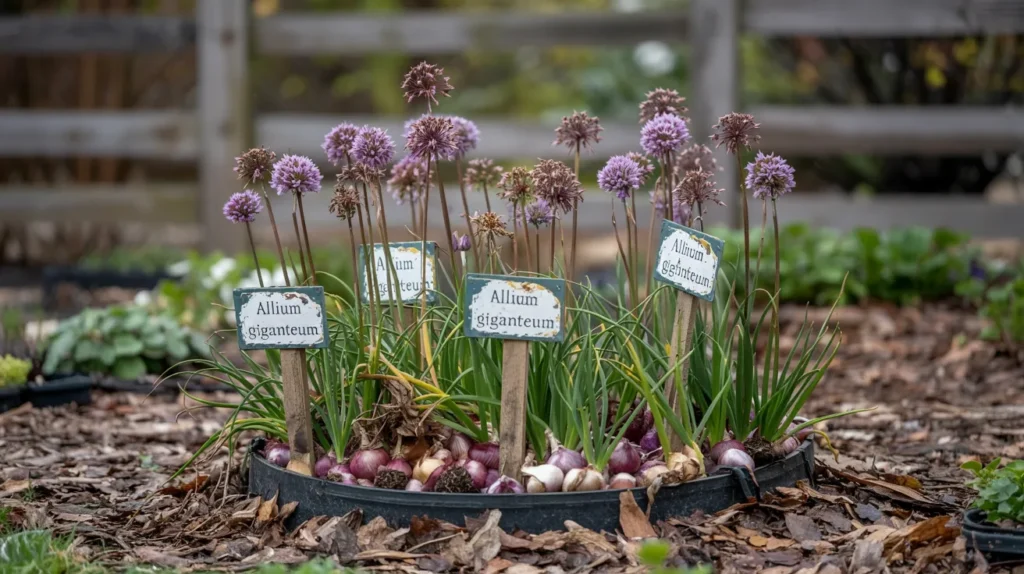
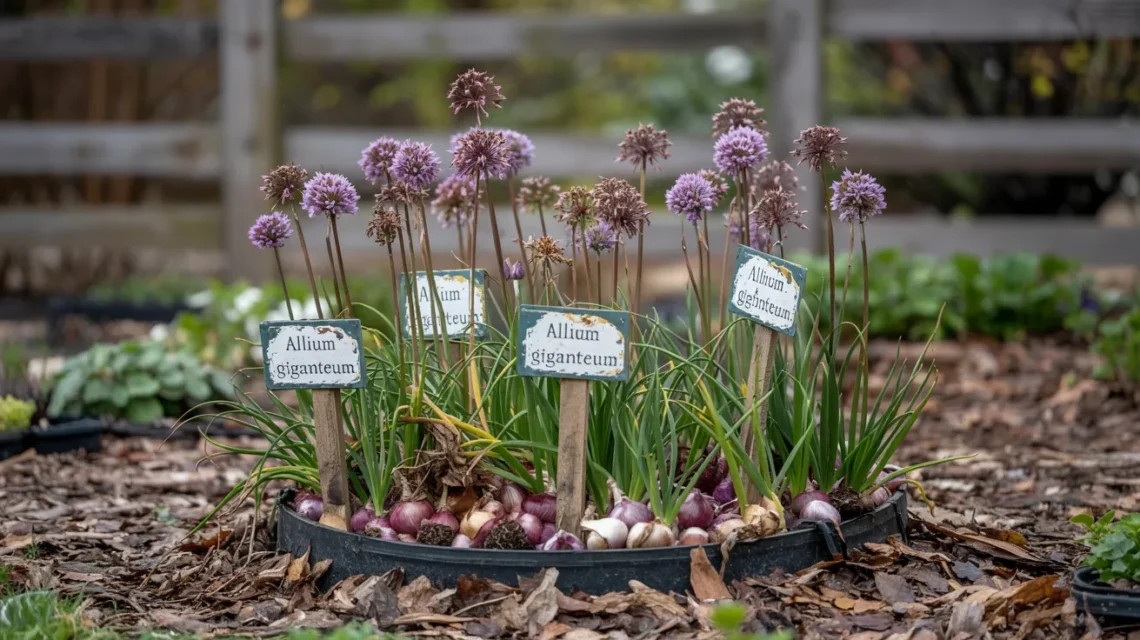
Hi, I’m Ashley Scott. Over 10 years of gardening across the USA, I’ve planted alliums in zones from 5 to 9. Their globe-shaped blooms add structure and draw pollinators. Last winter in a borderline zone 6 spot, heavy freeze-thaw cycles rotted a few unprotected bulbs. Proper overwintering prevents that. Ornamental alliums (like Allium giganteum or ‘Millenium’) need minimal effort. They go dormant after foliage dies back and handle cold well in most areas. Focus on drainage and protection from excess moisture. These tips work for in-ground and potted bulbs.
Alliums require a cold period to bloom well. Plant in fall for spring flowers. In USDA zones 4 to 8, most varieties overwinter reliably outdoors. Zones 3 or below, or pots in zones 4 and lower, need extra care. Let’s cover the key steps.
Understand Allium Hardiness and Dormancy
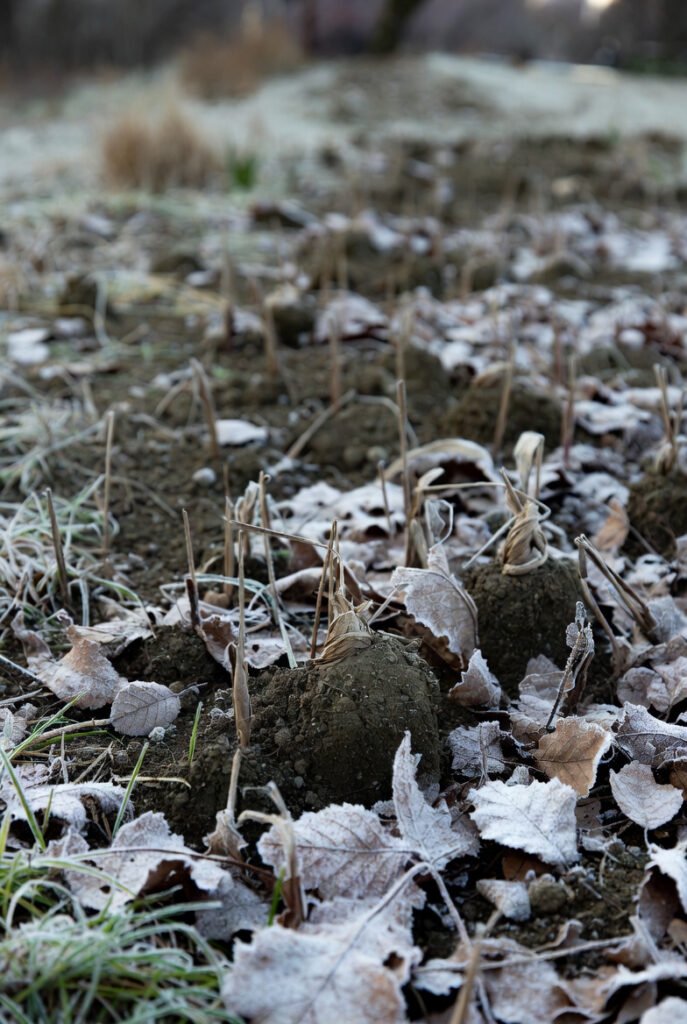
Ornamental alliums die back fully in fall. Foliage yellows and dries after bloom. Bulbs stay dormant underground until spring. They tolerate freezing temperatures down to zone 3 or 4 for many cultivars. Edible types like garlic overwinter differently but focus here on ornamentals.
In my experience, ‘Purple Sensation’ and ‘Globemaster’ return yearly with no fuss in zone 7. The key: prevent rot from wet soil during dormancy. Bulbs rot if waterlogged; they need dry conditions in winter.
For variety-specific zones, see RHS Growing Alliums Guide.
Prepare the Site Before Winter
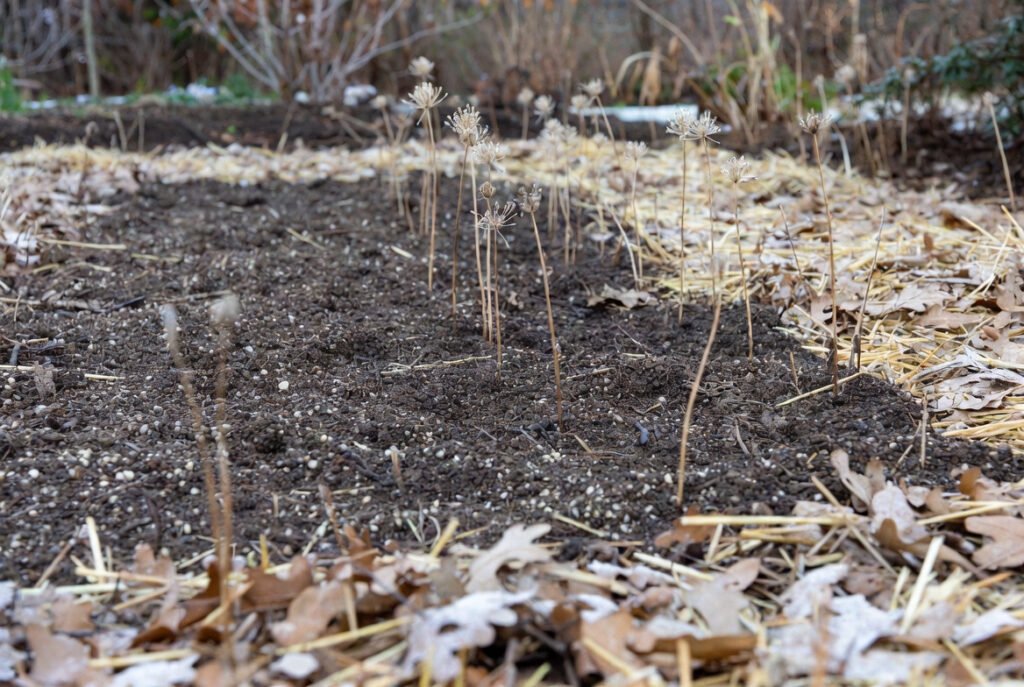
Choose full sun spots with free-draining soil. Alliums hate soggy conditions. If soil stays wet, add grit or sand at planting. In fall, after foliage dies, cut stems at ground level if desired. Leave them for winter interest; seed heads attract birds.
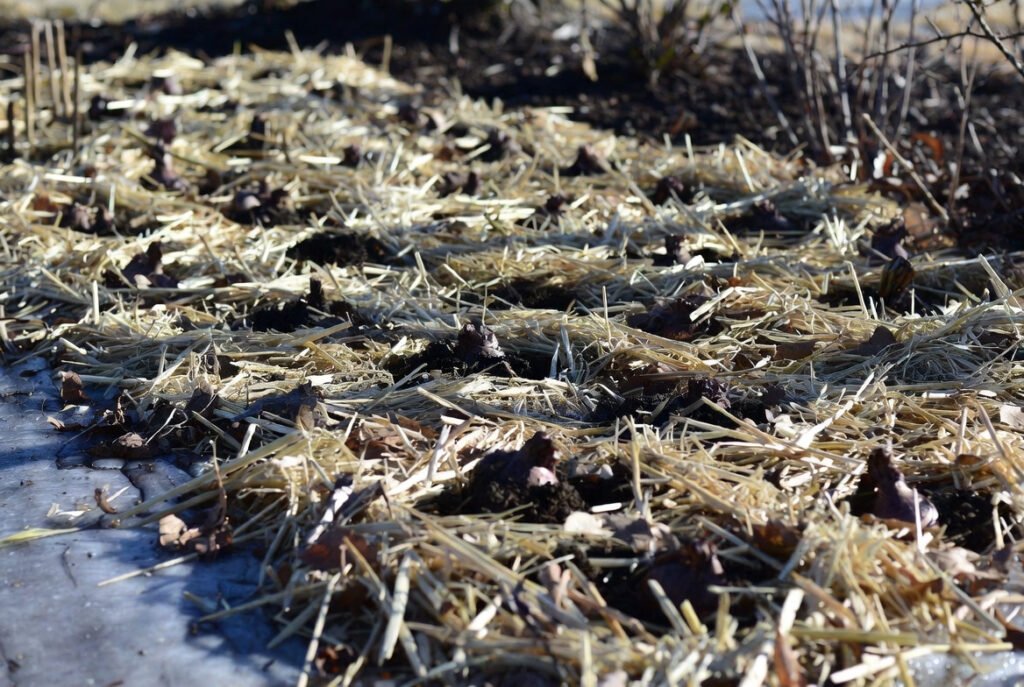
Remove weeds around bulbs. Mulch lightly only after ground freezes to trap cold, not warmth. Use straw, oak leaves, or pine needles at 2 inches max. This shields from temperature swings.
In one bed, I mulched post-freeze; bulbs emerged strong despite -10°F nights.
Mulch In-Ground Bulbs for Protection
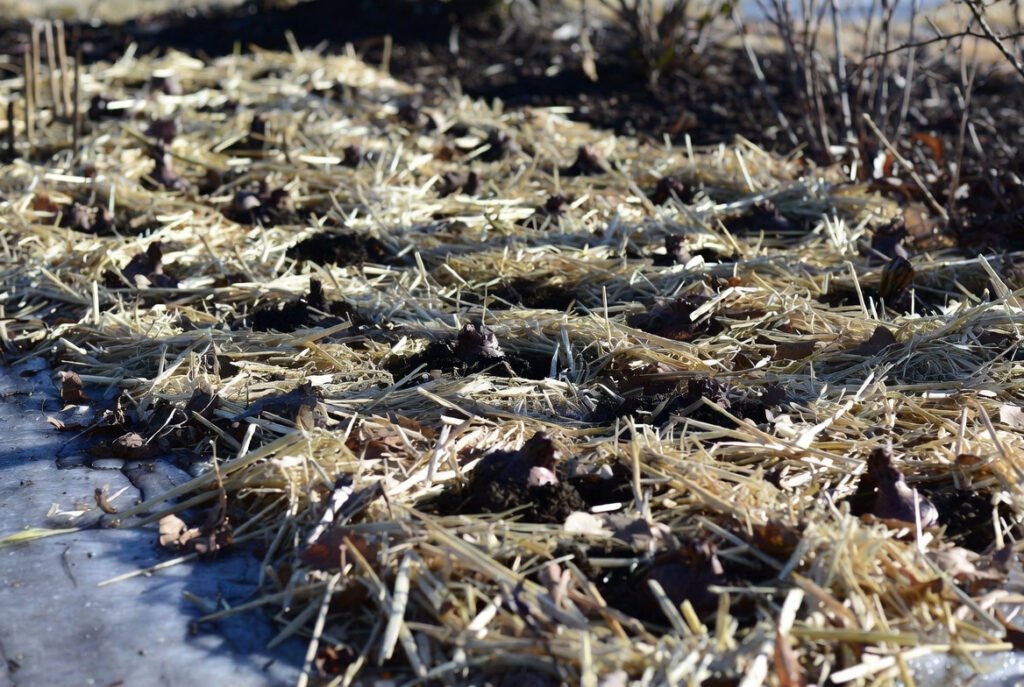
Apply mulch after first hard freeze. A 2-inch layer insulates without overheating. Good materials include straw or shredded leaves. Avoid fresh manure; it invites rot.
In zones 4-5, mulch proves useful. In milder zones, skip it if drainage is excellent. Remove mulch in early spring to warm soil and prevent mold.
My mulched alliums in zone 6 showed no heaving or rot last year.
Handle Potted Alliums Carefully
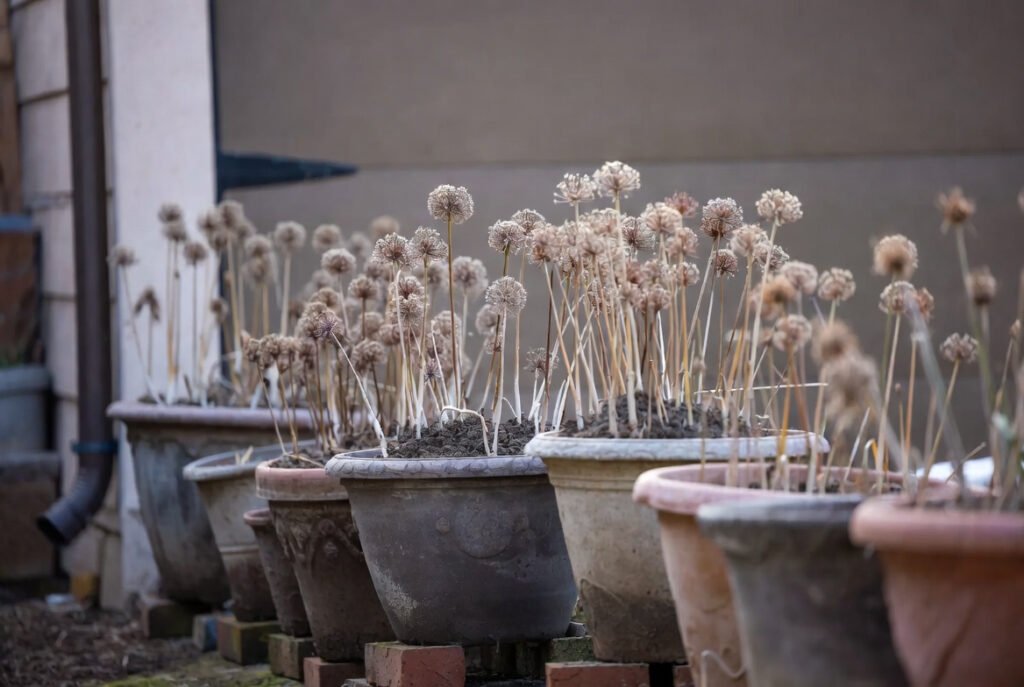
Pots freeze faster than ground. Treat pots as one zone colder. Move to sheltered spots away from downspouts. Elevate on bricks for drainage.
In zones 3-7, store pots in unheated garages or sheds if winters dip below -10°F. Keep at 32-50°F; no heat needed. Bulbs require cold dormancy.
Water sparingly; dry soil prevents rot. In my trials, sheltered pots overwintered fine without moving indoors.
For container tips, check Plant Addicts Allium in Pots.
Ensure Excellent Drainage Year-Round
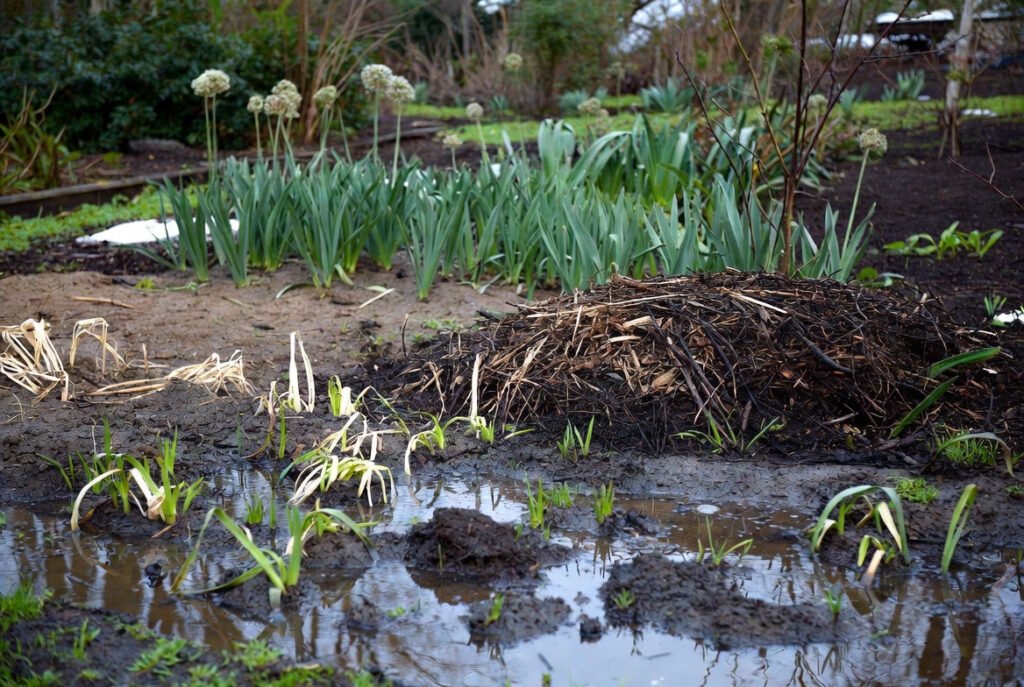
Drainage tops the list. Wet soil causes most failures. Plant in raised beds if needed. Add grit to heavy clay.
During dormancy, stop watering. Rain or snow provides enough; excess leads to rot. Check pots for standing water.
In a wet winter, my well-drained bed lost zero bulbs; a soggy one lost three.
Leave Foliage to Die Back Naturally
Do not cut green leaves post-bloom. They feed bulbs for next year. Let them yellow fully. Mask with perennials if unsightly.
This practice boosted my allium size; stronger bulbs mean bigger globes.
Monitor for Pests and Rot in Spring
Check early spring for mushy bulbs or heaving. Discard soft ones. Replant offsets if divided.
Alliums resist most pests. Deer avoid them due to onion scent.
Divide Overcrowded Clumps Every Few Years
Lift clumps after foliage dies, divide offsets, and replant. Do this in fall for best results. Overcrowding weakens blooms.
I divide every 3-4 years; plants stay vigorous.
Common Mistakes to Avoid
Do not overwater in winter. Skip heavy mulch before freeze. Avoid rich, nitrogen-heavy soil; it promotes leaves over flowers.
In pots, never use garden soil; opt for free-draining mix.
Why These Steps Lead to Success
Alliums store energy in bulbs during dormancy. Good prep ensures roots stay healthy. In my garden, these habits yield reliable blooms year after year.
One mild winter, I skipped mulch on a test bed; bulbs survived but flowered smaller. Protection pays off.
For more on bulbs, read my guide on winter bulb care.
Explore American Meadows Allium Guide for planting details.
See John Scheepers Allium Tips for zone advice.
Check Gardening Know How Alliums for care basics.
What’s your zone and allium variety? Share in comments for tailored advice.