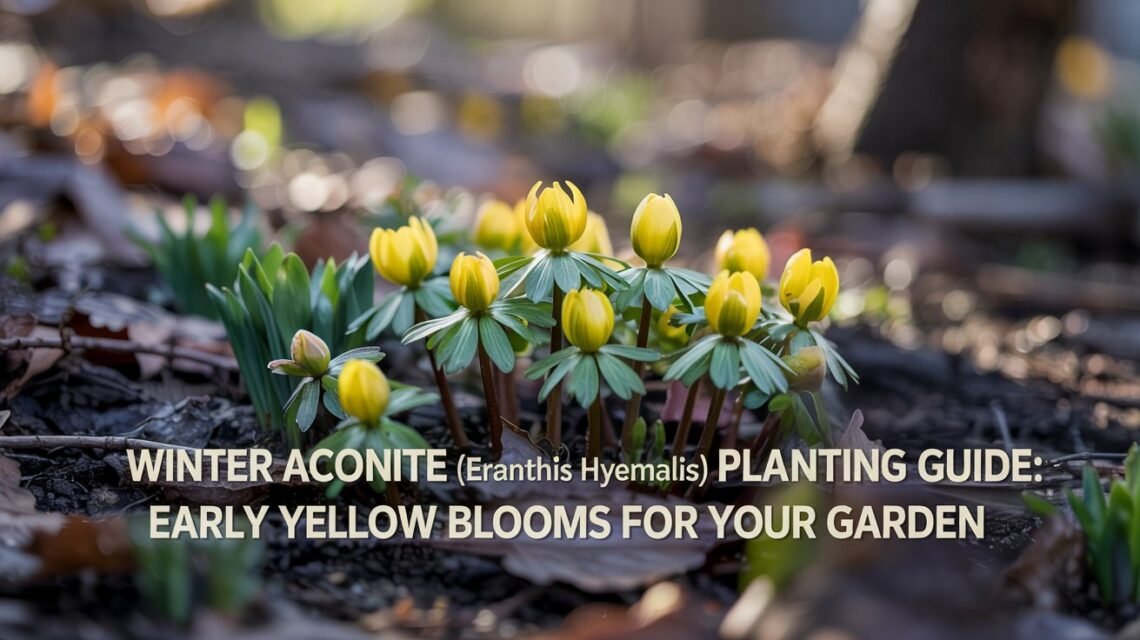
Discover how to plant winter aconite Eranthis hyemalis tubers for late-winter yellow flowers. Get timing, depth, soil, and care tips from Ashley Scott, a 10-year USA gardener.
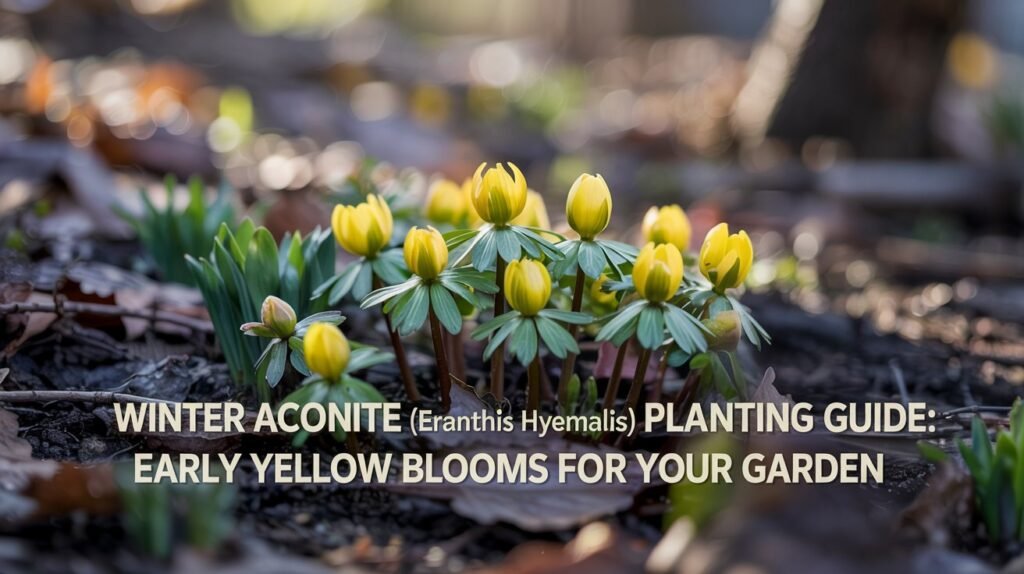
Hi, I’m Ashley Scott. In my 10 years of gardening across the USA, few plants signal spring like winter aconite. These small tuberous perennials push bright yellow cup-shaped flowers through late-winter snow or bare soil, often before crocuses appear. Their low clumps, 3 to 6 inches tall, form golden carpets under trees. Last year in a zone 6 trial, mine bloomed in February alongside snowdrops. The sight lifted spirits during gray days.
Winter aconite (Eranthis hyemalis) belongs to the buttercup family. It thrives in moist, well-drained soil with partial shade. Plant in fall for reliable early blooms. These tips cover preparation, planting, and care to help you succeed.
When to Plant Winter Aconite Tubers
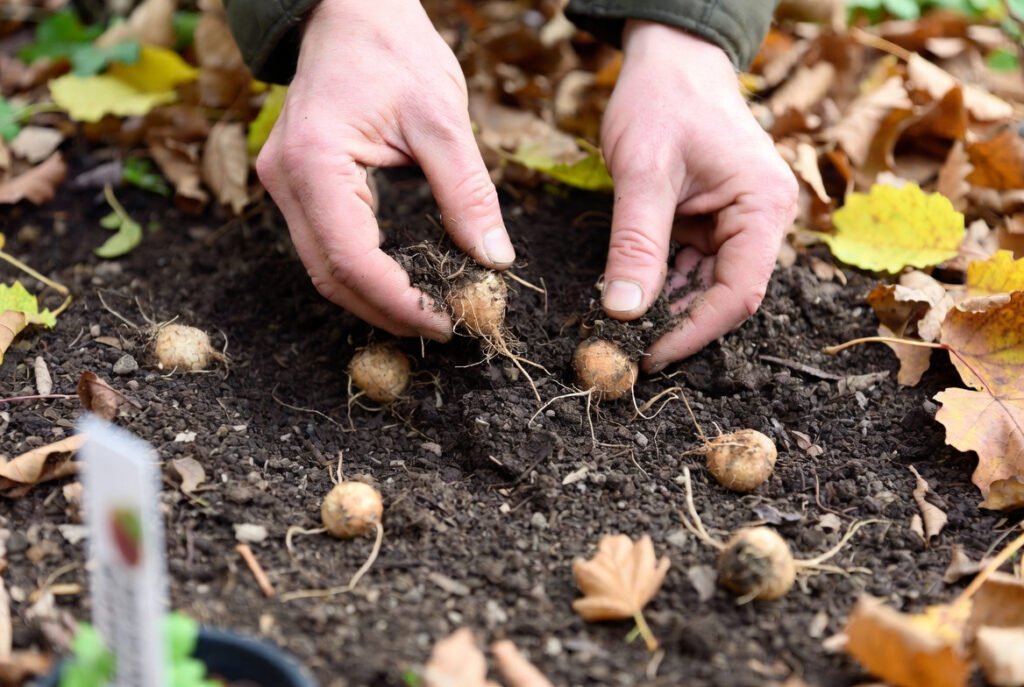
Plant tubers in fall, from September to November. This timing allows roots to establish before winter. In USDA zones 4 to 8, they overwinter well outdoors. Plant before the ground freezes hard.
If tubers arrive late or you cannot plant right away, store them in a cool, dry spot at 40-70°F with good air flow. Avoid drying them out. Soak in tepid water overnight before planting to boost success. Fresh tubers perform best; dried ones establish slowly.
In my experience, fall planting yields stronger colonies. Tubers planted “in the green” (after flowering, when leaves show) work well for transplanting established clumps.
Choose the Right Location and Soil
Select partial shade or dappled light under deciduous trees or shrubs. This mimics their woodland habitat. They tolerate full sun in cooler climates if soil stays moist. Aim for 5-6 hours of direct light during bloom time, with increasing shade as trees leaf out.
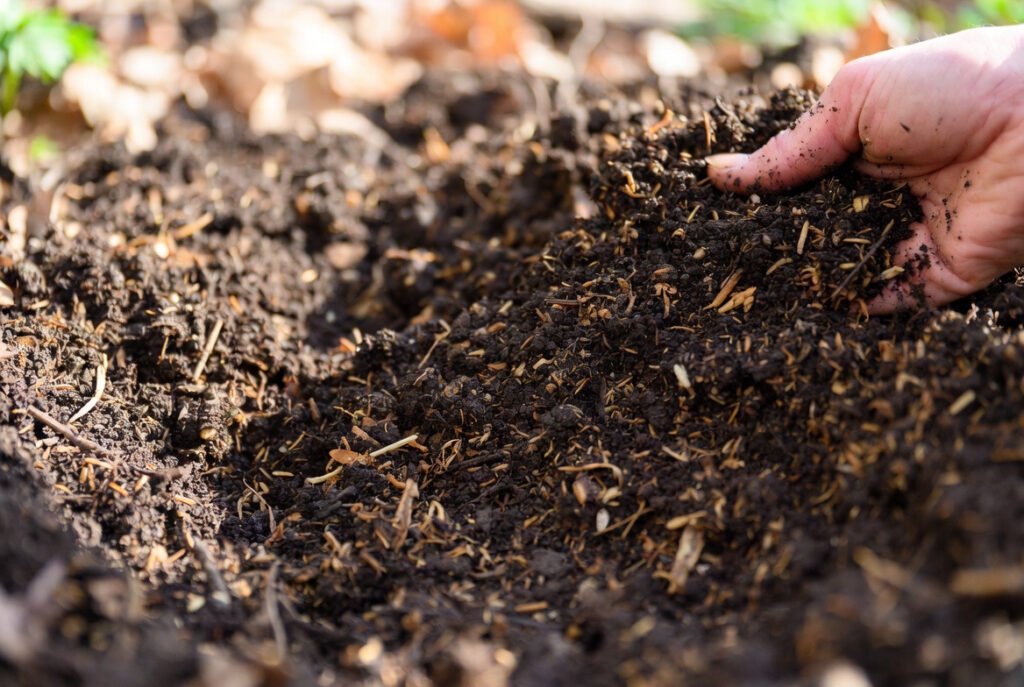
Soil must drain well but retain moisture. Add leaf mold, compost, or well-rotted manure to enrich it. Prefer humus-rich, slightly alkaline conditions. Heavy clay benefits from added sand or grit.
Avoid dry or waterlogged spots. These plants resist deer and tolerate black walnut trees. Plant in drifts of 10-50 tubers for impact, or naturalize in lawns, rock gardens, borders, or under shrubs.
Step-by-Step Planting Instructions
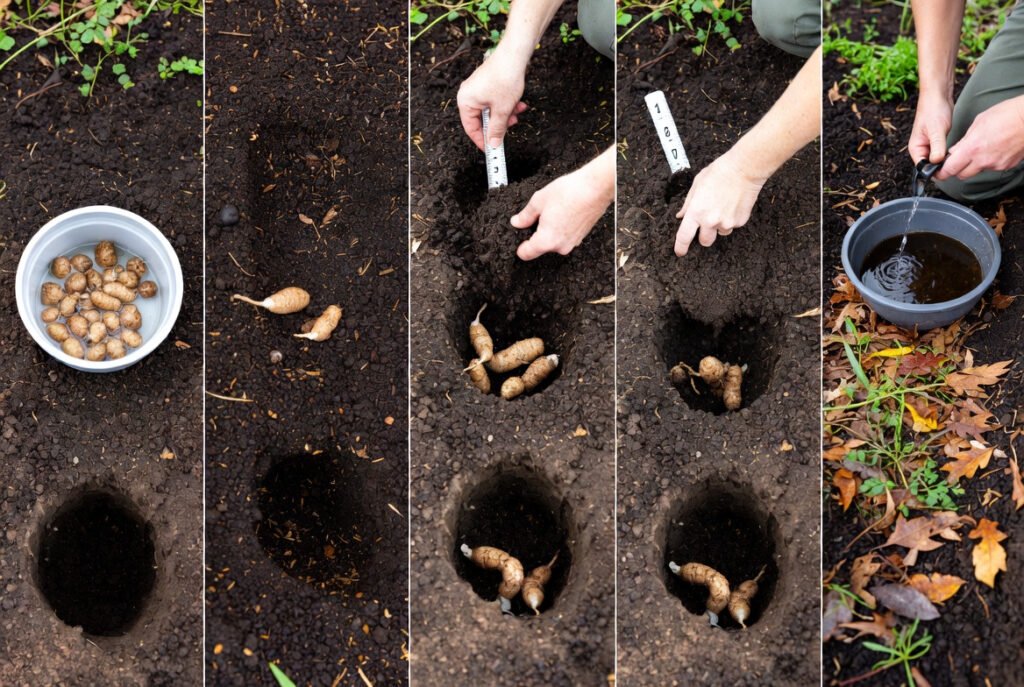
Follow these steps for best results:
- Soak tubers overnight in tepid water.
- Prepare soil by digging and incorporating organic matter.
- Dig holes 2-3 inches deep (shallower in heavy soil, up to 5 cm in lighter mixes). Space tubers 3-5 inches apart.
- Place tubers in holes. Orientation does not matter much; they grow from any side.
- Cover with soil and firm gently. Water well to settle.
- Mulch lightly with leaves after planting if desired, but remove in spring to prevent rot.
Plant in groups for natural effect. They self-seed over time if left undisturbed.
In one bed, I scattered tubers randomly; they formed a carpet in three years.
Care After Planting
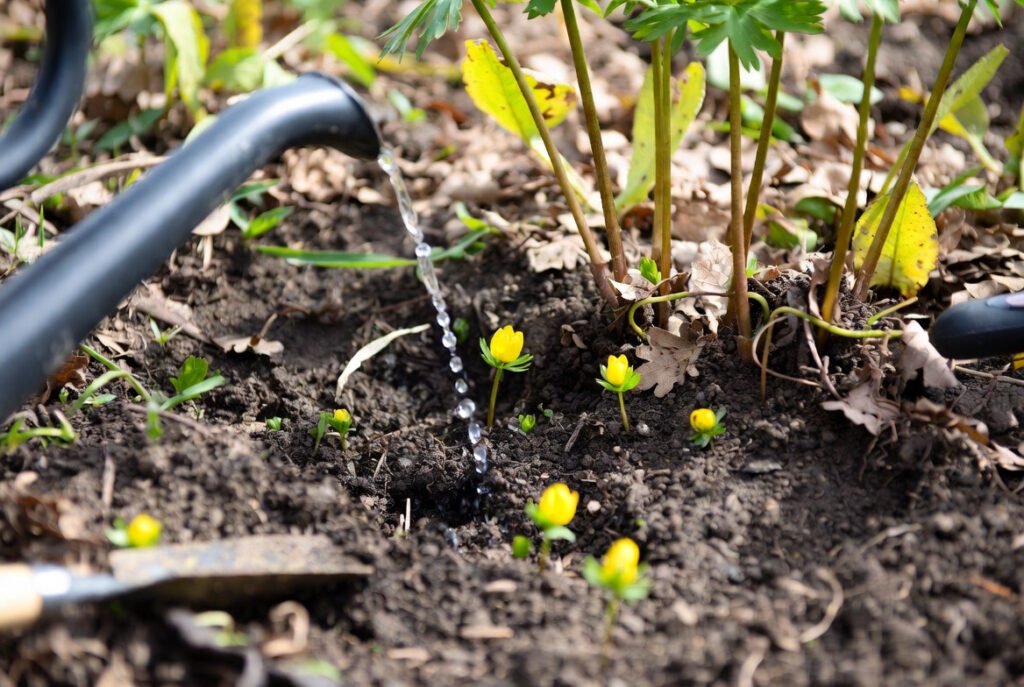
Water regularly in fall to establish roots. Keep soil moist but not soggy. In summer dormancy, reduce water as foliage yellows and dies back.
Allow leaves to die naturally; they feed the tubers. Minimal disturbance helps self-seeding.
Once established, these plants need little care. They go dormant in summer. Divide clumps “in the green” if needed, but leave them alone for spread.
Watch for smut fungus (dark pustules on stems). Remove affected plants and avoid replanting in the same spot. Otherwise, pests and diseases are rare.
All parts are toxic if ingested; handle with gloves and keep from pets or children.
Companion Plants and Design Ideas
Pair with snowdrops for white-yellow contrast. Add bluebells, lungwort, or hellebores for woodland layers. Naturalize under trees or in lawns for early pollinator food.
In my garden, they mix with early crocuses and hellebores for a subtle late-winter display.
Why Plant Winter Aconite
These early bloomers provide nectar for hungry bees. Their cheerful yellow lifts winter moods. Low maintenance and deer-resistant, they suit shade gardens.
One colony in my yard started with 20 tubers; now it covers 10 square feet. Patience pays off.
For more early bloomers, see my guide on spring bulb planting.
Explore details at Wisconsin Horticulture on Winter Aconite.
Read Missouri Botanical Garden’s Plant Finder.
Check Gardenia.net on Eranthis hyemalis.
See North Carolina Extension on Eranthis hyemalis.
Have you tried winter aconite? Share your zone and results in comments.