Learn how to care for hanging succulents with this easy guide. Discover the best varieties, watering tips, light needs, and more to keep your plants thriving.
Hey there! Have you ever seen those gorgeous hanging baskets for succulents overflowing with lush, trailing plants and wondered how to keep them thriving? I’m Ashley Scott, and after 10 years of gardening, I’ve fallen in love with hanging succulents. These low-maintenance beauties can transform any space—your living room, balcony, or even a cozy corner of your office. In this guide, I’ll walk you through everything I’ve learned about hanging succulent plant care, from picking the perfect varieties to mastering watering tricks. Let’s dive in and get your succulent hanging baskets looking amazing!
What Are Hanging Succulents?
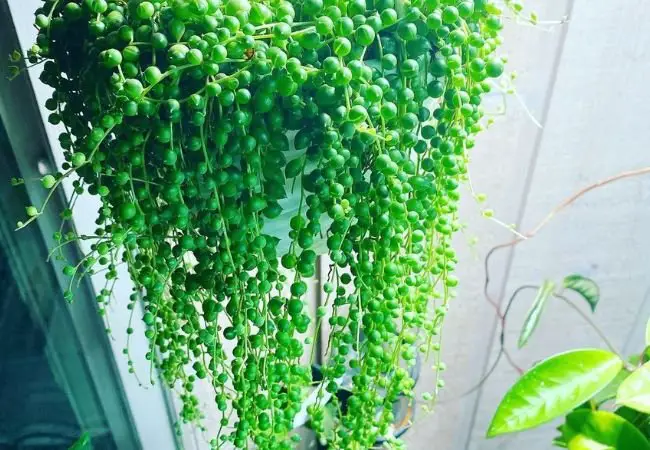
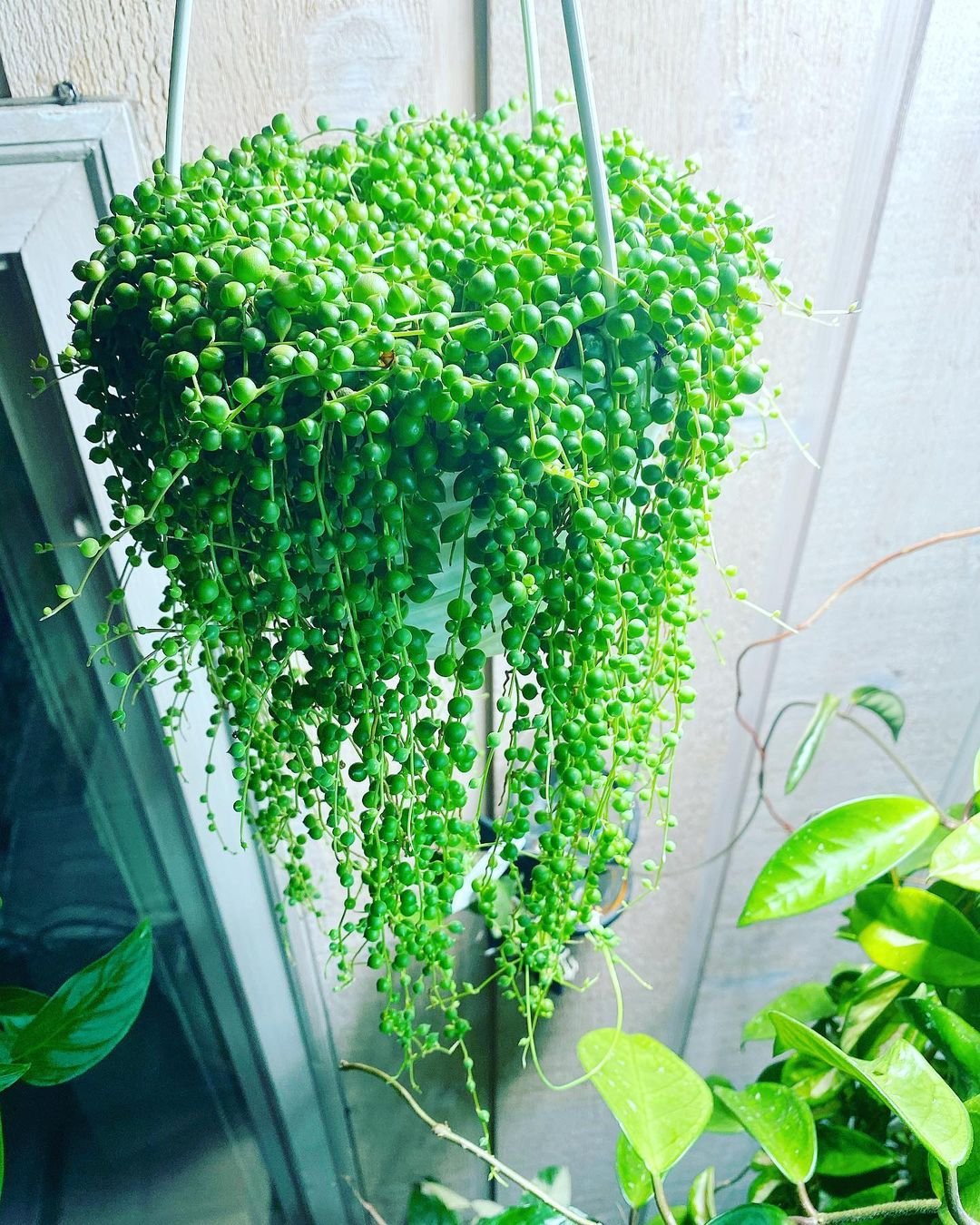
So, what exactly are hanging succulents? They’re succulent plants with a trailing or cascading growth habit, making them ideal for hanging baskets, wall planters, or elevated pots. Unlike upright succulents, these beauties have stems that drape downward, adding a unique charm to your space. Some of my favorites include String of Pearls (Senecio rowleyanus), Burro’s Tail (Sedum morganianum), and String of Hearts (Ceropegia woodii). They’re not just pretty—they’re also pretty easy to care for, which is why they’re perfect for beginners and seasoned gardeners alike.
How to Care for Hanging Succulents
Caring for hanging succulent plants is all about understanding their basic needs: light, water, soil, and a little food now and then. Here’s what I’ve learned works best:
Light
Hanging succulents love bright, indirect light. I keep mine near a south-facing window indoors where they soak up plenty of sunshine without getting burned. If you’re growing them outside, partial shade is your friend—too much direct sun can scorch their leaves.
Water
Watering is where a lot of folks trip up. These plants store water in their leaves, so they don’t need much. Since succulent hanging baskets are up in the air, the soil dries out faster due to extra airflow. I water mine when the top inch of soil feels dry—usually every 10-14 days in summer. In winter, I cut back even more. Overwatering is a big no-no; it can lead to root rot.
Soil
Good drainage is key! I always use a well-draining cactus or succulent mix. You can grab one from a garden store or mix your own with potting soil, sand, or perlite. This keeps water from pooling around the roots.
Fertilization
Succulents for hanging pots aren’t greedy for fertilizer. During spring and summer, I give mine a diluted, balanced fertilizer (like 10-10-10) once a month. Come winter, I skip it since they’re resting.
Want more tips on succulent basics? Check out my guide on Best Succulents for Beginners.
Best Hanging Succulents for Beginners
New to gardening? No worries! Here are three hanging succulent plants I recommend starting with:
- String of Pearls – Its tiny, bead-like leaves look stunning trailing down a pot. Super easy once you get the hang of watering.
- Burro’s Tail – Thick, plump leaves cascade like a waterfall. It’s forgiving if you forget to water now and then.
- String of Hearts – Heart-shaped leaves make it adorable, and it’s tough enough to handle a little neglect.
These picks are low-fuss and add tons of personality to your home.
How Often Should I Water Hanging Succulents?
“How often should I water my hanging succulent?” is a question I get a lot. It depends on a few things: the plant type, pot size, and your home’s conditions. In the growing season (spring and summer), I water every 1-2 weeks. In winter, I stretch it to once a month or less. Always feel the soil—if the top inch is dry, it’s time to water. For more insights, the University of California Agriculture and Natural Resources has great advice on succulent watering.
What Kind of Light Do Hanging Succulents Need?
Succulent plants that hang need bright, indirect light to thrive. Indoors, I place mine near a window but out of harsh direct rays. If the leaves start stretching (looking leggy), they’re begging for more light. Yellow or brown leaves? Too much sun. Adjust their spot, and they’ll thank you.
Can Hanging Succulents Be Grown Indoors?
Yes, absolutely! Hanging succulents plants do great indoors if they get enough light. I’ve got mine in a bright room, and when natural light’s lacking, a grow light saves the day. Keep the temperature between 60-80°F (15-27°C), and you’re golden.
How Do I Propagate Hanging Succulents?
Propagating succulents that hang is one of my favorite gardening perks—it’s so easy! Here’s how I do it:
- Snip a healthy stem or leaf from the plant.
- Let it dry out for a day or two until a callus forms.
- Lay it on well-draining soil.
- Mist lightly until roots sprout.
In a few weeks, you’ll have a new plant! I once propagated my String of Pearls this way and gave the babies to friends. Want a full tutorial? See my post on How to Propagate Succulents.
Common Problems with Hanging Succulents and How to Fix Them
Even with care, hanging succulent planters can hit a snag. Here’s what I’ve run into and how I fix it:
- Overwatering: Yellow, mushy leaves or soggy roots? Let the soil dry out completely and water less often.
- Underwatering: Shriveled leaves mean they’re thirsty. Water a bit more, but let the soil dry between sessions.
- Pests: Mealybugs or spider mites can pop up. I dab them with insecticidal soap or neem oil.
- Low Light: Stretching stems? Move them to a brighter spot or add a grow light.
The Royal Horticultural Society has more troubleshooting tips if you need them.
Creative Ways to Show Off Your Hanging Succulents
Succulent hanging plants are so versatile! Here’s how I display mine:
- Macrame Hangers: A boho vibe that’s perfect for ceilings or walls.
- Wall Planters: Mount a few pots for a living wall effect.
- Hanging Terrariums: Glass orbs for a sleek, modern look.
- Repurposed Items: I’ve used old colanders or baskets—just add drainage holes!
Pick a sturdy spot, especially as they grow heavier.
Seasonal Care for Hanging Succulents
Your succulent wall hanging needs shift with the seasons:
- Spring & Summer: Growing time! Water more and fertilize lightly. Great for propagating too.
- Fall & Winter: They slow down. Cut back on water and keep them in a cool, bright place. No frost if they’re outside!
My Hanging Succulent Story
I’ll never forget my first hanging succulent—a String of Pearls a friend gifted me. I was hooked by its delicate, cascading leaves, but I overwatered it at first. The leaves turned yellow, and I panicked! After some research and tweaking my routine, it bounced back. Now, it’s thriving, and I’ve learned to trust the “less is more” approach with water.
Why I Love Hanging Succulents
Beyond their looks, hanging succulent baskets clean indoor air and save space—perfect for small apartments. Their easy-going nature suits busy folks or anyone new to plants. The Missouri Botanical Garden notes succulents’ air-purifying perks—bonus points!
FAQs About Hanging Succulents
Got questions? I’ve got answers:
Can hanging succulents survive in low light?
Some, like String of Hearts, can handle it, but most hanging succulents need bright light. Low light makes them leggy.
How do I keep them from getting leggy?
More light! If they stretch, move them closer to a window or prune for bushier growth.
Are they safe for pets?
It varies. String of Pearls is toxic to cats and dogs, but many others are fine. Check your variety.
The Cornell University Cooperative Extension has more on plant safety.
Wrapping Up
Hanging succulents are a fantastic way to bring life to your home or garden. With their cascading charm and simple care needs, they’re hard not to love. Follow these tips—right light, careful watering, and a little TLC—and your succulent plants for hanging baskets will thrive. Happy gardening!
For more plant inspiration, visit the National Gardening Association.