

Unlock 7 expert secrets to grow vibrant orange marigolds. From variety selection to pest control, get stunning blooms with these USA-friendly tips.
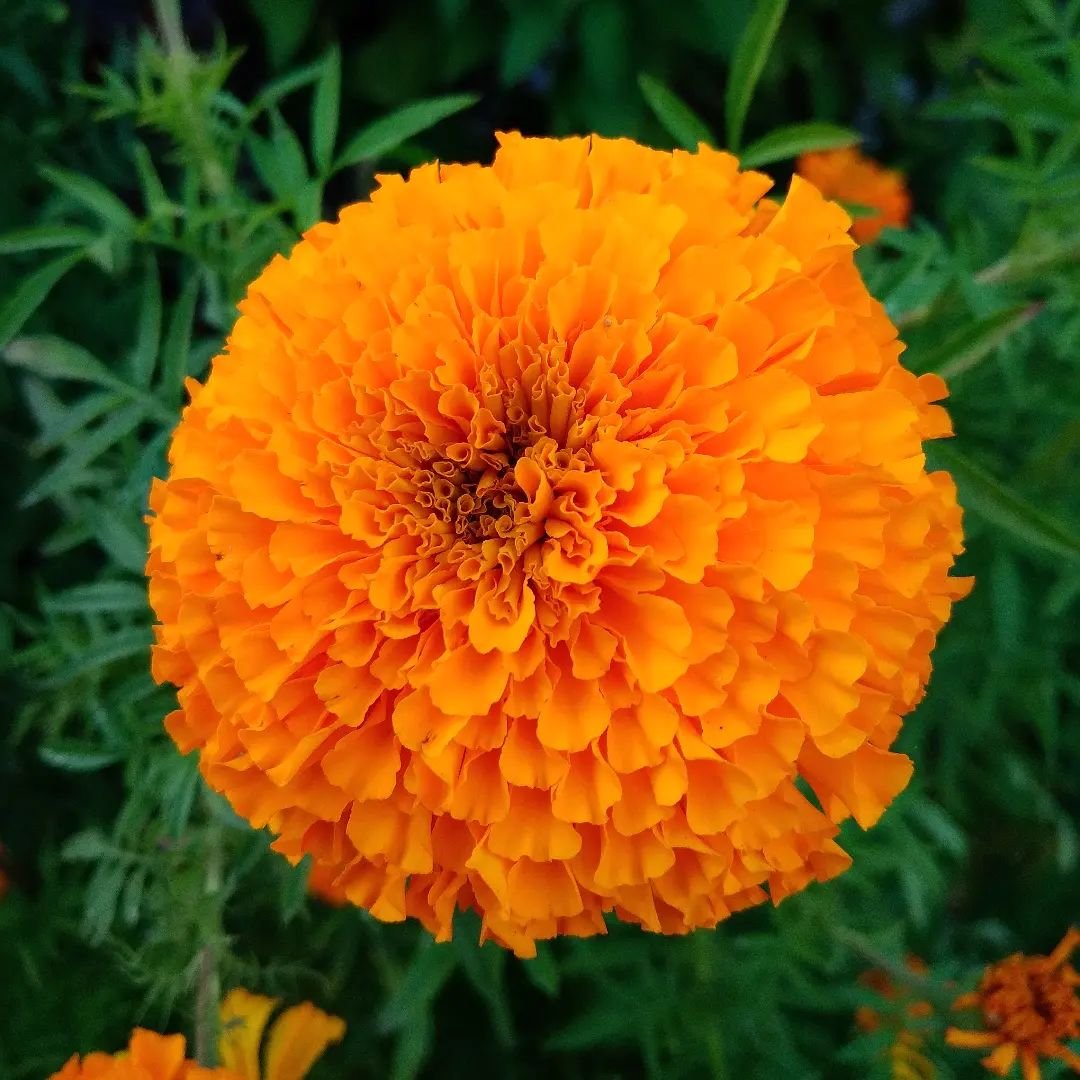
Hey there, fellow gardening enthusiasts! I’m Ashley Scott, and with 10 years of digging in the dirt under my belt, I’ve learned a thing or two about growing beautiful flowers. One of my all-time favorites? Orange marigolds. These fiery blooms light up any garden with their bold color and charm. Whether you’re planting them for their stunning looks or their cultural significance—like their role in Day of the Dead celebrations—I’ve got you covered with seven secret tips to grow the most eye-catching orange marigolds you’ve ever seen.
In this article, I’ll walk you through my tried-and-true methods to cultivate large orange marigolds or even tall orange marigolds that steal the show. These tips aren’t just basic advice—they’re the little-known tricks I’ve picked up over the years to make your marigolds thrive. Plus, I’ll weave in answers to common questions (like “what do orange marigolds represent?”) so you’ll have everything you need in one place. Ready to get started? Let’s dig in!
Why Orange Marigolds Are Special
Before we jump into the tips, let’s talk about why orange marigolds are worth your time. Known scientifically as Tagetes erecta (yep, that’s the orange marigold scientific name), these flowers are more than just pretty faces. Their vibrant hue symbolizes warmth, creativity, and passion. In Mexican culture, orange marigolds play a starring role in Day of the Dead festivities, guiding spirits with their bright petals and strong scent. Whether you’re making an orange marigold garland or just want a pop of color, they’re a gardener’s dream.
Now, let’s get to those secrets I promised!
Tip 1: Selecting the Perfect Orange Marigold Variety
The first step to growing stunning orange marigolds is picking the right variety. Not all marigolds are created equal, and choosing the best one for your garden sets the stage for success. Here are my top picks:
- African Marigolds (Tagetes erecta): Think big, bold blooms—like giant orange marigolds or orange Hawaii marigolds. These can grow up to 3 feet tall and are perfect for warm climates.
- French Marigolds (Tagetes patula): Smaller but mighty, varieties like orange flame marigolds or orange French marigolds bloom like crazy and fit well in tight spaces.
- Mexican Marigolds (Tagetes lemmonii): These orange Mexican marigolds have delicate foliage and a zesty scent that keeps pests away.
I once planted orange African marigolds in my backyard, and they turned into towering beauties that neighbors couldn’t stop admiring. Match your pick to your climate and space—tall orange marigolds need room, while orange gem marigolds shine in pots.
Want more on marigold types? Check out my guide on marigold varieties at USA Garden Hub.
Tip 2: Timing Your Planting for Maximum Bloom
Timing is everything with orange marigolds. These warm-season annuals hate frost, so plant them after your area’s last frost date. In the USA, that’s usually spring—check your local frost date at a site like Purdue University’s Extension.
You’ve got two options:
- Start seeds indoors: Sow them 6-8 weeks before the last frost for a head start. I love this method because it gives me sturdy seedlings ready to bloom early.
- Direct sow outdoors: Wait until the soil warms up (around 60°F), and seeds will sprout in 5-7 days.
Last year, I started my orange and yellow marigolds indoors, and by June, they were bursting with color while my neighbor’s direct-sown plants were just waking up. Timing makes a difference!
Tip 3: Preparing the Ideal Soil Mix
Marigolds aren’t picky, but the right soil can turn good plants into stunning ones. Aim for well-draining soil with a pH of 6.0-7.0—slightly acidic to neutral. Here’s my go-to prep:
- Mix in compost or aged manure for nutrients and drainage.
- If planting in pots, use a potting mix with perlite (skip heavy garden soil).
One summer, I skipped this step, and my orange marigold plants barely bloomed. Lesson learned: a little compost goes a long way. For more soil tips, visit Cornell University’s Gardening Resources.
Tip 4: Watering Wisely for Healthy Roots
Watering orange marigolds is a balancing act. Too much, and their roots rot; too little, and they wilt. Here’s my rule: water deeply but let the soil dry out slightly between sessions.
- How often? Every few days in hot weather, weekly when it’s cooler.
- How much? Check the top inch of soil—if it’s dry, water.
I water at the base in the morning to keep the leaves dry and avoid fungus. Once, I overwatered my orange and red marigolds, and they drooped sadly. Now, I’m smarter about it!
Tip 5: Feeding Your Marigolds for Vibrant Colors
Want those orange marigold bouquets to pop? A little fertilizer helps. I use a balanced 10-10-10 slow-release fertilizer at planting and every 4-6 weeks after. Organic fans can try compost tea or fish emulsion—I swear by it for healthy soil.
Here’s a secret: toss a handful of bone meal into the planting hole. It’s packed with phosphorus for roots and blooms. My large orange marigolds were practically glowing after I started doing this.
Curious about fertilizers? Explore more at USA Garden Hub.
Tip 6: Protecting Your Plants from Pests Naturally
Good news: orange marigolds naturally repel pests like nematodes. But aphids and spider mites can still crash the party. My fix? Go natural:
- Companion planting: Pair marigolds with tomatoes or peppers—they keep bugs away from each other.
- Beneficial bugs: Plant dill nearby to attract ladybugs that eat pests.
If pests show up, I use neem oil or insecticidal soap. My orange flowers that look like marigolds (and the real ones!) stay pest-free this way. Learn more from UC Davis IPM.
Tip 7: Encouraging Continuous Blooms Through Care
To keep your orange marigolds blooming all season, give them some TLC. Deadheading—pinching off faded flowers—is a must. It tricks the plant into making more blooms.
- Prune tall varieties: Trim leggy tall orange marigolds by a third for bushier growth.
- Avoid too much nitrogen: It grows leaves, not flowers.
I deadhead my red and orange marigolds weekly, and they bloom from June to frost. It’s a small effort for a big reward!
Common Questions About Orange Marigolds
Got questions? I’ve got answers!
What Do Orange Marigolds Represent?
Orange marigolds mean warmth and creativity. In Day of the Dead traditions, they’re used in orange marigold garlands to honor the departed.
Are Orange Marigolds Edible?
Yes! The petals add a tangy kick to salads. Just make sure they’re pesticide-free.
Are Orange Marigolds Toxic to Cats?
Nope, they’re safe, but keep cats from nibbling too much to avoid tummy upset. Check ASPCA’s plant list.
Where Can I Buy Orange Marigolds?
Find seeds or plants at garden centers, online, or local markets. I’ve got a buying guide at USA Garden Hub.
Wrapping Up
Growing stunning orange marigolds is easier than you think with these seven tips. From picking the right variety to deadheading for nonstop blooms, you’re now armed with my best secrets. Gardening’s all about trial and error, so don’t be afraid to experiment—I sure have over my 10 years!
Have questions? Drop by https://usagardenhub.com—I’d love to help. Now, go plant some orange marigolds and watch your garden glow!




2 Comments on “7 Secret Tips for Growing Stunning Orange Marigolds”