
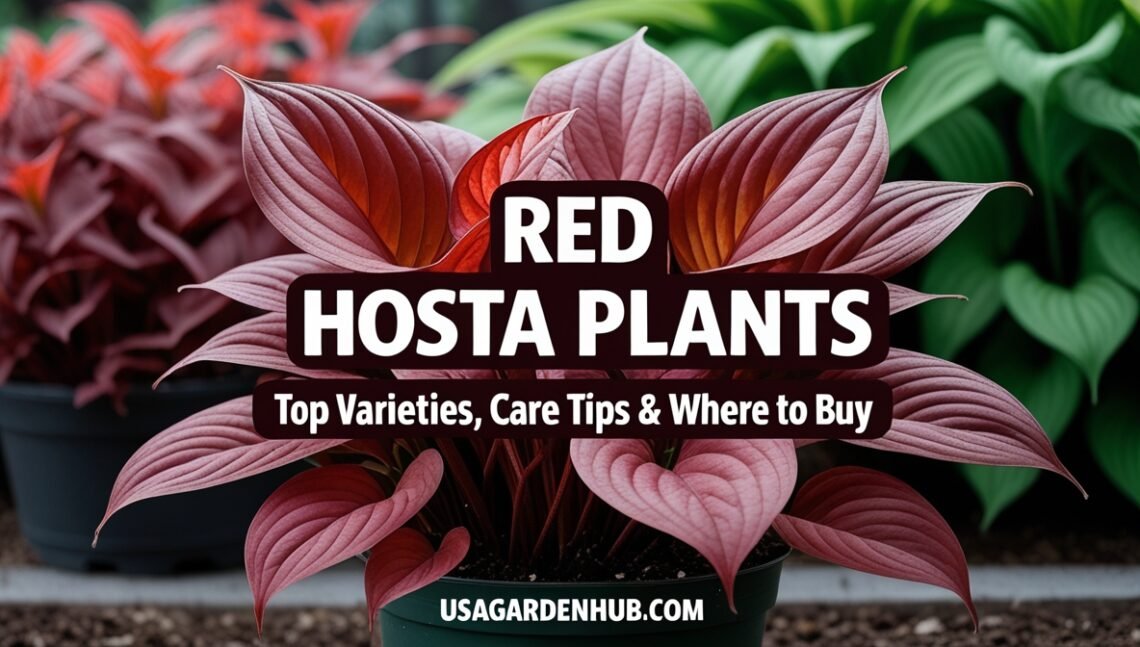
Discover the unique beauty of red hosta plants. This guide covers popular varieties like ‘First Blush’ and ‘Red October’, essential care tips, and reliable sources to buy them for your shade garden.

If you think of hostas as just green, it’s time to take a closer look. For years, hybridizers have been on a quest to infuse these shade-garden staples with a splash of red, resulting in stunning plants that add a new layer of depth and excitement to the landscape. I’ve been fascinated by watching this journey, and adding these unique varieties to my own garden has been incredibly rewarding.
Red hostas don’t typically have fire-engine red leaves. Instead, the “red” refers to beautiful rosy purples, deep burgundies, and rich plum tones that appear on the leaf stems (petioles), flower scapes, and increasingly, as a blushing color on the leaves themselves . This guide will walk you through everything you need to know to grow these elegant perennials successfully.
What Makes a Hosta “Red”?
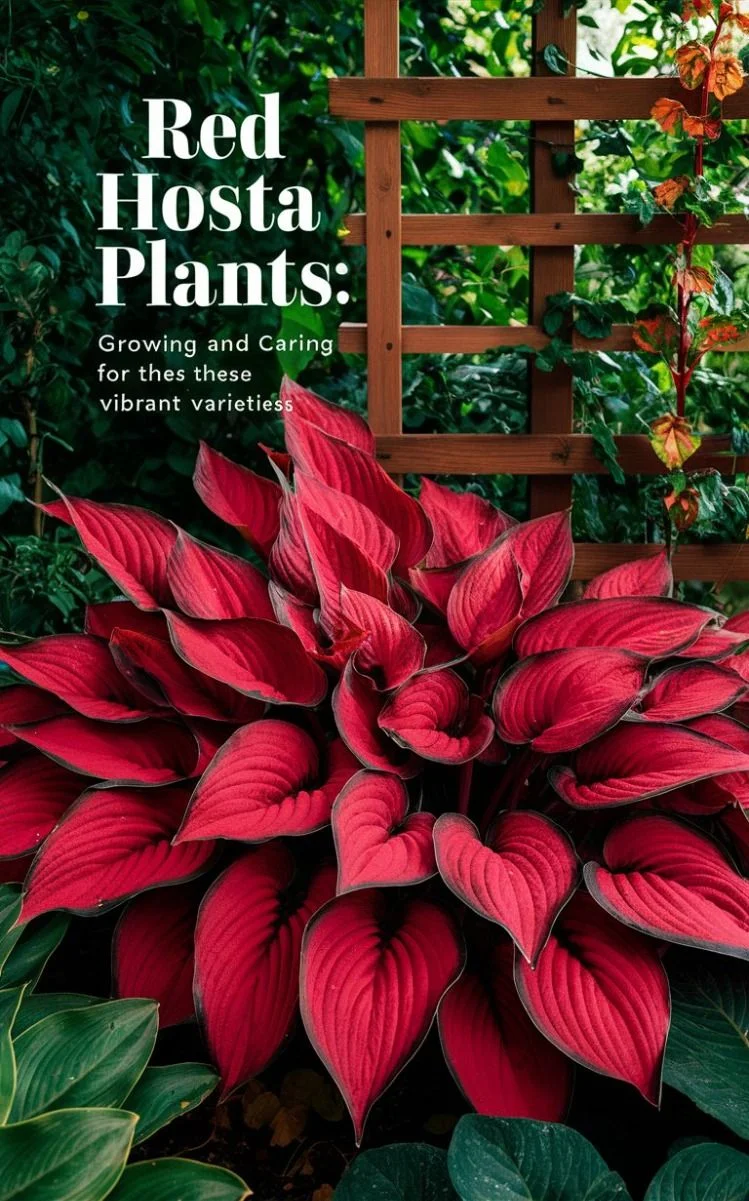
The captivating red pigmentation in hostas is derived from a few key species native to Korea and Japan -4. Hybridizers have worked for decades to push this color from the stems into the leaves themselves. You’ll find red in the following parts of the plant:
Red Veining and Blush: In the most sought-after varieties, the red color bleeds into the leaf veins or creates an overall blushing effect on the foliage, especially in spring.
Red Petioles: The leaf stalks, often called “legs,” are a vibrant reddish-purple. This is the most common form of red in hostas.
Red Flower Scapes: The tall stems that hold the flowers are often a deep, elegant shade of burgundy or purple.
Popular Red Hosta Varieties
Many beautiful red hostas are available to gardeners today. Here are a few standout varieties that are known for their reliable color and garden performance.
| Variety | Foliage | Height/Spread | Key Feature |
|---|---|---|---|
| ‘First Blush’ | Green leaves with a brick-red blush and margins | 12″ H / 24″ W | A pioneering variety with red-blushed leaves . |
| ‘Red October’ | Lance-shaped, dark green leaves with silvery-white undersides | 10-18″ H / 12-28″ W | Known for its showy, heavily speckled red leaf petioles . |
| ‘Fire Island’ | Bright yellow-chartreuse leaves | ~14 inches tall | Striking contrast between vibrant yellow leaves and red stems . |
| ‘Bloodline’ | Deep burgundy-red that covers the entire leaf in spring | 14″ H / 24″ W | A breakthrough with long-lasting red foliage that fades to green in summer . |
Other excellent red hostas include ‘Sorbet,’ ‘Jack Berry,’ ‘Lemon Snap,’ and ‘Raspberry Sorbet’ .
How to Grow and Care for Red Hostas
Caring for red hostas is similar to caring for most other hosta varieties. Following these key steps will ensure your plants thrive.
Light and Location
Red hostas perform best in part shade to full shade -1-3. While they appreciate some morning sun or dappled light, intense afternoon sun can scorch their leaves. A spot under a tree or on the north side of a house is often ideal .
Soil and Planting
Plant your hostas in rich, well-draining soil that is high in organic matter . To plant, dig a hole as deep as the root ball and twice as wide. Mix in compost or composted manure to enrich the soil, place the plant in the hole, and backfill with soil . Water thoroughly after planting and apply a layer of mulch to retain moisture.
Watering and Feeding
Hostas prefer consistent moisture and should not be allowed to dry out completely . Water deeply during dry spells, applying water directly to the soil to keep leaves dry and prevent disease. Fertilize in the spring with a balanced, slow-release fertilizer to support strong growth .
Maintenance and Winter Care
Hostas are low-maintenance plants. They are tough and winter-hardy, dying back to the ground after a frost. You can cut back the dead foliage in late fall or early spring. Every few years, you may need to divide your hostas if the clumps become overcrowded. This is easily done by digging up the clump and using a spade to separate the rhizomes, ensuring each new piece has at least one sprout .
Common Problems and Solutions
The main pests to watch for are slugs and snails, which can chew unsightly holes in the leaves. Use slug bait, diatomaceous earth, or beer traps to control them -7. Deer may also browse on hosta foliage. While less common, watch for foliar nematodes or crown rot, and immediately remove any plants infected with Hosta Virus X (HVX) to prevent its spread .
Where to Buy Red Hosta Plants
When looking for red hostas, it’s best to purchase from reputable nurseries that specialize in perennials. This ensures you get a healthy, accurately labeled plant.
- Online Specialty Nurseries: Websites like Breck’s , NH Hostas , and Spring Hill Nurseries offer a wide selection of hostas, including red varieties.
- Local Garden Centers: Many local nurseries carry popular red hosta varieties. It’s always a good idea to call ahead to check their selection.
⚠️ A Crucial Warning: Avoid Red Hosta Seed Scams
You may see online ads for seeds promising “bright red and white hostas.” This is a scam -8. Hostas are hybrids and do not grow true from seed. Seeds from a red hosta will not produce a plant identical to the parent and will likely be a generic green hosta. These scams often use digitally altered photos. Always purchase live plants from a trusted nursery to get the beautiful red variety you’re paying for -8.
Top Varieties of Red Hosta Plants
1. Hosta ‘Red October’
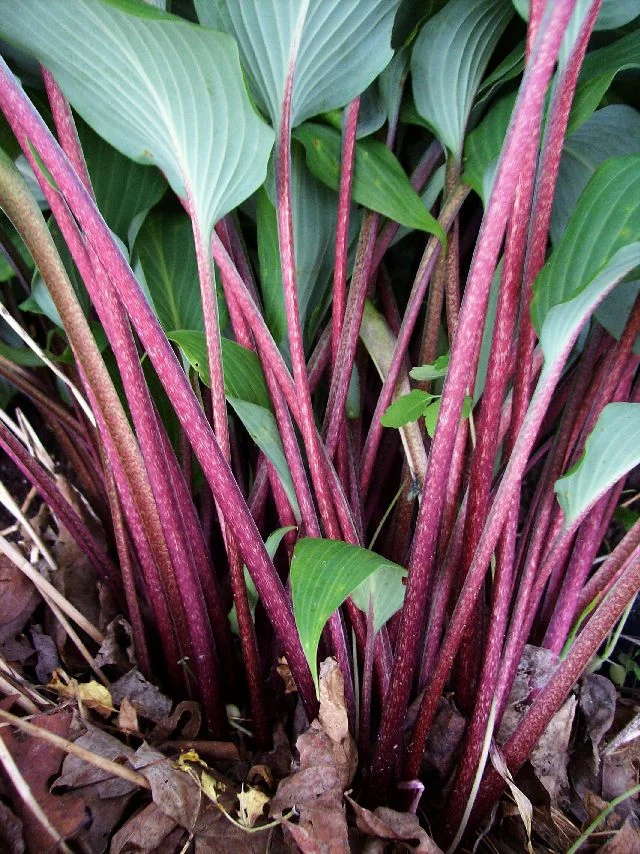
This one’s a showstopper with blue-green leaves and bright red petioles. It grows to about 18 inches tall and 36 inches wide—perfect if you’re after “large red hosta plants”.
2. Hosta ‘Fire Island’
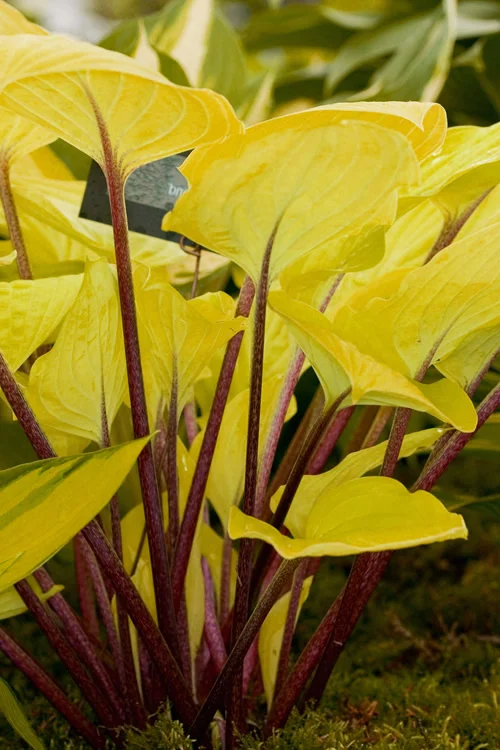
Bright yellow leaves in spring fade to chartreuse, but the red petioles steal the show. It’s medium-sized at about 14 inches tall.
3. Hosta ‘Cherry Berry’
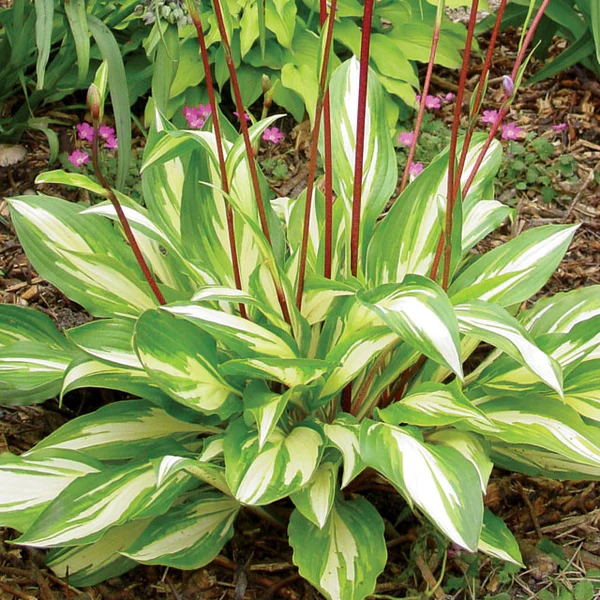
A personal favorite! It has red stems, white-centered leaves with green edges, and even lavender flowers with red scapes. It’s a great pick for “red and white hosta plants”.
4. Lipstick Blonde
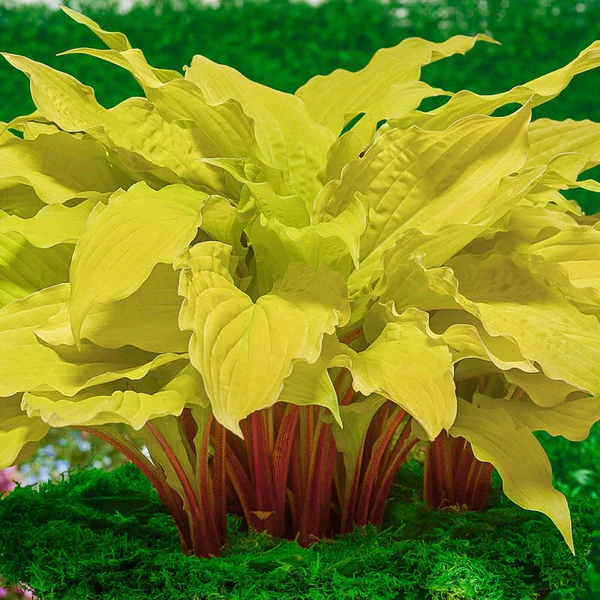
Golden-yellow leaves paired with red stems make this a stunner. It’s smaller, around 12 inches tall, ideal for “small red hosta plants”
5. Red Cadet
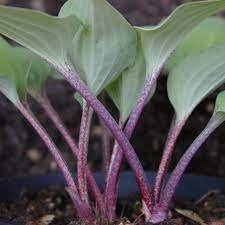
A mini Hosta, under 12 inches, with red petioles and blue-green leaves. Perfect for tight spaces.
The red is usually brightest in spring and might soften by summer, but these plants keep their charm all season. Curious about “images red hosta plants”? Picture vibrant red stems lifting lush leaves—gorgeous, right?
Final Thoughts
Red hostas are a fantastic way to add a touch of unique color and sophistication to your shade garden. Their evolving beauty, from the deep red stems to the increasingly blushed leaves, makes them a captivating choice for any gardener. By choosing a reliable variety, providing the right care, and purchasing from a reputable source, you can enjoy these stunning perennials for years to come.
For more inspiration on shade gardening, explore our guides on ferns and other shade-loving companions. Have you grown a red hosta? Share your experience in the comments below



3 Comments on “Red Hosta Plants: Varieties, Care, and Where to Buy”