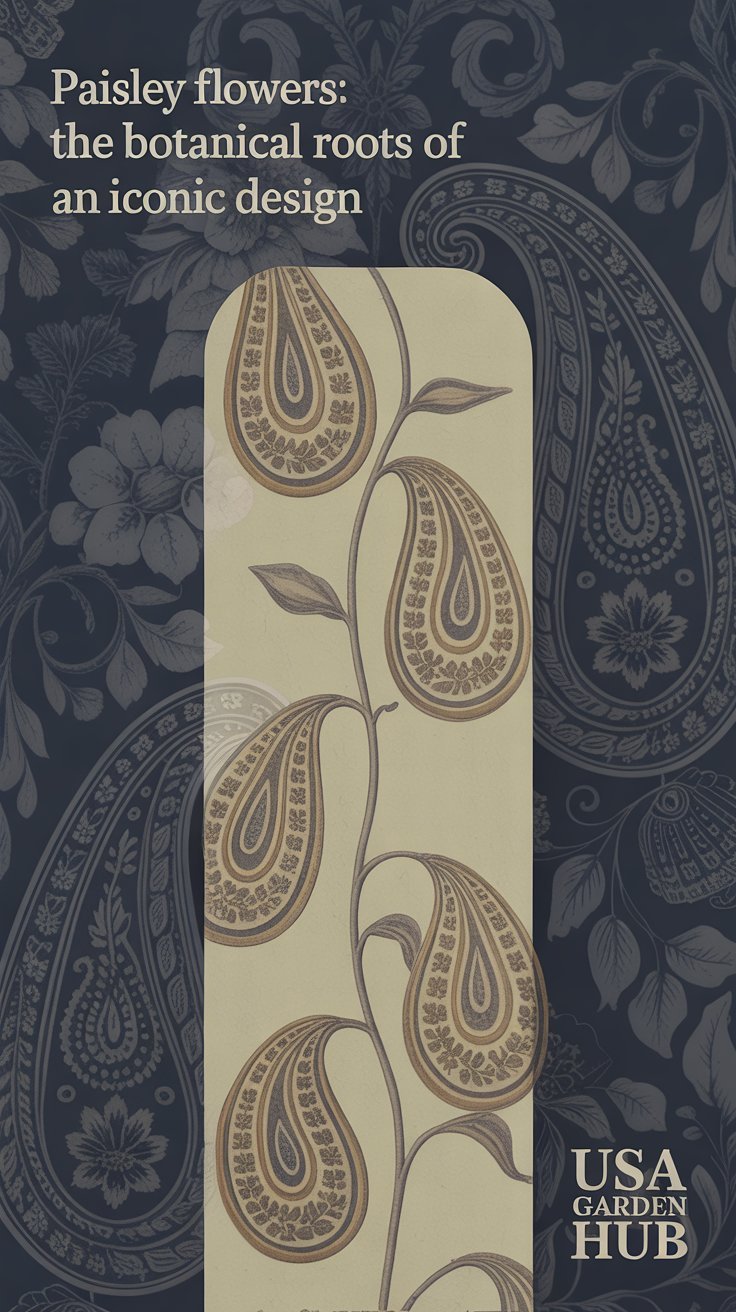
Explore the history of the paisley pattern, its connection to plants like the date palm, and how to bring this timeless design into your garden. Ashley Scott shares tips from 10 years of gardening experience.

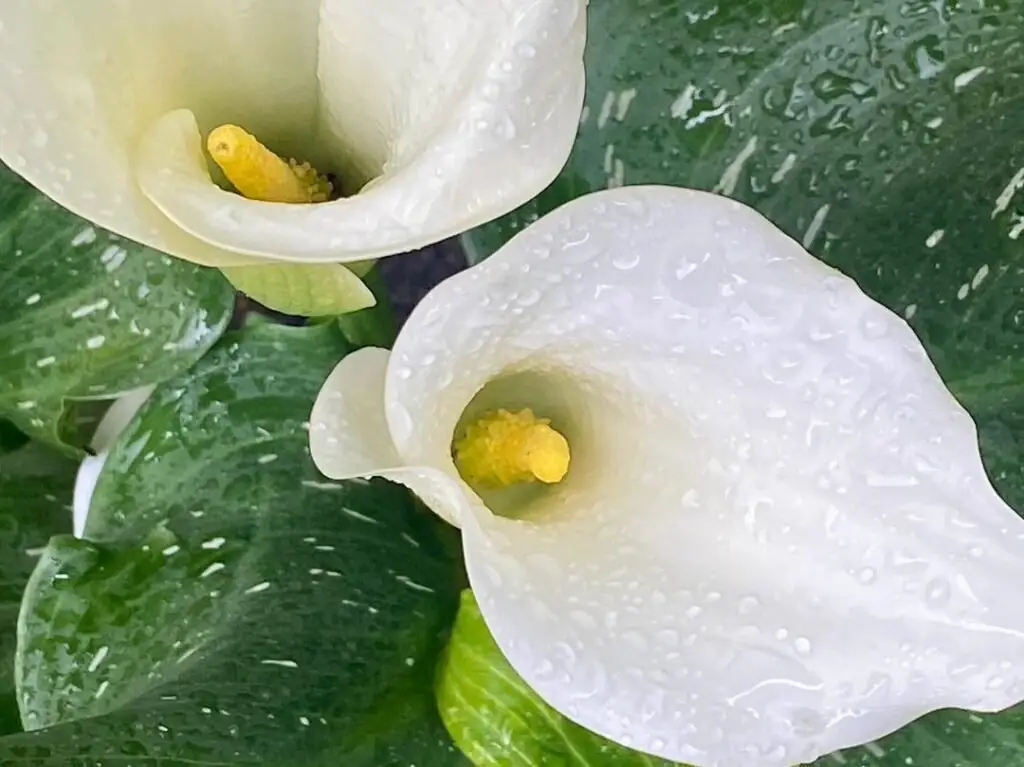
Paisley flowers refer to teardrop-shaped floral patterns inspired by the iconic paisley design. While not a specific botanical species, many real flowers resemble the paisley shape, including certain orchids, calla lilies and bird of paradise blooms. In gardening and design, paisley-inspired flower arrangements and plantings can create elegant, flowing patterns.
Hey there, garden lovers! Have you ever looked at a paisley pattern—you know, those swirling, teardrop shapes on scarves or blankets—and wondered where it came from? I’m Ashley Scott, and with 10 years of gardening under my belt, I’ve learned that this iconic design isn’t just for fabric. It’s got roots (pun intended!) in the natural world, tied to plants that have inspired artists for centuries. Today, I’m diving into the world of Paisley Flowers to answer your questions, share some personal stories, and show you how to bring this beautiful pattern into your own backyard. Let’s get started!
What Are Paisley Flowers?
If you’re picturing a flower labeled “Paisley” in a seed catalog, I’ll stop you right there—there’s no such bloom! When we talk about Paisley Flowers, we’re really talking about the paisley pattern, a decorative design with a teardrop shape and a curved top. It’s called “boteh” or “buta” in Persian, and while it’s not a flower itself, its story is tangled up with plants. Think of it as nature’s artwork, and I’ll explain how it connects to gardening in just a bit.
The History of the Paisley Pattern
Let’s take a quick trip back in time. The paisley pattern started in ancient Persia—think modern-day Iran—way back in the Sassanian Empire (224–651 AD). It was a symbol of life, shaped like a sprouting seed or a young leaf. Pretty cool, right?
From there, it spread to India, where it popped up on fancy Kashmiri shawls. These shawls caught the eye of European traders, and by the 18th century, they landed in Scotland. The town of Paisley became famous for weaving these patterns, and that’s how it got its name. Now, you’ll see floral paisley everywhere—clothes, home decor, and even garden stuff. It’s a design that’s stood the test of time, and I love how it bridges history and nature.
For more on its origins, check out this detailed history from Harvard’s Art Department.
What Plants Inspired the Paisley Design?
Here’s where my gardening heart gets excited! The paisley pattern didn’t just come out of nowhere—it’s tied to plants. One big inspiration is the date palm (Phoenix dactylifera). Its young fronds have that perfect teardrop curve, and in Middle Eastern cultures, it’s a symbol of life. I’ve never grown a date palm myself (too chilly here in the USA!), but I can see why it inspired such a timeless design.
Another contender is the cypress tree (Cupressus sempervirens), with its slender, conical shape. It’s a symbol of eternity, and its silhouette might’ve influenced those early Persian artists. Some folks even say the mango fruit or bodhi tree leaf played a role. Whatever the exact plant, nature’s fingerprints are all over this pattern.
Want to geek out on the date palm? Here’s a great resource from UC Davis’s Botany Department.
How Can I Incorporate Paisley Designs into My Garden?
Now, let’s get practical—how can you bring Paisley Flowers into your garden? After 10 years of digging in the dirt, I’ve got some ideas:
- Paisley-Patterned Decor: Grab some garden flags or planters with paisley designs. I’ve got a paisley cushion on my patio chair, and it adds such a fun vibe.
- Paisley-Shaped Flower Beds: This is my favorite! Shape your flower beds like that teardrop motif and fill them with bright blooms like tulips or marigolds. Check out my guide on creative garden layouts for more tips.
- Plants with Paisley Vibes: No plant’s called “paisley,” but some have that look. I love Caladiums for their swirly, heart-shaped leaves—they’re like living paisley patterns. Try growing them with tips from my Caladium care guide.
These tricks let you blend art and nature right in your backyard. For more inspiration, peek at this garden design blog.
How to Draw Paisley Flowers
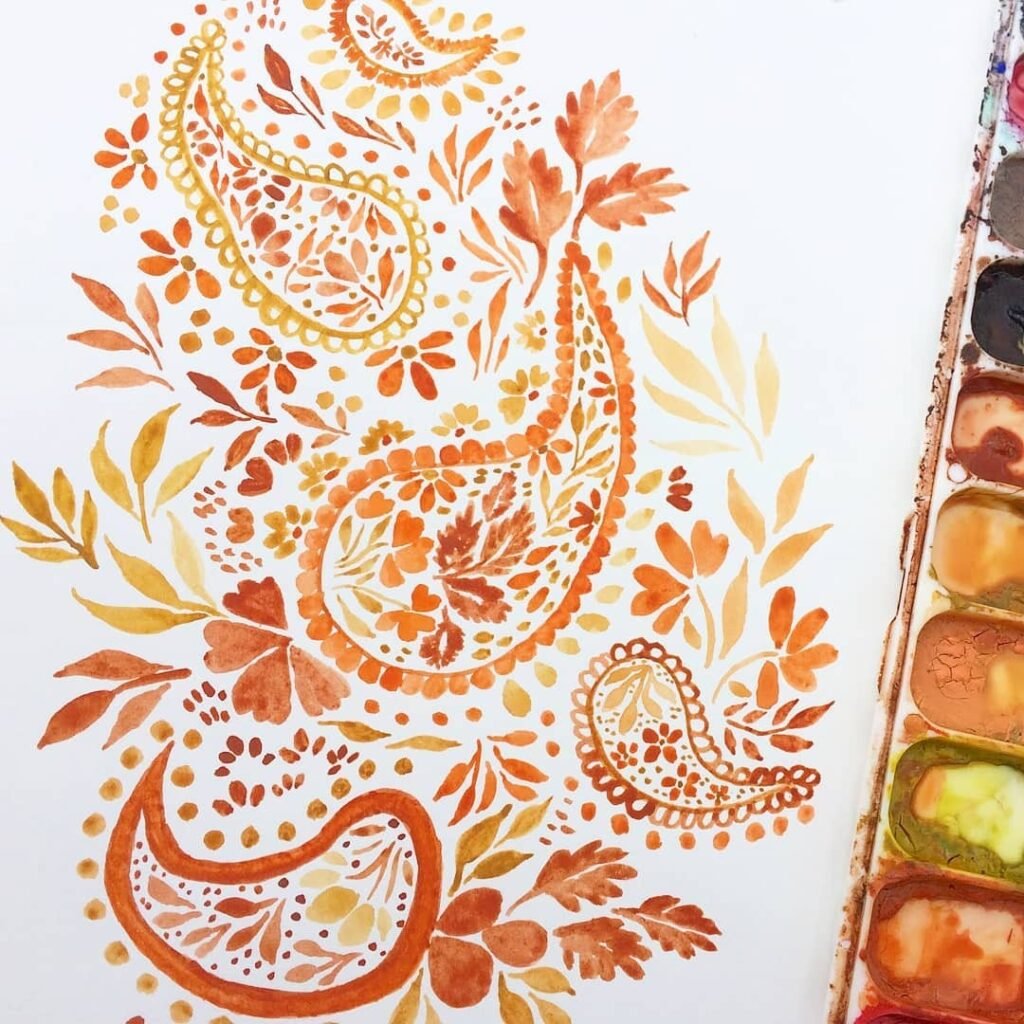
Ever wanted to sketch your own paisley flowers? It’s easier than you think, and it’s a great way to plan garden designs. Here’s how I do it:
- Draw the Teardrop: Start with a simple teardrop—round at the bottom, pointed at the top, curving to one side.
- Add Details: Inside, sketch smaller teardrops or circles that follow the curve.
- Go Floral: Toss in some flower shapes—petals, leaves, or vines—to make it floral paisley.
- Repeat It: Paisley loves repetition, so draw a few more in different sizes.
I doodle these while planning my garden beds—it’s relaxing! For a full tutorial, try this art guide from Princeton.
Are There Flowers That Look Like Paisley Patterns?
Okay, no flower’s naturally paisley-shaped, but some come close. Here are a few I’ve grown or admired:
- Moth Orchids (Phalaenopsis): Their petals have intricate patterns that remind me of paisley swirls.
- Calico Flower (Aristolochia littoralis): This one’s wild—its shape and markings scream paisley.
- Passion Flower (Passiflora): With its funky, radial design, it’s a paisley vibe in bloom.
These beauties can inspire your garden or your sketches. Learn more about unique flowers at Cornell’s Horticulture Site.
My Paisley Gardening Story
Let me share a little story. When I was a kid, my mom gave me a paisley scarf, and I was obsessed with its twists and turns. Fast forward to my gardening days, and I decided to recreate that pattern in my yard. I shaped a flower bed like a paisley teardrop, planted it with red tulips, and watched it bloom into a living piece of art. Neighbors still ask about it! That’s when I realized gardening isn’t just about plants—it’s about telling stories and making memories.
Conclusion
So, there you have it—the world of Paisley Flowers! It’s not just a pattern; it’s a connection between nature, history, and your garden. Whether you’re sketching paisley designs, planting Caladiums, or shaping flower beds, you can bring this timeless motif to life. I’ve loved sharing this with you, and I hope you’ll give it a try in your own backyard. What’s your next gardening project going to be?