Learn how to grow and care for climbing philodendrons. This guide covers light, water, support and propagation for these easy, fast-growing vining houseplants.

I still remember my first heartleaf philodendron—a single small plant I picked up at a grocery store that eventually produced enough cuttings to fill my entire home with trailing vines. That plant started my fascination with climbing philodendrons, some of the most generous and adaptable plants I’ve ever grown.
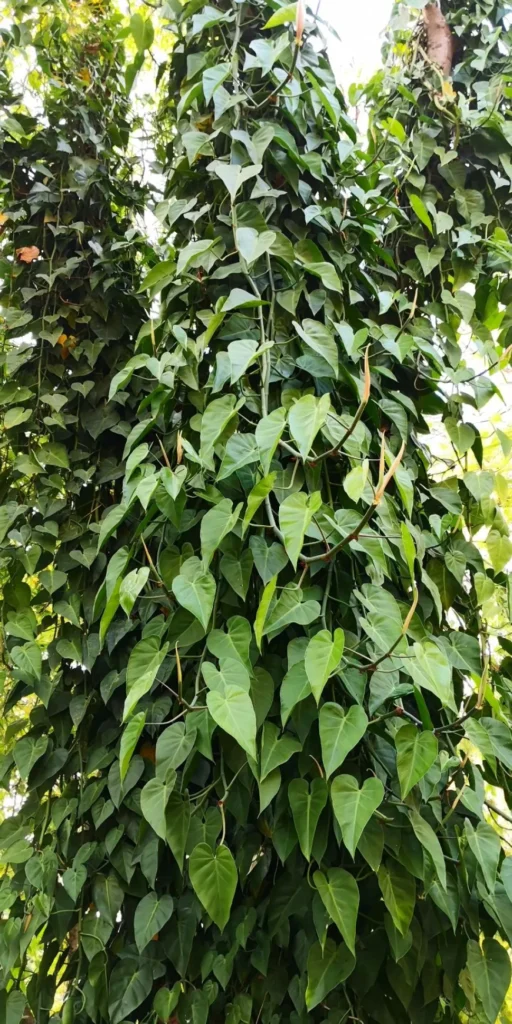
Climbing philodendrons are tropical vining plants belonging to the Araceae family. Known for their heart-shaped or uniquely patterned leaves and vigorous growth habit, they’re among the easiest houseplants to grow and propagate.
Why Grow Climbing Philodendrons?
You should grow these plants because they’re remarkably adaptable to different light conditions and forgiving of occasional care mistakes. Their trailing or climbing habit makes them perfect for shelves, hanging baskets, or training up moss poles. They’re also fantastic air purifiers and grow quickly enough to give you that “jungle vibe” in remarkably little time.
Climbing Philodendron at a Glance
| Feature | Description |
|---|---|
| Common Types | Heartleaf, Brasil, Micans, Silver Sword |
| Botanical Name | Philodendron hederaceum (and other species) |
| Plant Type | Tropical evergreen vine |
| Mature Size | 4-8 ft. indoors (depending on variety and support) |
| Sun Exposure | Bright, indirect light |
| Soil Type | Well-draining potting mix |
| Growth Rate | Fast |
| Toxicity | Toxic to pets and humans if ingested |
Detailed Care Instructions
Getting these basics right will keep your philodendron thriving for years.
Light Requirements
Your climbing philodendron needs bright, indirect light to look its best. An east or west-facing window is ideal. While they tolerate lower light, growth will slow and variegation may fade. Direct sun can scorch their leaves.
Soil and Potting
Use a well-draining, peat-based potting mix. I make my own by mixing two parts potting soil with one part perlite and one part orchid bark. This provides the aeration and moisture retention these epiphytic plants appreciate.
Watering
Water when the top 1-2 inches of soil feel dry. These plants like consistent moisture but won’t tolerate soggy soil. In winter, you can allow the soil to dry out a bit more between waterings. Yellow leaves often indicate overwatering.
Temperature and Humidity
Average household temperatures between 65-80°F are perfect. They appreciate humidity above 40% but are quite adaptable to normal home conditions. If your air is very dry, misting or a humidifier can prevent brown leaf tips.
Supporting Your Climber
These are natural climbers that will develop larger leaves if given vertical support. A moss pole is ideal as the aerial roots can attach to it. You can also train them up trellises or let them trail from hanging baskets.
How to Propagate Climbing Philodendron
Propagating these plants is incredibly easy through stem cuttings.
- Take Cuttings: Snip a stem just below a node (where leaves and roots emerge).
- Root in Water: Place the cutting in water, ensuring at least one node is submerged.
- Wait for Roots: Roots should appear in 1-2 weeks.
- Plant: Once roots are 2-3 inches long, plant in potting mix.
You can learn more techniques in our guide to plant propagation.
Common Problems and Solutions
Even these easy plants can encounter occasional issues.
- Yellow Leaves: Usually caused by overwatering. Check that your pot drains well and adjust your watering schedule.
- Brown Leaf Tips: Often indicates low humidity or underwatering. Increase misting or water more consistently.
- Leggy Growth with Small Leaves: Means the plant needs more light. Move to a brighter location.
- Pests: Watch for spider mites, mealybugs, and aphids. Wipe leaves with insecticidal soap or neem oil if needed. Regular leaf cleaning helps prevent infestations.
The University of Florida IFAS Extension notes that proper care makes these plants relatively pest-resistant.
Popular Climbing Varieties
- Heartleaf Philodendron: The classic with solid green, heart-shaped leaves
- Philodendron Brasil: Green leaves with yellow variegation
- Philodendron Micans: Velvety leaves with iridescent quality
- Philodendron Silver Sword: Silvery-blue pointed leaves
A Final Tip for Success
The secret to a beautiful climbing philodendron is simple: provide bright indirect light, consistent moisture without soggy soil, and something to climb. Don’t be afraid to prune regularly to maintain fullness—those cuttings are just future plants waiting to happen!
For more ideas on vining plants, explore our guide to trailing houseplants. What’s your favorite climbing philodendron variety? Share your experience in the comments below!