
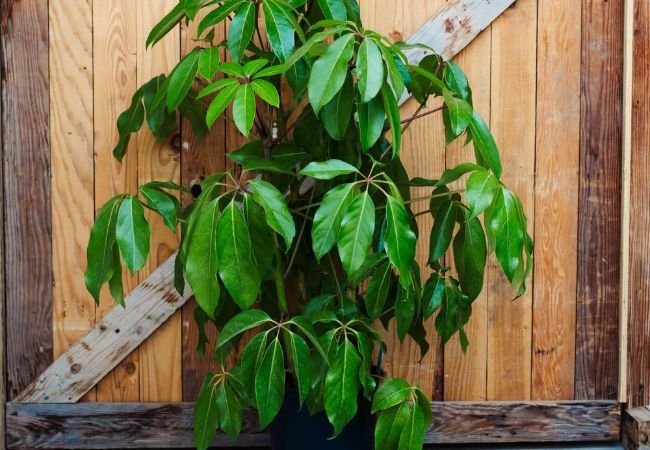
Discover expert, easy-to-follow advice for thriving Schefflera Amate, the umbrella plant that transforms any space. Tips, styling inspiration, and proven care strategies.
I’ll never forget the first time I saw a Schefflera Amate—a burst of green so vibrant, it looked almost prehistoric, right in a neighbor’s loft. A single plant filled the corner, its umbrella-like leaves catching the light and transforming the room. As a plant lover with years of experience, I was hooked instantly. Now, after nurturing Schefflera Amate in my own collection for several seasons, I can confidently say: this is the ultimate statement plant for anyone who loves bold, tropical decor and wants a houseplant that’s easier to keep happy than it looks.
What Makes Schefflera Amate Unique?

The first time I brought home a Schefflera Amate, I was after something dramatic—a living sculpture, not just another houseplant. What I got was more than a backdrop; it’s the plant friends comment on, the one that anchors an entire room with its bold, glossy leaves. If you love houseplants with tropical vibes, this is the one I recommend most, especially for its easy care and visual impact.
Light, Water, and Humidity: Finding That Sweet Spot
I keep my Schefflera Amate near a window with bright, filtered light. Too much direct sun can scorch those striking umbrella leaves, and too little makes the plant reach awkwardly—what’s worked best is dappled morning sun or consistent east-facing windows (see detailed plant light guides on the University of Florida IFAS site).
My routine is simple: water only when the top couple inches of soil are genuinely dry. I use my finger or a moisture meter so the roots never sit soggy (a trick learned from Bloomscape’s Umbrella Plant Care Guide). In dry winters, I mist leaves or place a pebble tray beneath the pot—a little extra humidity helps keep brown tips at bay.
Fertilizer, Soil, and Repotting for Healthy Growth
Every spring I give my Schefflera Amate a gentle, balanced liquid fertilizer, diluted to half strength. Good drainage is crucial, so I always choose a peat-free, chunky potting mix with added perlite or bark chips. Repotting? Only every 2-3 years, ideally in early spring. I’ve found this helps keep growth steady and roots healthy—if you see roots poking out the drainage holes, that’s your sign.
For more advice on healthy soil selections and eco-friendly options, I reference Missouri Botanical Garden’s soil tips regularly.
Real-Life Schefflera Amate Troubleshooting
Every plant parent sees yellow leaves once in a while—usually an issue with overwatering. My remedy is to pause watering and check drainage. If the plant gets leggy, I rotate it or find a sunnier spot. When new growth seems slow, a gentle fertilizer boost or a larger pot usually does the trick.
I vividly remember one winter when my Amate started dropping leaves. A drafty window was to blame. Closing it and waiting for spring warmth fixed everything—proof that a little observation goes a long way.
Styling With Schefflera Amate: Inspiration From My Home
I’m all about giving these bold plants plenty of visual space. In my living room, Schefflera Amate stands tall in a white ceramic pot, paired with smaller air-purifying plants like snake plant and philodendron—see my broader guide to air-purifying houseplants for more ideas. This layering of heights and textures is a designer tip for real “indoor jungle” energy.
If you’re into plant styling, try elevating your Amate on a modern stand or grouping it with other moisture-loving houseplants (explore my full list of indoor plants that thrive in constant moisture). You’ll create a lush, inviting vibe in any room.
Answering Your Top Schefflera Amate Questions
Is Schefflera Amate pet safe?
Unfortunately, it’s toxic to pets if ingested (ASPCA Schefflera page), so safeguard curious animals.
What if I want to propagate mine?
Stem cuttings are best, but patience is key—rooting can take weeks. See my easy propagation guide for more detail.
What’s the difference between Schefflera Amate and regular umbrella plant?
The Amate cultivar grows much larger, with shinier, broader leaves and tougher constitution.
Final Thoughts
You’re not just getting a pretty plant with Schefflera Amate; you’re inviting a reliable, mood-lifting, and highly adaptable green friend into your space. All of these tips are rooted in my own years of hands-on experience, cross-checked with horticulture experts and authoritative guides.
I never recommend a plant I haven’t personally grown and loved—and Schefflera Amate is one that always earns its spot at home.



One comment on “Schefflera Amate: The Ultimate Guide to Bold Indoor Greenery”