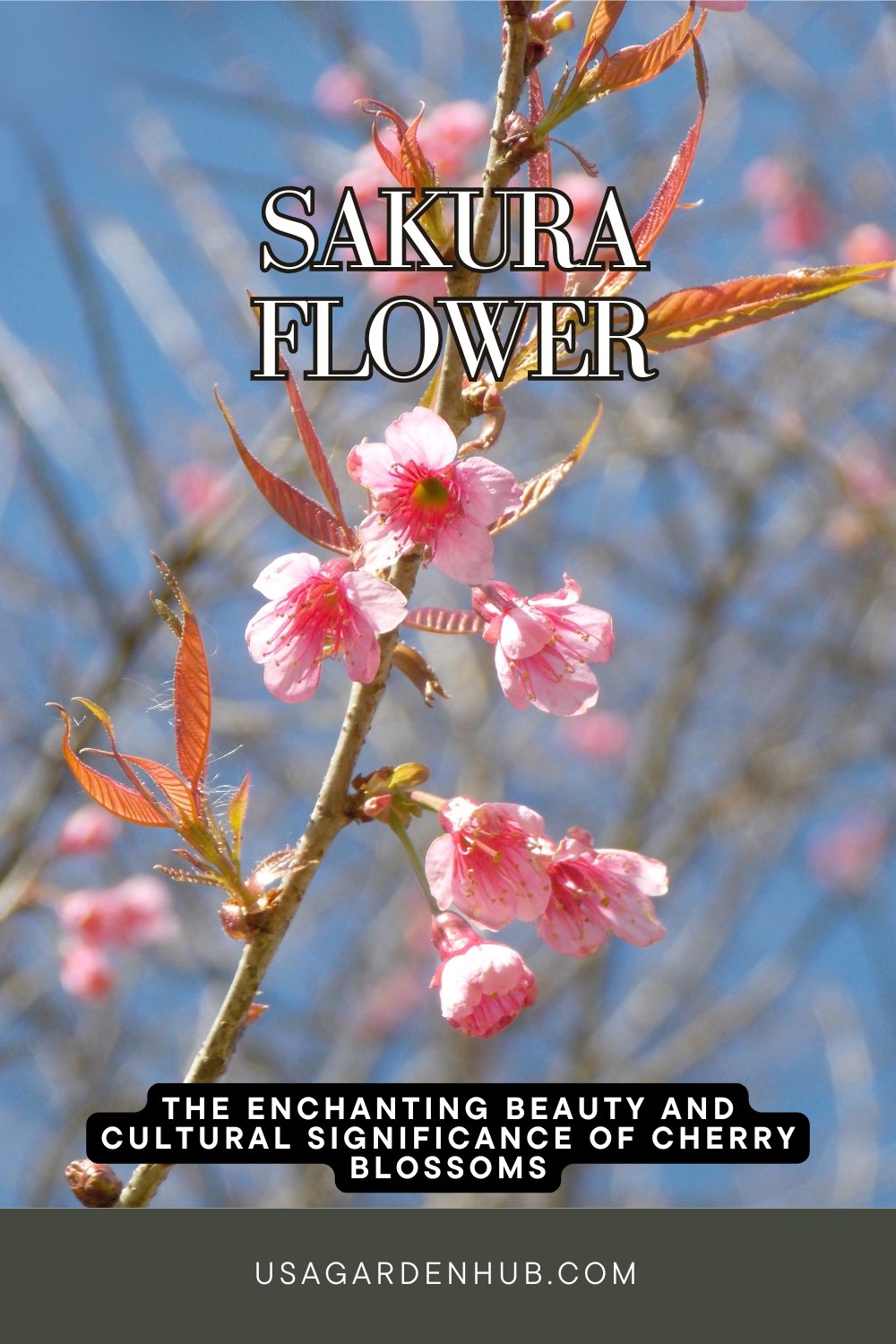
Discover how to grow Sakura flowers (cherry blossoms) with care tips from Ashley Scott, a 10-year gardening pro. Perfect for USA gardens!
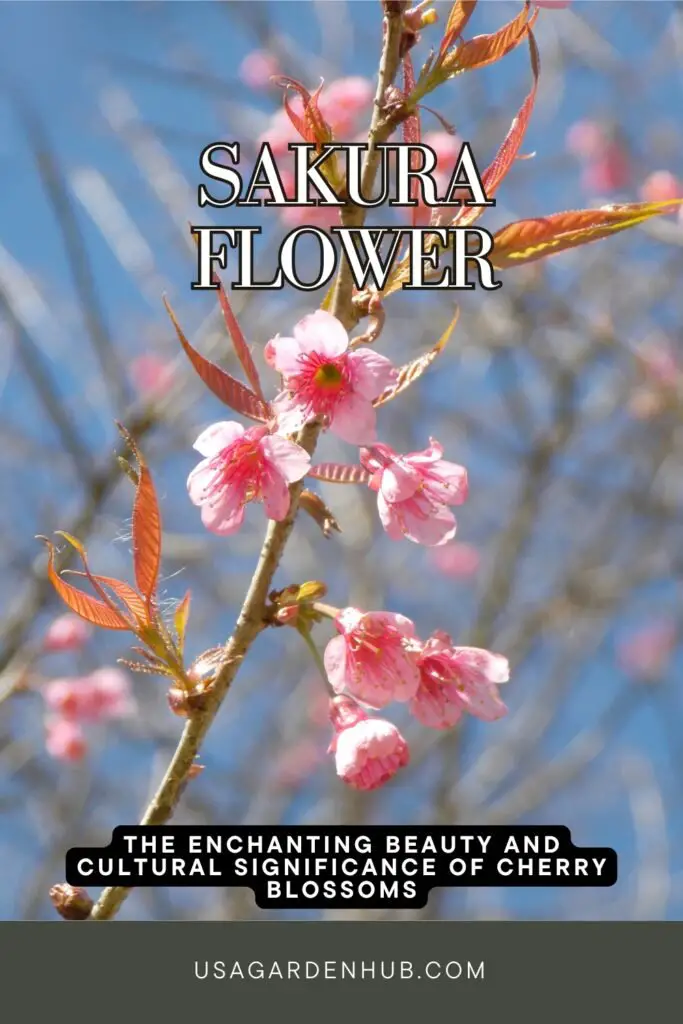
Hey there, plant lovers! I’m Ashley Scott, a gardening enthusiast with 10 years of experience growing flowering trees in my USA backyard. Sakura flowers, or cherry blossoms, are a breathtaking symbol of spring’s renewal, with their delicate pink and white petals bursting into fluffy clusters that evoke Japanese hanami festivals. Native to East Asia but beloved worldwide, these blooms on Prunus serrulata trees create a canopy of fleeting beauty, perfect for ornamental gardens, espaliers, or urban yards. They thrive in USDA Zones 5 to 8, attracting pollinators and adding whimsy. Below, I’ll share how to grow and care for Sakura cherry blossoms, with tips from my garden, my personal stories, and ties to projects like DIY compost bins or pollinator-friendly plants at USA Garden Hub. Let’s bring some Sakura magic to your space!
Why Grow Sakura Cherry Blossoms?
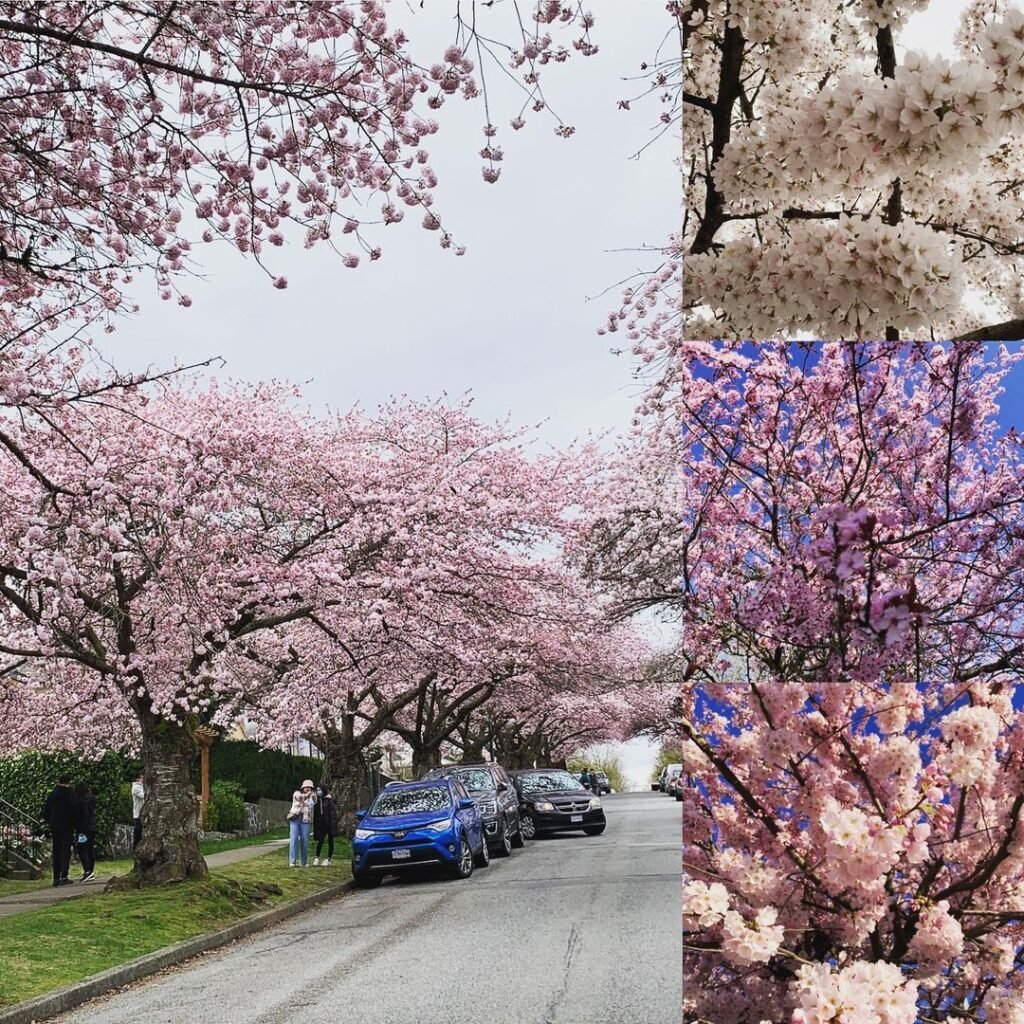
Sakura cherry blossoms are a dream for USA gardeners, offering 2 to 4 weeks of showy spring blooms that signal warmer days. Their light, airy petals in soft pink or white create a romantic, ephemeral display, and the trees grow 15 to 30 feet tall with a graceful, vase-shaped canopy. These deciduous trees prefer full sun and well-drained soil, making them ideal for suburban yards or containers in warmer zones. They symbolize renewal and fleeting beauty, and their flowers attract bees early in the season, boosting your garden’s ecosystem like my marigolds or lavender. Plus, they’re low-maintenance once established, much like my succulent propagation projects, and the fallen petals make stunning mulch.
Care Tips for Sakura Cherry Blossoms
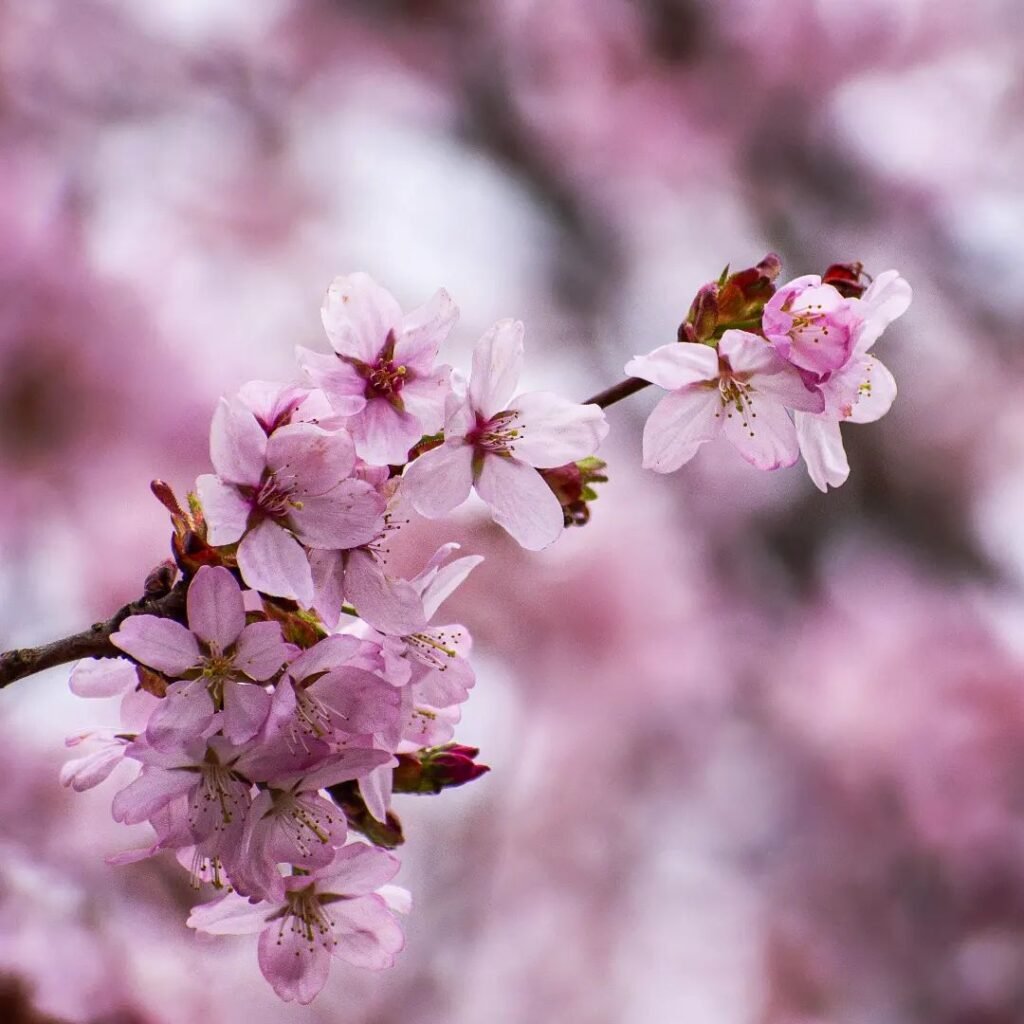
Here’s how to keep your Sakura tree thriving, based on my own garden successes and lessons learned.
Light
Sakura trees need full sun with at least six hours of direct sunlight daily for optimal blooming and structure. They tolerate light shade but may produce fewer flowers or become leggy.
- My Tip: My first Sakura was sparse in partial shade, so I relocated it to a sunny spot near my patio, and the blooms doubled!
- City Tip: Perfect for small urban yards; plant near pollinator-friendly plants for bee support.
Water
Water deeply during the first year to establish roots, about 1 inch per week. Once established, they’re moderately drought-tolerant but benefit from consistent moisture during dry spells or bloom time.
- My Tip: I overwatered mine early on, leading to root issues. Now I check soil moisture before watering, especially in summer heat.
- Fun Fact: Their deep roots make them resilient, like my Nerine flowers in fall.
Soil and Planting
Plant in well-drained, loamy soil with a neutral to slightly acidic pH (6.0 to 7.0). Plant in early spring or fall, spacing 15 to 20 feet apart to allow for mature growth. Amend clay soil with compost for better drainage.
- My Tip: I mix in compost from my DIY compost bin to enrich the planting hole, ensuring strong roots and vibrant blooms.
- City Tip: Use 20-gallon containers for urban spaces; they adapt well to pots with good drainage.
Temperature and Humidity
Sakura trees prefer cool to moderate temperatures (50 to 75°F) and need winter chill (500 to 1,000 hours below 45°F) for blooming. They handle average humidity but dislike extreme heat or humidity.
- My Tip: In my Zone 7 garden, I mulch with leaves in winter to protect roots from freezes, and the tree rewards me with a petal shower each spring!
- Fun Fact: They’re hardy in Zones 5 to 8, similar to my lilac bushes.
Fertilizer
Apply a balanced fertilizer (10-10-10) in early spring before bud break. Avoid over-fertilizing to prevent excessive leaf growth at the expense of flowers.
- My Tip: I use half-strength fertilizer or compost tea to keep it simple, focusing on soil health over synthetic boosts.
Pruning and Maintenance
Prune lightly after blooming to shape the tree and remove dead wood. Avoid heavy pruning, as it can reduce next year’s flowers. Thin dense branches for air circulation.
- My Tip: I prune my Sakura annually in late spring, which keeps it open and healthy, pairing beautifully with my Black-Eyed Susans for a colorful border.
- City Tip: For espalier training on walls, prune in summer for a space-saving display.
Propagation: Grow More Sakura Trees
Sakura trees are typically propagated by grafting for true-to-type blooms, but you can try cuttings or seeds with patience.
- Grafting: The most reliable method; graft scions onto rootstock in late winter. Blooms in 2 to 3 years.
- Cuttings: Take semi-hardwood cuttings in summer, root in moist soil under mist. Success rate is low, but worth trying.
- Seeds: Sow fresh seeds in fall, stratify in fridge for 3 months. Germination takes 1 to 2 months, but trees may not match the parent.
- My Tip: I started with a grafted sapling, but my seed experiment yielded a surprise variety—great for variety in my pollinator garden!
Common Problems and Fixes
- Powdery Mildew: White coating on leaves from poor air flow; improve spacing and use neem oil like my guide.
- Aphids: Cluster on new growth; spray with soapy water or plant with marigolds for prevention.
- My Story: My Sakura got mildew in a humid spring—thinning branches and adding compost fixed it for lush blooms the next year!
Why Sakura Cherry Blossoms Shine in Your Garden
Sakura cherry blossoms are ideal for USA gardens, especially in Zones 5 to 8, offering a short but spectacular spring show that transitions to green shade in summer. Their 15 to 30-foot height suits large yards or trained espaliers for small spaces, and they’re deer-resistant with flowers that last 2 to 3 weeks. Pair them with coreopsis flower or lavender for a pollinator paradise. For more tree tips, check my lilac vs. lavender guide.
Wrapping Up
Sakura cherry blossoms bring fleeting beauty and pollinator charm to any USA garden, from suburban lots to city balconies. My tree is a spring ritual, petals carpeting the ground like pink snow. Whether you’re a beginner or pro, these blooms are worth the wait. How will you celebrate your Sakura? Share your stories in the comments on USA Garden Hub!