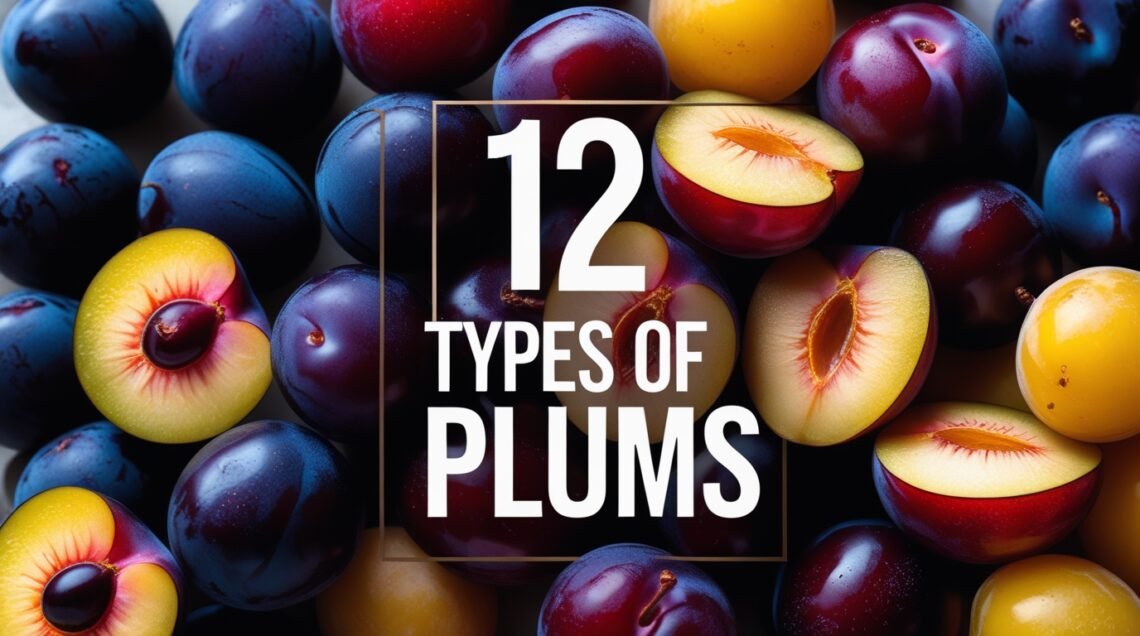
Explore 12 types of plums like Santa Rosa and Methley with growing tips from Ashley Scott, a 10-year gardening pro. Perfect for USA gardens!

Hey there, fruit lovers! I’m Ashley Scott, a gardening enthusiast with 10 years of experience growing delicious edibles in my USA backyard. Plums are a standout in my orchard—juicy, versatile, and bursting with flavor, they’re perfect for any home garden. With countless varieties worldwide, plums offer a spectrum of colors (purple, red, yellow, and more), sizes, and tastes, from sweet to tart. They’re great for eating fresh, baking, making jams, or drying into prunes. Here’s a curated list of 12 types of plums, highlighting their unique traits, growing tips, and my personal stories, with links to trusted resources and ties to projects like DIY compost bins or pollinator-friendly plants at USA Garden Hub. Let’s dive into these plum-tastic varieties!
Why Grow Plums?
Plums are a fantastic addition to USA gardens, thriving in USDA Zones 4-9 depending on the variety. These stone fruits grow on trees or dwarf shrubs, fitting backyards, orchards, or large containers. Their spring blossoms attract bees, aligning with my 8 blooming plants that bees love, and they yield fruit from summer to early fall. Plums are rich in vitamins C and K, and their trees are low-maintenance, similar to my succulent propagation projects. Whether you’re a beginner or a pro, there’s a plum for every garden.
12 Types of Plums for Your Garden
Here’s a handpicked selection of 12 plum varieties suited for USA climates, with flavors, uses, and growing tips from my own orchard experiments.
1. Santa Rosa

A classic Japanese plum with deep purple skin and tangy-sweet, juicy yellow flesh, developed by Luther Burbank.
- Flavor & Use: Sweet-tart, perfect for fresh eating or jams.
- Growing Tips: Full sun, well-drained soil (pH 6.0-7.0). Needs a pollinator like Methley. Prune in late winter.
- Size: 15-25 feet tall (standard), 8-12 feet (dwarf).
- Zones: 5-9.
- My Tip: My Santa Rosa tree fruits heavily with compost from my DIY compost bin—plant near a pollinator for best results.
- Fun Fact: Ripens early (June-July), outpacing most plums.
2. Methley

A self-fertile Japanese plum with reddish-purple skin and sweet, red flesh, ideal for small gardens.
- Flavor & Use: Juicy and sweet, great for fresh eating or drying.
- Growing Tips: Full sun, loamy soil. Water 1-2 inches weekly; minimal pruning.
- Size: 10-20 feet tall, 10-15 feet wide.
- Zones: 5-9.
- My Tip: My Methley thrives solo—no pollinator needed, unlike my Haskap berries.
- Fun Fact: One of the earliest to ripen (June).
3. Satsuma

A Japanese plum with dark red skin and deep red, firm flesh, known for its rich flavor.
- Flavor & Use: Sweet with a hint of tartness, ideal for pies or preserves.
- Growing Tips: Full sun, well-drained soil. Needs a pollinator like Santa Rosa. Prune to open center.
- Size: 12-18 feet tall, 10-15 feet wide.
- Zones: 5-9.
- My Tip: I pair mine with Santa Rosa for cross-pollination—yields doubled!
- Fun Fact: Named after a Japanese province, it’s a canning favorite.
4. Damson
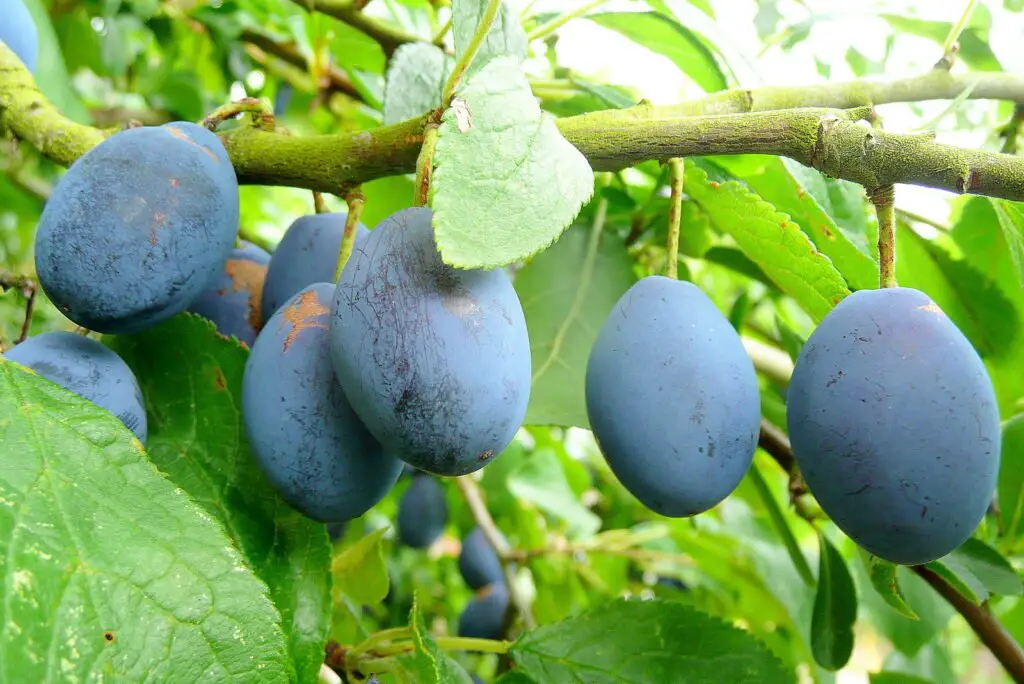
A European plum with small, purple-blue fruits and tart, astringent flesh, perfect for culinary uses.
- Flavor & Use: Tart, best for jams or liqueurs like damson gin.
- Growing Tips: Full sun to partial shade, fertile soil. Self-fertile; prune lightly.
- Size: 10-15 feet tall, 8-12 feet wide.
- Zones: 5-8.
- My Tip: I use its tart fruit for jams—grows well near microgreens.
- Fun Fact: Ancient variety, used in Europe for centuries.
5. Mirabelle

A small, golden-yellow European plum with sweet, juicy flesh, popular in French cuisine.
- Flavor & Use: Honey-sweet, great for tarts or fresh eating.
- Growing Tips: Full sun, well-drained soil. Self-fertile; water deeply in dry spells.
- Size: 12-16 feet tall, 10-12 feet wide.
- Zones: 5-7.
- My Tip: My Mirabelle thrives in a sunny corner—perfect for small yards.
- Fun Fact: Mostly grown in France; fresh imports are restricted in the USA.
6. Greengage
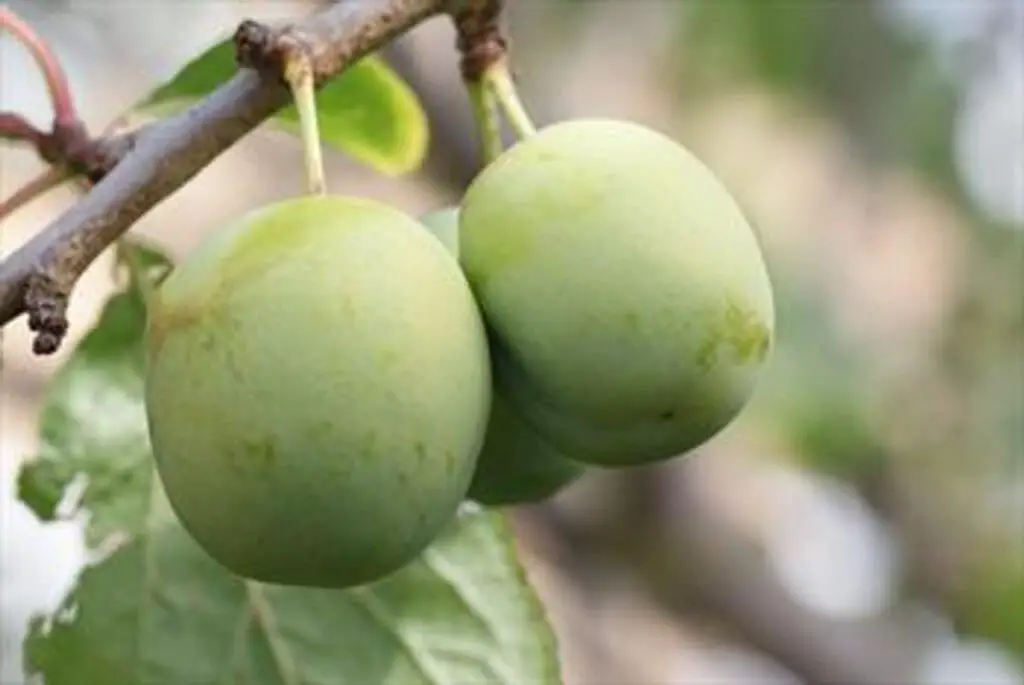
A green-skinned European plum with sweet, amber flesh, prized for its exceptional flavor.
- Flavor & Use: Richly sweet, ideal for desserts or fresh eating.
- Growing Tips: Full sun, fertile soil (pH 6.0-7.5). Needs a pollinator like Damson. Prune in spring.
- Size: 10-15 feet tall, 10-12 feet wide.
- Zones: 5-8.
- My Tip: I grow mine with Damson for pollination—yields sweet fruit for pies.
- Fun Fact: Considered the finest dessert plum by many chefs.
7. Black Amber

A Japanese plum with black-purple skin and firm, amber flesh, known for its balanced flavor.
- Flavor & Use: Sweet with mild tartness, great for fresh eating or baking.
- Growing Tips: Full sun, well-drained soil. Needs a pollinator like Santa Rosa. Prune to shape.
- Size: 12-18 feet tall, 10-15 feet wide.
- Zones: 5-9.
- My Tip: My Black Amber tree loves sunny spots—add compost for juicy fruit.
- Fun Fact: Popular in commercial orchards for its storage quality.
8. Stanley

A European prune plum with dark purple skin and dense, sweet flesh, excellent for drying.
- Flavor & Use: Sweet, perfect for prunes or baking.
- Growing Tips: Full sun, loamy soil. Self-fertile; prune lightly in late winter.
- Size: 15-20 feet tall, 12-15 feet wide.
- Zones: 5-7.
- My Tip: My Stanley tree is low-maintenance—great for beginners like my Haskap berries.
- Fun Fact: A top choice for homemade prunes.
9. Shiro

A Japanese plum with yellow skin and juicy, mild flesh,
- Flavor & Use: Sweet and mild, ideal for fresh eating or sauces.
- Growing Tips: Full sun, well-drained soil. Needs a pollinator like Methley. Water regularly.
- Size: 12-18 feet tall, 10-12 feet wide.
- Zones: 5-9.
- My Tip: My Shiro ripens early—perfect for summer snacks.
- Fun Fact: Heavy producer, even on young trees.
10. Redheart

A Japanese plum with red skin and vibrant red flesh, offering a tart-sweet balance.
- Flavor & Use: Tart-sweet, great for fresh eating or preserves.
- Growing Tips: Full sun, fertile soil. Needs a pollinator like Santa Rosa. Prune to open canopy.
- Size: 12-18 feet tall, 10-15 feet wide.
- Zones: 5-9.
- My Tip: I grow mine near Methley for pollination—stunning red flesh in jams!
- Fun Fact: Its vivid flesh makes it a visual standout.
11. Italian Prune

A European plum with dark purple skin and green-yellow flesh, ideal for drying into prunes.
- Flavor & Use: Sweet and dense, perfect for drying or baking.
- Growing Tips: Full sun, well-drained soil. Self-fertile; prune minimally.
- Size: 15-20 feet tall, 12-15 feet wide.
- Zones: 4-7.
- My Tip: My Italian Prune tree yields prunes for winter—easy to grow like Dalmatian Bellflower.
- Fun Fact: A favorite for commercial prune production.
12. Elephant Heart

A Japanese plum with large, heart-shaped, dark red fruit and juicy, blood-red flesh.
- Flavor & Use: Sweet and juicy, ideal for fresh eating or desserts.
- Growing Tips: Full sun, well-drained soil. Needs a pollinator like Santa Rosa. Water deeply.
- Size: 12-18 feet tall, 10-15 feet wide.
- Zones: 5-9.
- My Tip: My Elephant Heart is a showstopper—big fruits perfect for sharing.
- Fun Fact: Developed by Luther Burbank, it’s a heirloom gem.
Tips for Growing Plums
- Cross-Pollination: Plant two varieties (e.g., Santa Rosa with Methley) for better yields unless self-fertile.
- Pruning: Prune in late winter to shape and remove dead wood—keeps trees healthy.
- Pest Control: Use neem oil for pests like aphids, as in my neem oil guide, but test first.
- Containers: Choose dwarf varieties like Methley for urban gardens—use 15-gallon pots.
- Harvest: Pick when slightly soft; store in a cool place or refrigerate.
Wrapping Up
These 12 types of plums, from sweet Mirabelle to tart Damson, bring flavor and beauty to any USA garden. My Santa Rosa and Methley trees are summer highlights, yielding juicy fruit for snacks and jams. Whether you’ve got a big orchard or a small patio, there’s a plum for you. What’s your favorite plum variety? Share your orchard dreams in the comments on USA Garden Hub!