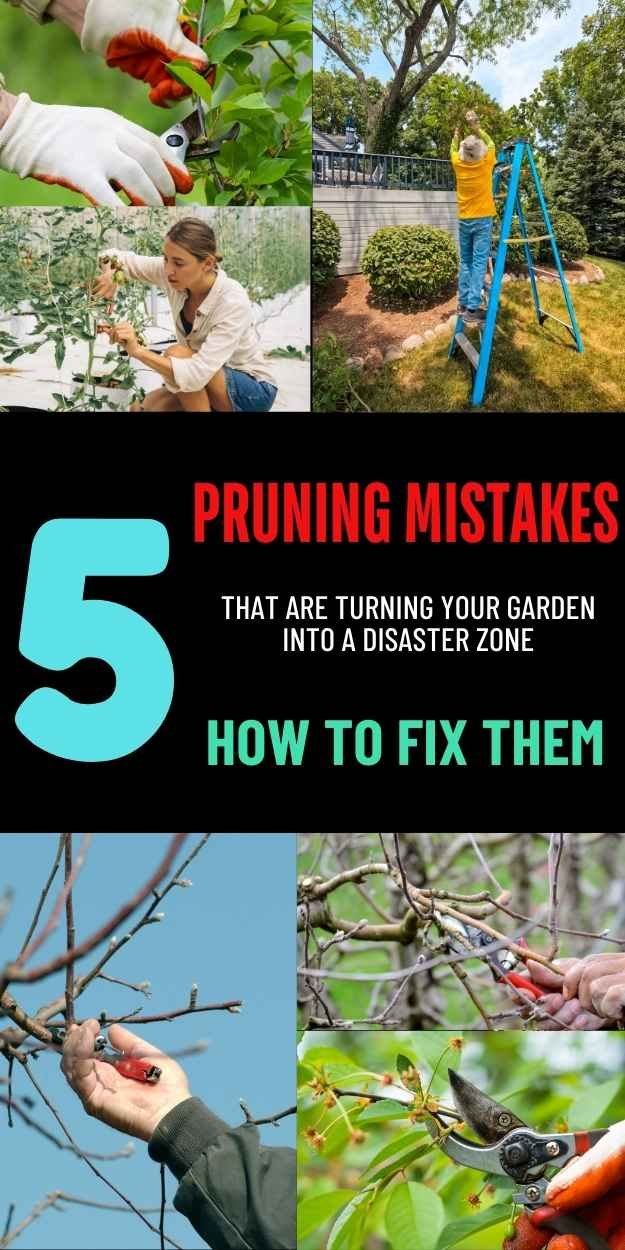
Avoid turning your garden into a disaster zone! Discover the 5 most common pruning mistakes I’ve seen in 10+ years of gardening—and learn how to fix them for healthier plants.
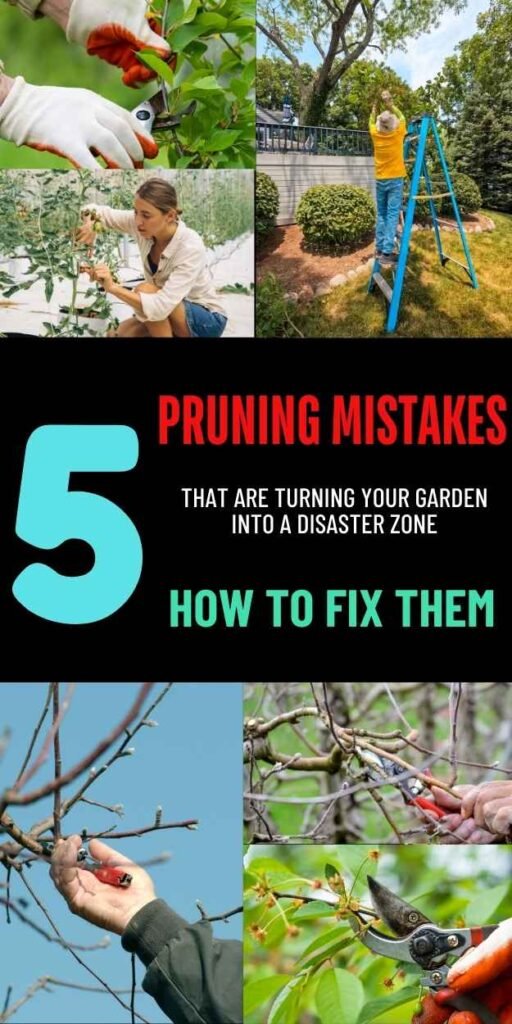
Hi, I’m Ashley Scott—a gardener with over a decade of experience transforming chaotic yards into thriving green spaces. Over the years, I’ve seen countless gardens ruined by simple pruning mistakes. Today, I’m sharing the 5 most destructive pruning errors I’ve encountered (yes, I’ve made a few myself!) and actionable fixes to save your plants. Let’s dive in!
1. Over-Pruning: The “More Is Better” Myth
Why It’s a Disaster:
I once pruned my rose bush so aggressively it looked like a skeleton. Big mistake! Over-pruning strips plants of their ability to photosynthesize, leaving them stressed and vulnerable to pests or disease. Removing more than ⅓ of a plant’s foliage in one go can even stunt growth or kill it.
How to Fix It:
- Follow the “One-Third Rule”: Never remove more than ⅓ of a plant’s growth in a single session. For overgrown shrubs, spread pruning over 2-3 seasons.
- Focus on Dead/Diseased Branches First: Use the “3 D’s” rule—prune dead, diseased, or dying branches to redirect energy to healthy growth.
Pro Tip: Struggling with roses? Check out my guide on rose pruning mistakes for tailored advice.
2. Topping Trees: The Quick Fix That Backfires
Why It’s a Disaster:
Topping—chopping off a tree’s upper branches to control height—is like giving your tree a death sentence. I’ve seen topped trees sprout weak, unstable shoots that snap in storms, inviting pests and decay.
How to Fix It:
- Opt for Crown Reduction: Instead of hacking the top, hire an arborist to strategically thin branches while preserving the tree’s natural shape.
- Train New Leaders: For damaged trees, tape a lateral branch vertically to replace the lost leader (masking tape works wonders!).
Real-Life Example: A client’s topped maple tree became a hazard. We restored it with gradual crown reduction—now it’s thriving!
3. Pruning at the Wrong Time
Why It’s a Disaster:
Pruning my lavender in fall once killed its blooms for a year. Timing matters! Summer pruning can invite diseases like silver leaf fungus in cherry trees, while late-season cuts may trigger frost-sensitive growth.
How to Fix It:
- Spring-Bloomers: Prune right after flowering (e.g., lilacs, azaleas).
- Summer-Bloomers: Trim in late winter/early spring (e.g., hydrangeas, butterfly bushes).
- Fruit Trees: Avoid fall pruning—stick to dormant seasons9.
Resource: The Oregon State Extension offers a fantastic seasonal pruning calendar.
4. Using Dull or Dirty Tools
Why It’s a Disaster:
Blunt shears tear plant tissue, creating jagged wounds that attract pests. Dirty tools? Even worse—they spread diseases like fire blight between plants.
How to Fix It:
- Sharpen Tools Regularly: A diamond sharpening stone keeps blades razor-sharp.
- Disinfect After Each Use: Wipe tools with rubbing alcohol or a bleach solution9.
My Go-To Gear: Fiskars loppers and Sharpal sharpeners never let me down.
5. Cutting Too Close (or Leaving Stubs)
Why It’s a Disaster:
I butchered an apple tree by cutting flush to the trunk, damaging the branch collar—the tree’s natural “band-aid” for healing. Stubs, on the other hand, rot and invite infections.
How to Fix It:
- Respect the Branch Collar: Cut just outside the swollen area where the branch meets the trunk.
- Angle Cuts at 45 Degrees: Prevents water pooling and rot.
Learn More: FineGardening’s guide to branch collar cuts saved my orchard!
Bonus: How to Fix Existing Pruning Mistakes
- Let Time Heal: Minor errors (like over-trimmed hydrangeas) often resolve with patience.
- Support Recovery: Fertilize stressed plants and water deeply. My apple tree care guide has step-by-step tips.
- Call a Pro: For severe damage (e.g., topped trees), consult an arborist.
Key Takeaways
- Avoid Over-Pruning: Stick to the one-third rule.
- Time It Right: Match pruning to plant cycles.
- Use Sharp Tools: Clean cuts = healthy plants.
Pruning isn’t just about aesthetics—it’s about plant health. By dodging these 5 errors, you’ll transform your garden from a disaster zone into a flourishing paradise. Got a pruning horror story? Share it with me on USA Garden Web!
Other Resources for Deeper Learning: