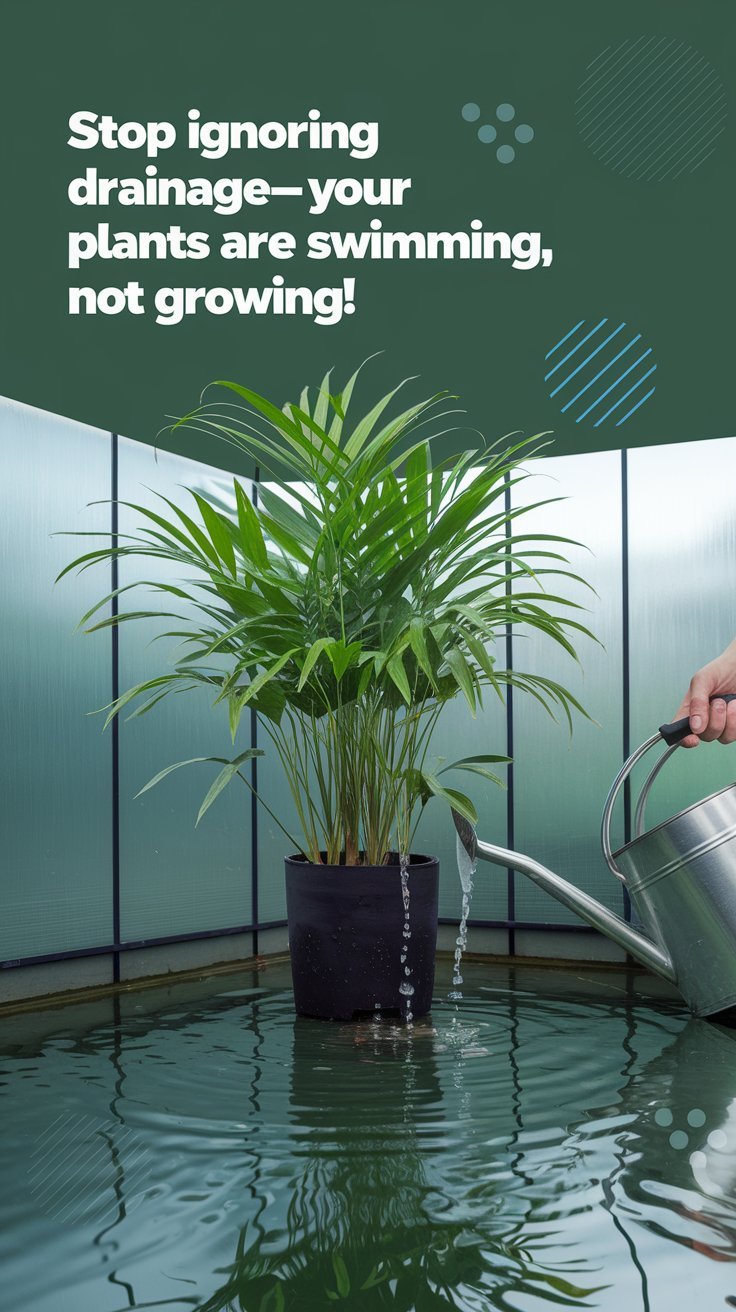
Overwatering kills more plants than neglect. Learn why drainage is non-negotiable, how to spot soggy soil, and actionable fixes to save your garden. 10 years of expertise distilled here.
Hi there, I’m Ashley Scott—a gardener with a decade of dirt under my nails. Today, I’m tackling a silent killer in your garden: poor drainage. Let me tell you, no amount of love or fertilizer can save a plant drowning in waterlogged soil. Here’s why drainage matters, how to diagnose issues, and exactly how to fix them.
Why Drainage Isn’t Optional (Spoiler: Roots Need Air Too!)
You wouldn’t wear rain boots 24/7, right? Well, plant roots can’t survive constant soggy soil either. Here’s the science: roots absorb oxygen from air pockets in the soil. When water fills those gaps, roots suffocate, rot sets in, and your plant becomes a goner .
The Hidden Costs of Ignoring Drainage
- Root Rot: The #1 killer of houseplants and garden perennials. I’ve lost a prized monstera to this—trust me, it’s heartbreaking.
- Nutrient Lockout: Waterlogged soil binds nutrients, starving plants even if you fertilize .
- Pest Magnet: Fungus gnats and mold thrive in wet conditions.
Pro Tip: Think of soil like a sponge. It should hold moisture but let excess drain away.
“Help! How Do I Know If My Soil’s Too Wet?”
Here’s how to spot drainage disasters before it’s too late:
5 Telltale Signs of Poor Drainage
- Yellow Leaves with Brown Edges: Classic overwatering distress.
- Mushy Stems or Roots: Gently dig around the base—healthy roots are firm, not slimy.
- Puddles That Linger: If water sits for 30+ minutes after watering, you’ve got a problem.
- Foul Odor: Rotten egg smell? Anaerobic bacteria are partying in your soil.
- Slow Growth: Plants “stall” because roots can’t function.
Real-Life Example: Last summer, a client’s hydrangeas were wilting despite daily watering. Turns out, their clay soil was acting like a bathtub. We fixed it with compost and raised beds—now they’re blooming like crazy!
Fixing Drainage: 7 Solutions That Actually Work
1. Choose the Right Soil Mix
- For Pots: Use a lightweight, aerated mix. I blend 60% potting soil + 25% perlite + 15% orchid bark for my tropicals .
- For Gardens: Amend clay soil with compost or coarse sand.
Pro Hack: Test drainage by digging a 12-inch hole, filling it with water. If it takes >4 hours to drain, amend the soil .
2. Elevate Your Plants
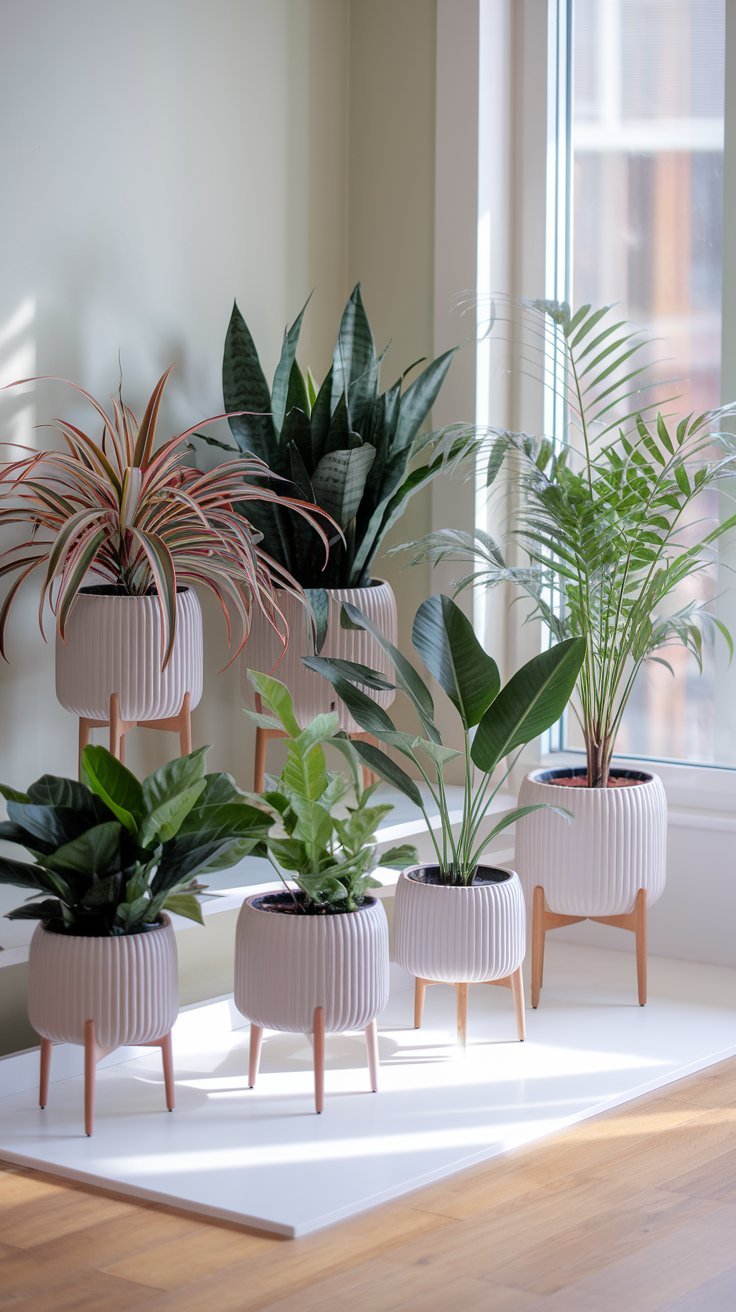
- Use Pot Feet or Risers: Lets excess water escape. I love these terracotta pot risers for style + function.
- Raised Beds: Elevate roots above compacted soil.
3. Add Drainage Layers
- Gravel or Pebbles: Place at the bottom of pots but keep them separated from soil with landscape fabric to prevent “perched water” .
- DIY French Drains: For garden beds, dig a trench filled with gravel to redirect water.
4. Master the Art of Watering
- Check Soil Moisture: Stick your finger 2 inches deep. If it’s damp, skip watering.
- Water Slowly: Let soil absorb moisture without flooding.
Tools & Products I Swear By
After 10 years of trial and error, these are my go-tos:
- Moisture Meter: Takes the guesswork out of watering (affordable option here).
- Perlite vs. Vermiculite: Perlite for drainage, vermiculite for moisture retention.
- Self-Watering Pots: Great for busy gardeners but avoid them for succulents!
Internal Link: Learn how to revive overwatered plants in 3 steps.
“But Ashley, My Planters Don’t Have Holes!”
No drainage holes? No problem. Here’s how I handle decorative pots:
- Double Potting: Nest a plastic nursery pot inside your pretty planter.
- Layer Activated Charcoal: Prevents mold and odors.
- Use a Soil Moisture Bulb: Monitors water levels without guesswork.
Caution: Avoid rocks alone—they raise the water table, drowning roots .
When All Else Fails: Repot!
If roots are rotting, act fast:
- Trim black/mushy roots with sterilized shears.
- Repot in fresh, well-draining soil.
- Skip fertilizer for 2 weeks to avoid stress.
External Resource: Cornell University’s Guide to Root Rot
Wrapping Up: Drainage Is Non-Negotiable
Ignoring drainage is like making your plants live in a swamp. Whether you’re growing succulents or tomatoes, oxygenate that soil! For more tips, check out my guide to choosing the right planter or explore soil amendments for clay soil.
Got a drainage horror story or success? Share it below—let’s grow together!
External Links for Further Reading:
- EPA Guide to Sustainable Landscaping
- USDA Soil Drainage Classifications
- Royal Horticultural Society: Watering Tips
- Penn State Extension: Managing Wet Soils
- ScienceDirect Study on Root Oxygenation
Now, go give your plants the breathable home they deserve! 🌱💧