
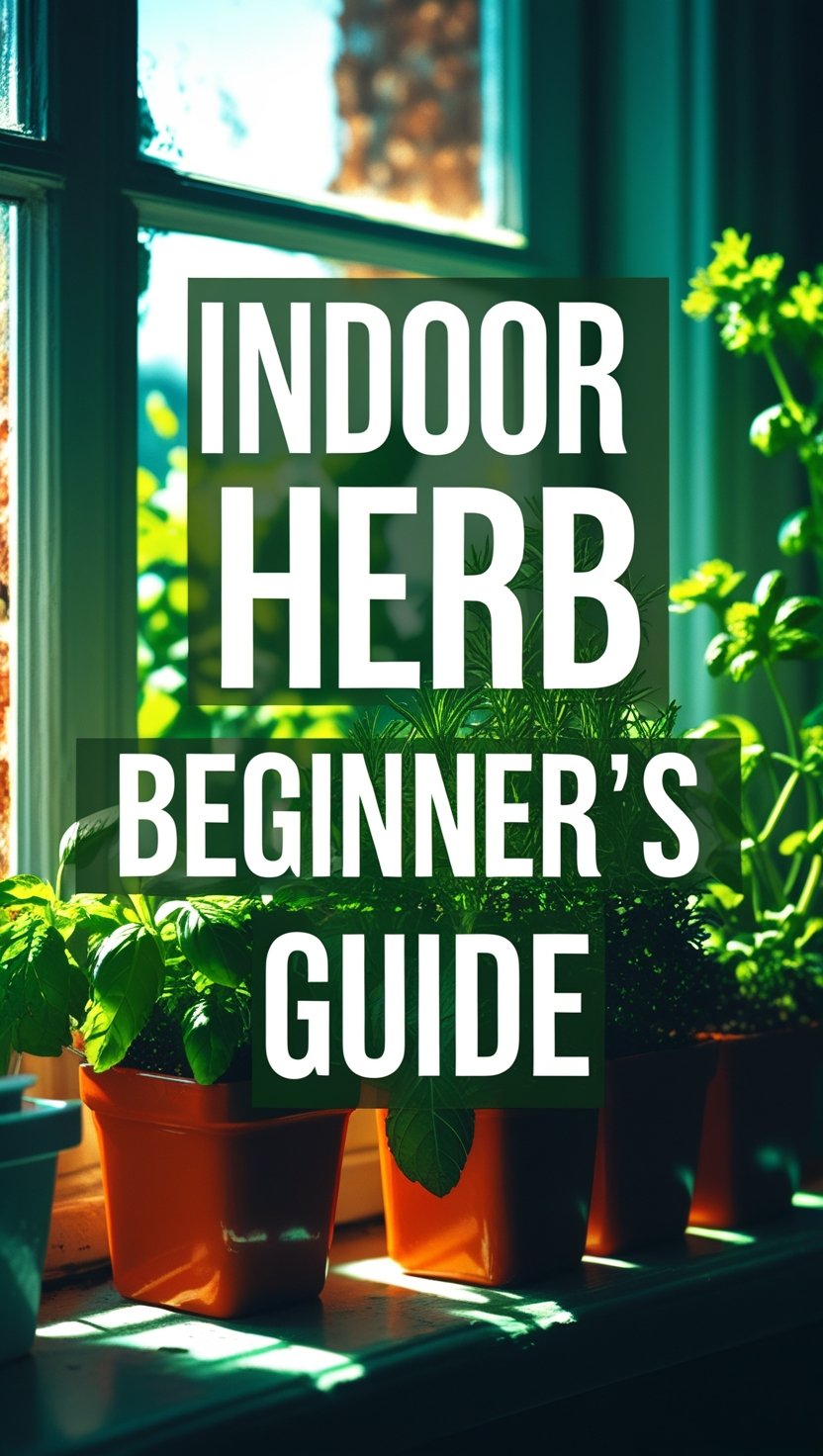
Start your indoor herb garden with this beginner’s guide. Learn the best herbs to grow, simple setup steps, and easy care tips for fresh flavors year-round.
I’ll never forget the first time I snipped fresh basil from my windowsill herb garden for a pasta dinner. The aroma filled my kitchen, and the flavor was so much brighter than anything from a store-bought container. That moment convinced me that growing herbs indoors isn’t just for gardeners with big backyards—it’s for anyone who loves fresh food.
Indoor herb gardening is simply growing herbs inside your home. You can do it on a sunny windowsill, under lights, or in any bright spot. It’s a rewarding hobby that gives you a constant supply of fresh flavors for cooking, and it makes your home feel more alive.
Why You Should Grow Herbs Indoors
You should grow herbs indoors for three main reasons. First, nothing beats the flavor of freshly picked herbs. Second, it saves you money, as those plastic clamshells from the grocery store often wilt before you can use them all. Third, having living plants indoors can boost your mood and even purify the air.
The Best Herbs to Grow Indoors
Starting with the right plants is key to success. Some herbs are much more adaptable to indoor life than others.
Easy Herbs for Beginners
These are the most forgiving and reliable choices for your first indoor garden.
- Basil: Loves warmth and sun. Keep pinching off the top leaves to encourage it to grow bushy instead of tall.
- Mint: Grows vigorously, even in lower light. It’s best to grow it in its own pot, as it can crowd out other herbs.
- Chives: These grassy herbs are very hardy. Snip them with scissors, and they’ll grow back quickly.
- Oregano: A tough, low-growing herb that thrives on a sunny sill. It doesn’t need as much water as others.
- Thyme: This drought-tolerant herb is perfect if you sometimes forget to water. It prefers to dry out between waterings.
Herbs That Need a Bit More Attention
These are still great choices, but they have specific needs.
- Cilantro: It needs consistently cool temperatures and very bright light, or it will quickly bolt (flower and go to seed).
- Rosemary: It requires several hours of direct sun and excellent drainage. It’s a Mediterranean plant that dislikes wet roots.
- Parsley: It grows slowly from seed but is a steady producer once established. It enjoys moist soil and bright, indirect light.
A Simple Guide to Herb Needs
| Herb | Light Needs | Watering | Notes |
|---|---|---|---|
| Basil | High (4-6 hrs direct sun) | Keep soil moist | Pinch flowers to promote leaf growth |
| Mint | Medium to High | Keep soil moist | Grow in a separate pot; it spreads |
| Chives | High | Water when top inch of soil is dry | Very hardy; regrows after harvesting |
| Oregano | High | Let soil dry between waterings | Prefers drier conditions |
| Thyme | High | Let soil dry completely between waterings | Drought-tolerant; dislikes wet soil |
| Rosemary | Very High (6+ hrs direct sun) | Let soil dry thoroughly | Needs excellent drainage |
How to Start Your Indoor Herb Garden
Setting up your garden is straightforward. You just need a few basic things.
- Choose Your Containers: Any pot with a drainage hole in the bottom will work. You can use individual small pots or one long container. If you use a pot without a hole, be very careful not to overwater. For more on this, see our container gardening guide.
- Select Your Soil: Do not use garden soil from outdoors. It’s too heavy and may contain pests. Use a bagged potting mix that is labeled for containers. For herbs, a mix formulated for cacti and succulents works well because it drains quickly.
- Find the Light: This is the most important step. Most herbs need at least 6 hours of bright, direct sunlight per day. A south-facing window is ideal. If you don’t have enough natural light, you can use a simple LED grow light placed a few inches above the plants for 12-14 hours a day.
- Plant Your Herbs: You can start from seed or buy small plants from a nursery. Starting with plants is easier and faster for beginners. Gently loosen the roots, place the plant in the pot, and fill in with soil.
Caring for Your Herbs
Once your herbs are planted, a little regular care will keep them thriving.
- Watering: The most common mistake is overwatering. Stick your finger about an inch into the soil. If it feels dry, it’s time to water. Water thoroughly until it runs out the bottom, then empty the drainage tray.
- Harvesting: Never harvest more than one-third of the plant at once. Always snip from the top, just above a set of leaves. This encourages the plant to grow bushier and fuller.
- Fertilizing: Herbs in pots need occasional feeding. Use a balanced, water-soluble fertilizer diluted to half-strength once a month during the spring and summer.
- Pruning: Regularly pinch off any flowers that appear. When a herb flowers, it puts its energy into making seeds, and the leaves can become bitter.
Troubleshooting Common Problems
If your herbs are struggling, here are the likely causes and fixes.
- Leggy or Sparse Growth: This means the plant is not getting enough light. Move it to a sunnier window or add a grow light.
- Yellowing Leaves: This is often a sign of overwatering. Let the soil dry out more between waterings.
- Small, Weak Leaves: The plant probably needs fertilizer. Give it a half-strength dose of liquid plant food.
- Pests: Indoor herbs can sometimes get aphids or spider mites. If you see pests, spray the leaves with a mild solution of water and a few drops of dish soap. For more solutions, check our guide on indoor plant pest control.
Final Thought
Starting an indoor herb garden is a simple, satisfying project. Don’t worry about being perfect. Start with one or two easy herbs like basil or mint, and learn as you go. Before long, you’ll have the incredible pleasure of adding homegrown flavor to your meals every day.
What herbs are you most excited to grow on your windowsill? Share your plans in the comments below


3 Comments on “Indoor Herb Gardening: A Beginner’s Guide to Growing Fresh Herbs at Home”