African Violet Seeds : A Complete Guide to Growing These Miniature Beauties (2024)
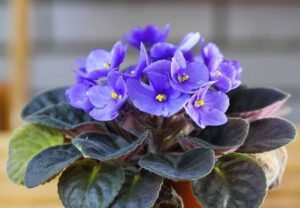
Post Views: 140 Discover how to grow African Violet Seeds. Learn expert tips on sowing, germination and care for these delicate flowers. Perfect for indoor gardening enthusiasts. African Violet Seeds are tiny and require careful handling. They need high humidity, warm temperatures (70-80°F) and bright, indirect light to germinate. Sow on the surface of sterile, fine-textured soil mix. Germination typically occurs in 10-14 days, with seedlings ready for transplanting in 6-8 weeks. Introduction to African Violet Seeds As a horticulturist specializing in indoor plants for over two decades, I’m excited to share my expertise on growing African Violet Seeds. While challenging, this process can be incredibly rewarding, allowing you to cultivate unique varieties and experience the full lifecycle of these beloved houseplants. Understanding African Violet Seeds African violets (Saintpaulia) are popular indoor plants known for their compact size and year-round blooms. Their seeds are extremely small, about the size of dust particles, making them challenging but fascinating to grow. For more information on African violet taxonomy, visit the Botanical Gardens Conservation International database. Obtaining African Violet Seeds Sources Seed Viability African violet seeds remain viable for about 6 months to a year when stored properly in a cool, dry place. Sowing African Violet Seeds Timing You can sow African violet seeds year-round for indoor growing, but spring is often preferred for natural light conditions. Preparation Sowing Process For more detailed seed-starting techniques, check out the University of Minnesota Extension’s guide. Germination Conditions Light Provide bright, indirect light. Avoid direct sunlight, which can be harmful to seedlings. Temperature Maintain a consistent temperature between 70-80°F (21-27°C). Humidity High humidity is crucial. Use a clear plastic cover or plastic bag to create a mini-greenhouse effect. Watering Keep the soil consistently moist but not waterlogged. Water from the bottom to avoid disturbing the tiny seeds. Caring for Seedlings Initial Growth Germination typically occurs in 10-14 days. Tiny green specks will appear on the soil surface. Thinning When seedlings have 2-4 leaves, thin them to allow adequate space for growth. Transplanting At 6-8 weeks, when seedlings have several leaves, they’re ready for individual pots. For more information on caring for young plants, visit the African Violet Society of America’s growing guide. Common Challenges and Solutions Damping Off Caused by fungal diseases, this is a common problem in seedlings. Solution: Ensure good air circulation and avoid overwatering. Slow Growth Often due to insufficient light or nutrients. Solution: Provide adequate light and start fertilizing with a diluted, balanced fertilizer once seedlings have true leaves. Pest Issues Fungus gnats can be a problem in consistently moist soil. Solution: Allow the soil surface to dry between waterings and use sticky traps if necessary. For more on pest management, check out the University of California’s IPM guide for houseplants. Growing African violets from seeds is a test of patience and precision, but the reward of nurturing these tiny seeds into flowering plants is unparalleled. Remember, consistency in care is key – maintain proper light, temperature, and moisture levels throughout the growing process. With attention to detail and a bit of practice, you’ll soon be growing unique African violet varieties from seed. For ongoing support and community, consider joining the African Violet Society of America, where you can connect with other enthusiasts and access additional resources. Happy growing! For more gardening tips and plant care guides, visit usagardenhub.com.
