Alocasia Wentii Care Guide: Mastering the Hardy Elephant Ear Plant
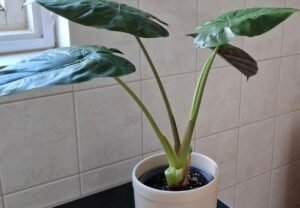
Post Views: 189 Discover how to care for Alocasia Wentii, the tropical stunner with glossy leaves and purple undersides. Learn about light, water, propagation, and more—backed by 10 years of gardening expertise. I still remember the first time I laid eyes on an Alocasia Wentii. Its leaves—glossy green on top, metallic purple underneath—looked like something out of a fairy tale. But within weeks, my excitement turned to panic when its leaves started yellowing. Turns out, I’d been overwatering it. After a decade of nurturing these tropical beauties, I’ve learned their quirks inside out. Let’s dive into everything you need to know about Alocasia Wentii care, from avoiding rookie mistakes to unlocking its full jungle potential. What Makes Alocasia Wentii Special? Alocasia Wentii, nicknamed the “Hardy Elephant Ear,” is a hybrid tropical plant prized for its striking foliage. Unlike its fussier cousins, this variety thrives in a broader range of conditions, making it ideal for indoor gardeners. Here’s what sets it apart: But don’t let “hardy” fool you—this plant still demands attention to thrive. Alocasia Wentii Care: Light, Water, and Soil Secrets 1. Light: Bright but Gentle Alocasia Wentii loves bright, indirect light—think near an east-facing window with a sheer curtain. Direct sun scorches its leaves, while low light causes leggy growth. Pro tip: Rotate the pot weekly for even growth. I once placed mine in a dim hallway, and within a month, it looked like it was reaching for the nearest flashlight . 2. Watering: The Goldilocks Zone Overwatering is the #1 killer. Water only when the top 1–2 inches of soil are dry, and use a pot with drainage holes. In winter, cut back to once every 10–14 days. My rule? Stick your finger in the soil—if it feels like a damp sponge, wait another day . 3. Soil: Fast-Draining & Nutrient-Rich Mix 1 part potting soil, 1 part perlite, and 1 part peat moss for ideal drainage. I’ve found adding orchid bark boosts aeration, mimicking its rainforest floor roots . Avoid heavy soils—they’re a fast track to root rot. Propagating Alocasia Wentii: Multiply Your Jungle Propagation is simpler than you’d think: Step 1: Divide the Rhizomes Step 2: Plant the Offsets I’ve propagated over 20 Wentii pups this way—some even bloomed tiny spathe flowers (a rare treat!) . Troubleshooting Common Problems Issue Cause Fix Yellow Leaves Overwatering Let soil dry fully; trim damaged roots . Brown Leaf Edges Low Humidity Mist daily or use a humidifier (aim for 60%+ humidity) . Leggy Growth Insufficient Light Move to brighter spot or add a grow light . Spider Mites Dry Air Wipe leaves with neem oil or insecticidal soap . Alocasia Wentii vs. Other Elephant Ears Confused about how Wentii stacks up against similar plants? Here’s the breakdown: Feature Alocasia Wentii Colocasia (Taro) Alocasia Regal Shield Leaf Direction Upward-pointing Downward-drooping Upward, wavy edges Toxicity Toxic (all parts) Edible tubers (cooked) Toxic Light Needs Bright indirect Full sun Medium indirect Max Height Indoors 5 feet 6+ feet 4 feet For more comparisons, check out my guide on Alocasia vs. Colocasia. FAQs: Your Top Alocasia Wentii Questions Answered Q: Is Alocasia Wentii safe for pets?A: No—it contains calcium oxalate crystals that cause mouth irritation in cats, dogs, and humans. Keep it elevated . Q: Does it flower indoors?A: Rarely. Its small, calla-like blooms are overshadowed by the foliage. Focus on leaf health instead . Q: What’s the rarest variety?A: Alocasia Wentii Variegated, with creamy-white streaks. It needs brighter light to maintain its patterns . Pro Tips from a Decade of Experience Tools & Resources I Trust [External Links] Final Thoughts Alocasia Wentii is more than a plant—it’s a living sculpture. With the right balance of light, water, and humidity, it’ll reward you with year-round drama. Ready to add one to your collection? Share your journey in the comments or explore my guide on natural humidity hacks for tropical plants. Happy growing! 🌿
