Ants in Potted Plants: Effective Solutions and Prevention Strategies for 2024
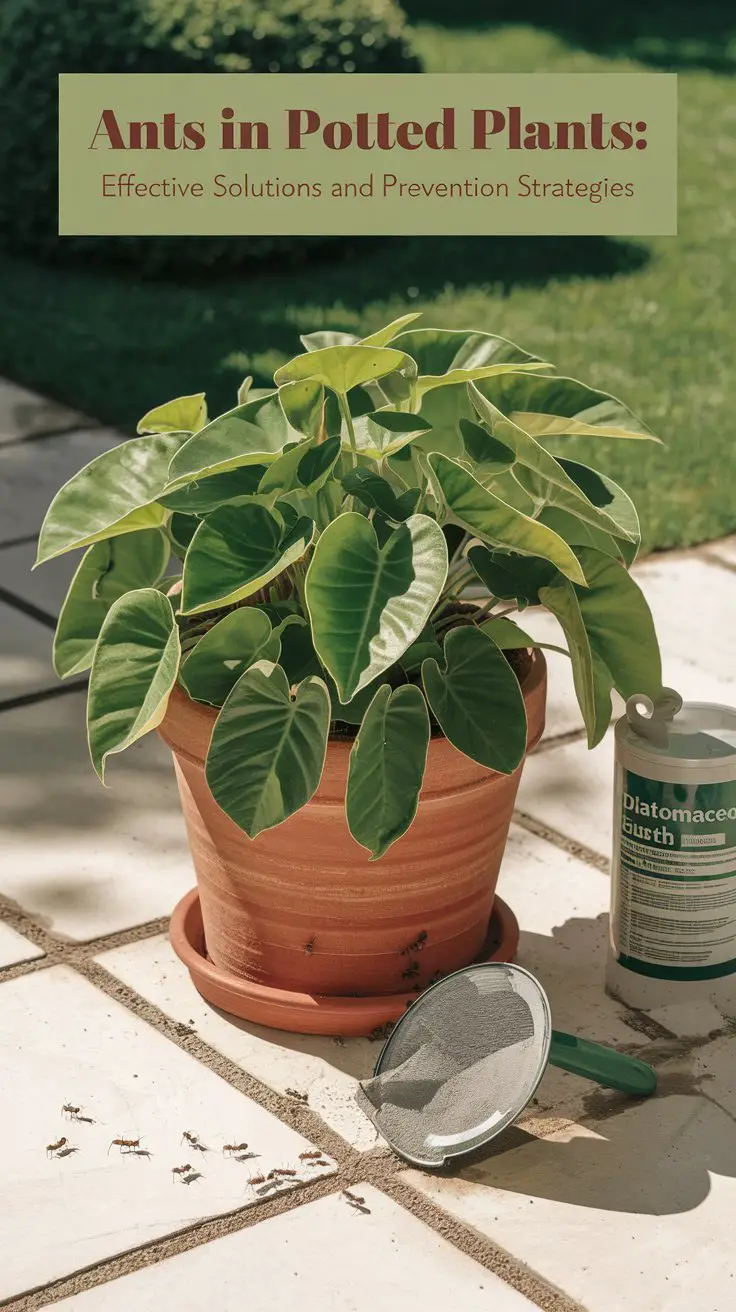
Post Views: 144 Discover effective, eco-friendly solutions for dealing with ants in potted plants. Learn prevention strategies, natural remedies, and when to seek professional help in this comprehensive 2024 guide. Ants in potted plants can be a persistent nuisance for gardeners, potentially harming plant health and disrupting the enjoyment of your green space. While ants play important roles in ecosystems, their presence in container gardens often indicates underlying issues. With the right approach, you can effectively manage ant infestations in your potted plants using eco-friendly methods that preserve both your plants and beneficial insects. Hello, I’m Ashley Scott, an urban gardening expert with over 15 years of experience in pest management for container plants. Today, I’m sharing my insights on a common issue many gardeners face: ants in potted plants. Understanding the Ant Problem in Container Gardens Ants in potted plants are more than just a minor annoyance. They can: According to the University of California Integrated Pest Management Program, certain ant species can even damage plant roots directly. Understanding ant behavior is crucial for effective management. Why Ants Invade Potted Plants Ants are attracted to potted plants for several reasons: The Royal Horticultural Society notes that while ants can be beneficial in garden ecosystems, their presence in pots often indicates other pest problems. Eco-Friendly Ant Control Methods for 2024 1. Diatomaceous Earth Sprinkle food-grade diatomaceous earth around the base of plants. This natural ant deterrent for gardens is safe for plants but deters ants effectively. 2. Neem Oil Solution Create a neem oil spray, a versatile organic pesticide for container plants that repels ants and treats various other pests simultaneously. 3. Cinnamon Powder Sprinkle cinnamon around the plant base. This natural ant repellent for houseplants is both effective and aromatic. 4. Beneficial Nematodes Introduce beneficial nematodes to your potting soil. These microscopic worms are natural predators of ants and other soil pests, offering biological pest control for potted plants. 5. Essential Oil Barriers Create barriers with peppermint or tea tree essential oils. These strong scents act as natural insect repellents for container gardens. Prevention Strategies Preventing ant infestations is key to long-term plant health. Here are some eco-friendly gardening techniques to keep ants at bay: When to Seek Professional Help If DIY methods fail to control the ant problem, it might be time to consult a professional. The National Pest Management Association offers resources for finding qualified pest control experts who can provide targeted solutions for severe infestations. Innovative Ant Management Technologies for 2024 Smart Pest Monitoring Systems New IoT-enabled devices can detect ant activity early, allowing for prompt intervention. These smart garden pest detection tools are becoming increasingly popular in urban gardening. Ultrasonic Repellents Low-frequency sound devices that deter ants without harming plants or beneficial insects are emerging as a high-tech solution for pest-free container gardening. Beneficial Microbe Treatments Soil treatments containing beneficial microorganisms can create an environment less hospitable to ants while improving plant health. These probiotic soil enhancers for potted plants offer a dual benefit of pest control and plant nutrition. Conclusion Dealing with ants in potted plants requires a multifaceted approach combining prevention, natural remedies, and innovative technologies. By implementing these eco-friendly strategies, you can maintain a healthy, ant-free container garden while preserving the delicate balance of your urban ecosystem. Remember, persistence and regular monitoring are key to long-term success in managing ants and other pests in your potted plants.
