
Learn how to grow and care for Aucuba Japonica ‘Variegata’ (Gold Dust Plant). This guide covers light, soil, pruning, and troubleshooting for this hardy evergreen shrub.
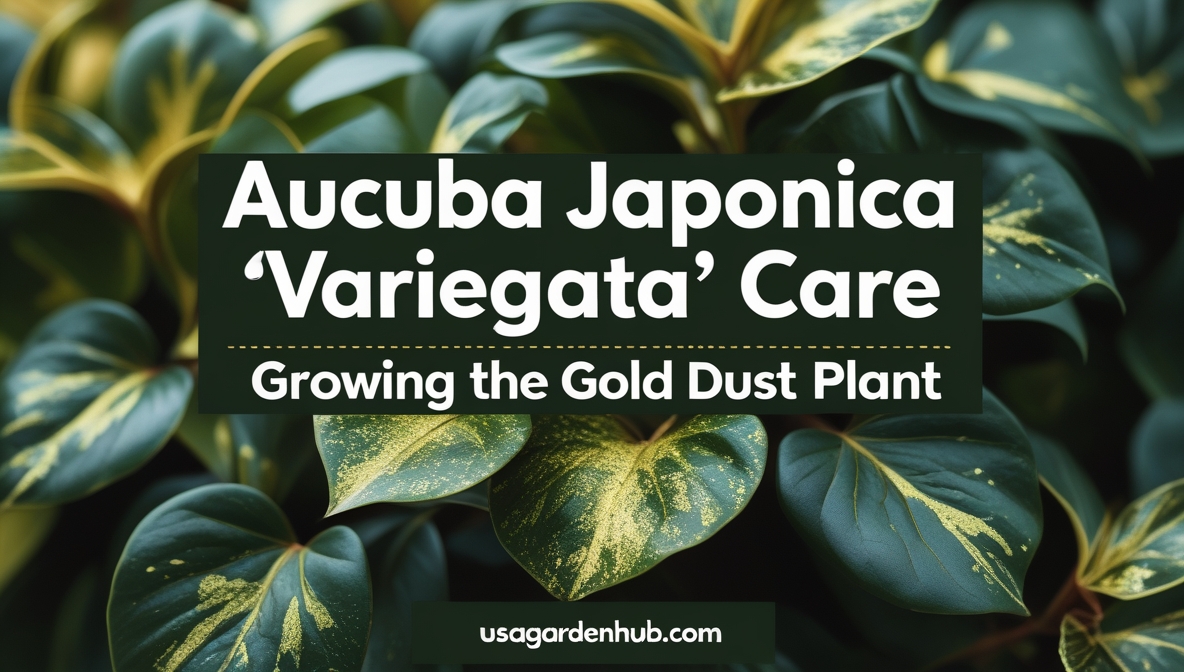
I’ll never forget the first time I saw a mature Aucuba japonica ‘Variegata’ thriving in the deep shade of a neighbor’s garden. While other plants struggled in the low light, this shrub stood out with its spectacular gold-splashed leaves, bringing vibrant color to a dark corner. That’s when I truly appreciated what a valuable plant this is for challenging spaces.

Aucuba japonica ‘Variegata’, commonly called Gold Dust Plant or Spotted Laurel, is a robust evergreen shrub known for its leathery, green leaves dramatically speckled with yellow spots. It’s one of the most reliable plants for deep shade and difficult urban conditions.
Why Grow Gold Dust Plant?
You should consider this shrub for three main reasons. It’s one of the best plants for brightening heavily shaded areas where few other colorful plants will grow. It’s incredibly tough and tolerant of pollution, drought once established, and even neglect. The vibrant foliage provides year-round interest when most other plants have faded.
Aucuba Japonica ‘Variegata’ at a Glance
FeatureDescriptionCommon NameGold Dust Plant, Spotted Laurel, Japanese LaurelBotanical NameAucuba japonica ‘Variegata’Plant TypeBroadleaf evergreen shrubMature Size6-10 ft. tall and wide (can be maintained smaller)Sun ExposurePartial to full shade (burned in direct sun)Soil TypeAverage, well-draining; adaptable to various soilsBloom TimeSpring (insignificant flowers)Flower ColorPurple-maroonHardiness ZonesUSDA 7-10ToxicityToxic to humans and pets if ingested
Detailed Care Instructions
This shrub is famously low-maintenance, but providing the right conditions will keep it looking its best.
Light and Location
This is the most critical factor. Your Aucuba needs partial to full shade to thrive. Morning sun is acceptable in cooler zones, but hot afternoon sun will scorch and bleach the beautiful leaves, causing unsightly brown patches. It’s perfect for north-facing foundations, under trees, or in shaded courtyards.
Soil and Planting
Aucuba adapts to most soil types but requires good drainage. While tolerant of many conditions, it grows best in moderately fertile, moist but well-drained soil. When planting, dig a hole twice as wide as the root ball but no deeper. Space plants 4-6 feet apart if creating a hedge.
Watering
Water newly planted shrubs regularly for the first growing season to establish a deep root system. Once established, Aucuba shows good drought tolerance but will appreciate watering during extended dry periods. The leaves may droop noticeably when thirsty.
Fertilizing
Feed in early spring with a balanced, slow-release fertilizer. Alternatively, top-dress around the root zone with compost or well-rotted manure. This provides all the nutrients needed for healthy growth and vibrant leaf color.
Pruning and Maintenance
Prune in late winter or early spring before new growth begins. You can cut back leggy stems to a leaf node to encourage bushiness. These shrubs respond well to even severe rejuvenation pruning if they’ve become overgrown. Always remove any dead or damaged branches as you notice them.
How to Propagate Gold Dust Plant
The easiest way to propagate Aucuba is through semi-hardwood cuttings.
- Take Cuttings: In late summer, take 4-6 inch cuttings from healthy, current season’s growth.
- Prepare Cuttings: Remove the leaves from the lower half of the cutting. Optionally, dip the cut end in rooting hormone powder.
- Plant: Insert cuttings into a pot filled with a well-draining medium like perlite or a sand/peat mix.
- Rooting Care: Keep the medium moist and place the pot in bright, indirect light. Roots should develop in 6-10 weeks.
Common Problems and Solutions
While generally trouble-free, you might encounter a few issues.
- Black or Brown Leaf Spots: This is often caused by too much sun. Relocate the plant to a shadier location or provide protection from intense afternoon exposure.
- Leaf Scorch: Brown, crispy leaf margins typically indicate drought stress or wind exposure. Provide adequate water and shelter from drying winds.
- Yellowing Leaves: In mature plants, some yellowing of older leaves is normal. Widespread yellowing can indicate poor drainage or overwatering. Ensure the soil drains well.
- Pests: Watch for scale insects and mealybugs. These appear as small bumps or cottony masses on stems and leaves. Treat with horticultural oil or insecticidal soap. For more on managing these pests, see our guide on garden pest control.
According to the North Carolina State Extension, Aucuba is generally pest-resistant but can occasionally be affected by these issues.
Landscape Uses
This versatile shrub works well in many situations. Use it as a foundation planting for shady north or east-facing walls. It makes an excellent evergreen hedge or screen in shady locations. It’s perfect for woodland gardens and shaded borders. It also thrives in containers on shaded patios, where its colorful leaves provide year-round interest.
A Final Tip for Success
The Gold Dust Plant’s remarkable ability to brighten deep shade with minimal care makes it a garden treasure. The key to success is simple: protect it from hot sun, ensure reasonable drainage, and appreciate it for the tough, beautiful workhorse it is.
For more ideas on plants that thrive in low-light conditions, explore our guide to shade gardening. Have you grown Aucuba in your garden? Share your experience in the comments below.