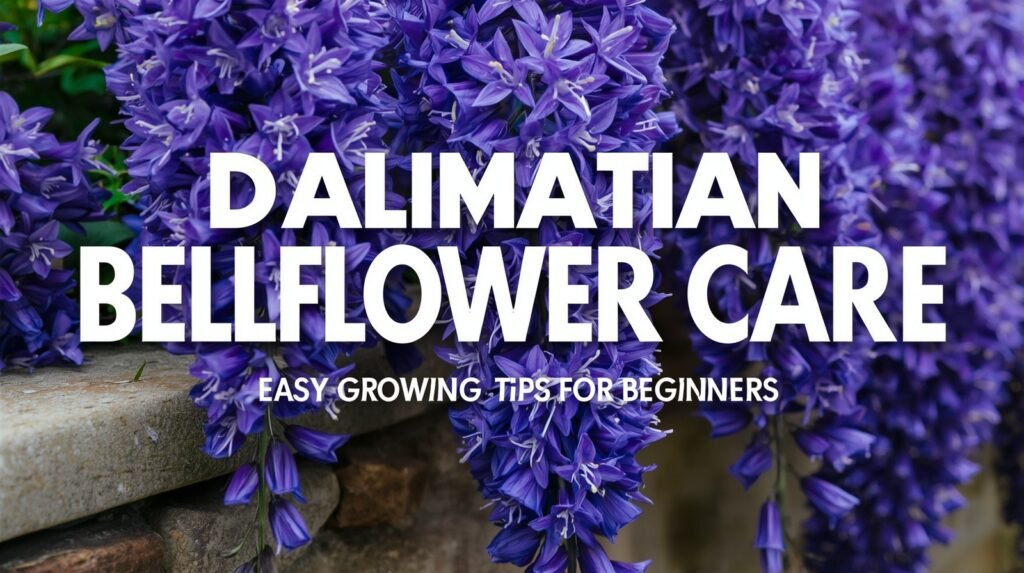
Dalmatian Bellflower: Easy Care & Growing Tips
Post Views: 159 Discover how to grow Dalmatian Bellflower with simple care tips from Ashley Scott, a 10-year gardening pro. Perfect for USA gardens and pollinators! Hey there, plant lovers! I’m Ashley Scott, a gardening enthusiast with 10 years of experience cultivating vibrant blooms in my USA backyard. One of my favorite low-growing gems is the Dalmatian Bellflower (Campanula portenschlagiana), a charming perennial from Croatia’s Dalmatian Mountains. With its star-shaped, violet-blue flowers and heart-shaped green leaves, it’s perfect for ground cover, rock gardens, or cascading over walls. Blooming from late spring to summer, it adds a pop of color and attracts pollinators, making it a great fit for any garden. Below is ready-to-publish content with simple care tips, my personal stories, links to trusted resources, and ties to projects like succulent propagation or DIY compost bins (check out my guides at USA Garden Hub). Let’s explore the magic of Dalmatian Bellflowers! Why Grow Dalmatian Bellflowers? Dalmatian Bellflowers are a must-have for USA gardeners due to their compact size (6-12 inches tall, spreading 1-2 feet), long bloom time (June to August), and low-maintenance nature. They thrive in USDA Zones 4-8, perfect for most climates, from chilly northern yards to sunny southern patios. Their bell-shaped flowers attract bees and butterflies, aligning with my 8 blooming plants that bees love. Symbolizing gratitude and constancy, they’re ideal for gifting or adding charm to small spaces, much like microgreens at home or Nerine flowers. Care Tips for Dalmatian Bellflowers Here’s how to keep your Dalmatian Bellflowers thriving, based on my own garden successes and lessons learned. Light Dalmatian Bellflowers love full sun to partial shade—4-6 hours of sunlight daily ensures vibrant blooms. Too much shade reduces flowering. Missouri Botanical Garden Water Water regularly to keep soil consistently moist but not waterlogged—about 1 inch per week. They’re moderately drought-tolerant once established but prefer steady moisture. The Spruce Soil and Planting Plant in well-drained, loamy soil with a neutral to slightly alkaline pH (6.0-8.0). Plant in spring or fall, spacing 12-18 inches apart to allow spreading. Gardening Know How Temperature and Humidity Dalmatian Bellflowers prefer cool to moderate temps (60-75°F) and handle down to -30°F in winter with mulch. They tolerate average humidity (40-60%) and do well in most climates. Royal Horticultural Society Fertilizer Apply a balanced fertilizer (10-10-10) once in spring to boost growth. Avoid over-fertilizing to prevent leggy plants. The Spruce Pruning and Maintenance Deadhead spent blooms to extend flowering into late summer. Cut back to 2 inches in fall or early spring to tidy up and encourage new growth. Divide clumps every 3-4 years in spring to maintain vigor. Gardening Know How Propagation: Grow More Dalmatian Bellflowers Propagate by division, cuttings, or seeds, similar to succulent propagation from stem. Common Problems and Fixes Why Dalmatian Bellflowers Shine in Your Garden Dalmatian Bellflowers are perfect for USA gardens, offering low-growing charm in Zones 4-8. Their cascading growth suits rock gardens, walls, or pots, and their long blooms (June-August) make them a summer star. They’re deer-resistant, great for cutting (last 7-10 days in vases), and pair beautifully with Nerine flowers or coreopsis flower for colorful beds. For more ground cover ideas, check USDA Forest Service. Wrapping Up Dalmatian Bellflowers bring vibrant, easy-care beauty to any garden, from rural yards to city balconies. My patch spills over a stone wall, buzzing with bees all summer. Whether you’re a beginner or a pro, these bellflowers are a breeze to grow and a joy to admire. How will you use Dalmatian Bellflowers in your garden? Share your ideas in the comments on USA Garden Hub!
