Beneficial Bugs for Succulents: A Complete Guide to Natural Plant Allies
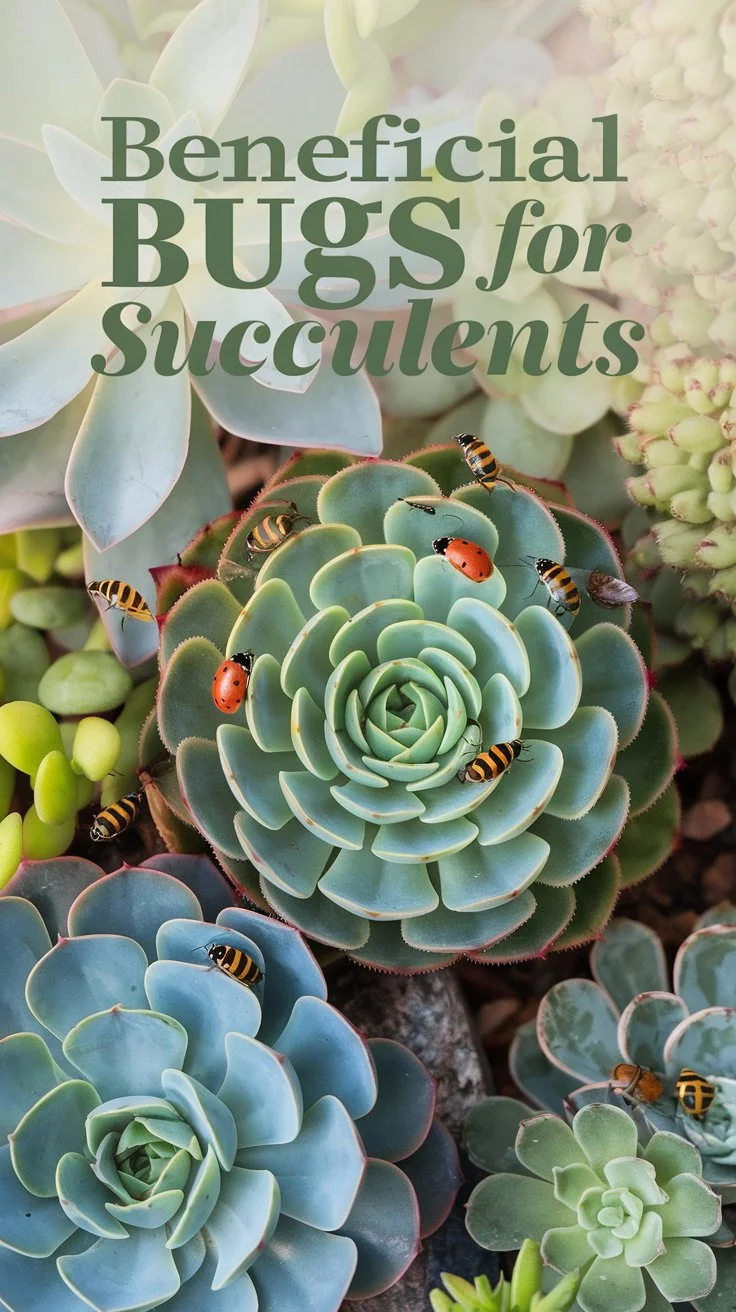
Post Views: 152 Discover the essential Beneficial bugs that help your succulents thrive. Learn how to attract and maintain helpful insects for natural pest control and plant health. Expert guide updated for 2024. Beneficial insects play a crucial role in succulent health and growth by providing natural pest control, pollination, and soil enhancement. The most beneficial bugs for succulents include ladybugs, praying mantises, parasitic wasps, beneficial nematodes, and predatory mites. These natural allies help maintain plant health while reducing the need for chemical pesticides. Hello, I’m Ashley Scott, a succulent specialist and ecological gardening expert with over 15 years of experience. Today, I’m excited to share my knowledge about the fascinating world of beneficial insects that can help your succulents thrive naturally. Understanding the Role of Beneficial Insects Beneficial insects serve three primary functions in succulent gardens: Top Beneficial Bugs for Succulents 1. Ladybugs (Coccinellidae) Ladybugs are exceptional allies for succulent health: 2. Praying Mantises These fascinating predators offer comprehensive pest control: 3. Parasitic Wasps Tiny but mighty garden defenders: 4. Beneficial Nematodes Microscopic soil-dwelling organisms that: 5. Predatory Mites Specialized hunters that target common succulent pests: How to Attract and Maintain Beneficial Insects Creating the Right Environment To attract helpful bugs: Companion Plants That Attract Beneficial Insects Consider planting these companions near your succulents: Seasonal Considerations Different beneficial insects are active during various seasons: Spring Summer Fall Winter Common Mistakes to Avoid Monitoring and Maintenance Regular Observation Keep track of your beneficial insect population: Supporting Beneficial Insect Populations Maintain healthy populations by: Professional Tips for Success Conclusion Beneficial bugs are essential partners in maintaining healthy succulent gardens. By understanding and supporting these natural allies, you can create a thriving ecosystem that benefits both your plants and the environment. Remember, a balanced approach to garden management often yields the best results. For more gardening tips and plant care guides, visit usagardenhub.com.
