Berberis (Barberry) : A Colorful and Useful Shrub for Your Garden
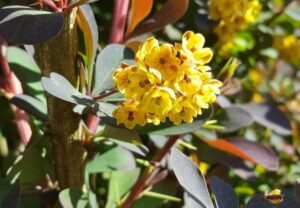
Post Views: 122 Discover the world of Berberis (Barberry)! Learn about growing, using and caring for these colorful shrubs. Perfect for gardeners and nature lovers in the USA. Have you ever seen a bush with bright red berries and spiky leaves? It might be a Berberis! Let’s learn about this interesting plant. Here’s the information about Berberis (Barberry) flowers in an easy-to-understand chart format: Aspect Details Botanical Name Berberis spp. Common Name Barberry Plant Zone Zones 4-8 (varies by species) Sun Exposure Full sun to part shade Soil Type Well-drained soil, tolerates various soil types Watering Needs Low to moderate; drought-tolerant once established Growth Habit Deciduous or evergreen shrubs, dense and thorny Height/Spread 3-10 feet tall, spreads 4-7 feet Bloom Time Spring Flower Color Yellow, occasionally orange Special Features Small, bright yellow flowers; attractive red or purple foliage in some varieties; produces small red berries; resistant to deer; used for hedging and borders What is Berberis? Berberis, also called barberry, is a type of shrub. It grows in many parts of the world, including the USA. These bushes can have green, purple, or yellow leaves. In fall, they often turn bright red or orange. Types of Barberry There are many kinds of barberry. Some common ones in the USA are: Growing Barberry in Your Garden Barberry is easy to grow. Here’s what you need to know: Uses of Barberry People use barberry for different things: Barberry and Wildlife Barberry bushes can help wildlife: To learn more about plants that help wildlife, check out this US Forest Service page. Barberry Problems While barberry can be nice to have, there are some things to watch out for: Taking Care of Barberry Here’s how to keep your barberry healthy: For more gardening tips, visit the USDA’s gardening page. Barberry in History People have known about barberry for a long time: Barberry is a tough, pretty shrub that can add color to your yard. It’s easy to grow and can help wildlife too. Just remember to check if it’s okay to plant in your area. With a little care, you can enjoy these colorful bushes for many years! For more gardening tips and plant care guides, visit usagardenhub.com.
