

Learn all about butterfly bush flowers, including colors like purple and blue, blooming times, care tips, and uses. Attract butterflies to your USA garden with expert advice from 10-year gardener Ashley Scott.
Hey there, fellow gardeners. I’m Ashley Scott, and after 10 years of turning my backyard into a buzzing haven for pollinators, I’ve fallen hard for the butterfly bush. Picture this: It’s mid-summer in my Texas garden, and a cluster of deep purple spikes draws in a swarm of monarchs. I planted my first one on a whim after a neighbor raved about it, and now it’s the star of my pollinator patch. If you’re eyeing a butterfly bush flower for your space, you’re in the right spot. In this guide, I’ll walk you through everything from its vibrant colors to troubleshooting those pesky brown blooms. Let’s dig in and get your garden fluttering.
What Is a Butterfly Bush Flower?
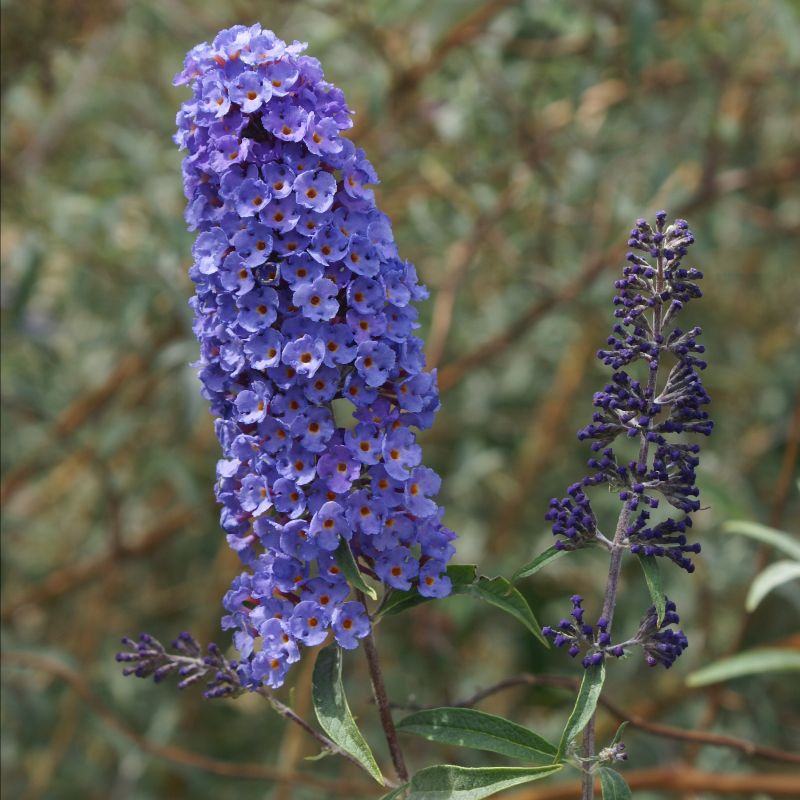
You might hear “butterfly bush flower” and think of a delicate bloom straight out of a fairy tale. In reality, it’s the star attraction of Buddleja davidii, a fast-growing deciduous shrub native to China but a staple in American gardens since the 1800s. This plant earns its name from the long, cone-shaped flower spikes that butterflies can’t resist. Each spike measures 6 to 10 inches and packs hundreds of tiny tubular florets. The scent? Honey-sweet and irresistible to bees, hummingbirds, and yes, butterflies.
I remember my first encounter. I was new to gardening, knee-deep in mulch, when a single butterfly bush transformed my plain fence line into a wildlife hotspot. Within weeks, swallowtails and painted ladies showed up for the nectar party. The flowers aren’t just pretty; they’re functional. They bloom on new wood, meaning fresh growth each year fuels the show. Expect a bushy habit, 5 to 10 feet tall and wide if unchecked, though dwarf varieties stay compact at 2 to 4 feet.
For your garden, plant it in USDA zones 5 to 9. It’s drought-tolerant once established and deer-resistant, which saved my sanity during a tough dry spell in 2020. Just note: It’s considered invasive in some states like Oregon and Washington, so check local regs before planting. If you’re in a restricted area, opt for sterile hybrids like the Lo & Behold series—they flower without seeding.
The Stunning Colors of Butterfly Bush Flowers
One of the best parts of a butterfly bush flower? The rainbow of options. You can match your landscape vibe, from soft pastels to bold jewel tones. Colors range from white and pink to red, lavender, and deep purple. Each hue pulls in different pollinators, but all deliver that signature fragrance.
Purple Butterfly Bush Flower
Go for purple if you want drama. Varieties like ‘Black Knight’ produce near-black spikes that pop against green foliage. These 8-inch clusters bloom from July to September, drawing in every butterfly in a three-yard radius. In my garden, a purple one became the backdrop for my summer blooming shrubs guide. Pro tip: Pair it with yellow coreopsis for a high-contrast pollinator buffet.
Blue Butterfly Bush Flower
Blue butterfly bush flowers offer a cool, serene look. Try ‘Blue Chip’ from the Lo & Behold line—it’s a dwarf that tops out at 2 feet with icy blue spikes. Perfect for small patios or front borders. Blues bloom reliably in full sun and hold up in heat. Last year, I added one to my container setup, and it outshone the neighboring salvia. For more on compact options, check my drought-tolerant plants page.
Yellow Butterfly Bush Flower
Yellow stands out for its sunny disposition. ‘Sungold’ delivers golden spikes that glow in evening light, blooming June through frost. It’s rarer than purples, but worth hunting down at your local nursery. Yellows attract fewer butterflies than pinks or purples, but they shine in moon gardens. I planted one near my porch swing two summers ago; the glow made lazy evenings magical.
Other shades include white (‘White Profusion’) for elegance and red (‘Royal Red’) for heat. Mix colors in groupings of three for impact—I’ve seen this combo turn a boring side yard into a neighborhood showstopper.
When Does Butterfly Bush Flower? Understanding the Flowering Season and Time
You plant a butterfly bush expecting instant magic, but timing matters. Most varieties kick off in late spring, around May in zone 7, and keep going until the first frost— that’s up to six months of color. In warmer spots like California or the Southeast, expect earlier starts; cooler northern gardens might wait until June.
The flowering season peaks midsummer, with spikes unfurling on current-season growth. If you’re wondering, “When will my butterfly bush flower?” check your prune job. I skipped pruning one year, and blooms lagged by two weeks. Aim for early spring cuts to sync with your local frost date. For zone-specific advice, the Oregon State University landscape plants database has solid timelines.
Butterfly bush flowering time varies by variety too. Dwarfs like Pugster bloom non-stop from summer to fall, while larger ones hit their stride later. Track yours with a garden journal—I do, and it helps predict the butterfly rush.
How Long Does Butterfly Bush Flower Last?
Individual spikes last 2 to 4 weeks before fading, but the plant reblooms steadily if you deadhead. That’s the secret to extending the show: Snip spent clusters at the base, and new ones pop up within days. In my experience, a well-maintained bush delivers flowers for 120 days straight.
One season, a heatwave in July shortened my blooms to 10 days per spike. Solution? Mulch and consistent water kept the next round going strong. Full spikes can reach 12 inches on vigorous plants, holding shape better in cooler weather. If yours quit early, revisit pruning—more on that soon.
Butterfly Bush Flower Meaning and Symbolism
Beyond the garden, butterfly bush flowers carry gentle symbolism. They represent growth and renewal, tied to the butterfly’s transformation from caterpillar to winged beauty. In floral lore, the bush evokes hope and attraction—drawing in what you desire, much like pollinators to nectar.
I once gifted a potted butterfly bush to a friend starting over after a tough year. The blooms arrived just as she needed that reminder of fresh starts. No deep mysticism here, but in Victorian language, similar fragrant spikes meant “let’s take a risk on each other.” Today, it’s all about celebrating change. For more on plant stories, see my pollinator garden ideas.
Creative Uses for Butterfly Bush Flowers
Butterfly bush flowers aren’t just for staring at—they’re versatile. From vases to skin art, here’s how to put them to work.
Butterfly Bush Flower Arrangements
Harvest spikes for cut flower arrangements; they last 7 to 10 days in water. Cut in the morning, strip lower leaves, and sear stems in hot water for longevity. Mix with zinnias or roses for a cottage vibe. I fill mason jars on my deck table—simple and bee-free indoors. The ‘Pugster’ series holds up best for bouquets due to sturdy stems.
Butterfly Bush Flower Tattoo Ideas
A butterfly bush flower tattoo blends the plant’s spikes with fluttering wings for a nod to personal evolution. Think delicate line work: A purple cone pierced by a monarch, symbolizing rebirth. Popular spots? Forearm or ankle for subtlety. I sketched one after a garden milestone—nothing inked yet, but the drawing lives on my fridge. Styles range from realistic watercolor to minimalist outlines. Pair with quotes like “Bloom where planted” for depth.
Butterfly Bush Flower Drawing Tips
Grab pencils for a butterfly bush flower drawing. Start with the spike’s cone shape, add tubular florets in clusters. Shade undersides lighter for depth. Use references from your garden; I snap photos at peak bloom. Digital tools like Procreate work great for color tests—try lavenders fading to white. Share yours on social; it’s therapeutic after a long weeding day.
Are Butterfly Bush Flowers Edible?
Short answer: Skip eating them. While not highly toxic, butterfly bush flowers can cause mild stomach upset in humans and pets. No traditional edible uses exist, and they’re better left for the butterflies. Stick to safe herbs like bee balm for teas. In my kitchen experiments, I’ve brewed mint instead—safer and just as refreshing.
Common Problems: Why Your Butterfly Bush Flowers Are Turning Brown, Black, or Dying
Nothing frustrates like a butterfly bush flowers turning brown. It usually signals spent blooms—deadhead promptly to redirect energy. Black tips? Often fungal from poor air flow; space plants 5 feet apart.
If flowers are dying wholesale, check roots. Overwatering drowns them; underwatering wilts spikes. My culprit last spring? Clay soil holding moisture—amended with compost fixed it. Browning edges point to sun scorch; provide afternoon shade in hot zones. For dying branches, prune to live wood. The North Carolina State Extension toolbox details verticillium wilt risks, rare but serious.
Flowers turning black mid-bloom? Heat stress or borers. Inspect stems; treat with neem oil. Prevention beats cure: Mulch 2 inches deep and water deeply weekly in year one.
Caring for Your Butterfly Bush to Maximize Flowering
You want those butterfly bush flowers power-packing your yard? Focus on basics. Full sun fuels the most blooms—6 hours minimum. Well-drained soil prevents root rot; raise beds if needed.
Pruning for Better Blooms
Prune hard in late winter or early spring, cutting back to 12 inches. This sparks vigorous new growth for flowers. I use clean shears and wear gloves—the sap sticks. Skip fall cuts; they invite cold damage. For a full tutorial, visit my pruning shrubs guide.
Soil and Water Needs
Fertilize sparingly—once in spring with balanced 10-10-10. Water new plants weekly; established ones only during drought. Aim for 1 inch per week. Test pH at 6.5 to 7.5 for peak performance. The University of Arizona Arboretum backs this for optimal nutrient uptake.
Invasiveness note: Choose non-seeding types to protect local ecosystems. The Washington State University Hortsense explains why.
Varieties to Try in Your Garden
Beyond colors, pick by size. ‘Dark Knight’ for bold purple drama, 6 feet tall. Dwarfs like ‘Pugster Amethyst’ suit pots, blooming huge on small frames. For vertical interest, ‘Towering David’ hits 8 feet narrow. I mix three in my back border—purple, blue, yellow—for season-long buzz. Check Proven Winners’ butterfly bush guide for more picks.
Bringing It All Together: Start Your Butterfly Bush Journey
After a decade of trial and error, my butterfly bush patch is my pride. It weathered droughts, drew families of fritillaries, and even inspired neighbor potlucks over fresh arrangements. Yours can too. Grab a variety suited to your zone, prune like clockwork, and watch the magic.
Quick tips for your feed:
- Plant in full sun for max blooms.
- Deadhead weekly to extend flowering time.
- Choose sterile hybrids to avoid invasiveness.
- Mix colors for pollinator variety.
- Prune early spring for bushy growth.
Ready to add butterfly bush flower power? Head to your nursery or shop online. Drop a comment—what color calls to you? Happy gardening—may your yard flutter.
For more inspiration, explore my best butterfly plants list. And don’t miss the Virginia Tech Dendrology factsheet for pro-level details.