
Learn how to grow and care for China Rose ‘Mutabilis’. This guide covers planting, pruning, and enjoying this unique color-changing rose in your landscape.
I first encountered Rosa ‘Mutabilis’ at a public garden where its delicate, single blooms caught my eye—not because they were showy, but because the same bush held flowers in three different colors simultaneously. The plant seemed to be performing magic, with buds, yellow, pink, and crimson flowers all present at once. I knew immediately I had to find space for this remarkable rose in my own garden.
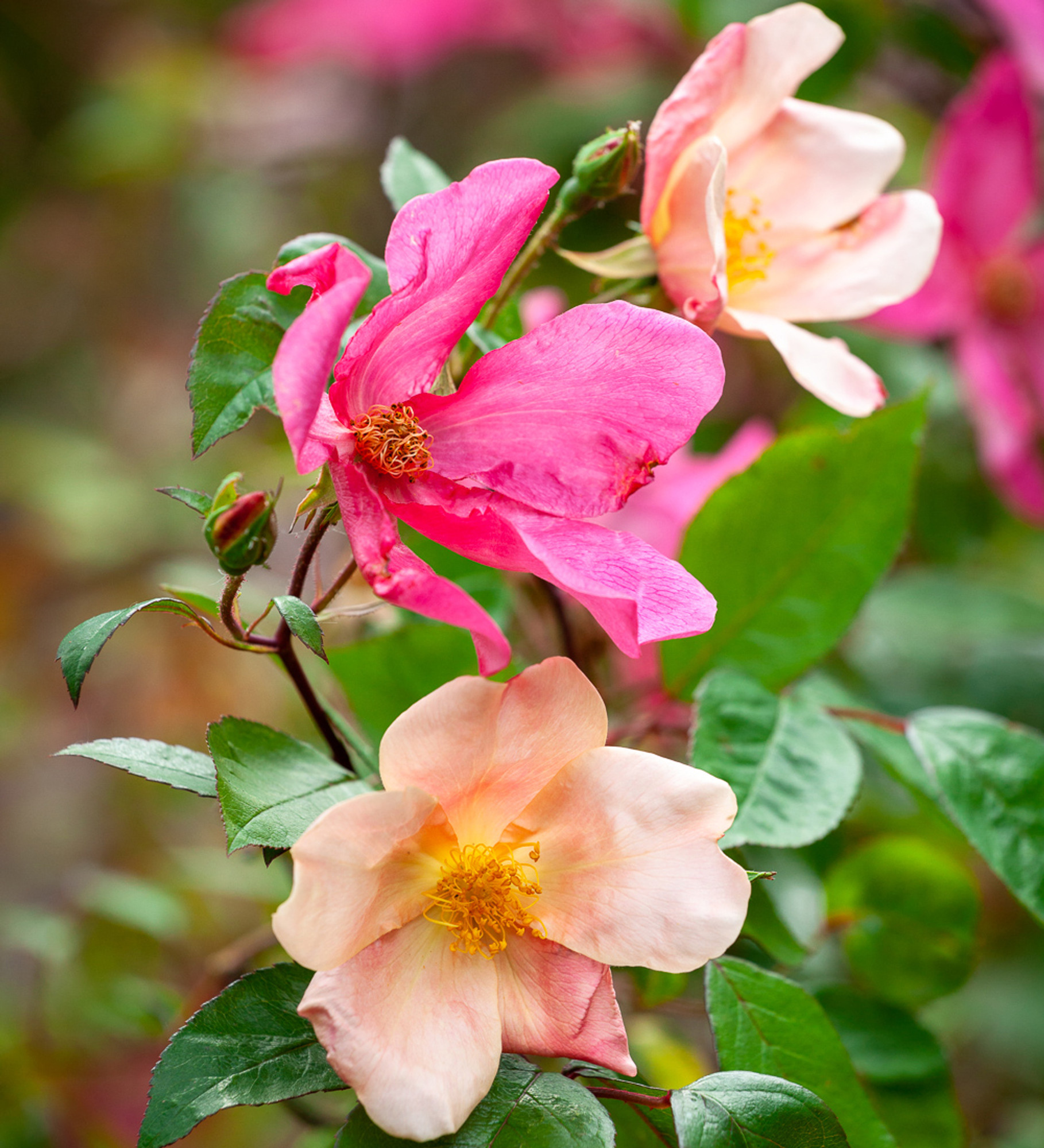
China Rose ‘Mutabilis’, also called the Butterfly Rose, is an old garden rose variety known for its unique color-changing flowers. Unlike hybrid teas, this species rose offers a more natural, shrubby form and exceptional disease resistance, making it a favorite among gardeners seeking low-maintenance beauty.
Why Grow Rosa ‘Mutabilis’?
You should grow this rose for its incredible color display—each flower opens apricot-yellow, ages to pink, and finally deepens to crimson before dropping. It blooms continuously from spring through fall in warm climates. The plant has excellent disease resistance and thrives with minimal spraying. Its airy, graceful habit fits beautifully into mixed borders and cottage gardens.
Rosa ‘Mutabilis’ at a Glance
FeatureDescriptionCommon NameChina Rose, Butterfly Rose, Mutabilis RoseBotanical NameRosa ‘Mutabilis’Plant TypeEvergreen or semi-evergreen shrub roseMature Size4-6 ft. tall and wideSun ExposureFull sun to partial shadeSoil TypeWell-draining, fertile loamBloom TimeRepeated blooming spring through fallFlower ColorsYellow, pink, crimson (all on same plant)Hardiness ZonesUSDA 7-11
Detailed Care Instructions
This rose is surprisingly low-maintenance once established, but proper planting and care will ensure the best performance.
Light Requirements
Plant your Mutabilis rose where it will receive at least 6 hours of direct sun daily. More sun means more flowers and better disease resistance. In hottest climates, some afternoon shade can prevent flower scorching.
Soil and Planting
Roses need well-draining soil rich in organic matter. Before planting, work 2-3 inches of compost into the planting area. Dig a hole twice as wide as the root ball but no deeper. Space plants 4-5 feet apart to allow for air circulation.
Watering
Water deeply but infrequently, providing about 1 inch of water per week. Soak the root zone thoroughly rather than frequent light sprinklings. Water at the base of the plant to keep leaves dry and prevent fungal diseases. Mulch around the base to conserve moisture.
Fertilizing
Feed in early spring when new growth appears with a balanced rose fertilizer. Repeat after each major flush of blooms. Avoid high-nitrogen fertilizers that promote leafy growth at the expense of flowers. In fall, stop fertilizing to allow the plant to harden off for winter.
Pruning and Maintenance
Prune in late winter or early spring before new growth begins. Remove dead, damaged, or crossing branches. Thin out about one-third of the oldest canes to encourage new growth from the base. Unlike hybrid teas, Mutabilis needs minimal pruning to maintain its graceful form. Deadhead spent flowers to encourage continuous blooming.
How to Propagate Rosa ‘Mutabilis’
The easiest way to propagate this rose is through hardwood cuttings.
- Take Cuttings: In late fall, take 8-10 inch cuttings from mature, pencil-thick canes.
- Prepare Cuttings: Remove all but the top 2-3 leaves and dip the cut end in rooting hormone.
- Plant: Insert cuttings into a pot filled with sandy potting mix or directly into a protected garden bed.
- Wait for Roots: Keep moist but not wet. Roots should develop by next spring.
Common Problems and Solutions
While more disease-resistant than many roses, you might encounter these issues.
- Black Spot: This fungal disease appears as black spots on leaves. Improve air circulation, water at the base, and remove affected leaves. The University of California IPM offers excellent organic management strategies.
- Aphids: These small green insects cluster on new growth. Spray them off with a strong stream of water or use insecticidal soap.
- Powdery Mildew: White powder on leaves indicates this fungal issue. Ensure good air circulation and avoid overhead watering.
- Japanese Beetles: Hand-pick these pests in early morning when they’re sluggish.
Landscape Uses
This versatile rose works beautifully in many garden settings. Use it as a specimen plant where its color-changing flowers can be appreciated. Plant it in mixed borders with perennials that complement its informal habit. It makes an excellent informal hedge or screen. Train it as a small climber against a wall or fence.
A Final Tip for Success
The Mutabilis rose’s charm lies in its subtle beauty and remarkable resilience. Unlike many modern roses, it asks for little but gives much—continuous blooms, fascinating color changes, and a graceful presence in the garden. For more information on growing roses successfully, visit our guide to rose gardening basics.
Have you grown the Butterfly Rose in your garden? I’d love to hear about your experience with this captivating plant in the comments below!