
Discover clay pot vs plastic pot pros and cons for container plants with tips from Ashley Scott, a 10 year gardening pro. Perfect for USA urban gardeners!
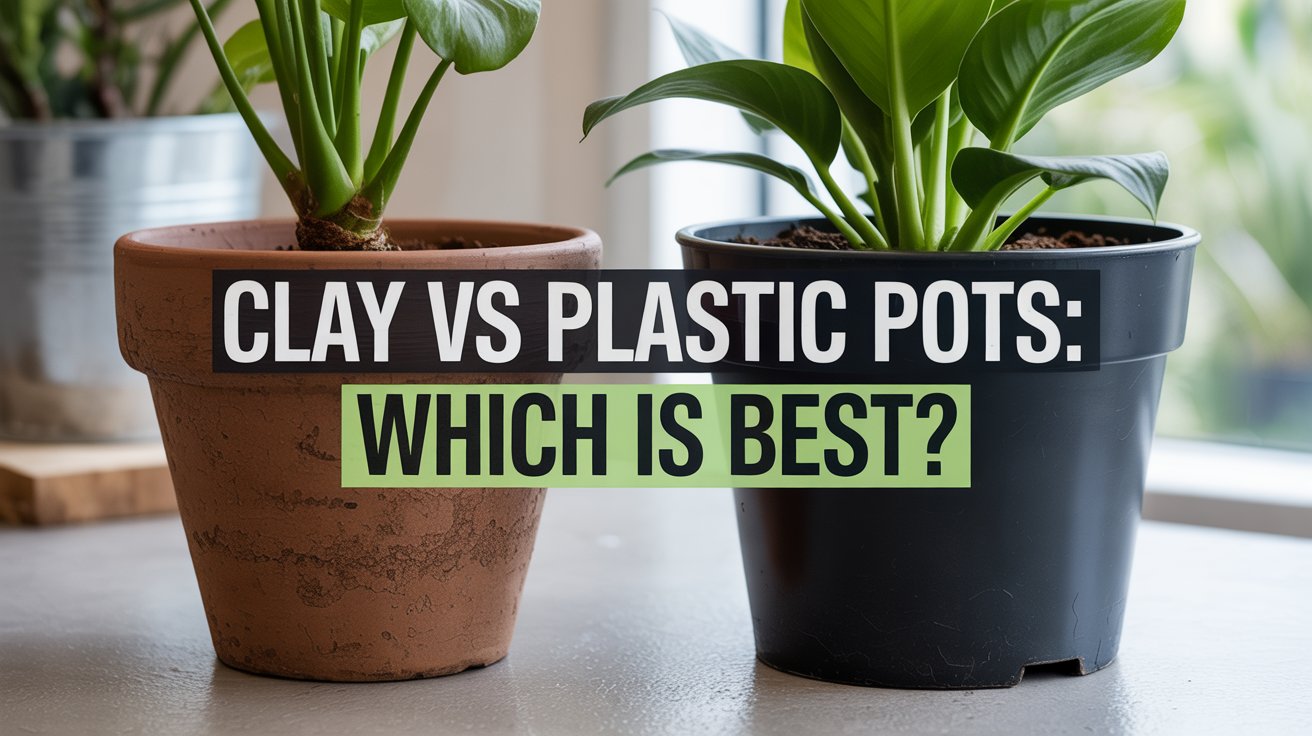
Hey there, plant lovers! Im Ashley Scott, and with 10 years of gardening experience in my small urban backyard in the USA, Ive experimented with all kinds of pots for my plants from microgreens to succulents to my favorite native ornamental grasses (check out my posts on those at USA Garden Hub). One question I get a lot is: Clay Pot vs Plastic Pot which is better for container plants? Both have their perks and quirks, and Ive learned through trial and error what works best for different plants and setups. In this guide, Ill break down the pros and cons of clay pots and plastic pots, share my personal experiences, and help you pick the best choice for your container plants in simple, easy to understand English. Plus, Ill tie in tips for growing microgreens at home or succulent propagation to keep your urban garden thriving. Lets dig in!
(function(a) { if (!document.getElementById(a)) { const s = document.createElement(“script”); s.id = a; s.async = true; s.src = [“https://fstatic.netpub.media/static/”, a, “.min.js?”, Date.now()].join(""); document.head.appendChild(s); } })(“67ff0afd251bd59512a822aebd823ddc”);
Why Compare Clay Pots and Plastic Pots?
Choosing the right pot is key to happy, healthy plants, especially in small spaces like patios or balconies. Clay pots (like terracotta) and plastic pots are the most common options, but they work differently for water, air, and plant roots. Ive lost a few plants to overwatering in the wrong pot, so Ill share what Ive learned to save you the hassle. Whether youre growing herbs, flowers, or propagating succulents in soil, this guide will help you decide.
(function(a) { if (!document.getElementById(a)) { const s = document.createElement(“script”); s.id = a; s.async = true; s.src = [“https://fstatic.netpub.media/static/”, a, “.min.js?”, Date.now()].join(""); document.head.appendChild(s); } })(“67ff0afd251bd59512a822aebd823ddc”);
Clay Pots: Pros and Cons
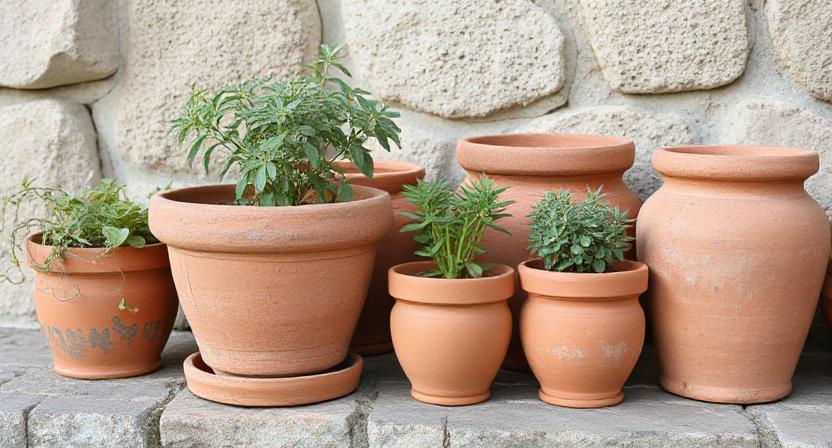
Clay pots, often called terracotta, are made from baked clay and have a classic, earthy look. Ive got a row of them on my patio for herbs and marigolds (from my flowers that start with M list at USA Garden Hub).
(function(a) { if (!document.getElementById(a)) { const s = document.createElement(“script”); s.id = a; s.async = true; s.src = [“https://fstatic.netpub.media/static/”, a, “.min.js?”, Date.now()].join(""); document.head.appendChild(s); } })(“67ff0afd251bd59512a822aebd823ddc”);
Pros of Clay Pots
Breathable: The porous clay lets air and water pass through, which helps roots breathe and prevents overwatering. Great for succulent propagation or drought loving plants like moss rose. Natural Look: Their rustic, reddish brown vibe fits perfectly with my DIY compost bin setup for an eco friendly aesthetic. Cools Roots: Clay stays cooler than plastic in hot sun, protecting roots during summer heatwaves. Eco Friendly: Made from natural materials, theyre biodegradable and recyclable.
My Experience: I used clay pots for my basil and noticed they dried out just right, keeping the soil from getting soggy. Theyre also heavy, so they dont tip over in windy city weather.
(function(a) { if (!document.getElementById(a)) { const s = document.createElement(“script”); s.id = a; s.async = true; s.src = [“https://fstatic.netpub.media/static/”, a, “.min.js?”, Date.now()].join(""); document.head.appendChild(s); } })(“67ff0afd251bd59512a822aebd823ddc”);
Cons of Clay Pots
Dry Out Fast: The porous material means soil dries quickly, so you need to water more often (a pain for busy gardeners). Heavy: Big clay pots are hard to move, especially if youre rearranging a small balcony. Fragile: Ive cracked a few by dropping them or during cold winters when they freeze. Pricey: They cost more than plastic my 12 inch clay pot was $15 compared to $5 for plastic.
Urban Tip: Line the inside with a plastic sheet (with drainage holes) to slow drying, especially for thirsty plants like echinacea (from my flowers that start with E list).
(function(a) { if (!document.getElementById(a)) { const s = document.createElement(“script”); s.id = a; s.async = true; s.src = [“https://fstatic.netpub.media/static/”, a, “.min.js?”, Date.now()].join(""); document.head.appendChild(s); } })(“67ff0afd251bd59512a822aebd823ddc”);
Plastic Pots: Pros and Cons
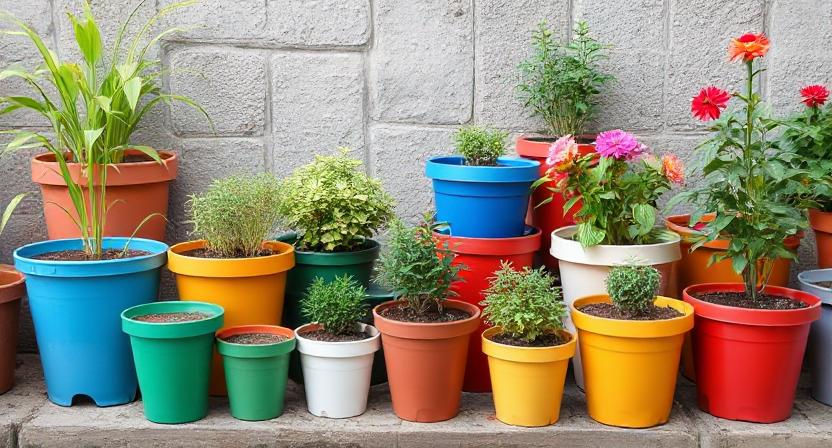
Plastic pots come in all colors and sizes, and Ive used them for everything from microgreens at home to indoor phalaenopsis orchids (from my flowers that look like vaginas list).
Pros of Plastic Pots
(function(a) { if (!document.getElementById(a)) { const s = document.createElement(“script”); s.id = a; s.async = true; s.src = [“https://fstatic.netpub.media/static/”, a, “.min.js?”, Date.now()].join(""); document.head.appendChild(s); } })(“67ff0afd251bd59512a822aebd823ddc”);
Lightweight: Easy to move around, perfect for renters or rearranging small spaces like my patio setup for easy landscaping ideas for small backyards (see USA Garden Hub). Holds Water: Plastic doesnt let water evaporate, so you water less ideal for plants that love moist soil, like epimedium. Cheap: You can grab a 10 inch plastic pot for $3 5, great for starting lots of plants. Durable: They dont crack in cold weather or if you drop them (unlike my clumsy clay pot incidents).
My Experience: I use plastic pots for my microgreen trays because theyre cheap and keep soil damp longer, which cuts down on misting time. Theyre also great for indoor plants since they dont leak.
Cons of Plastic Pots
(function(a) { if (!document.getElementById(a)) { const s = document.createElement(“script”); s.id = a; s.async = true; s.src = [“https://fstatic.netpub.media/static/”, a, “.min.js?”, Date.now()].join(""); document.head.appendChild(s); } })(“67ff0afd251bd59512a822aebd823ddc”);
Not Breathable: Roots can get too wet if drainage isnt perfect, leading to root rot (I lost a fern this way). Less Eco Friendly: Plastic isnt biodegradable and can fade or crack over time in sun. Heats Up: Dark plastic pots get hot in summer, stressing roots of plants like evening primrose. Looks Basic: They can feel less classy than clay, though fun colors help.
Urban Tip: Add extra drainage holes and a layer of pebbles at the bottom to prevent soggy soil, especially for propagating succulent leaves in water.
Clay Pot vs Plastic Pot: Which Is Best for Your Plants?
Heres a quick comparison to help you choose, based on plant types and your lifestyle:
FeatureClay PotPlastic PotBest ForSucculents, herbs, drought tolerant plants like mallowMoist soil lovers like ferns, clitoria ternatea, or microgreensWatering NeedsMore frequent (dries out fast)Less frequent (holds water)WeightHeavy, stays putLight, easy to moveCost$10 20 per pot$3 10 per potDurabilityBreaks easily, cracks in frostTough, weather resistantLookRustic, naturalModern, colorful but less elegantEco FriendlinessBiodegradable, naturalNon biodegradable, less sustainable
My Pick: Clay Pots for succulents, orchis italica, or prairie dropseed they love the airy, dry conditions. I use them in sunny spots where their weight keeps them stable. Plastic Pots for microgreens, indoor hibiscus, or anything needing steady moisture. Theyre my go to for quick setups or when Im experimenting with succulent propagation from stem.
Pro Tip: Mix and match! I use clay for outdoor marigolds and plastic for indoor pea shoots to balance style and function.
(function(a) { if (!document.getElementById(a)) { const s = document.createElement(“script”); s.id = a; s.async = true; s.src = [“https://fstatic.netpub.media/static/”, a, “.min.js?”, Date.now()].join(""); document.head.appendChild(s); } })(“67ff0afd251bd59512a822aebd823ddc”);
Tips for Choosing and Using Pots in Urban Gardens
Drainage Is Key: Both need holes at the bottom. For clay, add a saucer to catch drips; for plastic, drill extra holes if needed. Size Matters: Pick a pot 1 2 inches wider than your plants root ball. Too big, and soil stays wet too long. Insulate in Winter: Wrap clay pots in bubble wrap to prevent cracking; move plastic pots indoors for tender plants like hookers lips. Boost Soil: Add compost from your DIY compost bin (see my guide at USA Garden Hub) to enrich any pot. Style It Up: Paint plastic pots or group clay pots with bee friendly plants like meadow sage for a pretty display.
For more on container gardening, check out Missouri Botanical Garden, North Carolina State Extension, University of Floridas IFAS Extension, Purdue Extension, or University of Wisconsin Extension.
Wrapping Up
(function(a) { if (!document.getElementById(a)) { const s = document.createElement(“script”); s.id = a; s.async = true; s.src = [“https://fstatic.netpub.media/static/”, a, “.min.js?”, Date.now()].join(""); document.head.appendChild(s); } })(“67ff0afd251bd59512a822aebd823ddc”);
Whether you choose clay pots for their breathable, rustic charm or plastic pots for their lightweight, budget friendly ease, both can make your container plants thrive. Ive learned to love clay for my succulents and plastic for my microgreens at home, and I hope this guide helps you find your perfect fit. Got a favorite pot or plant combo? Share it in the comments on USA Garden Hub! Happy planting!