Coneflowers: Your Ultimate Guide to Growing These Colorful Garden Stars
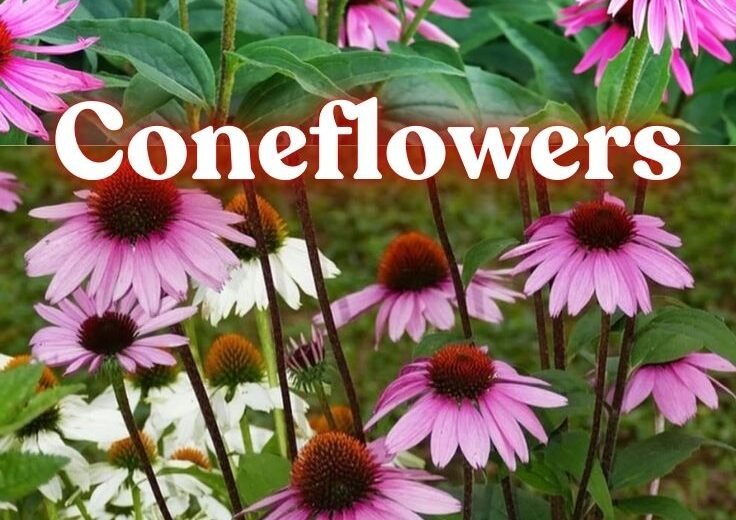
Post Views: 196 Discover everything about coneflowers! From planting seeds to preventing diseases, learn how to grow vibrant coneflowers with 10 years of expert gardening advice. Hi there! I’m Ashley Scott, a gardener with over a decade of experience, and today I’m sharing my love for coneflowers—one of the most resilient and beautiful perennials you can add to your garden. Whether you’re new to gardening or a seasoned pro, this guide will answer all your questions about coneflower care, varieties, and even their surprising uses (like coneflower ice cream!). Let’s dig in! Here’s an easy and verified chart for Coneflowers: Category Details Botanical Name Echinacea spp. Common Name Coneflower Plant Type Herbaceous perennial Hardiness Zone Zones 3-9 (depending on species) Sun Exposure Full sun to part shade Soil Type Well-draining, fertile soil Watering Needs Average; drought tolerant once established Growth Habit Upright, clump-forming Height/Spread 1-4 feet tall, spread of 1-2 feet Special Features Showy daisy-like flowers with prominent cone-shaped centers; blooms in summer to fall; attracts pollinators, especially butterflies; deer resistant What Are Coneflowers? Coneflowers (Echinacea and Rudbeckia species) are native North American wildflowers known for their daisy-like blooms and prominent cone-shaped centers. They’re drought-tolerant, attract pollinators, and come in a rainbow of coneflower colors—purple, yellow, orange, pink, and even green! I’ve grown dozens of varieties over the years, but my favorite is the Cheyenne Spirit coneflower, which bursts with warm hues like red, orange, and gold. If you’re looking for something unique, try the cutleaf coneflower (Rudbeckia laciniata) with its fern-like leaves or the delicate pale purple coneflower (Echinacea pallida). How to Grow Coneflowers from Seeds Starting coneflower seeds is simple and rewarding. Here’s how I do it: Pro tip: If you’re impatient, buy purple coneflower seeds or yellow coneflower starts from your local nursery. They’ll bloom faster! Coneflower Care: Keeping Your Plants Thriving Soil & Watering Coneflowers aren’t picky, but they hate soggy roots. I grow mine in average garden soil with a bit of compost. Water deeply once a week—less once established. Height & Size Most coneflower varieties reach 2–4 feet in height, but compact types like Coneflower Cheyenne Spirit stay under 2 feet. Give them space—their coneflower size can spread up to 18 inches wide! Pruning & Deadheading Deadhead spent blooms to encourage more flowers. In fall, leave the seed heads for birds (they love them!) or collect coneflower seeds for next year. Do Coneflowers Spread? (And How to Manage Them) Yes, coneflowers spread! They self-seed gently and form clumps over time. To control them: Fun fact: My prairie coneflowers once spread into a neighbor’s yard—luckily, they loved the surprise! Common Coneflower Diseases and Fixes Even tough plants face issues. Watch for: I avoid overhead watering to keep foliage dry and disease-free. Beyond the Garden: Surprising Uses for Coneflowers Immune-Boosting Supplements Echinacea (purple coneflower) is famous in coneflower immune supplements. I dry the roots and petals to make coneflower powder for teas—perfect for cold season! Coneflower Ice Cream? Yes! Visit Coneflower Creamery (a real ice cream shop in Omaha!) for unique flavors infused with edible blooms. Or try adding petals to homemade vanilla ice cream—it’s a hit at summer parties! Top Coneflower Varieties to Try Check out my guide to perennials for more ideas! FAQs About Coneflowers Q: Are coneflowers perennials?A: Yes! Most are coneflower perennials that return yearly. Q: Do deer eat coneflowers?A: Rarely—their rough leaves deter deer. Q: How long do coneflowers bloom?A: From early summer to fall, especially if deadheaded. Final Thoughts Coneflowers are a must-have for low-maintenance, high-impact gardens. Whether you’re planting grey-headed coneflower for wildlife or Cheyenne Spirit for a color explosion, these beauties won’t disappoint. Got questions? Drop them below, or explore my tips for drought-tolerant gardening. Happy gardening!
