
Learn how to care for Confederate Jasmine. This guide covers planting, watering, pruning, and troubleshooting for this fragrant climbing vine.
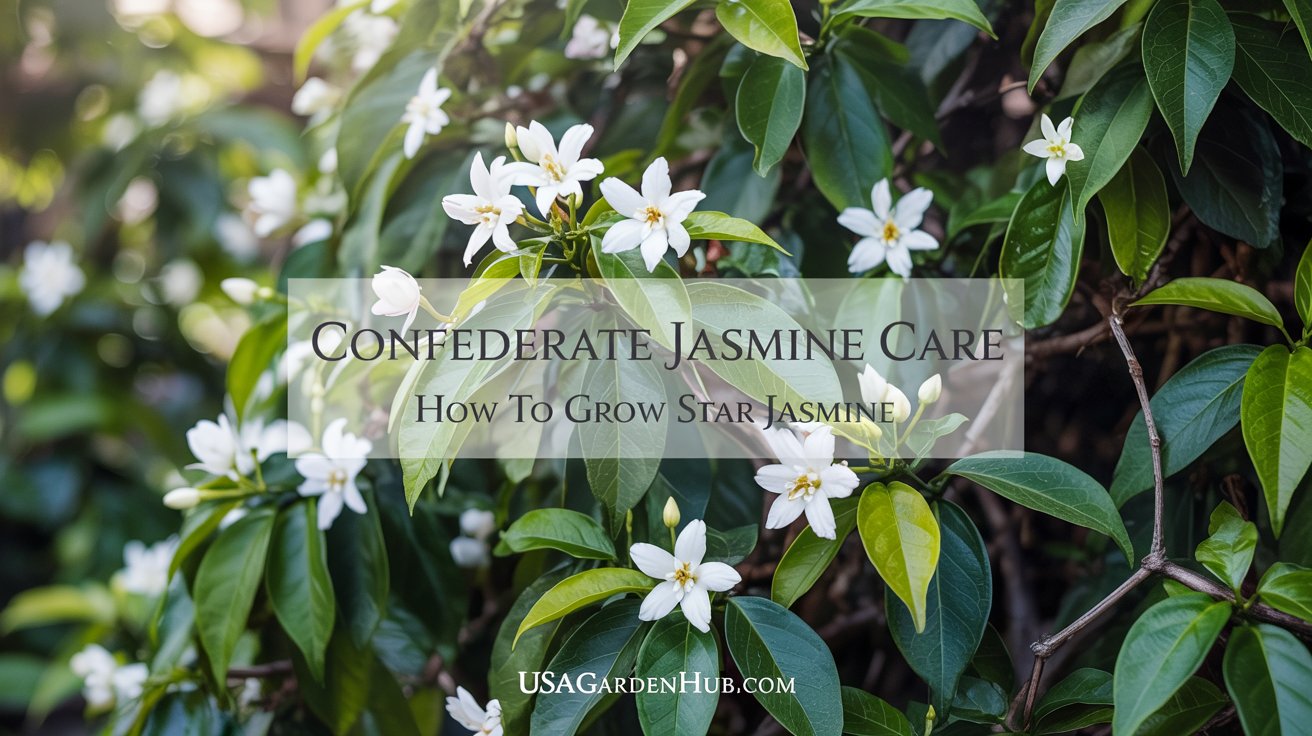
I first fell in love with Confederate Jasmine when I visited a historic garden where its sweet fragrance filled the entire courtyard. The vine had completely covered a stone wall with its glossy green leaves and delicate white flowers. I planted one by my own garden gate the following season, and it’s been one of my most rewarding climbing plants ever since.
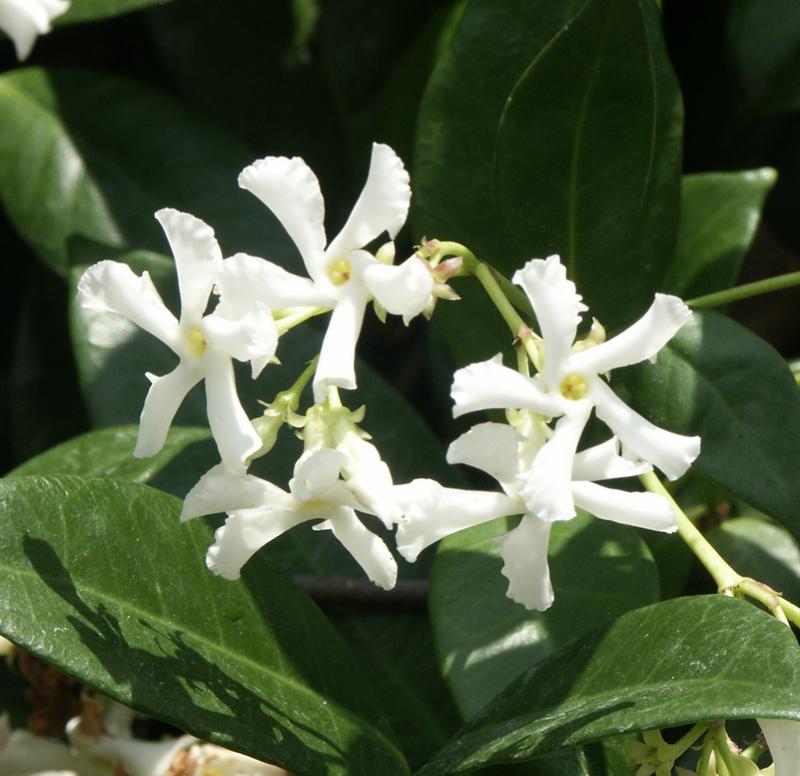
Confederate Jasmine (Trachelospermum jasminoides), also known as Star Jasmine, is a versatile evergreen vine prized for its intensely fragrant white flowers that bloom in spring and summer. Despite its common name, it’s not a true jasmine but offers similar beauty and scent with better cold hardiness.
Why Grow Confederate Jasmine?
You should grow this vine for three main reasons. The fragrance is incredible—sweet and floral, it can perfume your entire garden in the evening. It’s versatile as both a climbing vine and ground cover. Once established, it’s quite drought-tolerant and relatively pest-free, making it a low-maintenance choice for southern gardens.
Confederate Jasmine at a Glance
FeatureDescriptionCommon NameConfederate Jasmine, Star JasmineBotanical NameTrachelospermum jasminoidesPlant TypeEvergreen flowering vineMature Size12-20 ft. long, 3-6 ft. wideSun ExposureFull sun to partial shadeSoil TypeWell-draining, fertile; adaptable to various soilsBloom TimeLate spring to summerFlower ColorWhiteHardiness ZonesUSDA 8-10ToxicityToxic to humans and pets if ingested
Detailed Care Instructions
Getting the basics right will ensure your jasmine thrives and fills your garden with fragrance.
Light Requirements
For the best flowering, plant your Confederate Jasmine in full sun to partial shade. It needs at least 4-6 hours of direct sunlight daily to produce abundant blooms. In hotter climates, some afternoon shade can prevent leaf scorch.
Soil and Planting
This vine adapts to most soil types but requires good drainage. It grows best in moderately fertile, moist but well-drained soil. When planting, dig a hole twice as wide as the root ball but no deeper. Space plants 4-6 feet apart if using as ground cover.
Watering
Water newly planted vines regularly for the first growing season to establish a deep root system. Once established, Confederate Jasmine shows good drought tolerance but will appreciate watering during extended dry periods. Container-grown plants need more frequent watering.
Fertilizing
Feed in early spring with a balanced, slow-release fertilizer. Alternatively, use a fertilizer higher in phosphorus (the middle number) to promote blooming. Avoid high-nitrogen fertilizers that can encourage leaf growth at the expense of flowers.
Pruning and Training
Prune after flowering to control size and shape. You can cut back vigorous shoots by one-third to maintain a compact form. When training on a support, loosely tie young vines until their twining habit takes over. The vine supports itself through twining but may need initial guidance.
How to Propagate Confederate Jasmine
The easiest way to propagate is through semi-hardwood cuttings.
- Take Cuttings: In summer, take 4-6 inch cuttings from healthy, current season’s growth.
- Prepare Cuttings: Remove the leaves from the lower half of the cutting. Dip the cut end in rooting hormone powder.
- Plant: Insert cuttings into a pot filled with a well-draining medium like perlite or a sand/peat mix.
- Rooting Care: Keep the medium moist and place the pot in bright, indirect light. Roots should develop in 6-8 weeks.
Common Problems and Solutions
While generally trouble-free, you might encounter a few issues.
- Yellowing Leaves: This can indicate overwatering or poor drainage. Check that soil drains well and adjust your watering schedule.
- Poor Flowering: Usually caused by insufficient sunlight. Move to a sunnier location or prune surrounding plants to allow more light.
- Leaf Scorch: Brown, crispy leaf margins in hot climates may indicate too much intense afternoon sun. Provide some afternoon shade.
- Pests: Watch for aphids, scale insects, and mealybugs. Treat with horticultural oil or insecticidal soap. Spider mites can be an issue in dry conditions—increase humidity by occasional misting.
According to the North Carolina State Extension, this vine is generally pest-resistant but can occasionally be affected by these issues.
Landscape Uses
This versatile vine works well in many situations. Train it on trellises, arbors, or fences for vertical interest. Use it as a fragrant ground cover on slopes or difficult areas. Let it cascade over retaining walls for a soft, natural look. Grow it in containers with support where you can enjoy the fragrance up close.
Winter Care in Cooler Zones
In zones 7-8, Confederate Jasmine may experience some winter damage. Plant in a protected location away from harsh winds. Mulch heavily around the base in fall to protect roots. The vine typically recovers well in spring even if some foliage is damaged.
A Final Tip for Success
The key to success with Confederate Jasmine is simple: provide good drainage, adequate sunlight for flowering, and proper support for climbing. Be patient during establishment—the first year it sleeps, the second year it creeps, the third year it leaps!
For more ideas on fragrant climbing plants, explore our guide to climbing vines. Have you grown Confederate Jasmine in your garden? Share your experience in the comments below.