
Discover how to grow and care for Cotinus, the stunning smoke bush. This guide covers planting, pruning, varieties, and troubleshooting for this versatile garden shrub.

I’ll never forget the first time I saw a Cotinus, or smoke bush, in full glory. A neighbor’s garden featured a ‘Royal Purple’ variety, its deep burgundy leaves seeming to catch the light like velvet, topped with a haze of pinkish blooms that looked like a cloud of smoke. It was a showstopper. I planted my own soon after and discovered that its dramatic beauty is matched by its surprisingly easy-going nature.
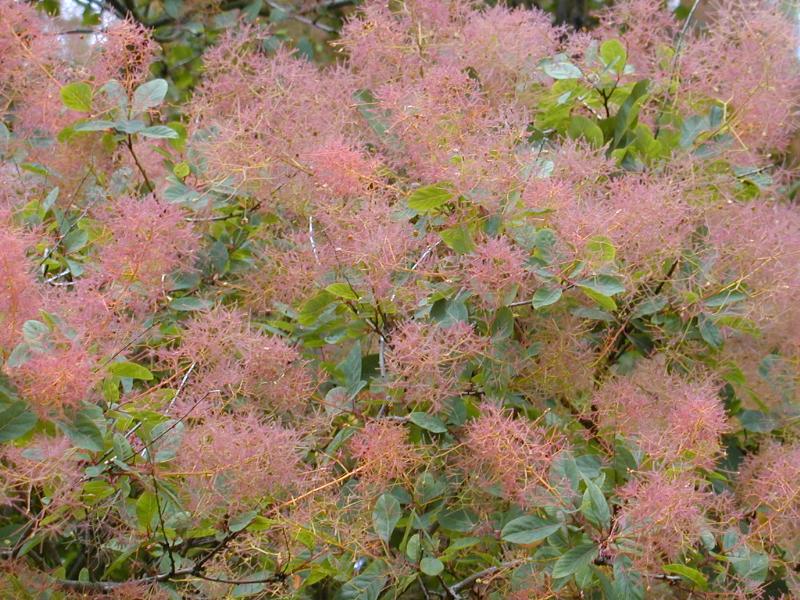
Cotinus is a deciduous shrub or small tree prized for its distinctive, smoke-like flower plumes and often vibrant foliage. It provides multi-season interest, making it a fantastic focal point in any garden. Whether you’re drawn to its unique texture, its stunning fall color, or its low-maintenance requirements, this plant is a rewarding choice for gardeners of all levels.
Cotinus at a Glance
Before diving into the details, here is a quick overview of the smoke bush’s key characteristics and needs .
FeatureDescriptionCommon Name(s)Smoke Bush, Smoketree, Smoke TreeBotanical NameCotinus coggygria (Common), Cotinus obovatus (American)Plant TypeDeciduous shrub or small treeMature Size10-15 ft. tall and wide (size varies by cultivar)Sun ExposureFull sunSoil TypeAdaptable; prefers well-drained soilSoil pHTolerant of a wide range, from acidic to alkalineBloom TimeMid-summerFlower ColorPink, smoky grayHardiness ZonesUSDA 4-8ToxicitySap may cause contact dermatitis, similar to poison ivy
Why Grow a Smoke Bush?
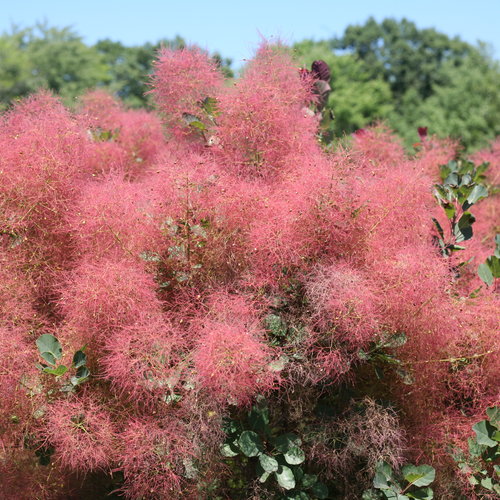
You should grow a Cotinus for its spectacular, airy flower panicles that create a “smoky” effect around the plant in summer. Its foliage offers incredible color, with varieties ranging from brilliant green to deep purple, often with stunning red, orange, or yellow fall color. Once established, it is remarkably drought-tolerant and adaptable, thriving with minimal care. The Lady Bird Johnson Wildflower Center provides excellent guidance on native and adaptable plants for sustainable gardens.
Popular Cotinus Varieties
Choosing the right cultivar lets you select for specific color, size, and habit.
Royal Purple:
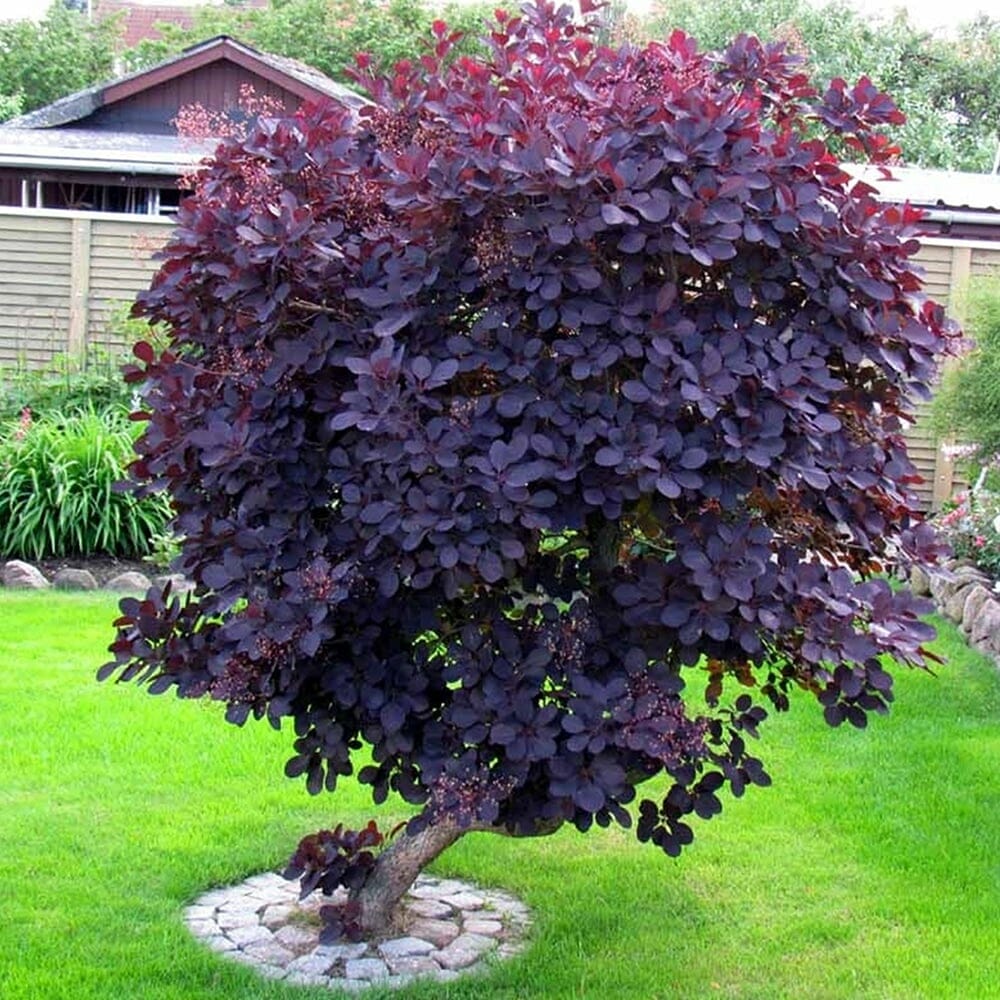
Perhaps the most popular purple-leafed form, known for its deep wine-colored leaves that turn scarlet in fall .
Golden Spirit (‘Ancot’):
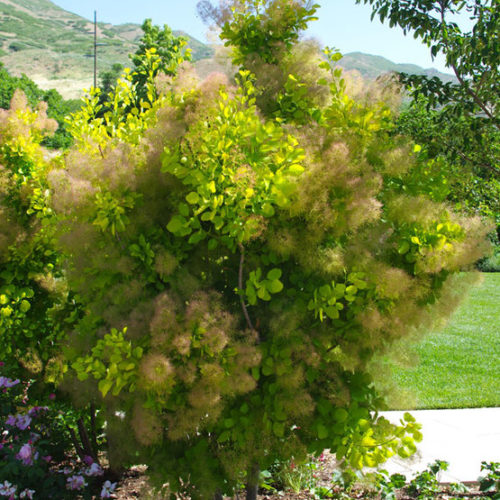
A striking variety with chartreuse to golden yellow foliage that provides a bright pop of color in the landscape .
Grace:
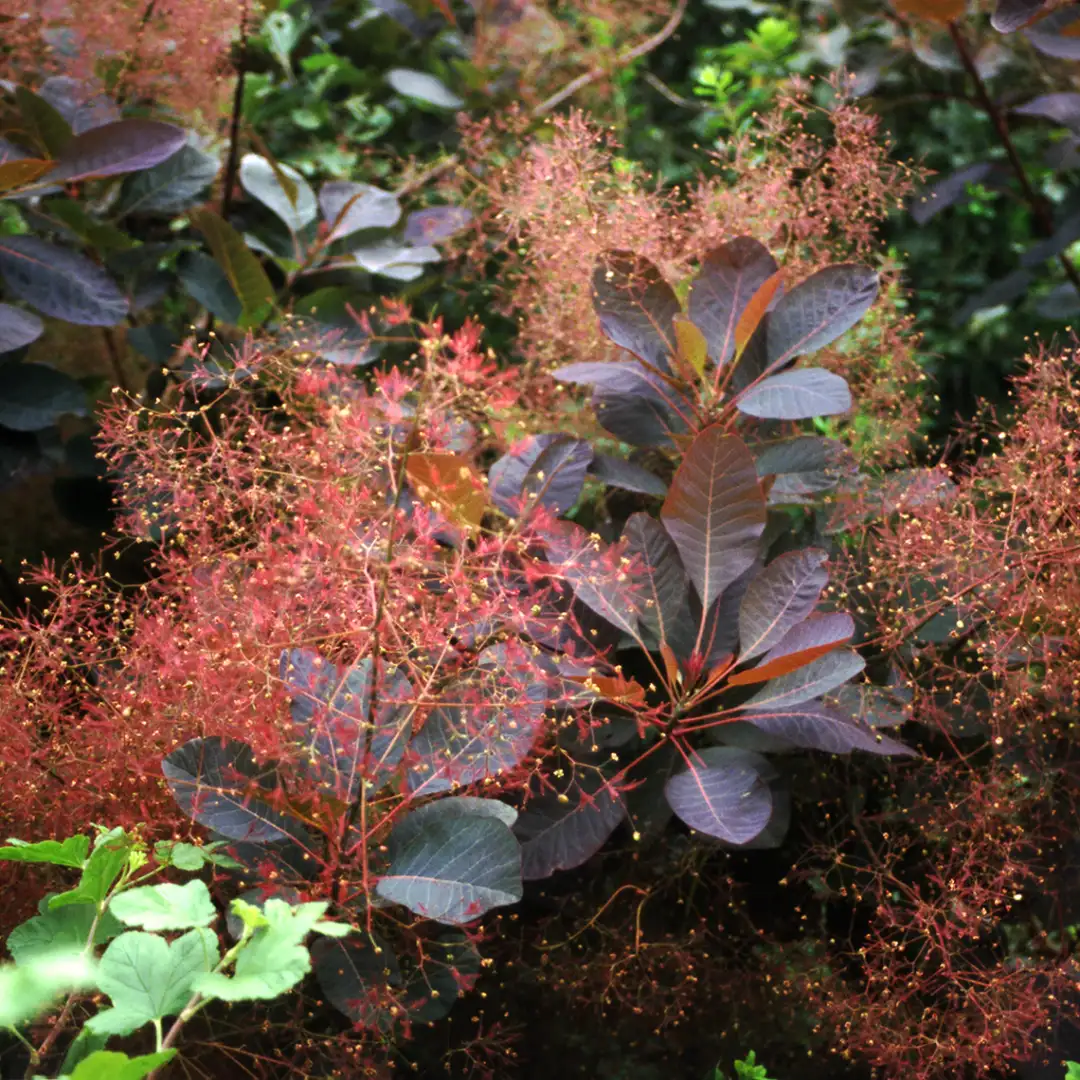
A hybrid with large, plum-purple leaves and brilliant orange-red fall color.
Pink Champagne:
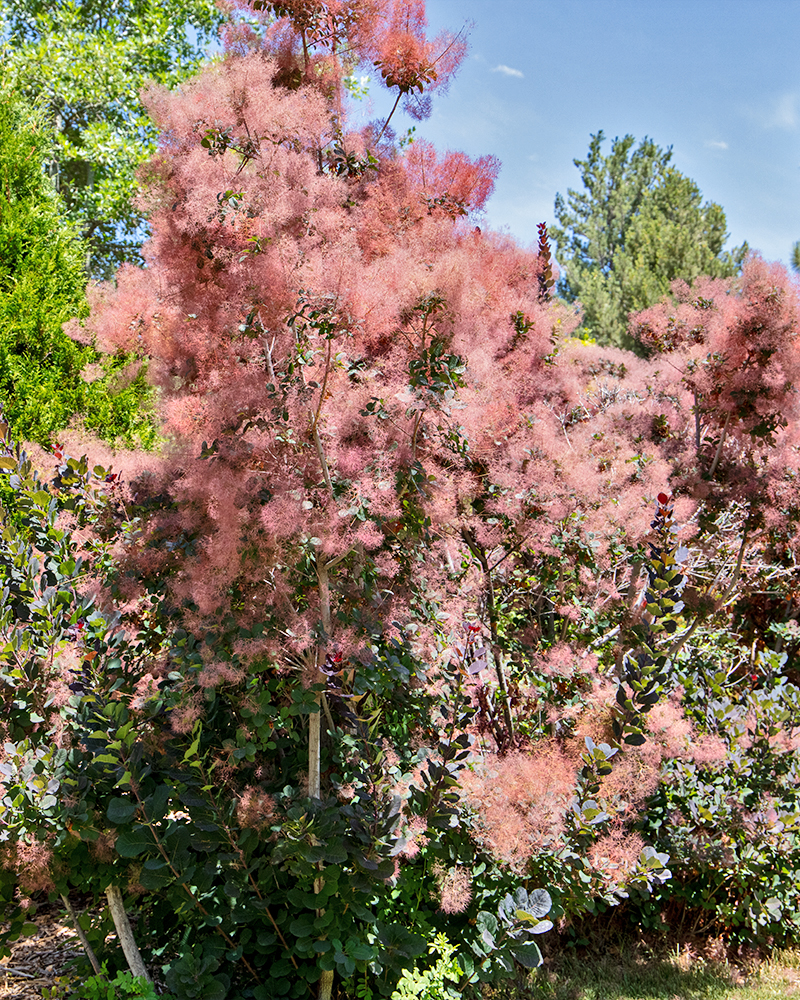
Features blue-green leaves with pink margins and rich pink flower plumes .
How to Plant Your Smoke Bush
Giving your plant a good start is the key to long-term success.
Choosing a Location and Planting Time
Select a site with full sun (at least six hours of direct sunlight daily). This is essential for the best leaf color and flower production. Purple-leaved varieties planted in shade may revert to green . The best time to plant is in the spring after the danger of frost has passed, which gives the shrub a full growing season to establish its roots.
Soil Preparation
Cotinus is highly adaptable to a wide range of soils, including poor, rocky, or clay soils . However, the one thing it will not tolerate is soggy roots. Well-draining soil is non-negotiable. If your soil is heavy clay, amend it with compost or plant in a raised bed to improve drainage. The University of Maryland Extension offers valuable advice on improving garden soil.
Planting Steps
- Dig a hole twice as wide as the root ball but no deeper.
- Gently remove the plant from its container and loosen the roots if they are pot-bound.
- Place the plant in the hole, ensuring the top of the root ball is level with or slightly above the surrounding soil.
- Backfill with the native soil, gently firming it to remove air pockets.
- Water deeply to settle the soil around the roots.
- Apply a 2-3 inch layer of mulch around the base to retain moisture and suppress weeds, keeping it a few inches away from the main stem.
Caring for Your Cotinus
Once established, smoke bush is a wonderfully low-fuss plant.
Watering
Water newly planted shrubs regularly for the first growing season to help them establish a strong root system. Once established, Cotinus is very drought-tolerant and will only need supplemental watering during prolonged dry spells .
Fertilizing
Smoke bushes generally do not require much fertilizer. In fact, too much fertilizer can lead to weak growth and reduced flowering. An application of a balanced, slow-release fertilizer or a top-dressing of compost in early spring is usually sufficient. For specific fertilizer recommendations, your local Cooperative Extension Service is an invaluable resource.
The Art of Pruning: Two Approaches
Pruning is the most important decision you’ll make and depends on your desired outcome.
- For a Large Shrub and Flowers: If you want the classic, smoky pink plumes, you should prune minimally. Flowers bloom on the previous year’s growth (“old wood”). Simply remove dead, damaged, or crossing branches in late winter or early spring. This approach will result in a larger, natural-looking shrub, but with abundant flowers .
- For Superior Foliage and a Compact Shape: For a dramatic display of larger, more vibrant leaves, you can prune the stems back hard to about 6 to 8 inches from the ground in late winter. This “coppicing” sacrifices the flowers for that year but results in a denser, more compact shrub with spectacular, juvenile leaves .
Common Problems and Solutions
Cotinus is typically trouble-free, but be aware of a few potential issues.
- Verticillium Wilt: This soil-borne fungal disease is the most significant threat, causing branches to wilt and die. It’s challenging to treat; ensure good drainage and remove severely affected plants -3. The UC IPM Program provides excellent management guidelines.
- Leaf Spot and Rust: These fungal issues can occur but are rarely serious. Ensure good air circulation and avoid overhead watering to help prevent them -3.
- Leaf Scorch: In hot, dry, windy conditions, leaf margins may turn brown. Provide a deep watering during extended droughts.
- Lack of Flowers: This is usually due to heavy pruning at the wrong time (which removes flower buds) or insufficient sunlight.
Landscape Uses for Smoke Bush
This versatile shrub works beautifully in many settings. Use it as a dramatic specimen where its form and color can be fully appreciated. It works well in mixed shrub borders, providing a striking contrast to green or gold-foliaged plants. Larger varieties can be trained as a small, multi-trunked flowering tree. It can also be used to create an informal screen when planted in a row.
A Final Tip for Success
The key to a beautiful, healthy Cotinus is simple: provide full sun and well-drained soil. Your biggest decision will be how to prune it, so choose based on whether you value the ethereal flowers or the spectacular foliage more. Once you’ve made that choice, you can sit back and enjoy one of the most uniquely beautiful and resilient plants in the garden.
For more information on selecting plants for your specific region, explore the USDA Plants Database. If you’re interested in propagating your own plants, our guide to plant propagation can help you get started. Also read our aricle 20 Beautiful Pink Flower Bushes to Brighten Your Garden.
Have you grown a smoke bush before? What has your experience been? Share your tips and questions in the comments below