Cotoneaster Shrub: A Gardener’s Guide to Growing and Thriving
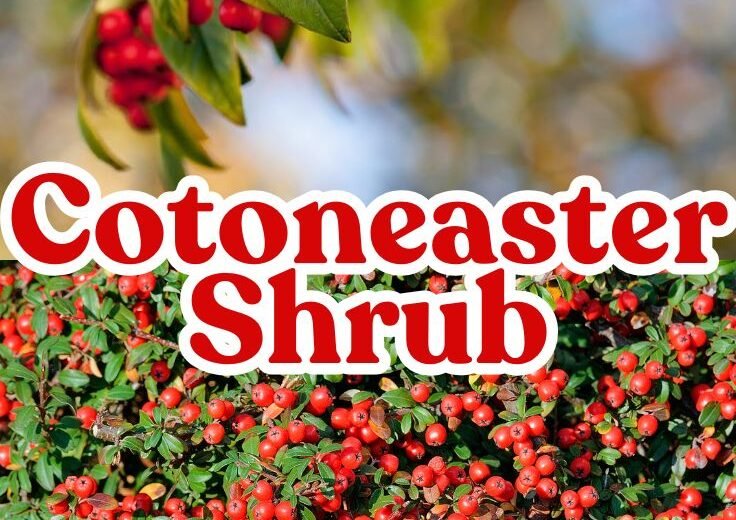
Post Views: 187 Discover everything about cotoneaster shrubs! Learn popular varieties, pruning techniques, and how to solve common issues. Perfect for USA gardeners. Written by expert Ashley Scott with 10+ years of experience. Hi, I’m Ashley Scott, a gardener with over a decade of experience, and today I’m sharing my deep dive into the versatile cotoneaster shrub. Whether you’re looking for a hardy hedge, a ground cover, or a decorative focal point, this plant has something for everyone. Let’s explore its varieties, care tips, and how to tackle common problems—straight from my garden to yours. What Is a Cotoneaster Shrub? The cotoneaster shrub (scientific name: Cotoneaster) is a member of the rose family, known for its arching branches, glossy leaves, and vibrant berries. Native to parts of Europe, Asia, and North Africa, these shrubs thrive in USDA zones 4–7, making them ideal for many U.S. climates. Fun fact: The common name “cotoneaster” comes from the Latin cotoneum (quince) and -aster (resembling), referencing its quince-like leaves. Popular Cotoneaster Varieties for Your Garden Over the years, I’ve experimented with dozens of cotoneaster shrub varieties. Here are my top picks: For more inspiration, check out my guide to evergreen shrubs on USA Garden Hub. Cotoneaster Shrub Size: How Big Do They Get? Cotoneaster shrub height varies widely: Always check the mature size before planting! I once made the mistake of placing a Cotoneaster cornubia too close to a fence—it quickly outgrew the space. Planting and Care Guide Soil & Sunlight Cotoneasters aren’t picky. They tolerate poor soil but prefer well-draining spots. Full sun to partial shade works best. Watering Drought-tolerant once established. Water weekly in the first year, then reduce. Overwatering? That’s how I lost my first Cotoneaster dammeri to root rot. Feeding A light application of balanced fertilizer in spring does wonders. For more tips, explore my soil preparation guide. How to Prune a Cotoneaster Shrub Pruning keeps these shrubs shapely and healthy. Here’s my method: Avoid heavy pruning—cotoneasters bloom on old wood. Common Cotoneaster Shrub Problems Even tough plants face issues. Here’s what to watch for: The Royal Horticultural Society offers excellent disease management resources. Are Cotoneaster Berries Edible? Short answer: No. While birds love them, cotoneaster berries are toxic to humans and pets. I always warn clients with curious kids or dogs to plant these away from play areas. For safe edible plants, see the ASPCA’s guide. Landscaping with Cotoneaster From hedges to slopes, cotoneasters shine: Where to Buy Cotoneaster Shrubs I recommend local nurseries for healthy starts. Online, Nature Hills Nursery and Fast Growing Trees are reliable. For more options, see my guide to buying shrubs. Final Thoughts The cotoneaster shrub is a resilient, multi-season star. Whether you’re a novice or a pro, it’s a rewarding addition to any garden. Got questions? Drop me a comment on USA Garden Hub! Happy gardening,Ashley
