Do Scarecrows Work? The Science Behind This Age-Old Garden Guardian
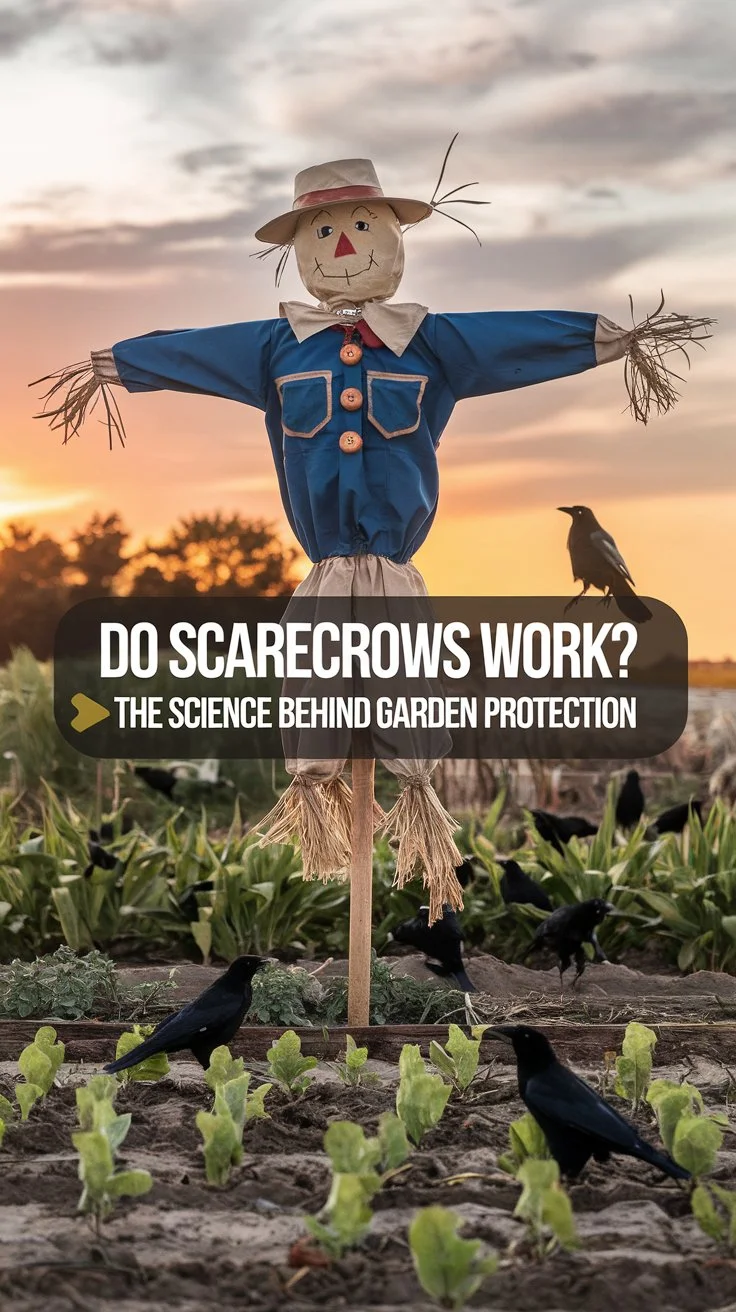
Post Views: 208 Discover if Scarecrows work really for protecting crops in 2024. Learn about traditional and modern scarecrow effectiveness, best practices, and innovative alternatives for crop protection. Scarecrows have been used for centuries as bird deterrents in agriculture, but their effectiveness varies significantly based on implementation and environmental factors. While traditional scarecrows may provide short-term success, birds often become accustomed to static deterrents. Modern adaptations and proper deployment strategies can significantly improve their effectiveness as part of an integrated pest management approach. Hello, I’m Ashley Scott, an agricultural pest management specialist with 15 years of experience in crop protection. Today, I’ll explore the science behind scarecrows and their effectiveness in modern agriculture and gardening. Understanding Scarecrows Historical Context How Scarecrows Work Scientific Evidence: Do Scarecrows Actually Work? Short-term Effectiveness Long-term Results Factors Affecting Scarecrow Effectiveness Design Elements Placement Strategies Modern Innovations in Scarecrow Technology Electronic Scarecrows Smart Scarecrows Best Practices for Scarecrow Usage Traditional Scarecrow Setup Enhanced Effectiveness Techniques Alternative and Complementary Methods Physical Deterrents Natural Solutions Cost-Benefit Analysis Traditional Scarecrows Modern Solutions Environmental Impact Eco-Friendly Benefits Considerations Case Studies Commercial Farming Home Gardens Troubleshooting Common Issues Ineffective Deterrence Seasonal Considerations Spring/Summer Fall/Winter Future of Scarecrow Technology Emerging Trends While traditional scarecrows can be effective as part of a comprehensive pest management strategy, their success depends heavily on proper implementation and regular maintenance. Modern innovations have significantly improved their effectiveness, but the best results come from combining multiple approaches and staying adaptable to changing conditions. FAQs For more gardening tips and plant care guides, visit usagardenhub.com
