Dogwood Flowers : A Symbol of American Spring
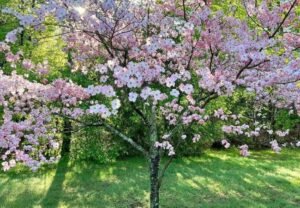
Post Views: 209 Discover the beauty of Dogwood Flowers and learn how to grow them in your garden. This guide covers planting, care and problem-solving tips for these iconic American spring flowers. Dogwood Flowers are a beloved sight in many parts of the USA. Their beautiful flowers brighten up our landscapes every spring. Let’s explore these special trees and learn how to grow them in our own yards. Here’s the information about Dogwood Trees in a chart format: Aspect Details Botanical Name Cornus spp. Common Name Dogwood Plant Zone USDA zones 3-8 (varies by species) Sun Exposure Full sun to part shade Soil Type Well-drained, fertile, slightly acidic soil Watering Needs Moderate Growth Habit Deciduous tree or shrub Height/Spread Height: 15-30 feet Spread: 15-30 feet Special Features Attractive flowers, colorful fall foliage, red or yellow winter stems, wildlife attraction What are Dogwood Flowers? Dogwood Flower are small to medium-sized trees that are famous for their pretty flowers. These flowers, which can be white or pink, appear in spring before the leaves grow. Dogwoods are native to North America and are even the state tree of Virginia and Missouri. For more information about dogwood species, check out the U.S. Forest Service’s fact sheet. Why Plant Dogwood Flower? How to Plant a Dogwood Flower When to Plant The best time to plant dogwood Flowers is in the spring or fall. To find out the best planting time in your area, use the USDA Plant Hardiness Zone Map. Where to Plant Dogwoods like partial shade. A spot that gets morning sun and afternoon shade is perfect. Soil These Flower prefer well-drained, slightly acidic soil. Learn more about soil types from the USDA Natural Resources Conservation Service. Planting Steps Caring for Your Dogwood Tree Water Water your young dogwood regularly for the first two years. After that, water during dry spells. Fertilizer Feed your dogwood with a balanced, slow-release fertilizer in spring. The Clemson Cooperative Extension offers advice on fertilizing dogwoods. Pruning Prune your dogwood in late winter to remove dead or crossing branches. Mulching Apply a 2-3 inch layer of mulch around the base of the tree, but keep it away from the trunk. Common Problems and Solutions Different Types of Dogwoods For more information on dogwood varieties, visit the Missouri Botanical Garden’s plant finder. Interesting Facts About Dogwoods Dogwood Flowers are a great addition to any yard. They’re beautiful, attract wildlife and are part of our American heritage. With a little care, you can enjoy these lovely trees in your own garden for many years. For more gardening tips and tree care advice, visit the National Gardening Association, a non-profit educational website. For more gardening tips and plant care guides, visit usagardenhub.com.
