
Discover how to grow dwarf camellia bushes in your garden. This guide covers planting, care, varieties, and troubleshooting for these compact evergreen shrubs with stunning blooms.
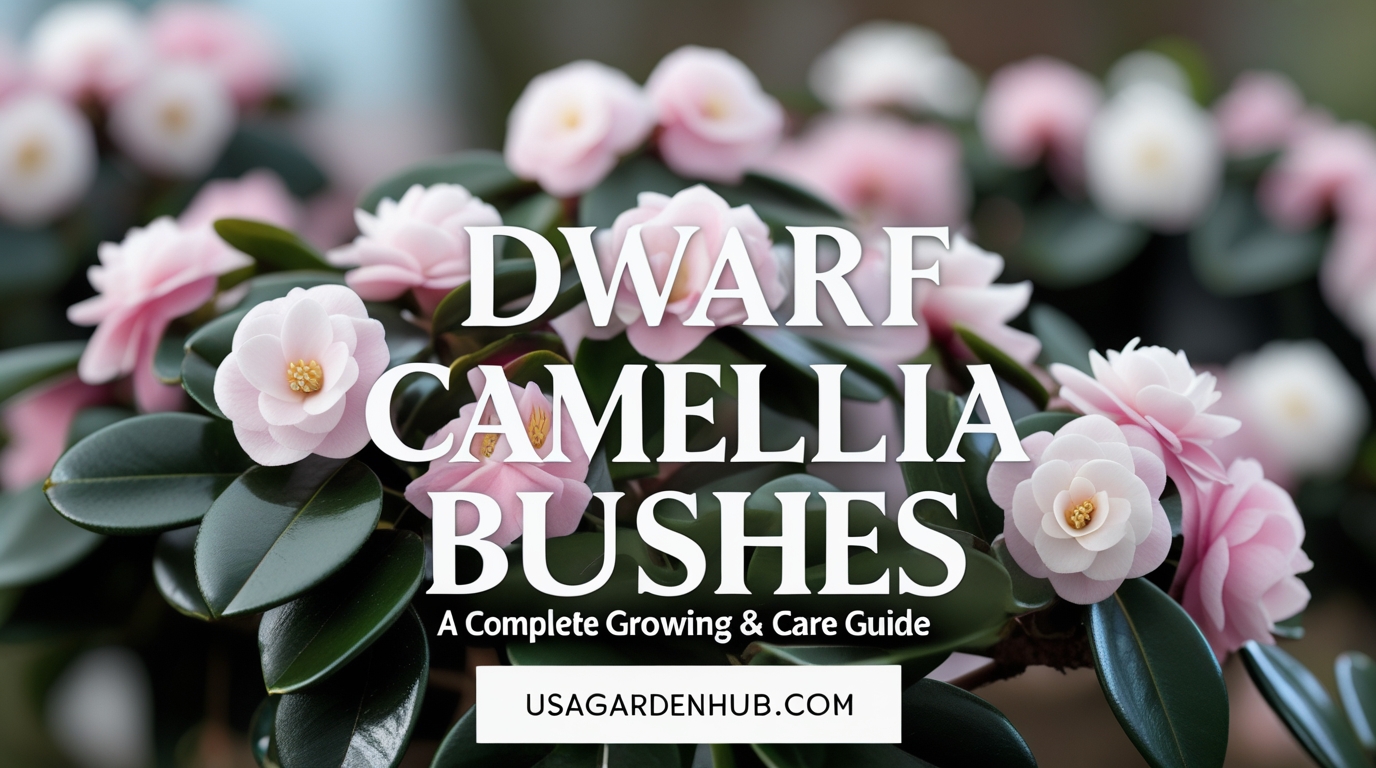
I’ll never forget the first time I saw a dwarf camellia in full bloom at a botanical garden. While the standard-sized camellias formed a tall backdrop, this compact shrub stood at the front of the border, covered in perfect pink blossoms that seemed almost too large for its small frame. I knew immediately I had to make space for these elegant but manageable shrubs in my own garden.
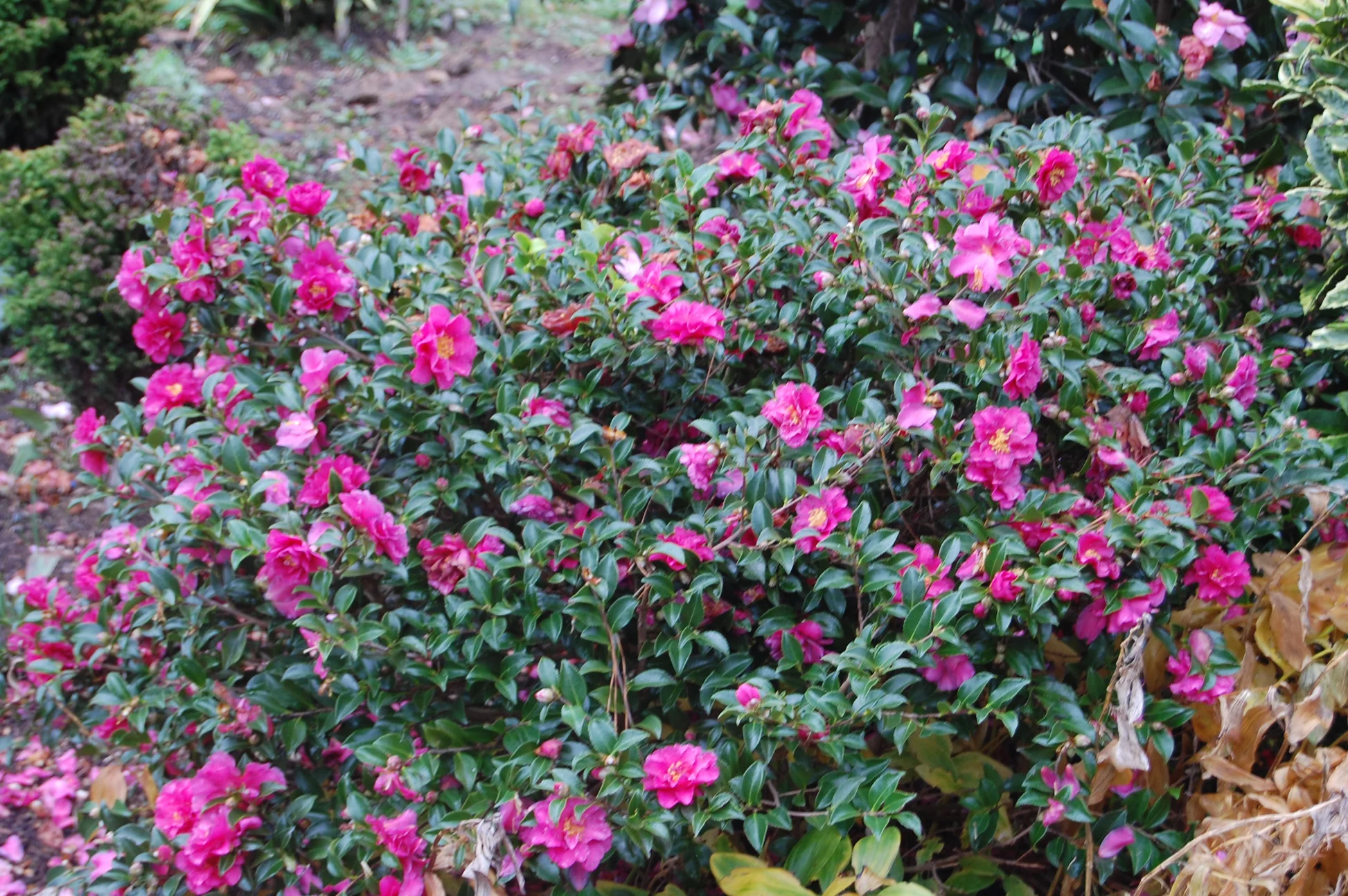
Dwarf camellias are compact versions of their larger relatives, typically growing 2 to 5 feet tall and wide. They offer the same gorgeous, rose-like flowers and glossy evergreen foliage but in a size perfect for smaller gardens, containers, and foundation plantings.
Why Grow Dwarf Camellias?
You should grow dwarf camellias for their exceptional winter and early spring flowers when little else is blooming. Their compact size makes them versatile for small spaces, containers, and urban gardens. The glossy, dark green leaves provide year-round structure and interest, and they’re generally lower maintenance than many flowering shrubs.
Dwarf Camellia at a Glance
FeatureDescriptionCommon NameDwarf CamelliaBotanical NameCamellia japonica, C. sasanqua (dwarf cultivars)Plant TypeBroadleaf evergreen shrubMature Size2-5 ft. tall and wideSun ExposurePartial shade (morning sun, afternoon shade)Soil TypeAcidic, well-draining, rich in organic matterBloom TimeFall, winter, or spring (depends on variety)Flower ColorsWhite, pink, red, variegatedHardiness ZonesUSDA 7-9 (some to Zone 6 with protection)
Popular Dwarf Camellia Varieties
Choosing the right variety ensures you get the bloom time, color, and size that works for your garden.
1. Camellia sasanqua ‘Shishi Gashira’:
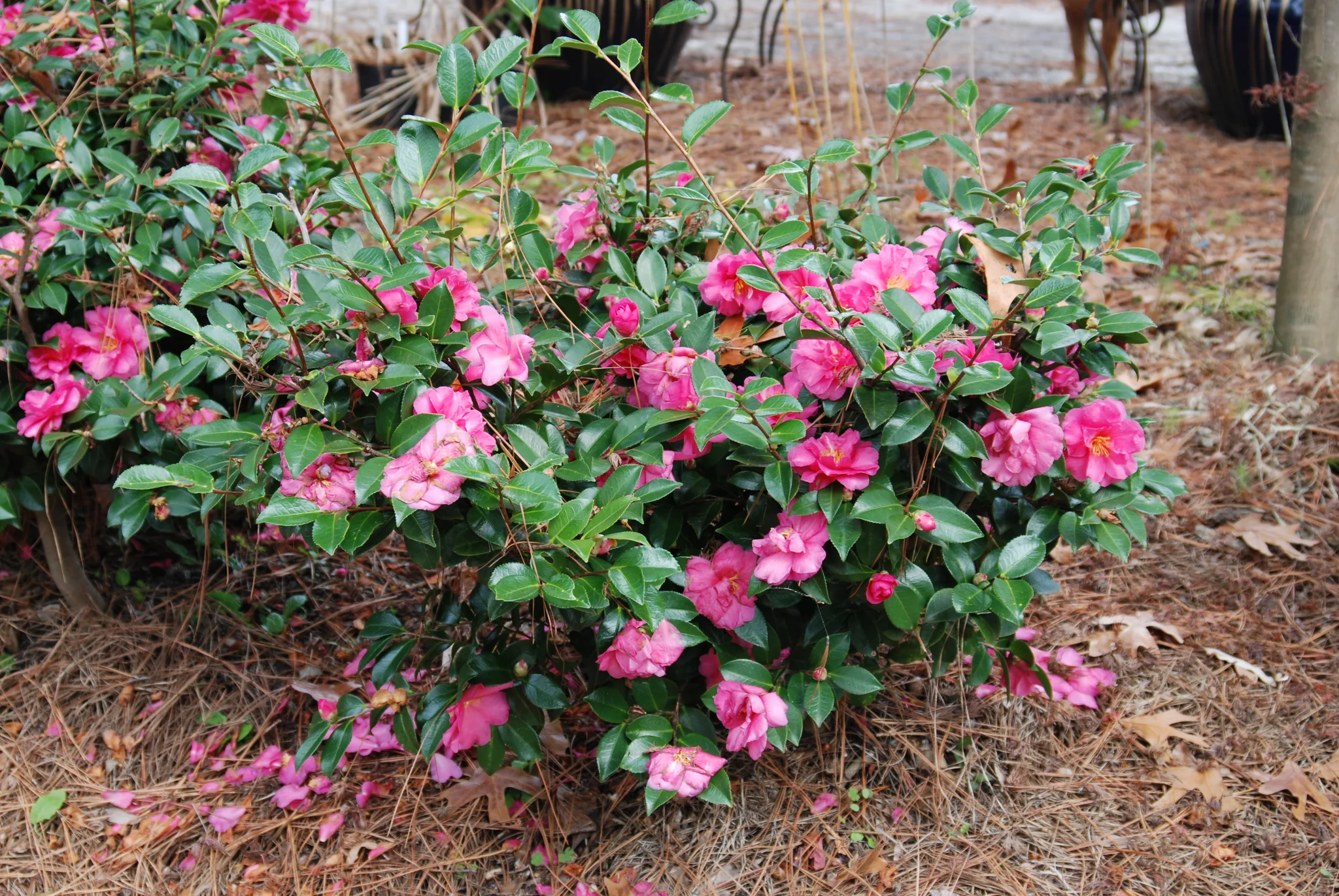
A popular spreading dwarf that blooms profusely in fall with semi-double pink flowers. Grows 2-3 feet tall but can spread wider.
2. Camellia japonica ‘Kramer’s Supreme’:
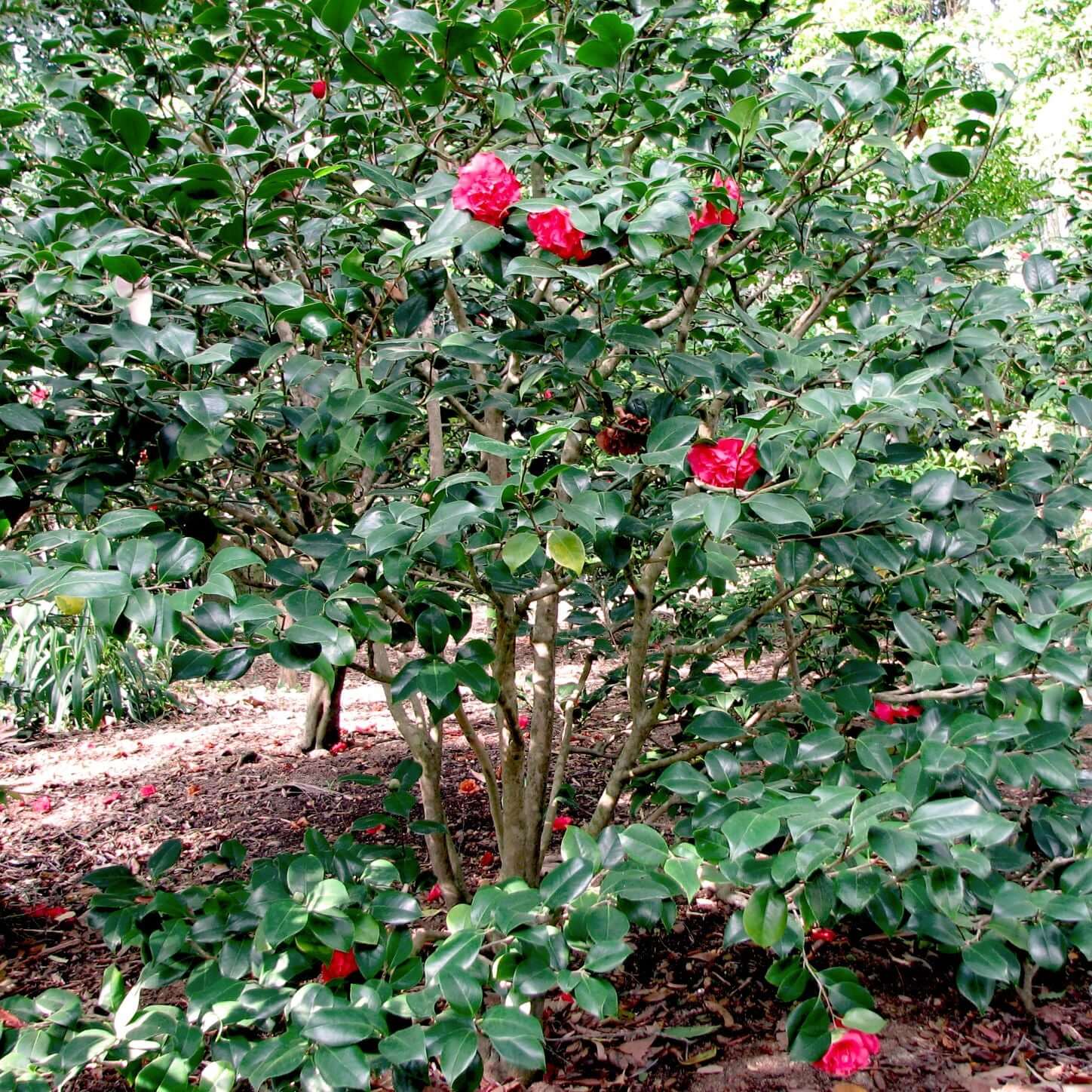
A compact grower reaching about 4 feet, known for its vibrant red, peony-form flowers in late winter.
3. Camellia japonica ‘Little Bit’:
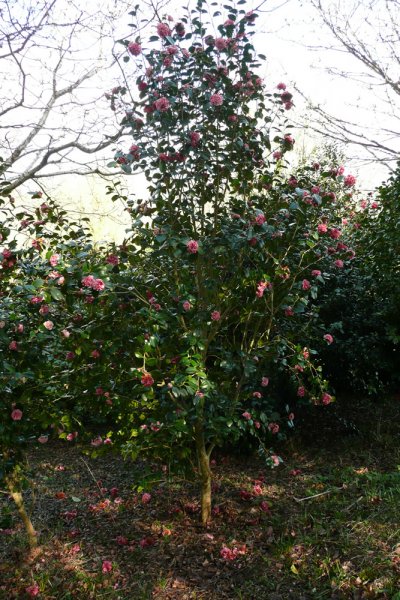
A true dwarf that stays under 3 feet, perfect for containers. Produces formal double pink flowers in spring.
4. Camellia hiemalis ‘Chansonette’:
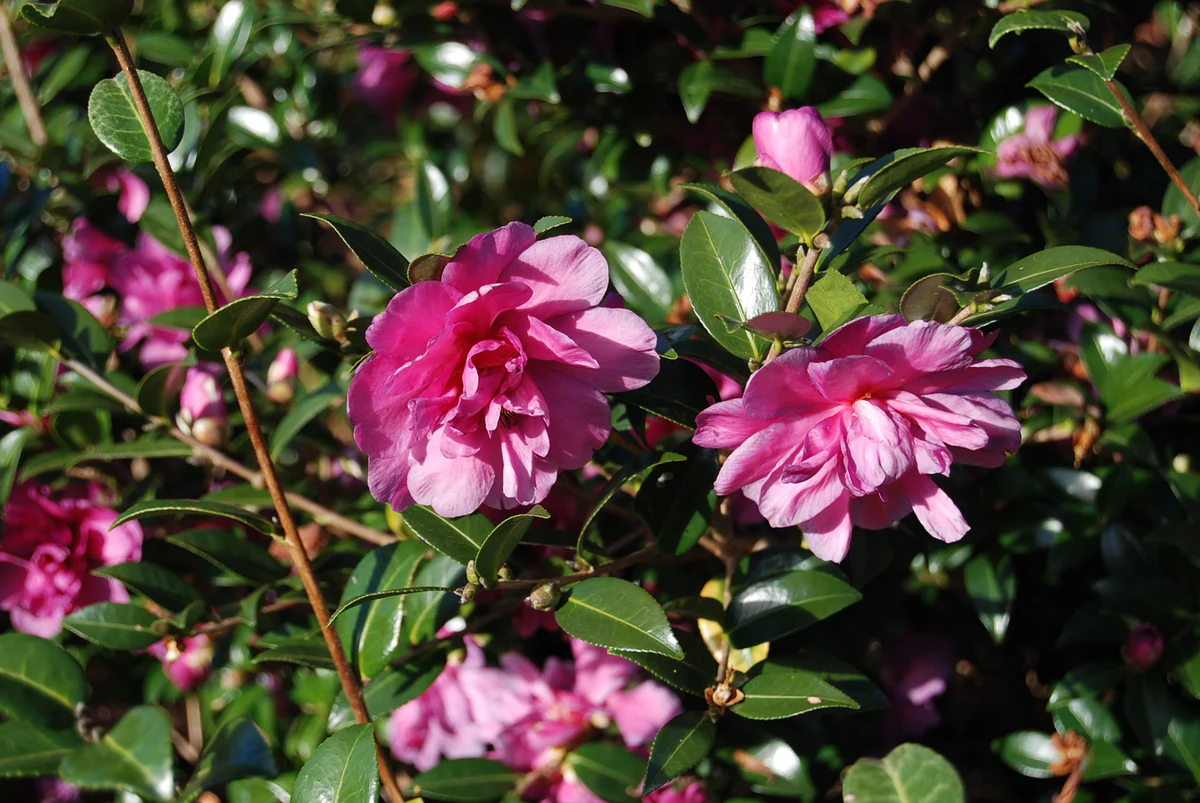
An outstanding fall-bloomer with large, semi-double pink flowers on a shrub that grows 3-4 feet tall.
5. Camellia japonica ‘Yuletide’:
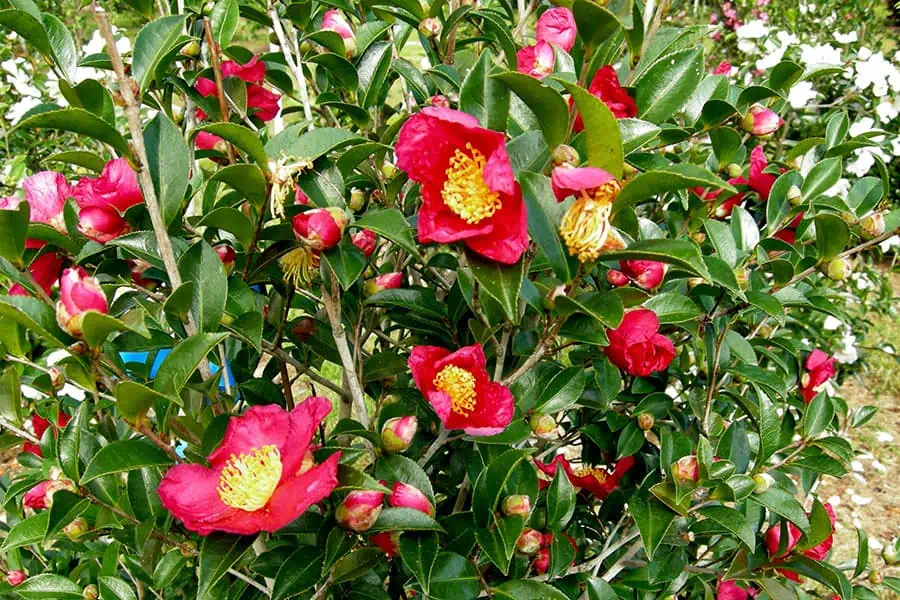
A compact variety with single red flowers around the holiday season that contrast beautifully with dark green foliage.
How to Plant Dwarf Camellias
Proper planting gives your camellia the best start for long-term health.
Choosing a Location
Select a spot with dappled sunlight or morning sun with afternoon shade. Protection from harsh afternoon sun is crucial, especially in warmer climates. Ensure the site has well-draining soil, as camellias cannot tolerate “wet feet.”
Soil Preparation
Camellias require acidic soil (pH 5.5-6.5). Test your soil pH before planting. Amend the planting hole with plenty of organic matter like composted pine bark or peat moss. Dig a hole twice as wide as the root ball but no deeper.
Planting Steps
- Remove the plant from its container and gently loosen the roots.
- Place in the hole so the top of the root ball is slightly above soil level.
- Backfill with the amended soil and water thoroughly.
- Apply 2-3 inches of mulch around the base, keeping it away from the stem.
Caring for Your Dwarf Camellia
Once established, these shrubs are surprisingly low-maintenance.
Watering
Keep the soil consistently moist but not soggy, especially during the first year and during bud formation. Water deeply once or twice a week rather than frequent light sprinklings. Established plants have some drought tolerance but will bloom best with consistent moisture.
Fertilizing
Feed with an acid-forming fertilizer formulated for camellias and azaleas in early spring after flowering finishes. Avoid fertilizing after mid-summer, as this can promote new growth that may be damaged by winter cold.
Pruning
Prune lightly immediately after blooming to maintain shape and remove any dead or crossing branches. Dwarf camellias need minimal pruning. The best approach is to selectively remove individual branches rather than shearing.
Winter Protection
In cooler zones (6-7), protect your camellia from winter winds. A sheltered location on the east or north side of a building often works well. For container-grown plants, move them to a protected area or wrap the container in winter.
Common Problems and Solutions
Even with good care, you might encounter these common issues.
- Yellowing Leaves: Often indicates soil that isn’t acidic enough. Apply a soil acidifier and ensure you’re using an appropriate fertilizer.
- Bud Drop: Sudden temperature changes, overwatering, or underwatering can cause buds to drop before opening. Maintain consistent moisture and protect from temperature extremes.
- Leaf Scorch: Brown, crispy leaf edges usually result from too much direct sun, winter wind, or root issues. Provide more shade or wind protection.
- Pests and Diseases: Watch for scale insects, aphids, and spider mites. Treat with horticultural oil if needed. Camellia flower blight can cause flowers to turn brown; remove and dispose of affected flowers. The American Camellia Society provides excellent resources for specific pest and disease management.
Landscape Uses for Dwarf Camellias
These versatile shrubs work beautifully in many settings. Use them in foundation plantings where their evergreen foliage provides year-round structure. They’re perfect for container gardening on patios and entryways. Plant them in woodland gardens with other acid-loving plants like azaleas and rhododendrons. They make excellent low hedges or borders along pathways. They also thrive in shade gardens where they provide much-needed color.
A Final Tip for Success
The key to beautiful dwarf camellias is simple: provide acidic, well-draining soil, protect them from harsh afternoon sun, and maintain consistent moisture. Be patient with young plants—they may take a year or two to establish before putting on their full floral display, but they’re well worth the wait.
For more information on growing acid-loving plants, check out our guide to garden soil preparation. If you’re interested in companion plants, explore our article on shade gardening.
Have you grown dwarf camellias? What’s your favorite variety? Share your experience in the comments below. check out my favorite article Discover the Top 6 Yellow Bushes Popular in San Antonio, Texas.