
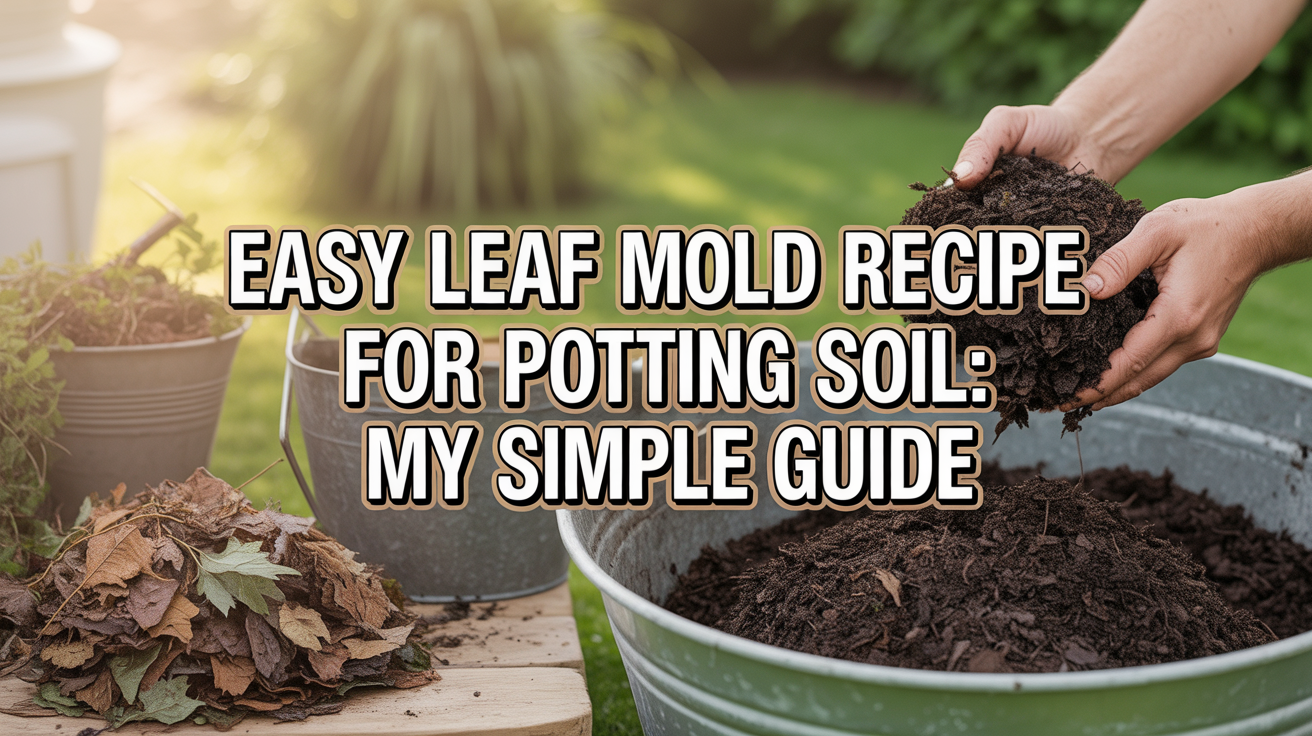
Need an easy leaf mold recipe for potting soil? I share my step-by-step method to make leaf mold quickly, plus benefits, potting mix ideas, and tips. Turn fall leaves into garden gold today.
Hi, I’m Ashley Scott. I’ve spent the last 10 years turning my backyard in suburban Ohio into a thriving garden. From raised beds bursting with tomatoes to container herbs on my patio, soil is the foundation of it all. One of my favorite discoveries? Leaf mold. It’s a game-changer for potting soil, and the best part is how simple it is to make at home.
Last fall, I raked up a mountain of oak leaves from my yard and a neighbor’s driveway. I turned them into leaf mold over the winter, and by spring, I mixed it into my potting soil for a batch of pepper plants. Those peppers grew twice as fast as usual, with roots that spread like they owned the pot. If you’re looking for an easy leaf mold recipe for potting soil, you’re in the right place. I’ll walk you through everything: what it is, why it beats store-bought mixes, and my exact steps to get started. Let’s dig in.
What Is Leaf Mold and Why Add It to Your Potting Soil?
Leaf mold is simply decomposed leaves. You pack fresh leaves into a pile or bin, let fungi and microbes break them down, and end up with a crumbly, earthy material that looks like dark chocolate soil. It’s not fertilizer-packed like compost, but it excels at improving soil structure.
In potting soil, leaf mold acts like a sponge. It holds up to five times its weight in water while keeping air flowing to roots. This means less watering for you and happier plants in containers or raised beds. Research from the University of Georgia Extension shows that adding leaf mold boosts plant health and crop yields by enhancing soil’s water-holding capacity.
I use it in every potting mix I make. For example, in my DIY leaf mold potting mix, it replaces pricey peat moss. You get better drainage and fewer root rot issues. Plus, it’s free if you have trees nearby. No wonder it’s a staple in my composting basics guide.
Leaf Mold vs. Compost: Which Is Right for Your Garden?
People often mix up leaf mold and compost, but they’re not the same. Compost comes from a blend of green and brown materials, like kitchen scraps and yard waste. It heats up fast and breaks down in months, delivering a nutrient punch think nitrogen for leafy growth.
Leaf mold, on the other hand, is leaves only. It’s a slow ferment driven by fungi, not bacteria, so it stays cool and takes longer. According to Penn State Extension, leaf mold is darker and crumblier than compost, with an earthy smell that screams “forest floor.”
For potting soil, I reach for leaf mold when I want texture over nutrients. It lightens heavy mixes without the weed seeds that sometimes sneak into compost. Compost shines in veggie beds for feeding plants, but leaf mold wins for pots where drainage matters most. In my soil amendment guide, I explain how to blend both for the ultimate easy pot mixture.
Here’s a quick comparison:
- Nutrients: Compost high; leaf mold low.
- Breakdown Time: Compost 3-6 months; leaf mold 6-24 months.
- Best For: Compost in ground soil; leaf mold in pots and mulch.
- Effort: Both low, but leaf mold needs zero turning.
Switch to leaf mold in your next potting mix. Your plants will thank you with vigorous growth.
How Long Does It Take to Make Leaf Mold?
Patience is key with leaf mold. In ideal conditions a shaded spot with steady moisture. it takes 12 to 24 months for leaves to fully decompose into that rich, brown gold. But you don’t have to wait forever. Shredded leaves speed things up to 6-9 months.
I started my first batch in November three years ago. By the following fall, it was ready for my best potting soil recipes. The NC State Extension notes that a 3-foot pile in partial shade breaks down faster than scattered leaves. Factors like leaf type matter too: thin oak or maple leaves rot quicker than waxy magnolia ones.
If you’re short on time, check out my tips below on how to make leaf mold quickly. You can harvest usable portions in as little as six months for your leaf mold soil projects.
Easy Leaf Mold Recipe: Step-by-Step Instructions
Ready for the easy leaf mold recipe? This method uses basic tools you likely have. Gather 10-20 bags of leaves in fall aim for 3 cubic yards for a solid batch. I collect from my yard and curbsides, avoiding treated lawns.
Gather Your Materials
- Fresh, dry leaves (oak, maple, birch work best; avoid walnut for juglone toxins).
- A pitchfork or rake.
- Optional: Lawn mower for shredding, chicken wire for bins.
- Water source (hose or rain).
Method 1: Wire Bin for Large Batches
This is my go-to for big yields. It holds heat and moisture like a pro.
- Build a bin: Bend 3-foot-high chicken wire into a 4-foot-diameter circle. Secure with zip ties.
- Fill it: Rake leaves inside, packing them down every foot. Aim for 4 feet high—it shrinks by half.
- Moisten: Water the pile until damp, like a wrung-out sponge. Cover with a tarp for shade.
- Wait and check: Turn once in spring. By month 6, poke around for crumbly bits.
- Harvest: Sift through 1/2-inch mesh to remove twigs. Use the fine stuff in pots.
I built one behind my shed. It processed 15 bags last year, giving me enough for 20 planters.
Method 2: How to Make Leaf Mold in Plastic Bags
Perfect for small yards or apartments. No bin needed.
- Stuff bags: Fill heavy-duty contractor bags halfway with leaves. Shred first with a mower for speed.
- Add air: Poke 20-30 holes in each bag for ventilation.
- Wet and seal: Mist until damp, tie shut, and store in shade.
- Shake monthly: Roll them like laundry to mix.
- Ready when: After 6-12 months, open to earthy-smelling mold.
This saved my balcony garden space. I made two bags from park leaves and mixed the result into my easy pot mixture for herbs.
Speed It Up: How to Make Leaf Mold in 6 Months
Want faster results for your leaf mould compost making? Shred leaves to double surface area Rutgers NJAES says this cuts time in half. Add a handful of grass clippings per layer for nitrogen. Keep the pile at 60-70% moisture; too dry stalls it.
In my trials, shredded oak with clippings hit prime in seven months. Test by grabbing a handful: it should crumble without sticks.
DIY Leaf Mold Potting Mix Recipe
Now, let’s turn your leaf mold into an easy potting mix. This recipe makes 5 gallons—scale up as needed.
Ingredients:
- 2 parts sifted leaf mold.
- 2 parts garden soil or coconut coir.
- 1 part perlite or vermiculite for drainage.
Steps:
- Sift leaf mold to remove chunks.
- Mix in a wheelbarrow or tub. Wear gloves; it’s dusty.
- Moisten slightly before potting.
- Store extras in sealed bins.
I used this for my tomato starts last summer. They outgrew store pots by weeks. For variations, check my DIY garden projects. Add worm castings for extra oomph in veggie mixes.
Pro tip: This leaf mold potting mix holds water 30% longer than plain soil, per my watering logs.
Benefits of Leaf Mold Soil for Your Plants
Leaf mold transforms ordinary dirt. It improves aeration, so roots breathe easy. In pots, it cuts wilting by holding moisture without sogginess. LSU AgCenter highlights how it boosts tilth, reducing compaction in containers.
For your garden, spread 2 inches as mulch. It suppresses weeds (I pulled zero last year) and feeds soil microbes that fight pests. In my raised beds, leaf mold soil doubled earthworm counts, leading to fluffier dirt.
Numbers don’t lie: A study via Illinois Extension found mulched beds retain 20% more water. Your bill shrinks, plants thrive.
Is Leaf Mold Dangerous? What You Need to Know
Worried about leaf mold for your plants? It’s safe mostly. The fungi breaking down leaves are beneficial, not the harmful black mold in homes. Sow Right Seeds confirms it’s toxin-free and boosts soil health.
Rare risks: If leaves come from diseased trees (like oak wilt), pathogens could linger. I avoid those by sourcing locally and inspecting. For humans, wear a mask when sifting dusty piles to dodge spores, especially if you have allergies. In 10 years, I’ve had zero issues.
Bottom line: Healthy leaf mold is your garden’s ally. Use it confidently in pots.
Where to Find Leaf Mold for Sale If You Can’t Wait
DIY takes time, so buy if needed. Local nurseries sell bagged leaf mold for $5-10 per cubic foot. Online, search “leaf mold near me” on sites like Amazon or garden supply stores.
I grabbed a bag from a nearby farm last spring for quick pots. For bulk, check community compost sites. It’s cheaper than peat and just as good.
My Personal Tips from 10 Years of Gardening with Leaf Mold
Over a decade, I’ve tweaked my easy leaf mold routine. In year one, I skipped shredding big mistake; it dragged to 18 months. Now, I always mow leaves on the lawn first.
Store in fall gardening tips season by piling under evergreens for natural shade. Test readiness: Squeeze a handful; it should hold shape then crumble.
One story: My first leaf mold batch fed a windowsill salad garden during winter. Those greens tasted forest-fresh, and I hooked neighbors on the method.
Quick wins for you:
- Start small: One bag yields enough for 5 pots.
- Mix early: Use semi-decomposed leaves as mulch now.
- Track progress: Photo your pile monthly.
- Experiment: Blend with sand for cactus mixes.
Leaf mold has cut my potting costs by 40%. Yours can too.
There you have it your roadmap to an easy leaf mold recipe for potting soil. Grab those leaves this weekend and start piling. Your garden will bloom brighter next season. Questions? Drop them in the comments. Happy gardening!