
Learn how to grow and care for Echinacea ‘Leilani’. This complete guide covers planting, pruning, and winter care for these vibrant yellow coneflowers in your garden.

The first time I saw Echinacea ‘Leilani’ in full bloom, it stopped me in my tracks. Standing tall with vibrant lemon-yellow petals surrounding a bronze cone, it looked like a burst of sunshine in the mid-summer garden. After adding it to my own borders, I discovered it’s as tough as it is beautiful, thriving through heat, drought, and even neglectful watering on my part.
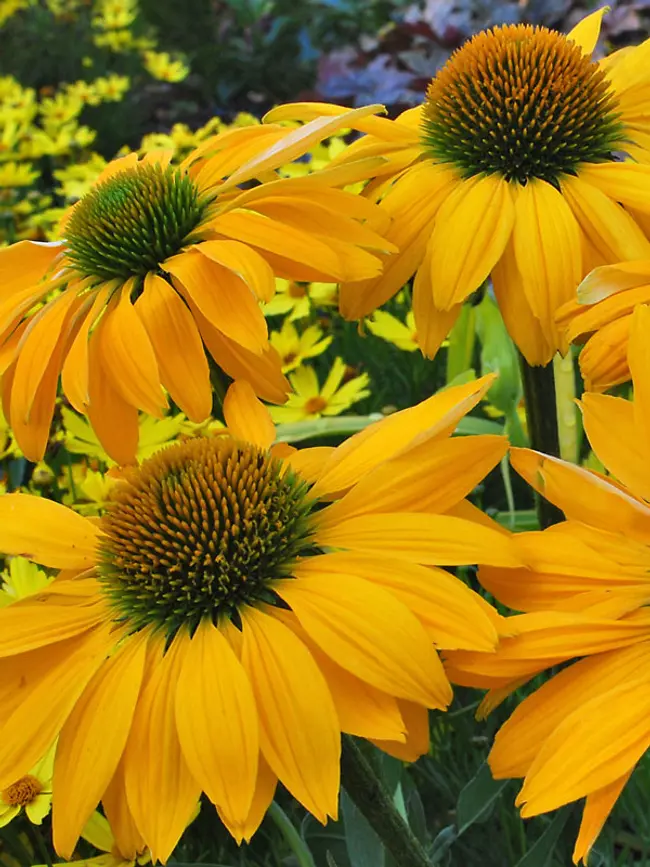 Image : Bluestone Perennials
Echinacea ‘Leilani’ is a standout variety of coneflower known for its clear yellow flowers and strong, upright habit. This perennial blooms from early summer through fall, providing long-lasting color when many other plants fade. It’s a magnet for butterflies and bees but is typically left alone by deer.
Why Grow Echinacea ‘Leilani’?
You should grow ‘Leilani’ for three main reasons. First, its sunny yellow flowers provide a unique color that stands out in the summer border. Second, it’s incredibly low-maintenance once established, tolerating drought, poor soil, and summer heat. Third, it’s excellent for cutting gardens, with sturdy stems that hold up beautifully in arrangements.
A Quick Care Reference
AspectRequirementCommon NameEchinacea ‘Leilani’, Leilani ConeflowerBotanical NameEchinacea ‘Leilani’Plant TypeHerbaceous perennialMature Size3-3.5 ft. tall, 2-2.5 ft. wideSun ExposureFull sun (6+ hours daily)Soil TypeWell-draining; tolerates clay, rocky & dry soilsBloom TimeEarly summer to fallFlower ColorBright yellow with bronze central coneHardiness ZonesUSDA 4-9
How to Plant Echinacea ‘Leilani’
Getting your coneflower started correctly ensures years of beautiful blooms.
Choosing the Right Location
Select a spot that receives at least six hours of direct sunlight daily. While ‘Leilani’ can tolerate light afternoon shade, too much shade will result in floppy growth and fewer flowers. Good air circulation helps prevent fungal diseases.
Soil Preparation
This plant adapts to various soil conditions but demands excellent drainage. If you have heavy clay soil, amend it with compost to improve drainage. For container growing, use a quality potting mix and ensure pots have adequate drainage holes. Learn more in our guide to garden soil preparation.
Planting Steps
- Dig a hole twice as wide as the root ball but no deeper.
- Gently remove the plant from its container and loosen the roots if pot-bound.
- Place in the hole so the top of the root ball is level with the soil surface.
- Backfill with soil, firm gently, and water thoroughly.
- Space plants 18-24 inches apart to allow for mature growth.
Caring for Your ‘Leilani’ Coneflower
Once established, this plant requires minimal attention to thrive.
- Watering: Water regularly during the first growing season to establish a deep root system. Once established, ‘Leilani’ is quite drought-tolerant. Water only during extended dry periods, allowing the soil to dry between waterings.
- Fertilizing: Coneflowers are light feeders. In most cases, they need no fertilizer when planted in garden soil. If your soil is very poor, a light application of compost or balanced fertilizer in early spring is sufficient. Avoid high-nitrogen fertilizers that promote leafy growth over flowers.
- Deadheading: For continuous blooming, remove spent flowers by cutting the stem back to a side bud or leaf. In late summer, I stop deadheading to allow seed heads to form for winter interest and bird food.
- Winter Care: In fall, you can leave the seed heads standing to provide food for birds and winter interest. Cut stems back to the ground in late winter or early spring before new growth emerges.
Pruning and Maintenance
In early summer, you can pinch back the growing tips when plants are about 12 inches tall to encourage bushier growth and more flowering stems. This technique is especially useful for plants grown in partial shade that might become leggy.
Every 3-4 years, divide congested clumps in spring or fall to maintain vigor. While established coneflowers have deep taproots and can be difficult to divide, younger plants respond well to division.
Common Problems and Solutions
‘Leilani’ is generally trouble-free, but watch for these potential issues:
- Powdery Mildew: This appears as white, powdery spots on leaves, usually in humid conditions with poor air circulation. Prevent it by providing adequate spacing and watering at the base rather than overhead.
- Aster Yellows: This disease causes distorted, greenish flowers and stunted growth. There is no cure; remove and destroy affected plants to prevent spread.
- Japanese Beetles: These pests may chew on flowers and foliage. Hand-pick them in the early morning when they’re less active or use appropriate controls.
- Flopping: If plants become floppy, they likely need more sun. Staking or using peony rings can provide support. The Missouri Botanical Garden offers excellent resources for diagnosing plant problems.
Design Ideas for Your Garden
Echinacea ‘Leilani’ works beautifully in many garden settings. Its vibrant yellow color complements purple flowers like Russian sage, salvia, and verbena. For a stunning combination, pair it with ornamental grasses like switch grass or fountain grass.
Use it in the middle or back of sunny borders, in cottage gardens, prairie plantings, or pollinator gardens. It’s also excellent for cut flower gardens, with blooms lasting up to two weeks in a vase. For more design inspiration, explore our flower gardening guide.
The North Carolina State Extension provides detailed botanical information about this cultivar.
Final Thoughts
Echinacea ‘Leilani’ delivers exceptional garden performance with minimal care. Its cheerful yellow flowers brighten the garden for months while supporting pollinators. This resilient perennial proves that low-maintenance plants can be among the most beautiful in the garden.
For more information on growing plants that support pollinators, check out our guide to creating a pollinator-friendly garden. Have you grown yellow coneflowers in your garden? I’d love to hear about your experience in the comments below.